Boeing 737 MAX 10 moves closer to certification with new brake tests

3 min read
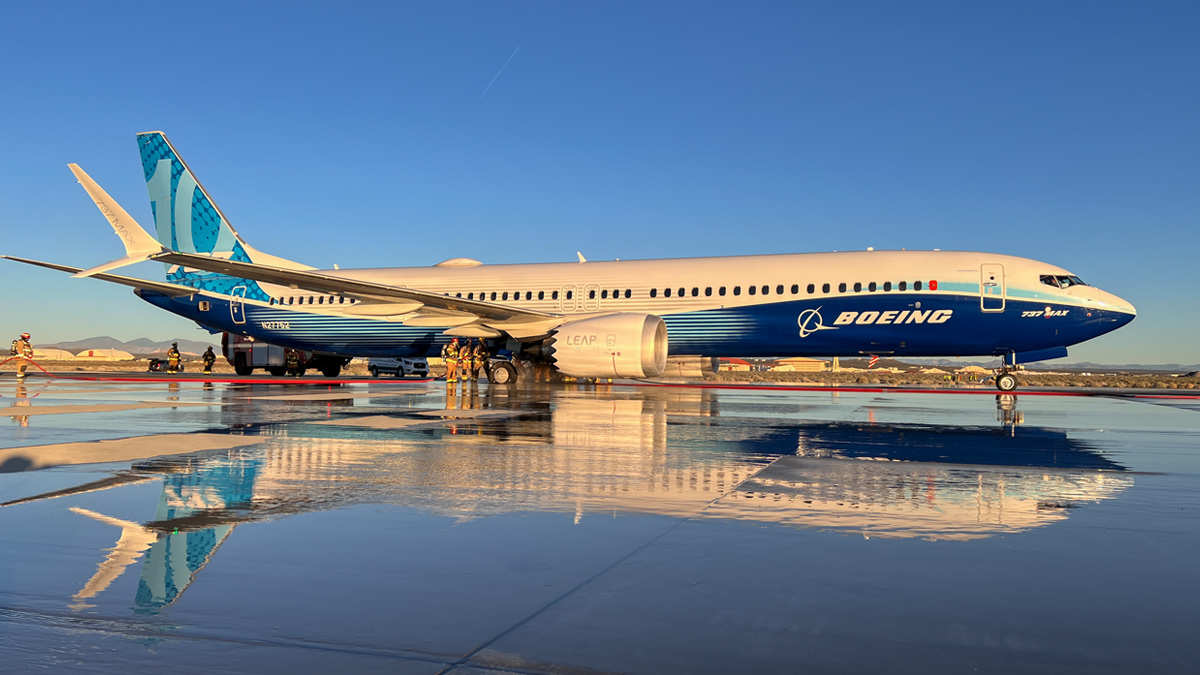
The Boeing 737 MAX 10 has cleared another key certification milestone at Edwards Air Force Base, completing its maximum brake energy tests. The results show that even in worst-case scenarios, the largest MAX variant can safely stop during a rejected takeoff.
Boeing’s MAX 10 experiences a worst-case rejected takeoff
The brake test pushes the limits of the aircraft’s braking system. Boeing loaded a 737-10 to its maximum takeoff weight, wore the brakes down to within 2% of their service life, accelerated the aircraft to 180 knots, or 207 mph, and then stopped it using the brakes only, without thrust reversers.
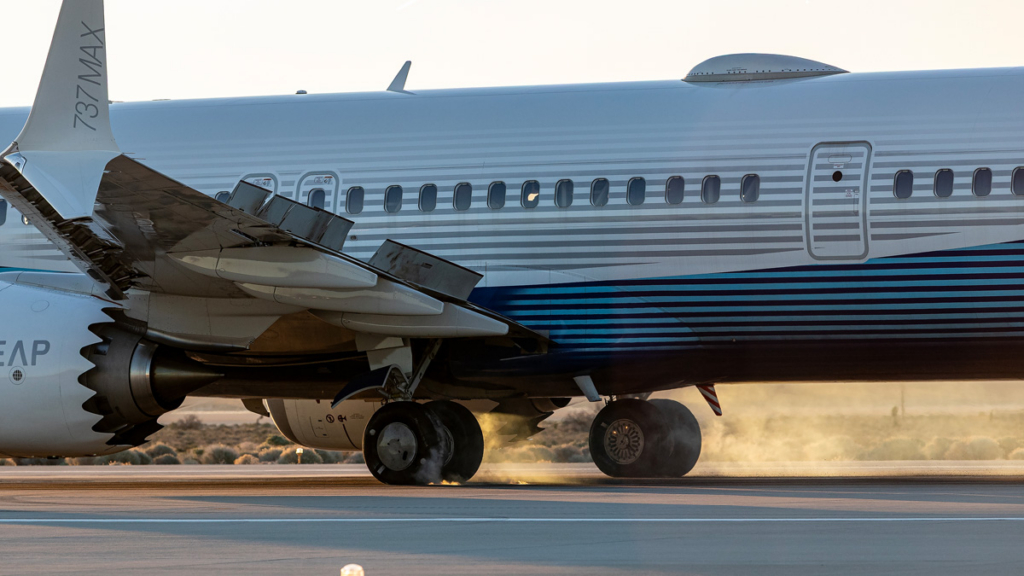
“The worn brakes are actually a requirement to show the worst possible scenario,” Boeing test pilot Capt. Kevin Zeznick said. “We load the aeroplane up as heavy as it can go and go as fast as it would typically go on any takeoff and show that the aeroplane can stop and remain safe.”
The 737 MAX 10 came to a flaming stop
The maximum brake energy test is one of the more dramatic certification checks because it literally sparks a fire with a high-speed aborted takeoff at the edge of the aircraft’s certified performance envelope.
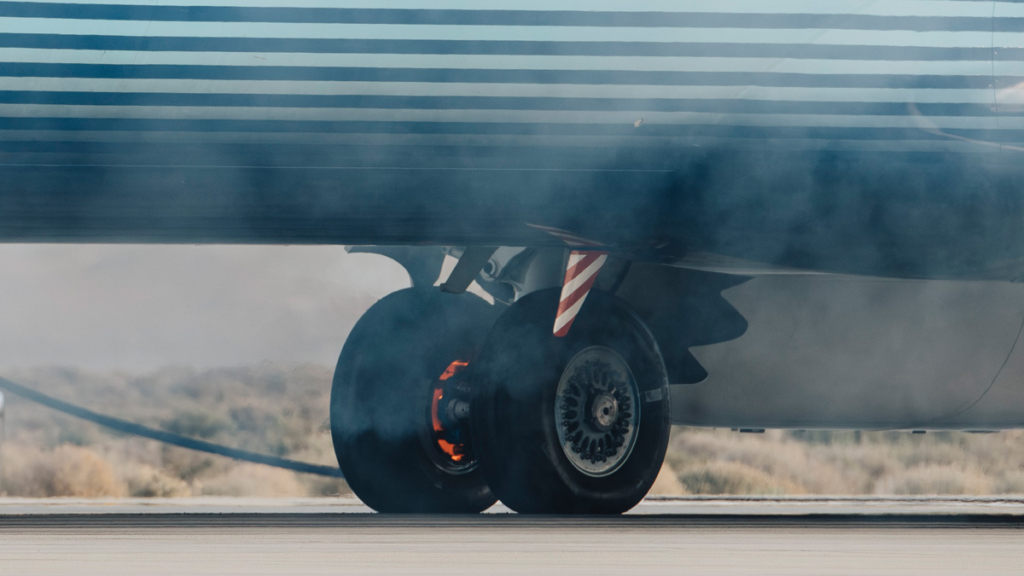
Boeing said the aircraft stopped in about 11,000 feet on a 15,000-foot runway. With the forceful stop, the brake temperatures exceeded 2,500 degrees Fahrenheit. Wheel fuse plugs melted as designed, releasing tyre pressure safely.
Response teams waited five minutes before approaching the aircraft to put out flames, which is about the time it would take airport rescue crews to reach an aircraft after a rejected takeoff. All four brakes survived the required five-minute period before firefighters cooled the assemblies.
“The brakes performed as designed,” flight test engineer Lauren Auerbach said. “We got the expected brake pressure and the maximum brake energy, and the anti-skid [function] performed as expected.”
Why the MAX 10 needs stronger brakes
The 737 MAX 10 is the largest member of the MAX family. It can carry up to 230 passengers, 10 more than the 737-9, with what Boeing says is only a small increase in operating cost. That higher capacity is attractive to airlines seeking lower per-seat costs on dense short- and medium-haul routes.
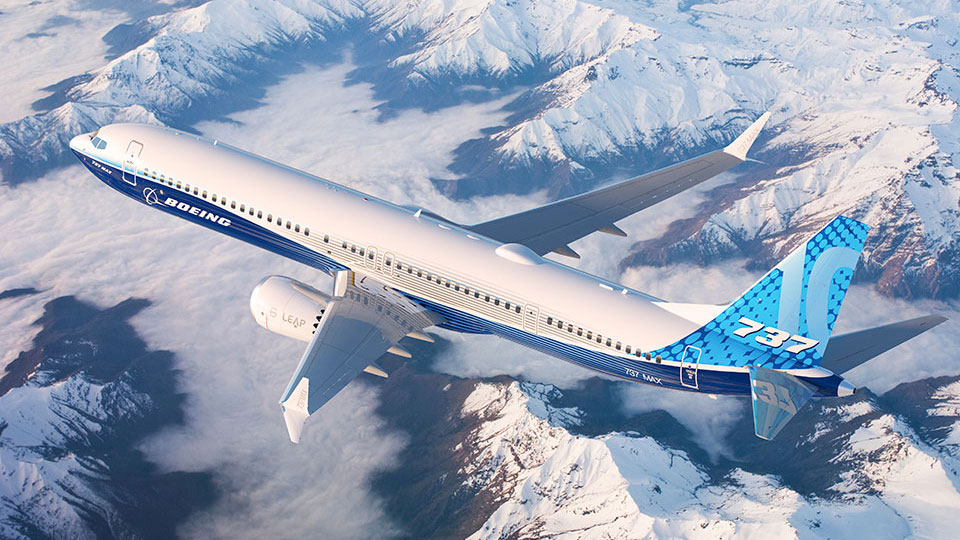
But the longer fuselage and higher takeoff weight also required design changes. Boeing says engineers modified the landing gear and strengthened the brakes for the MAX 10. Design engineer Evan Preston described them as “the highest-performing brake we’ve ever put on a 737,” adding that Boeing added a fifth rotor and a longer torque tube to increase braking force.
Because the 737 MAX has two brake suppliers, Boeing had to run two maximum-brake-energy tests. Both were successful.
737 MAX 10 certification still has work ahead, but is on track
The MAX 10 is Boeing’s closest answer to the Airbus A321neo in the high-capacity narrowbody market. It is important to customers, including United Airlines, Delta Air Lines and Ryanair, but repeated certification delays have forced airlines to adjust fleet plans.
The brake tests remove another critical item from Boeing’s long 737-10 certification checklist.
Boeing said its 737 MAX Development team is still conducting remaining certification flight tests and completing documentation to certify both the 737-10 and the smaller 737-7 variant later this year.
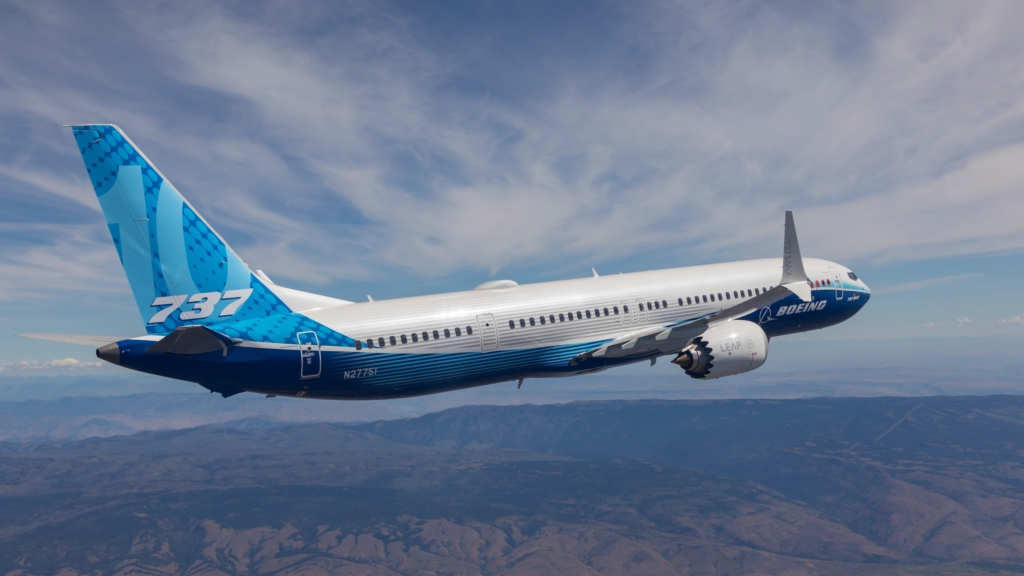
During the manufacturer’s Q1 earnings call this month, Boeing CEO Kelly Ortberg expressed optimism on certification progress for the delayed 737 MAX 7 and 10 variants.
“We continue to move forward on certification work for the 737-7 and the 737-10. In the quarter, we began the final phases of the certification and flight test for the 737-10, which includes autothrottle, autopilot, enhanced angle of attack, as well as engine anti-ice solution,” he said. “We’re pleased with the progress so far and remain on plan for the newest members of the 737 MAX family to be certified later this year, with deliveries expected to start in 2027.”
For Boeing, the latest brake tests are a visible sign of progress that backs up Ortberg’s positive outlook. Airlines that have backed the new aircraft with significant orders will hope the remaining certification work stays on track so their long-awaited 737 MAX 10s can finally enter revenue service next year.
Featured Image: Boeing
Sign up for our newsletter and get our latest content in your inbox.


More from


October 17, 20264 min read