Lufthansa narrows losses as it prepares to absorb €1.7bn fuel cost increase

4 min read
The Lufthansa Group has warned that geopolitical disruption is pushing fuel costs higher, with kerosene prices expected to add €1.7 billion ($1.8 billion) to its cost base in 2026.
But the airline group is already showing signs it can absorb the impact, narrowing losses and improving cash flow in the first quarter.
Results for 1Q26 show the German group is strengthening its financial position despite disruption and typically weaker winter demand, with higher revenues and improved operating performance year-on-year.
Lufthansa narrows losses and boosts cash flow despite rising fuel costs
Lufthansa reported revenue of €8.7 billion ($9.4 billion) for the quarter, up 8% from €8.1 billion ($8.8 billion) a year earlier and marking a record first quarter for the Group.
The airline still posted an operating loss of €612 million ($660 million), but this represents a significant improvement on the €722 million ($780 million) loss recorded in 1Q25, as cost discipline and stronger demand helped offset higher expenses.
Margins also improved, with adjusted EBIT coming in at -7.0%, compared with -8.9% the previous year. Net income rose to -€665 million ($720 million), from -€885 million ($960 million) a year earlier.
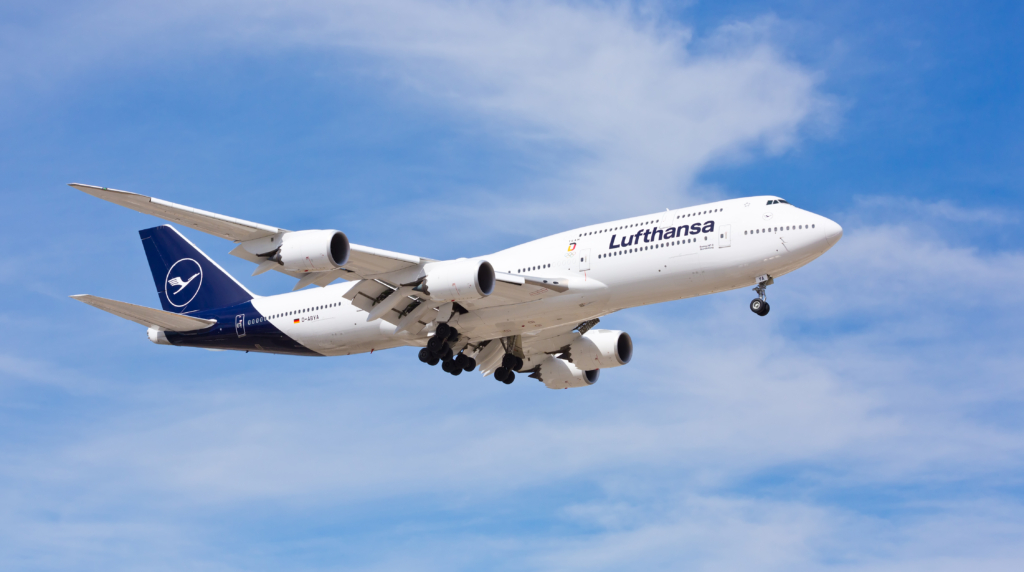
Cash generation was a standout. Adjusted free cash flow rose 65% to €1.4 billion ($1.5 billion), supported by higher operating cash flow of €2.1 billion ($2.3 billion) and reduced capital expenditure, including proceeds from aircraft sales, including two Boeing 747-8s.
The Group’s balance sheet strengthened further during the quarter, with net debt reduced to €5.3 billion ($5.7 billion) from €6.4 billion ($6.9 billion) at the end of 2025. Liquidity remained robust at €10.3 billion ($11.2 billion).
Lufthansa cuts capacity and redirects network as fuel costs rise
Despite improving first-quarter performance, Lufthansa Group has cautioned that rising fuel costs and geopolitical disruption will continue to shape its operations through 2026.
The airline said the ongoing Middle East crisis and higher fuel prices are creating “enormous challenges” for global aviation, although it believes its hedging strategy and multi-hub network provide resilience against further shocks.
Operationally, Lufthansa kept overall capacity broadly stable in the first quarter, with modest growth in long-haul services offsetting reductions on short- and medium-haul routes. Seat load factor rose to 81.9%, while unit revenues increased by 3.3% year-on-year.
Much of that improvement was driven by a surge in demand in March, as passengers shifted away from disrupted Middle Eastern hubs and towards European carriers, including Lufthansa. The Group said this more than offset the loss of some direct connections to the region.
At the same time, Lufthansa is actively reshaping its network and cost base. The airline confirmed plans to cancel around 20,000 short-haul flights as part of a broader efficiency drive, alongside the closure of its CityLine division.
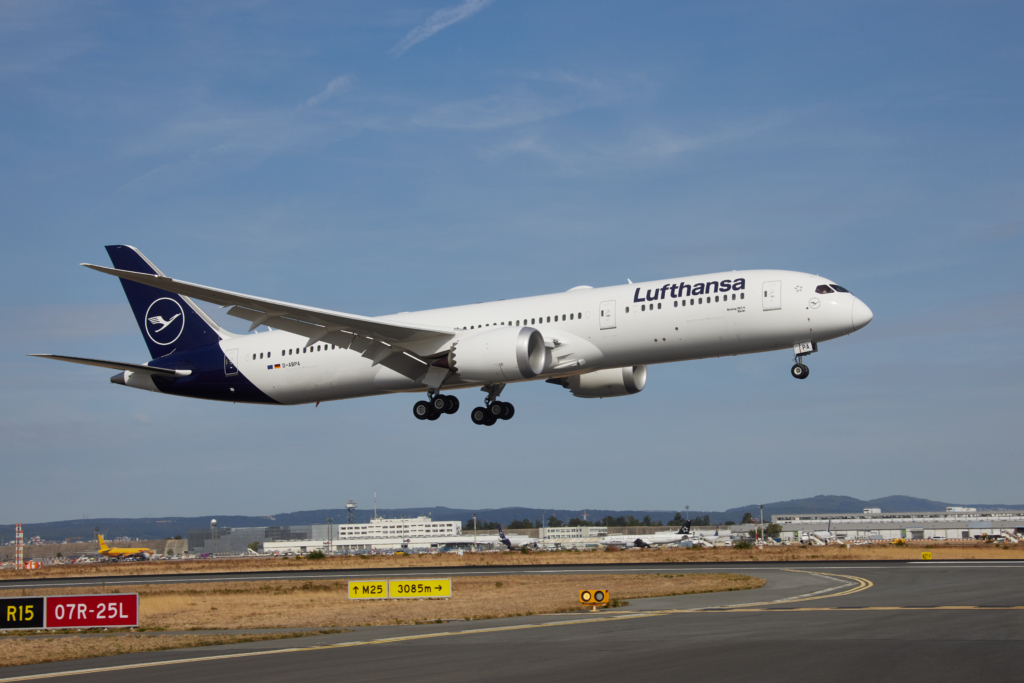
Capacity is being redirected towards higher-demand markets, particularly on routes to Asia and Africa, where the Group has added flights to capture shifting passenger flows.
Higher demand has also supported yields, particularly in premium cabins. However, underlying cost pressures remain, with unit costs excluding fuel and emissions rising by 2.5%, driven by higher personnel expenses and depreciation.
Across the wider Group, performance was mixed but generally positive. Eurowings increased capacity by 5% and lifted unit revenues by 6.8%, although it has temporarily withdrawn services to parts of the Gulf region.
Lufthansa Technik continued to benefit from strong demand for maintenance and overhaul services, with revenue rising 12% year-on-year and external business up 19%.
Lufthansa Cargo also expanded capacity by 7%, supported by increased bellyhold availability, including through the integration of ITA Airways’ cargo operations.
The Lufthansa Group remains positive for the rest of 2026
Looking ahead, Lufthansa remains confident it can offset rising costs, even as fuel prices and geopolitical risks continue to weigh on the business.
The Group expects higher kerosene prices to add around €1.7 billion ($1.8 billion) to its cost base in 2026, despite hedging approximately 80% of its fuel requirements.
At the same time, shifting passenger flows are providing a tailwind, with travellers increasingly routing through Lufthansa’s European hubs rather than the Gulf.
The airline said it expects a strong summer season, supported by sustained demand and ongoing investment in its product offering, including its FOX (Future Onboard Experience) programme.
However, it warned that the closure of the Strait of Hormuz and potential fuel supply disruptions remain key risks for the remainder of the year.
Lufthansa said it plans to offset higher costs through a combination of stronger ticket revenues, network optimisation and further cost-saving measures.
Despite the more uncertain outlook, the Group maintained its full-year guidance, expecting to deliver an operating result significantly above 2025 levels.
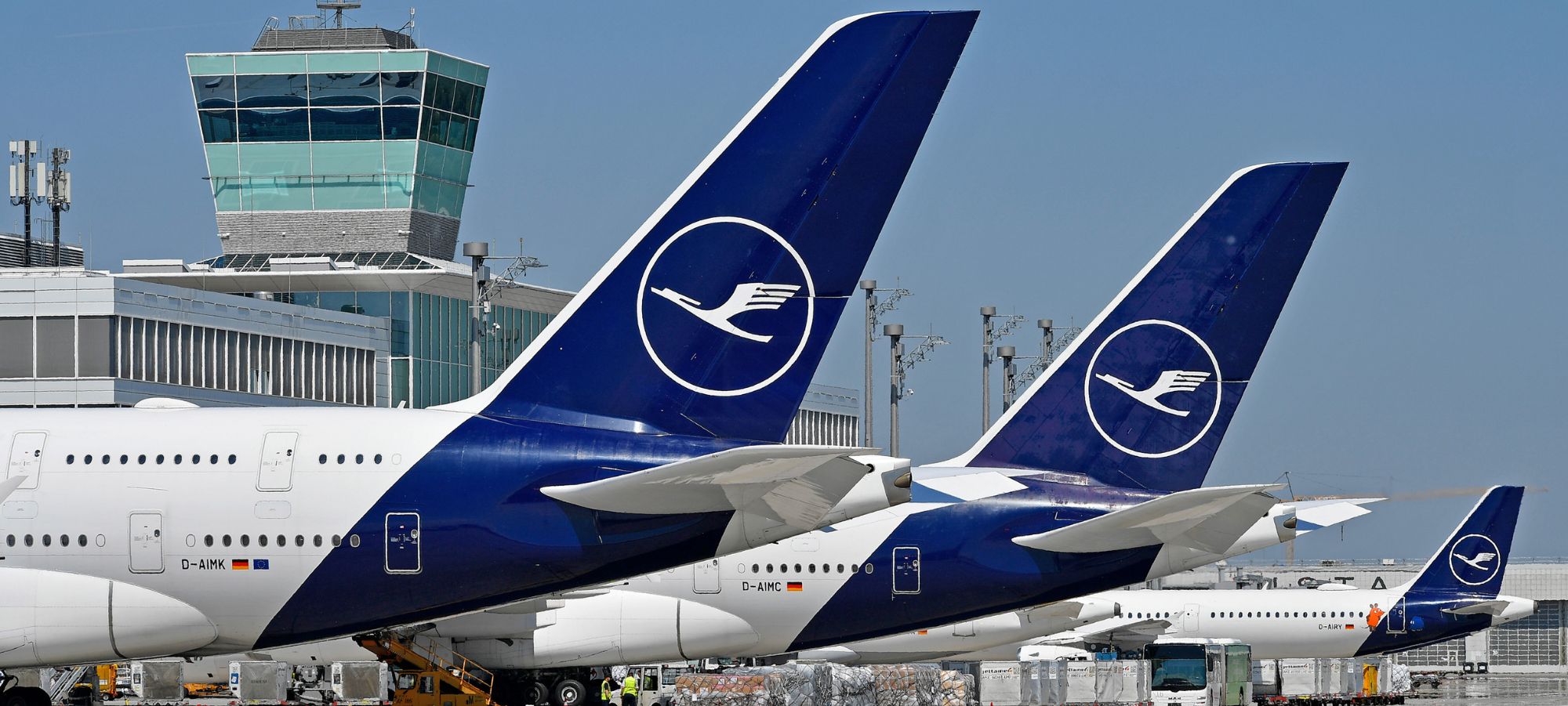
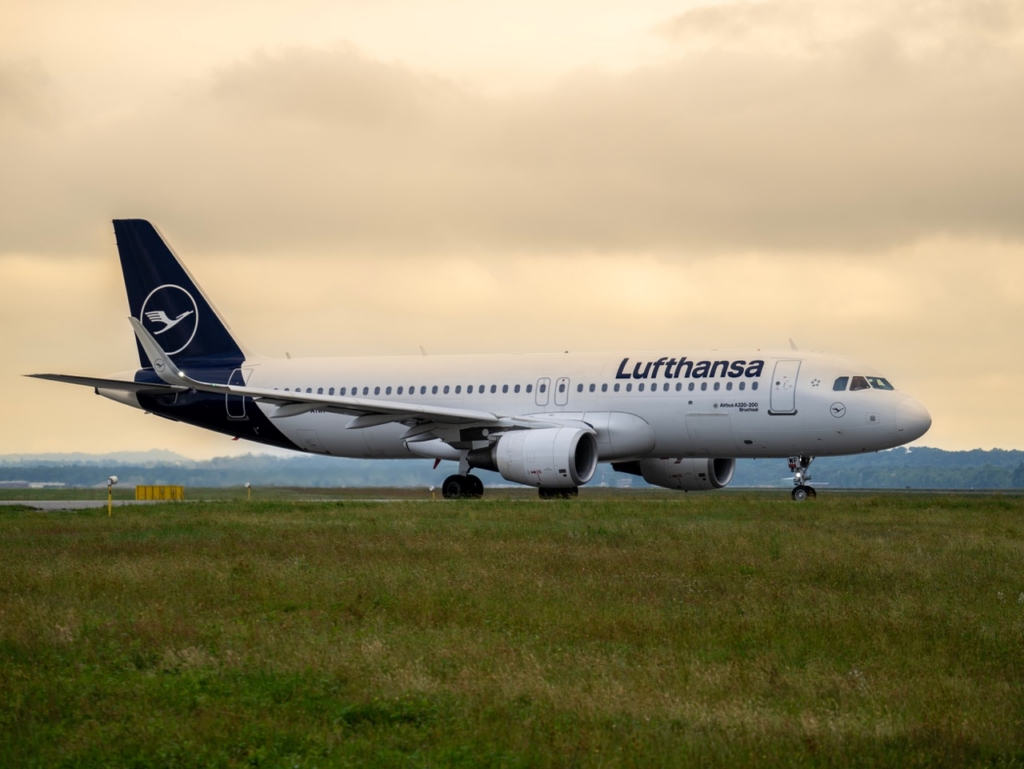
Featured image: Munich Airport
Sign up for our newsletter and get our latest content in your inbox.


More from


October 17, 20264 min read