Airline costs rising faster than traffic growth, warns Airlines for Europe

4 min read
European airlines are still managing to grow despite “unprecedented pressure” in the form of rising costs, regulation and geopolitical uncertainty, the head of Airlines for Europe (A4E) has said.
Speaking at the Routes Europe event, Ourania Georgoutsakou, managing director of A4E, said that despite a more turbulent world, “people are still flying, growth is still there”.
But she added: “At the same time, the pressure on the sector is unprecedented. Costs have grown over the past 10 years.”
Georgoutsakou highlighted how the cost burden for European airlines had risen four times faster than traffic over the last decade.
Soaring fuel costs hit airline balance sheets
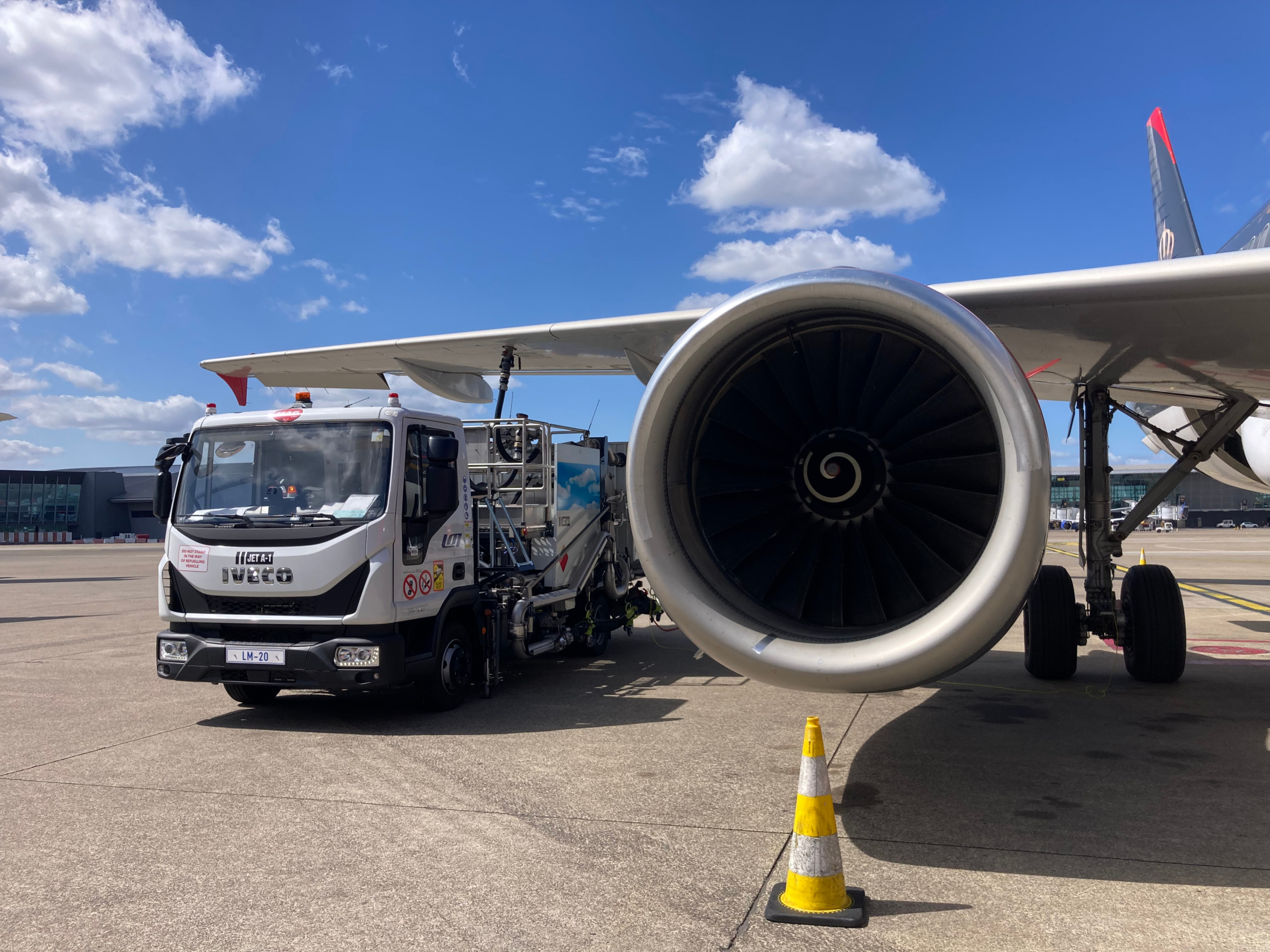
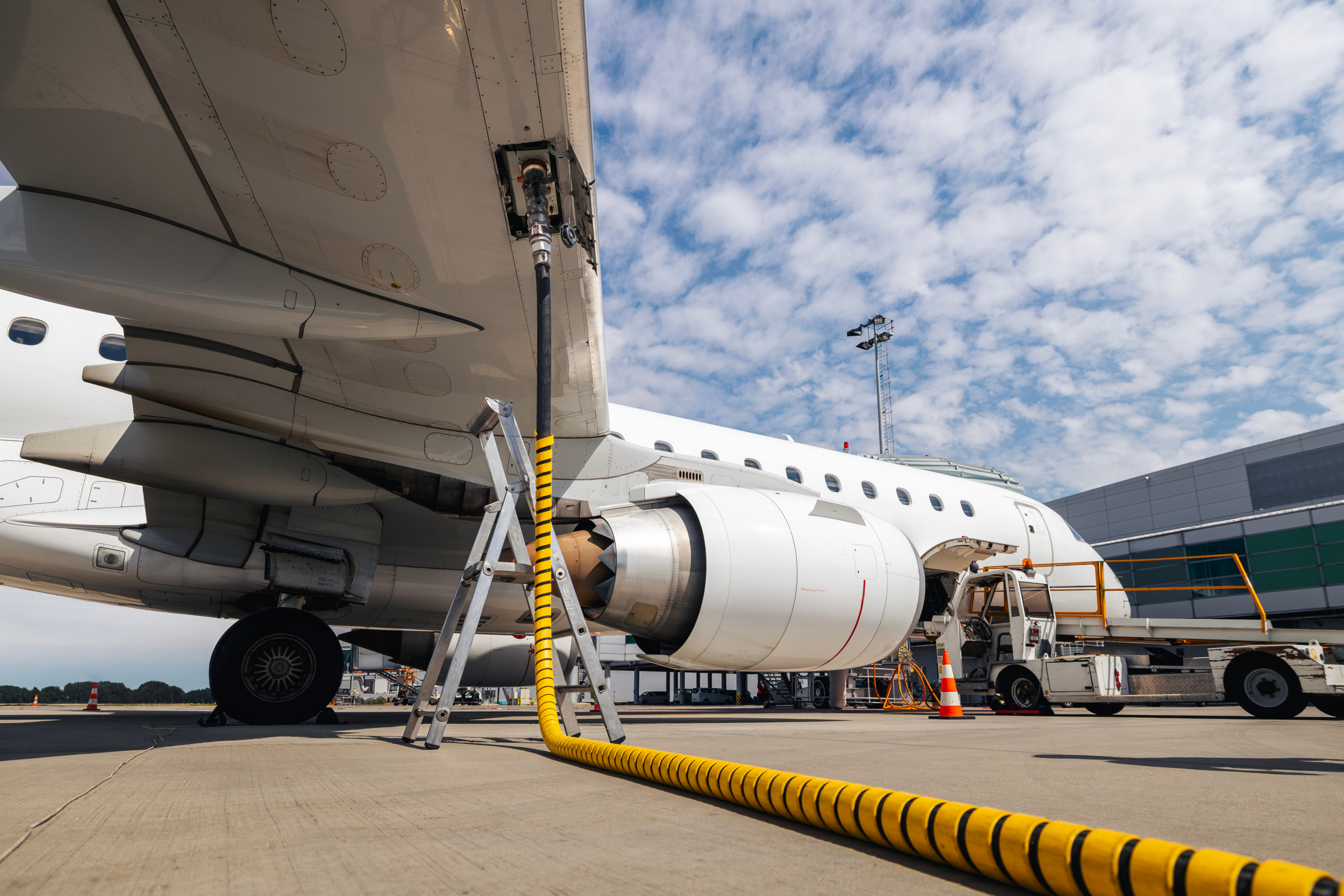
Most recently, the Middle East crisis has hit airlines hard through soaring fuel costs, with jet fuel now the key pressure point affecting carriers’ balance sheets.
“Fuel represents a third of costs for an airline… and we have peaked at the price difference of 130% year on year,” she said.
That surge has fuelled industry-wide concern about whether supplies will hold up through the crucial summer season.
“We had … a lot of anxiety around will there be enough fuel. Will we have fuel shortages over the next few months, and what kind of security of supply is there now,” she said.
Despite those concerns, Georgoutsakou said officials in Brussels, where A4E is based, are confident there will be no meaningful supply disruption in the coming months.
“The official line … is that we should have enough supply for the summer. There will be no shortages, and there is no need for people to change the way they live,” she said, citing assurances from the European Commissioner for Sustainable Transport and Tourism.
Notwithstanding the appeal for calm from European officials, the US-Israel-Iran conflict continues to have repercussions across global aviation fuel supply chains.
Approximately 40% of the continent’s jet fuel imports pass through the Strait of Hormuz, and European customers have been forced to find alternative supplies by the war.
While President Trump has teased a deal to end the conflict, a peace deal would not immediately fix the upended fuel supply chain.
Georgoutsakou said: “The ship owners say that they will need about two to three weeks to reposition crews and ships once this crisis is over, and the producers say that they will need about three months to ramp up to production at normal rates, assuming that there was no damage [to fuel infrastructure].”
EES – an even bigger problem than fuel crisis?
An arguably more pressing issue for European airlines are the lengthy border delays being caused by the European Union’s Entry/Exit System (EES).
The head of A4E said that the EU should show “pragmatism” in allowing member states to pause the process of collecting biometric data from non-Schengen travellers during peak times.
“The reality is that there is not enough border control capacity at many destinations in order to manage passenger flows, especially at peak times, and that has led to huge queues. Unfortunately, it’s had the impact of delays of over an hour… in what is already a very congested, tightly packed system,” she said.
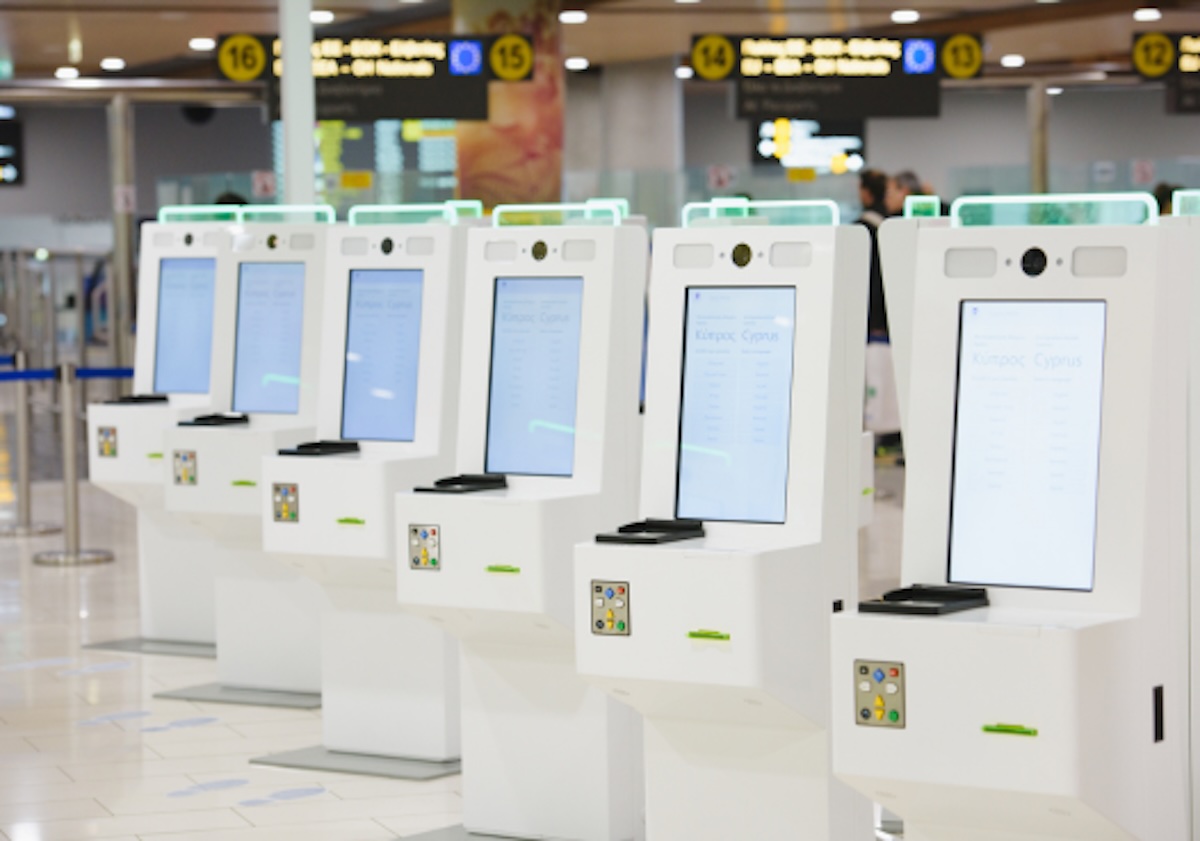
“We have this system, it’s been in the making for many years. It’s now a fact that we’ve experienced in real time that there’s not enough capacity to manage this many passengers during peak times, and so the system should be paused during peak hours.
“Switch it off, press pause, and slowly and steadily ramp up again as queues diminish. You have to be pragmatic.”
Border delays ‘must end’, argue industry leaders
In a joint letter to Magnus Brunner, EU Commissioner for Internal Affairs and Migration, signed by Georgoutsakou and her colleagues, Olivier Jankovec, director general of ACI Europe, and Thomas Reynaert, SVP external affairs of IATA, they argued that border issues would lead to waiting times of up to 4 hours for passengers.
The three bodies warned that chronic border control understaffing, unresolved technology issues, especially with regard to border automation, and limited uptake of the Frontex pre-registration app by Schengen states had hampered the rollout.
“This must come to an end immediately. We need to be realistic about what will happen during the peak summer months, when traffic at Europe’s airports doubles. The rollout of EES must be flexible to react to operational realities,” the letter said.
Featured image: Great Brut Here | stock.adobe.com