


Europe scrambles for jet fuel as Hormuz blockade triggers global bidding war

4 min read
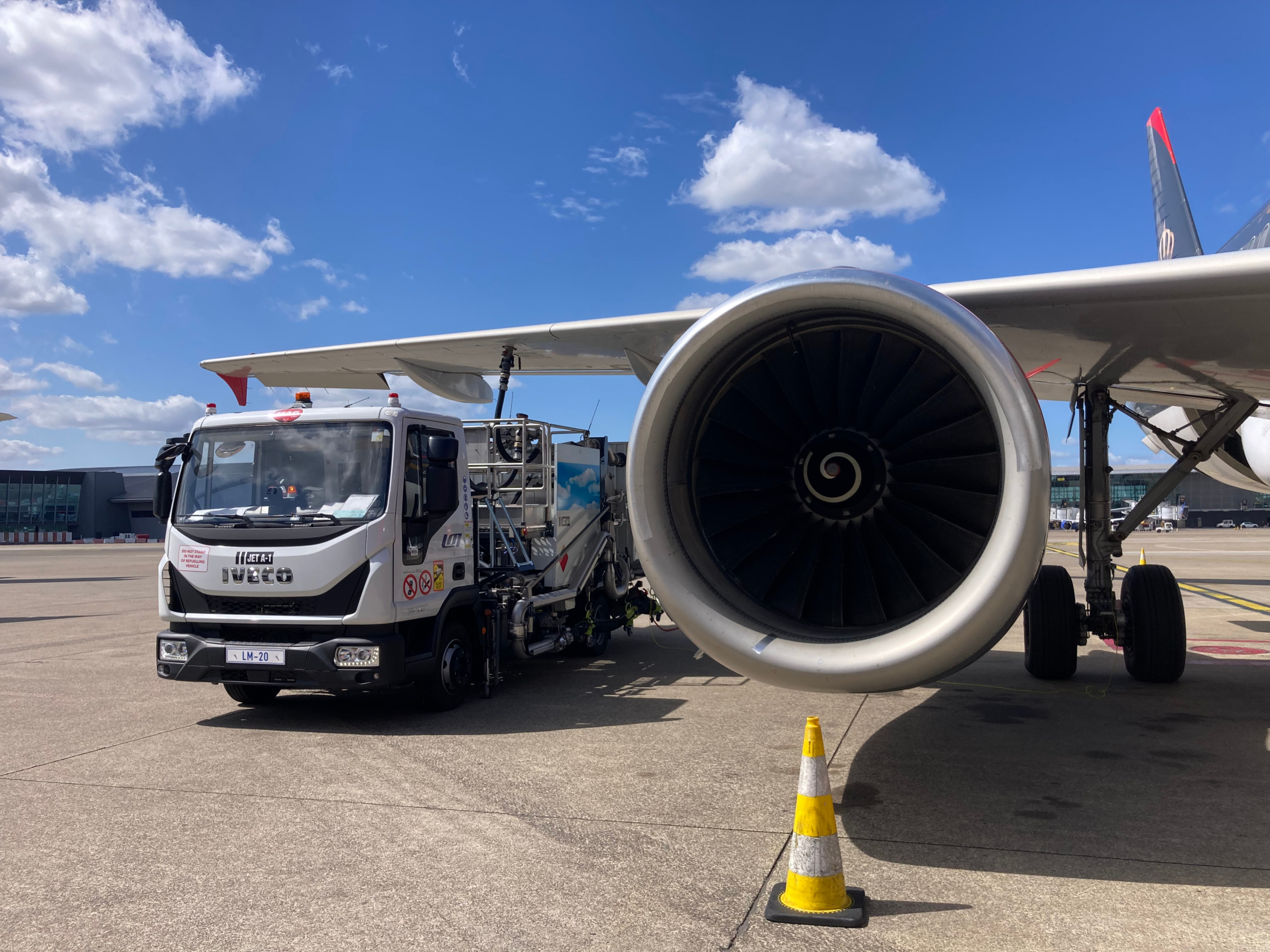
Europe is scrambling to secure jet fuel supplies as the blockade of the Strait of Hormuz chokes off Middle Eastern imports, forcing airlines to turn to the US and other alternative sources.
With almost no fuel flows from the Gulf reaching Europe in the eight weeks since hostilities between the US and Iran escalated, the region is facing a growing supply gap just as the summer travel peak approaches.
As reported by CNBC, analysts warn the issue is rapidly becoming less about absolute shortages and more about competition, as Europe is forced to bid aggressively for cargoes on the global market.
Europe jet fuel supply gap widens as Middle East imports collapse
Europe consumes around 1.6 million barrels of jet fuel per day but produces only about 1.1 million barrels domestically, leaving a shortfall of roughly 500,000 barrels that has traditionally been met through imports.
Historically, around 75% of those imports have come from the Middle East. Since late February, however, those flows have effectively dropped to zero.
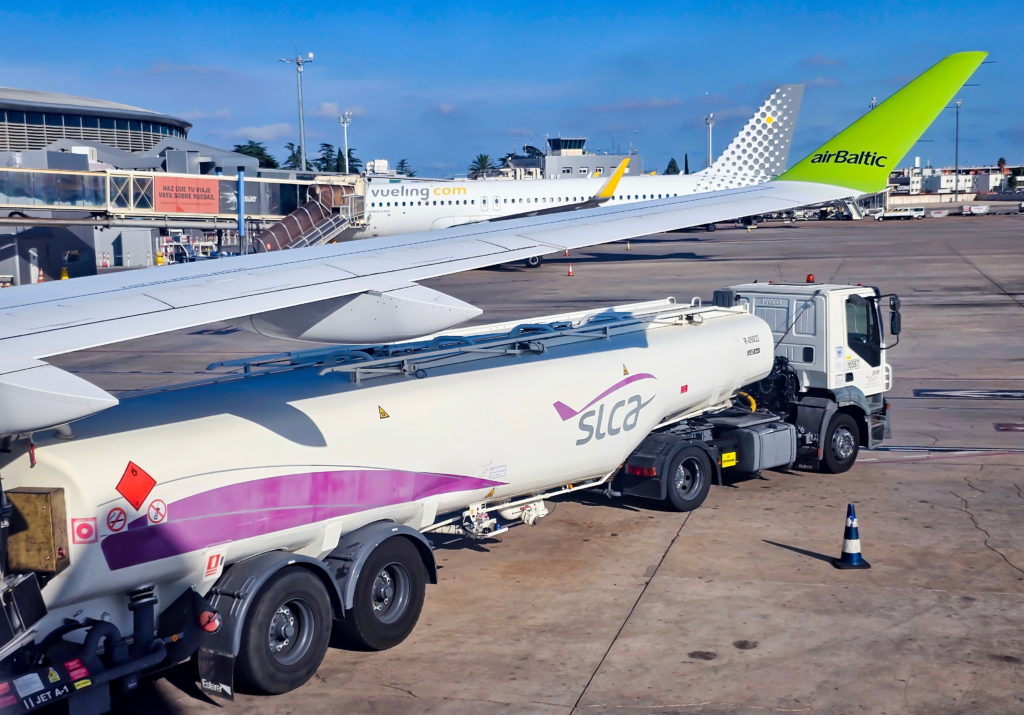
While stocks remain available, analysts at Société Générale warn they are being drawn down quickly and may not last through the summer without intervention.
Earlier this month, the head of the International Energy Agency (IEA) warned Europe could effectively run out of jet fuel within weeks unless alternative supplies are secured.
US jet fuel exports surge as Europe competes for supply
The United States has emerged as the most important alternative supplier, with exports rising sharply as global demand intensifies.
According to Société Générale, US jet fuel exports reached a record 442,000 barrels per day in early April, up from a five-year average of around 172,000 barrels.

Europe has significantly increased its intake, with imports from the US rising from around 30,000–60,000 barrels per day before the crisis to roughly 200,000 barrels today.
However, even this increase is not enough to fully replace lost Middle Eastern supply, leaving a structural deficit in the market.
The result is intensifying competition for available cargoes, pushing prices higher as buyers compete to secure shipments.
Exporters hold back supply, tightening the global jet fuel market
The challenge is being compounded by the behaviour of other fuel-producing nations, some of which are prioritising domestic supply over exports.
Countries including Singapore and China are already reported to be holding back jet fuel to protect local carriers, tightening global availability further.
While the US has continued exporting, there are growing expectations that domestic demand could take priority if shortages deepen, potentially limiting how much fuel is available to Europe.
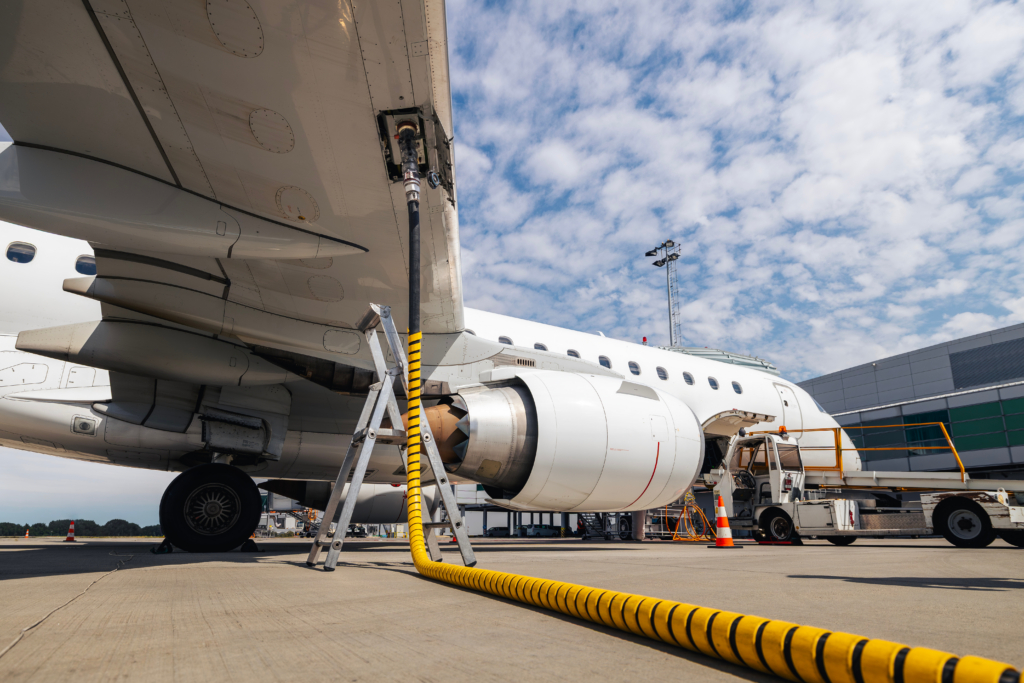
Within Europe itself, reliance on imports varies significantly. The UK, the region’s largest jet fuel consumer, sources around 65% of its supply from abroad, while Spain is typically a net exporter, highlighting uneven exposure to the crisis.
Efforts to ease the supply crunch are also being complicated by technical and regulatory constraints.
The European Union Aviation Safety Agency (EASA) is expected to issue guidance on the broader use of US-produced Jet A fuel alongside the Jet A-1 standard typically used in Europe.
While limited blending has been permitted, wider adoption could raise operational and safety considerations that airlines will need to manage carefully.
European airlines face rising costs and difficult choices
With fuel flows constrained and competition intensifying, European airlines are facing the prospect of sustained cost increases.
“Europe will therefore need to bid harder for additional cargoes to maintain summer inventories,” said Mike Haigh, head of FIC and commodity research at Société Générale.
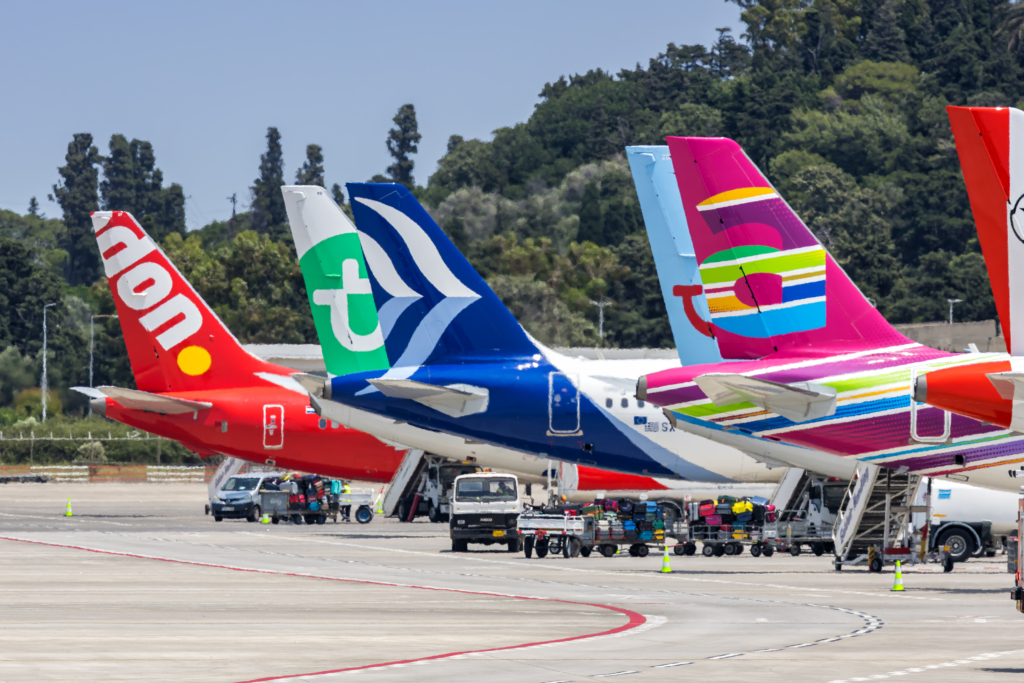
For now, airlines are absorbing higher prices or passing them on through fares and surcharges. But if costs continue to rise, carriers may be forced to take more drastic action.
That could include reducing capacity or cancelling flights to conserve fuel, particularly on marginal routes where profitability is already under pressure.
A supply shock with global consequences
The Strait of Hormuz typically handles around 20% of global seaborne jet fuel flows, making the current disruption one of the most significant shocks to aviation fuel markets in recent years.
While Europe is not yet out of fuel, it is increasingly being outbid for it, a dynamic that could reshape airline operations and pricing across the summer season.
Even with increased imports from the US, the gap left by the loss of Middle Eastern supply remains substantial, leaving airlines exposed to further volatility as the crisis continues.
Featured image: Niki / stock.adobe.com
Sign up for our newsletter and get our latest content in your inbox.


More from

October 25, 20265 min read


