China delays Airbus deliveries in push for COMAC certification

3 min read

China has reportedly been delaying final approvals for new Airbus deliveries in an attempt to pressure European regulators to expedite certification of the Chinese-built COMAC C919 jet.
According to a report first published by Bloomberg and cited by Reuters, China’s Civil Aviation Administration (CAAC) has been withholding the administrative approvals required for Airbus aircraft to formally enter service in China for several months.
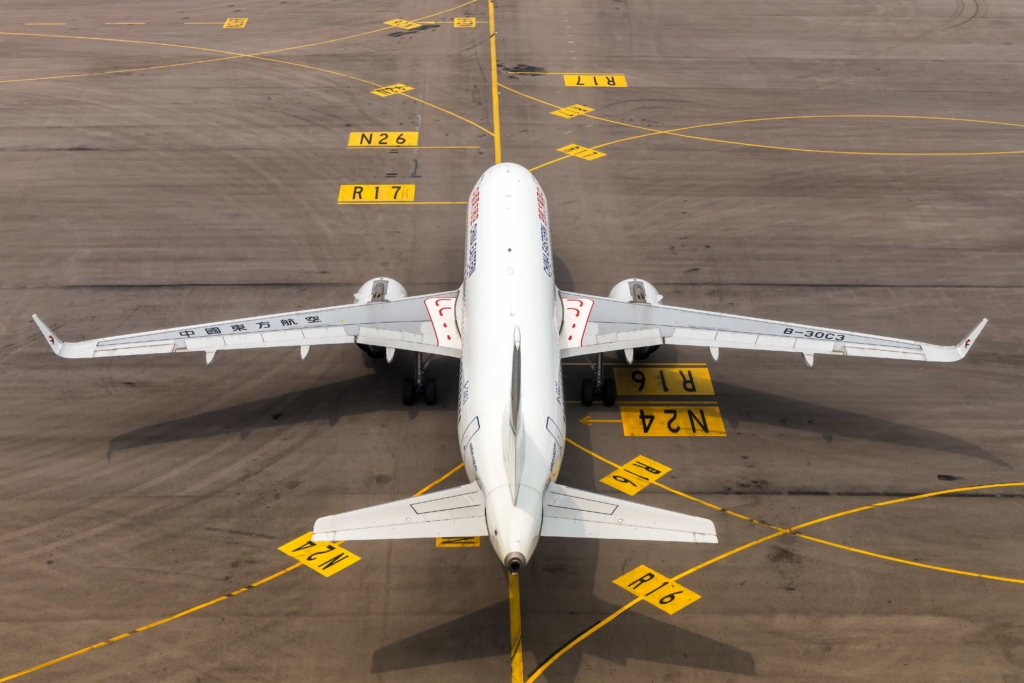
The move appears linked to frustration with the European Union Aviation Safety Agency’s (EASA) pace of certification work on the COMAC C919, China’s domestically developed rival to the Airbus A320neo and Boeing 737 MAX families.
The situation has entangled aircraft certification with geopolitical and industrial competition, particularly as China seeks to establish COMAC as a credible global competitor to the long-standing Airbus-Boeing duopoly.
Neither Airbus, CAAC, COMAC, nor EASA has commented publicly on the Bloomberg report.
Airbus delivery slowdown tied to “administrative” issue in China
The delayed approvals had already surfaced publicly during Airbus’s first-quarter earnings call in April. Airbus CEO Guillaume Faury reported that an administrative delay in China had temporarily blocked deliveries of nearly 20 aircraft intended for Chinese airlines.
The disruption contributed to Airbus posting its lowest first-quarter commercial aircraft delivery total since 2009. Airbus CFO Thomas Toepfer also said the manufacturer accumulated roughly €5 billion in excess inventory because completed aircraft could not be handed over to customers in China.
During the call, Faury played down the significance, saying, “The origin of the issue is behind us, and the corresponding deliveries have resumed.”
Why EASA approval matters for COMAC
EASA’s evaluation of the C919, China’s first domestically produced narrowbody jet designed to compete directly with Western single-aisle aircraft, has been a stumbling block for the C919 programme.
EASA certification would represent a major milestone for COMAC, allowing the aircraft to compete in international markets beyond China and a handful of closely aligned operators. Without European or FAA validation, many airlines and leasing companies remain reluctant to order the aircraft.
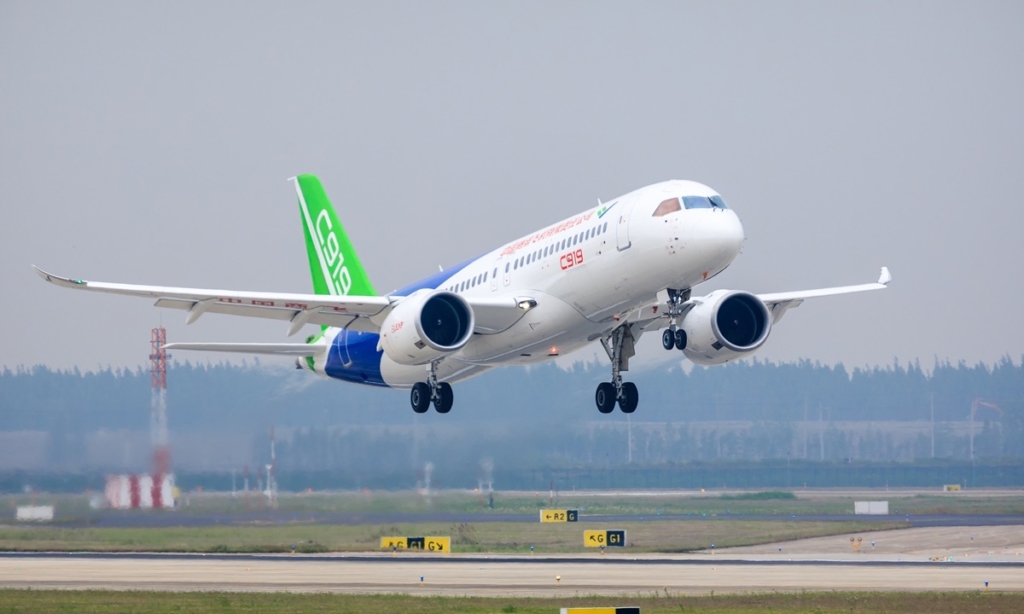
EASA began conducting evaluation flights of the C919 in Shanghai this January, as part of the certification process.
However, EASA Executive Director Florian Guillermet previously cautioned that approval could still take between three and six years giving regulators time to fully assess the aircraft’s design integration, systems and operational reliability.
That timeline is longer than the typical validation process for aircraft from manufacturers, like Airbus and Boeing, that operate under long-standing bilateral certification agreements.
Aviation certification caught up in geopolitics
The reported Airbus approval delays come as China accelerates efforts to reduce reliance on Western aerospace suppliers while building COMAC into a strategic national asset.
The C919 competes in the world’s most important narrowbody market segment, currently dominated by the Airbus A320neo family and Boeing 737 MAX. Although the aircraft is in commercial service with Chinese airlines, its international footprint remains limited.
For Airbus, China remains one of its most important growth markets. According to Airbus’ Global Market Forecast, China will take delivery of around 9,570 new aircraft over the next two decades. In its Global Services Forecast (GSF) published in January, Airbus identified China as the largest market by value, with value rising from US$24.8 billion in 2025 to US$63.8 billion by 2044.
“China is the largest single-country market for Airbus in terms of fleet in the world,” Airbus stated. “The year 2025 represented a strong growth in China, led by the domestic market, with the passenger volume growing by 17% compared to the pre-epidemic year 2019, while international traffic continues to accelerate, with over 90% recovery from the 2019 level. Ongoing investments in airport infrastructure and air traffic management have supported rising traffic volumes while maintaining high operational efficiency.”
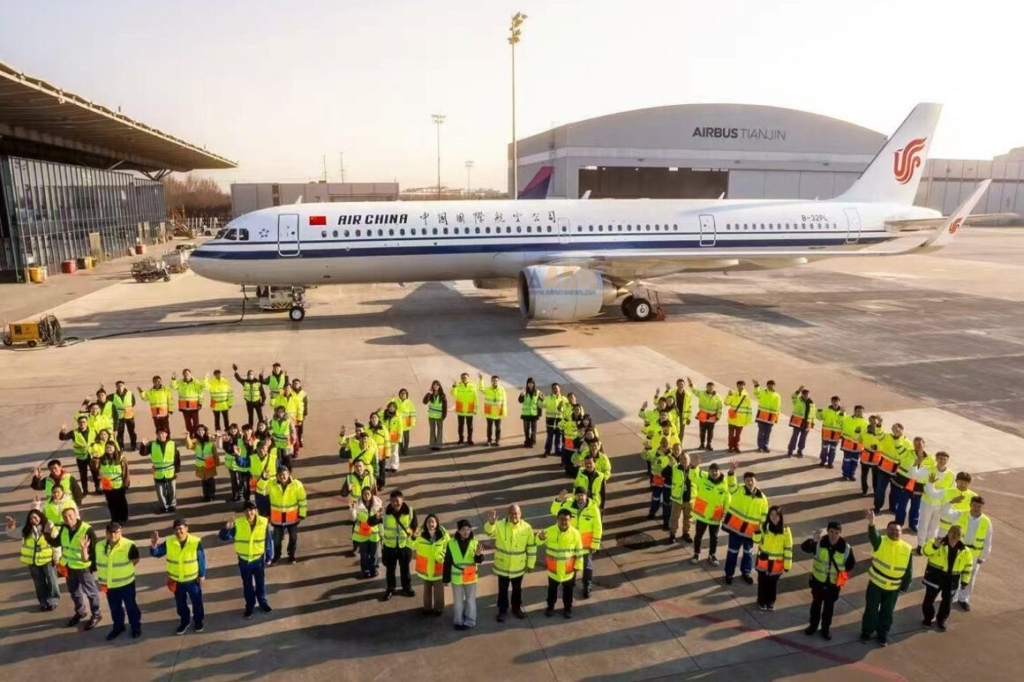
The manufacturer also maintains a major final assembly line in Tianjin, maintaining stable regulatory and political relations with Beijing.
But the latest approval delays by the CAAC deviate from a strictly technical, safety-focused process and instead respond to trade tensions amid competition between superpowers.
Featured Image: S5A-0043 / Wikimedia Commons