Air Baltic scales back route experimentation due to fuel price volatility

4 min read
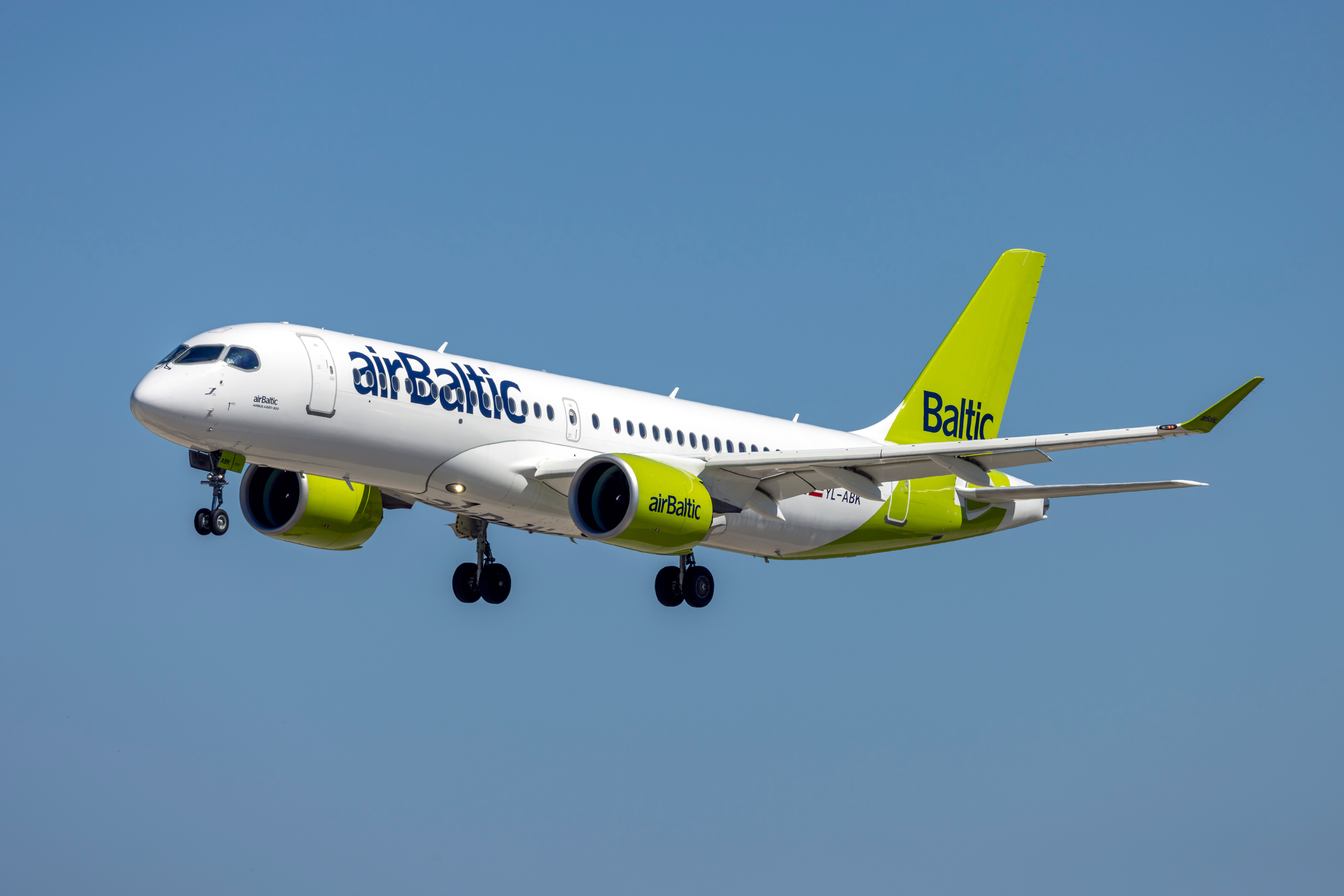
AirBaltic is pulling back from launching more “experimental” routes as the high cost of fuel and geopolitical instability force the Latvian Airbus A220 operator to prioritise financial prudence over expansion, a senior network planner at the carrier has said.
Speaking at the Routes Europe event in Rimini, Italy, Mantas Vrubliauskas, vice president of network management at airBaltic, said the airline’s appetite for testing new destinations had dropped “close to zero” compared with previous years, as uncertainty continued to weigh heavily on his team’s network planning decisions.
Fuel costs reshape route planning
“There are many airports and tourism authorities coming to us asking, ‘Are you going to launch this route or that route?’” he said. “I think we had more of an appetite for experimenting in the past. I think that appetite now is close to zero.”
Vrubliauskas said rising fuel prices had fundamentally altered the economics of route development, particularly for longer leisure services from the Baltics to southern Europe.
“We want to make sure that what we fly is sustainable,” he said. “We want to look at different scenarios of whether fuel is this or that [price], and whether [a particular route] would still make sense or not.”
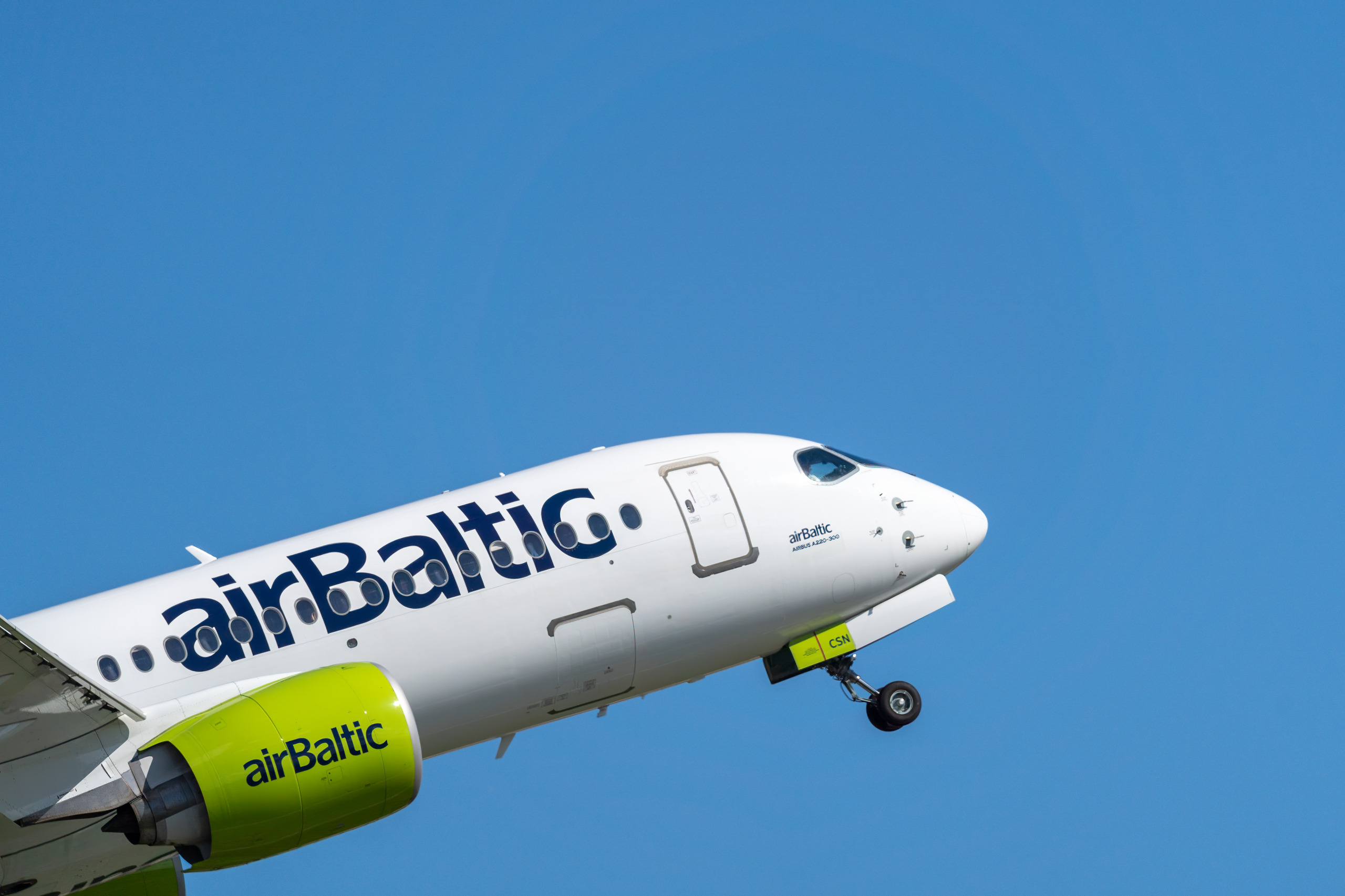
He revealed that the airline had recently reviewed at least one destination, which he did not name, where passenger demand remained strong but the underlying economics no longer worked.
“We just had a discussion recently with one airport where, if you look at the demand, it’s there. The flights are pretty full,” he said. “But then if you look at the costs and the revenues that we can generate, they just don’t match anymore, which means that this destination most likely will not be part of our network anymore.”
Longer routes still possible in future
AirBaltic is not abandoning ambitions for longer routes entirely, however, with Vrubliauskas indicating that future expansion was still on the cards when fuel price volatility had settled.
“Looking into something a bit more experimental – new, longer routes – I think it’s getting a bit harder with this uncertainty,” he said. “We have to make sure that fuel stabilises finally at some sort of level, and then we can again go back to maybe doing a bit more of this experimental stuff.”
The comments reflect the growing pressure facing European airlines as geopolitical crises from Ukraine to Iran combine with higher costs, airspace restrictions and supply chain disruption, to reshape how airBaltic and others plan their network strategies.

‘A never-ending sprint’
Vrubliauskas described the past year as “a never-ending sprint” for his airline management team.
“I think the feeling is that we run from one crisis to the next crisis,” he said. “We had the war breaking out, we had to figure out how to get our plane which was stuck in Dubai back to Riga, then we had to figure out how to get our passengers back from there and work together with governments to repatriate those passengers.
“Immediately once that was over, the fuel price started spiking up. Then we had to figure out what we do with our network and how we optimise and make sure that we’re not losing too much money.”
“It seems that we are just in this never-ending sprint of running from one problem to the next. That’s quite exhausting for all of us.”
Balancing profitability with passenger commitments
Despite the pressures being faced by airBaltic, Vrubliauskas said his airline remained focused on its responsibility to get passengers to their destination.
“At the end of the day, we understand that we have a mission,” he said. “We have a lot of passengers that count on us, and we try to make sure that whatever we do takes into account what our customers need as well.”
AirBaltic’s position in the north-east of Europe also presents unique challenges for route planning.
The airline operates many long leisure routes to southern European destinations that have remained highly popular among Latvian sun-seekers despite rising costs for the airline.
“When people go on vacation, they want to go as far south as they can, and those sectors tend to be the longest,” Vrubliauskas said. “Coincidentally, those flights are also very full because people want to get away.”

As a result, the carrier is sometimes committed to operating routes even where margins are being squeezed.
“We have a lot of passengers booked where we have promised to take them to their vacation, and even sometimes we know that perhaps those routes will not be very profitable,” he said. “There’s not much we can do about it.”
AirBaltic eyes more cautious growth ahead
Looking ahead, however, airBaltic plans to take a more cautious approach to future growth.
“I think when it comes to future planning, we have to be a bit more selective and careful,” Vrubliauskas concluded.
Featured image: gordzam / Wikimedia Commons
Sign up for our newsletter and get our latest content in your inbox.


More from

October 11, 20263 min read