AI teams MQ-4C Triton drone with P-8A Poseidon in maritime first

3 min read
Northrop Grumman and Boeing have completed what they describe as the first automated manned-unmanned teaming demonstration between an MQ-4C Triton maritime surveillance drone and a P-8A Poseidon maritime patrol aircraft.
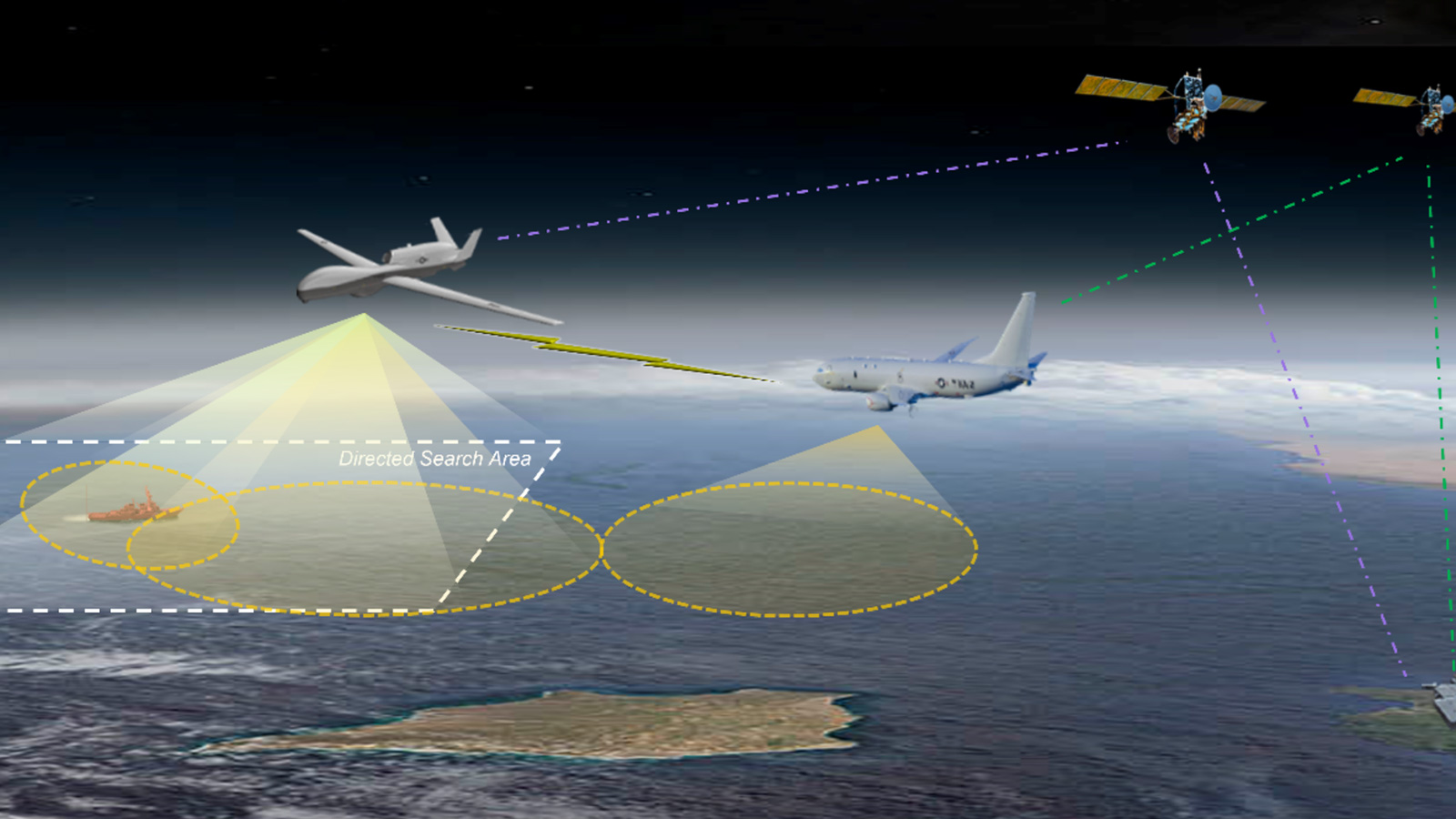
Conducted in a laboratory, the demonstration used artificial intelligence and open-system interfaces to allow the two aircraft systems to share intelligence, plan missions and coordinate maritime surveillance and anti-surface warfare tasks.
Northrop and Boeing team a Triton with a Poseidon
The teaming was achieved using AI and open systems architecture to enhance maritime ISR&T and anti-surface warfare interoperability, including decision speed and operator efficiency.
A P-8A operator instructed a simulated Triton to fly to a designated area. The Triton then autonomously planned the transit, tasked its sensors, processed the information onboard and returned its findings to the Poseidon.
🔱 Poseidon 🤝 Triton 🔱
— Boeing Defense (@BoeingDefense) August 5, 2026
In a recent lab demo, we teamed a P-8A Poseidon and MQ-4C Triton to share intelligence and automate mission control — all using universal standard interfaces.
See how we’re partnering for faster, smarter capability integration: https://t.co/DBjH5XODuu pic.twitter.com/sx6KPdZfCt
The data was routed partly through a satellite relay to recreate realistic operational communications. Rather than relying on a bespoke connection between the two aircraft, the mission-management systems exchanged instructions using Open Mission Systems and the Universal Command and Control Interface.
The effort was a jointly funded technology demonstration between Northrop and Boeing and was an effort to showcase the “ability for the two systems to collaborate and automate mission control over open systems architecture.”
The Triton and Poseidon exchanged maritime intelligence through a standardised interface that “enables machine-to-machine mission planning and execution across platforms.”
These common standards are intended to allow compatible US and allied platforms to communicate without requiring a new point-to-point integration for every combination of aircraft. Boeing and Northrop say this could reduce operator workload, accelerate decision-making and make new platforms easier and cheaper to connect.
Potentially relevant for US Navy, Australia, and NATO
The only export operator of the Triton is the Royal Australian Air Force (which also operates the P-8A), although a group of European NATO allies has announced they will purchase up to five of them for NATO missions.
Jane Bishop, vice president and general manager, global surveillance division, Northrop Grumman, noted the Triton and Poseidon are the backbone of the US Navy’s maritime patrol and reconnaissance force.
He said, “Our commitment to pushing the boundaries of advanced technology ensures that the U.S. and allied nations’ operators maintain an unparalleled edge against evolving maritime threats.”
The US & Australian navies’ leading maritime patrol aircraft
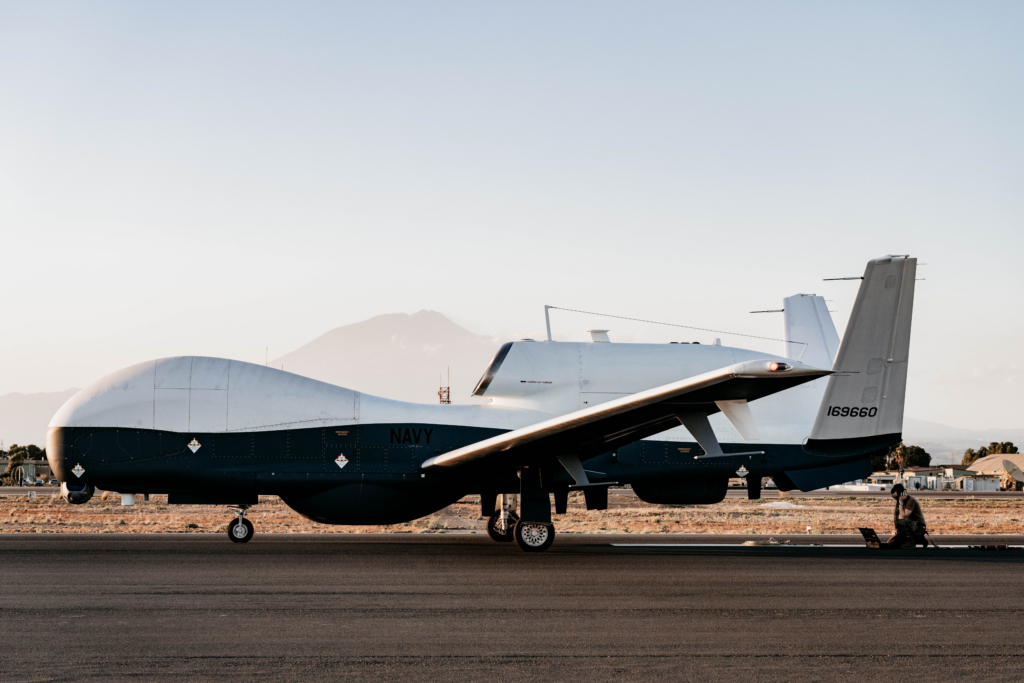
The MQ-4C Triton first flew in 2013 and entered service in 2018. The US Navy plans to acquire 68 production aircraft, with around 43 delivered by mid-2026. One reportedly crashed during Operation Epic Fury. Australia is purchasing four (three delivered).
Northrop Grumman describes the drone as “the world’s premier unmanned maritime intelligence, surveillance, reconnaissance and targeting aircraft.”
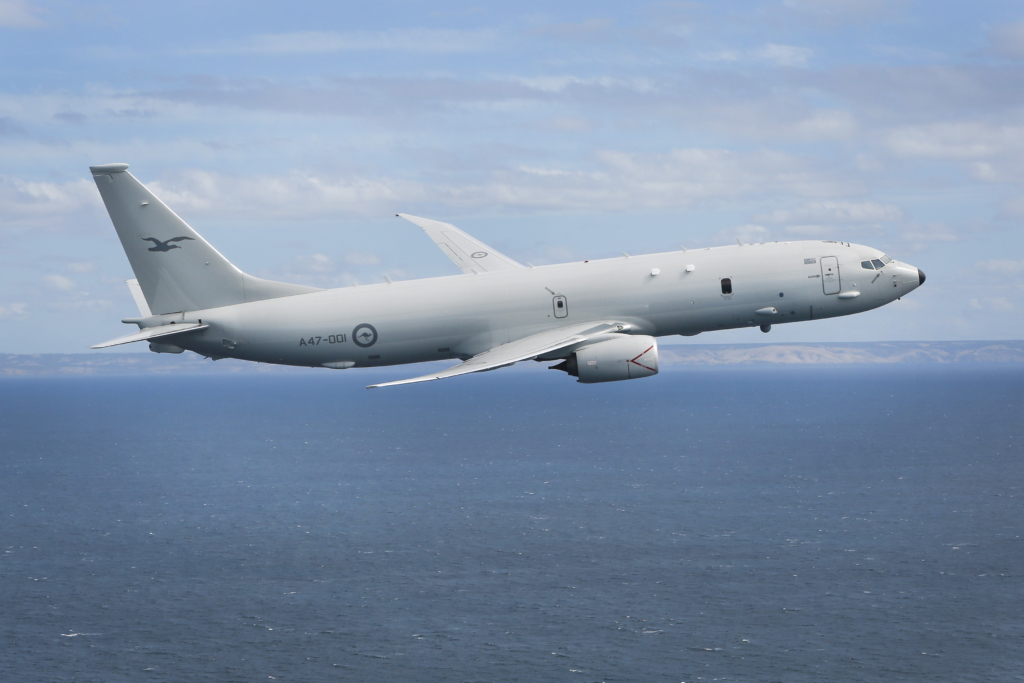
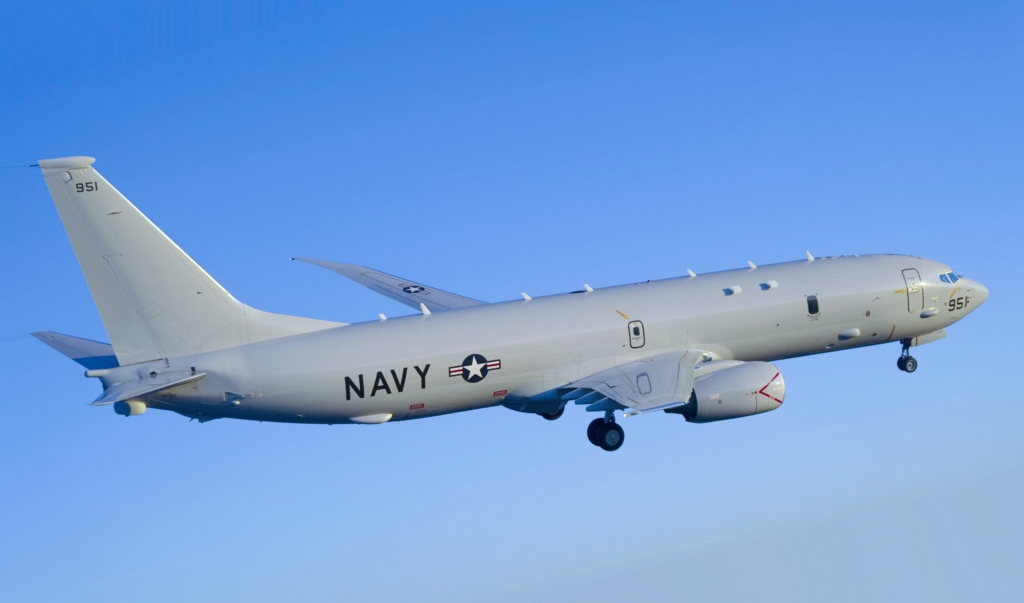
For its part, Boeing describes the Poseidon as “the world’s most advanced multi-mission maritime patrol and reconnaissance aircraft that provides anti-submarine warfare (ASW), anti-surface warfare (ASuW), intelligence, surveillance and reconnaissance (ISR), and search and rescue mission capabilities.”
Australia received the final aircraft from its order of 14 P-8A Poseidons in May 2026, while the US Navy operates around 136. The aircraft has also been ordered by New Zealand, the UK, Singapore, South Korea, Norway, Canada, Germany and India.
In US Navy service, these aircraft form part of a much broader network of ISR and command-and-control assets, including the E-2D Advanced Hawkeye. Data collected by these platforms is fused and shared across the fleet, allowing submarines, surface combatants and other aircraft to locate, track and, where appropriate, engage targets.
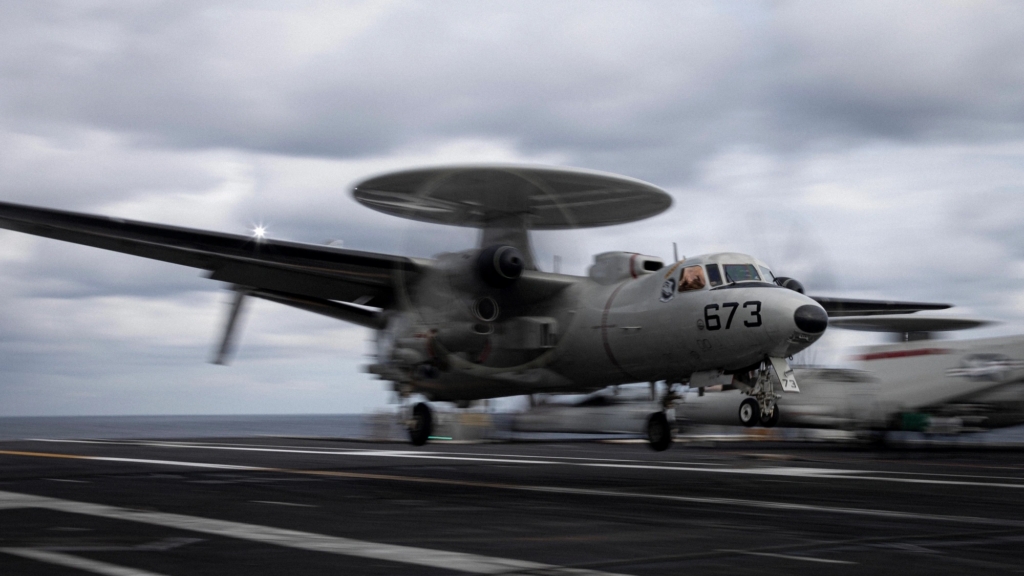
The Navy’s MH-60R Seahawk helicopters can prosecute submarine and surface contacts after aircraft such as the Triton, Poseidon or Hawkeye detect, classify or localise them.