

Indian Air Force expects first Tejas Mk1A squadron by March 2027 after years of delays

6 min read
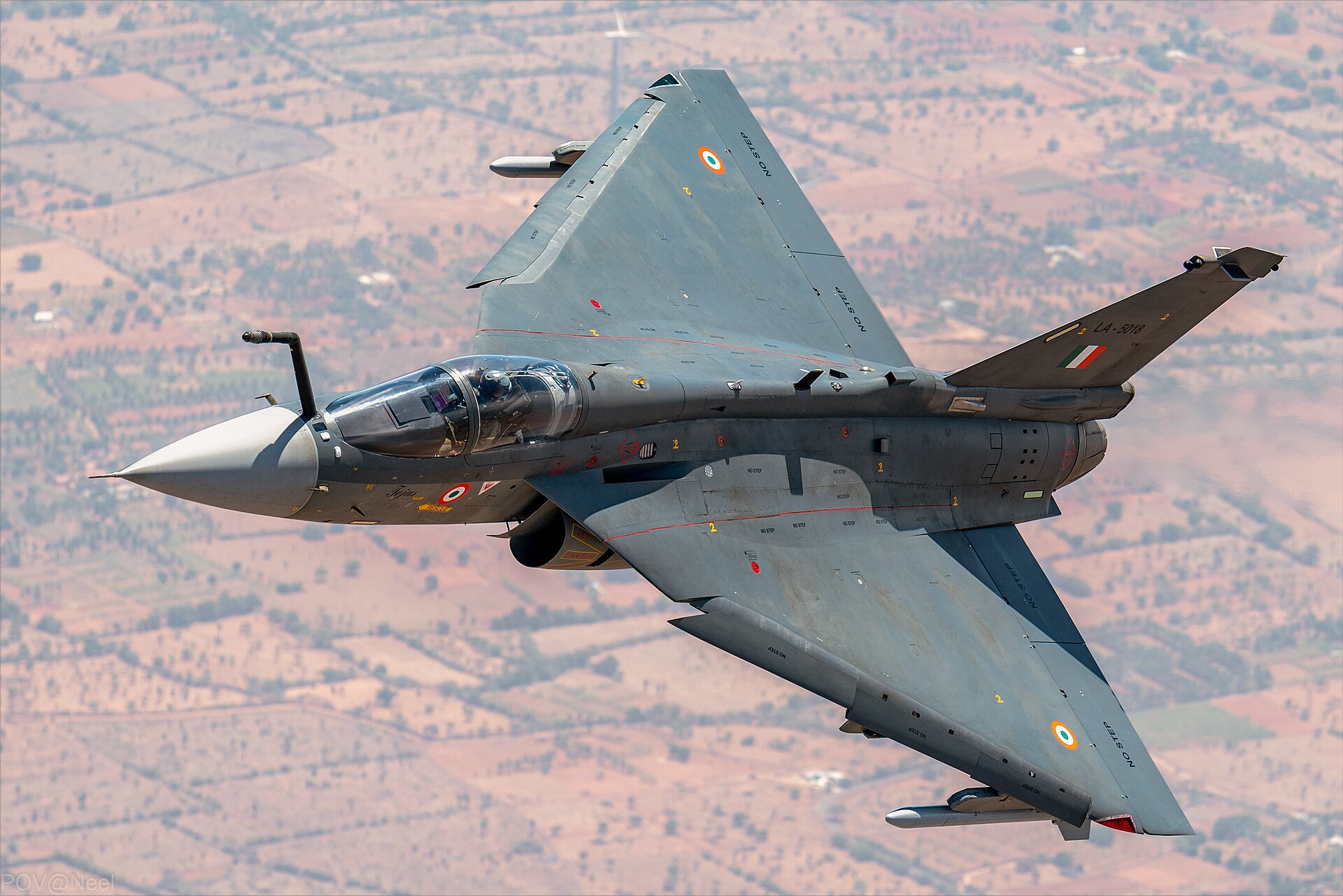

The Indian Air Force (IAF) expects to receive its first squadron of the long-delayed indigenous Tejas Light Combat Aircraft (LCA) Mk1A fighters by the end of March 2027, Air Chief Marshal Ashutosh Dixit has said, setting a new deadline for a programme critical to rebuilding India’s depleted fighter fleet.
Speaking at the ANI National Security Summit 3.0 in New Delhi on Monday, 16 November, the IAF chief said the aircraft would begin joining the service shortly, with enough jets expected during the current financial year to form a squadron.
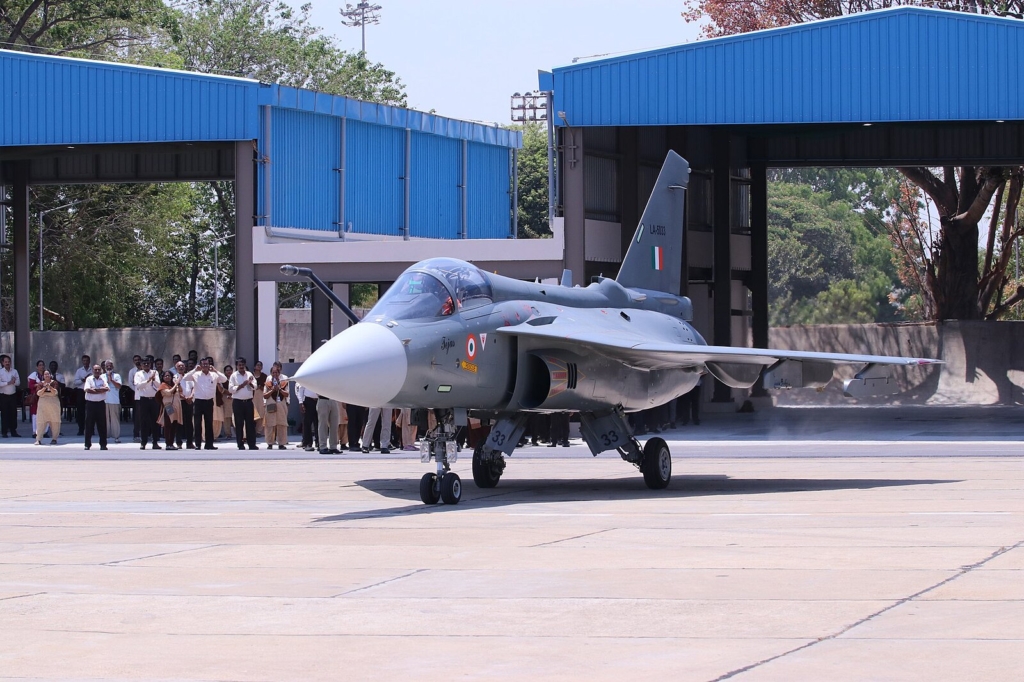
“Now the time has come, we will be creating a squadron of LCA Mark-1A…Very shortly, we will have LCA (Tejas) Mk1A joining the Indian Air Force. Within this financial year, we will have a squadron. Then we will continue developing; we will take it further… LCA Tejas Mark-2 will roll out maybe next year,” Dixit said in response to a question.
An IAF fighter squadron typically comprises around 18 aircraft. The service has ordered 180 Tejas Mk1A fighters, but deliveries have been repeatedly postponed because of delays in the supply of US-built engines and the integration of key combat systems.
The latest assurance comes as the IAF operates just 29 fighter squadrons against an authorised strength of 42, its lowest level in roughly six decades. The retirement of its ageing MiG-21 fleet has added urgency to the induction of replacement aircraft.
First Tejas Mk1A handover could come in January 2027
The IAF chief’s remarks follow indications that the first aircraft could be handed over early next year.
According to a 13 November report by The Print, citing an industry source familiar with the programme, the first one or two Tejas Mk1A fighters could be delivered in January, ahead of the Aero India exhibition in Bengaluru in February 2027.
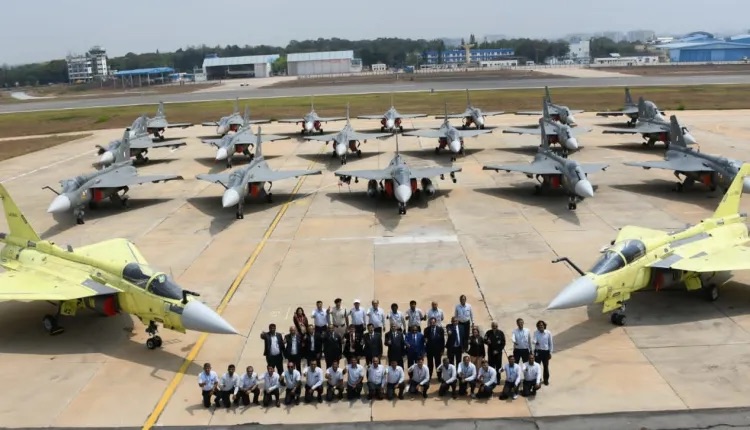
The report said some outstanding requirements involving the aircraft’s Israeli-origin radar and associated software were being addressed. The IAF could consider accepting the initial aircraft with limited concessions, provided the remaining capabilities are incorporated within an agreed timeframe.
This would represent a change from the service’s earlier insistence that the aircraft meet all contracted operational requirements before acceptance.
As AGN reported in February, Hindustan Aeronautics Limited (HAL) confirmed that five Tejas Mk1A aircraft were ready for delivery, while another nine had already been built and flown but were awaiting engines.
“An additional nine aircraft have already been built and flown. Upon receipt of engines from GE, these aircraft will be made ready for delivery,” an HAL spokesperson told AGN at the time.
HAL maintained that the five completed aircraft met the agreed technical specifications, but the IAF wanted further evaluation before accepting them.
The distinction between completing an aircraft and handing it over to the air force has become a recurring issue in the programme. Aircraft production, engine availability, weapons integration and operational certification must all come together before induction.
How GE’s F404 engine delays held up Tejas deliveries
The most persistent setback has been the supply of F404-GE-IN20 engines from GE Aerospace in the United States.
HAL’s original contract for 83 Mk1A aircraft, signed in February 2021, envisaged deliveries beginning in February 2024. However, disruptions in GE’s engine production and supply chain pushed the programme well beyond that deadline.
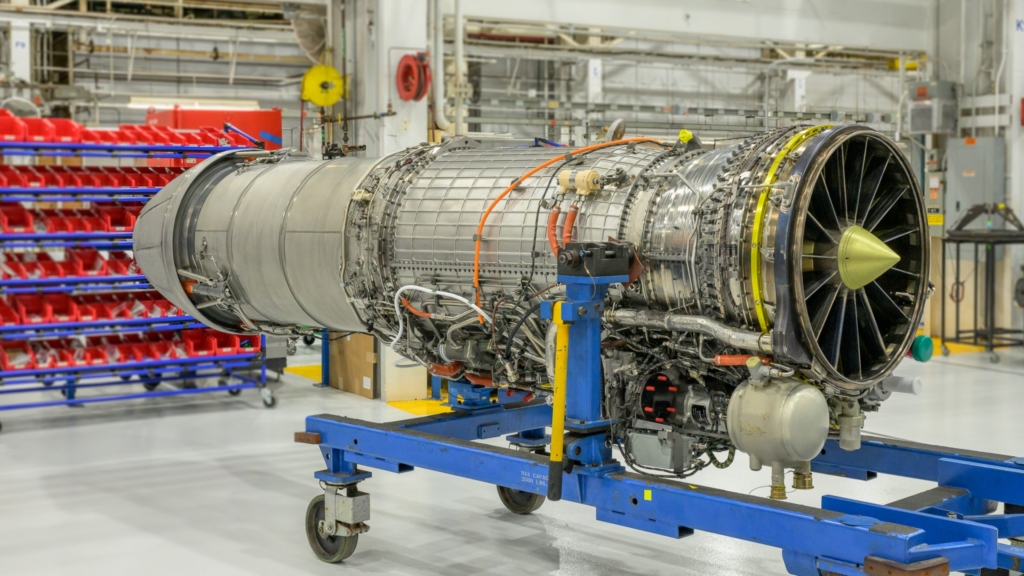
The first engine under a 2021 order for 99 units arrived only in March 2025, roughly two years later than originally planned.
According to The Print, GE had supplied 14 engines by September 2026, allowing HAL to progress with aircraft assembly and flight testing.
In November 2025, HAL signed a further agreement worth approximately $1 billion with GE Aerospace for 113 F404 engines to support the additional 97 Mk1A fighters ordered by India.
Deliveries under the new engine contract are scheduled to begin in 2027 and continue until 2032.
The engine supply difficulties have exposed the limitations of India’s drive for indigenous combat aircraft production. Although Tejas is designed and manufactured domestically, its propulsion system remains dependent on an overseas supplier.
India is also seeking to strengthen support for the engines already in service.
In April, GE Aerospace and the IAF agreed to establish an F404 engine repair and overhaul depot in India, which will be owned and operated by the air force.
GE will provide training, technical support, spare parts and specialist equipment.

“Through the upcoming depot facility, we will support the availability of the F404-IN20 engines for the Indian Air Force, ensuring they have ready access to cutting-edge technology to power their defence needs,” GE Aerospace’s Rita Flaherty said when the agreement was announced.
The facility is intended to reduce the need to send engines overseas for major maintenance, shortening repair times and improving fleet availability once larger numbers of Mk1A fighters enter service.
Nashik line gives HAL capacity to build 24 Tejas aircraft a year
Despite the delivery delays, HAL has expanded its production infrastructure.
The Tejas Mk1A made its maiden flight from HAL’s Bengaluru facility in March 2024. On 17 October 2025, the first aircraft built at the company’s new Nashik production line also took to the skies, with Defence Minister Rajnath Singh witnessing the flight.
The Nashik facility, developed at a cost of approximately INR 5 billion ($60 million), adds an annual capacity of eight fighters. Together with two existing Bengaluru lines, HAL now has the infrastructure to manufacture 24 Tejas aircraft annually.

In an exclusive interview with AGN in October 2025, then HAL chairman and managing director Dr D K Sunil said the new facility demonstrated the progress of India’s domestic aerospace industry.
“For the first time, Nashik is producing an aircraft that is entirely designed and developed in India,” Sunil said. “This is not just an industrial success; it’s a statement of how far our domestic ecosystem has come.”
He also expressed confidence that HAL could achieve full-rate production by the end of the 2026–27 financial year.
“The key bottlenecks we faced earlier—supplier maturity and tooling—have been resolved. We’ve invested in new infrastructure and tightened integration timelines across our partners,” he told AGN.
Why the Indian Air Force needs the Tejas Mk1A
The Tejas Mk1A is an improved version of India’s single-engine light fighter, incorporating an active electronically scanned array radar, upgraded electronic warfare systems, beyond-visual-range missile capability and improved maintainability.
The IAF’s 180-aircraft order comprises an initial 83 fighters contracted in 2021 and another 97 ordered in September 2025.

The programme is central to the service’s plans to replace ageing aircraft while building a larger indigenous fighter fleet.
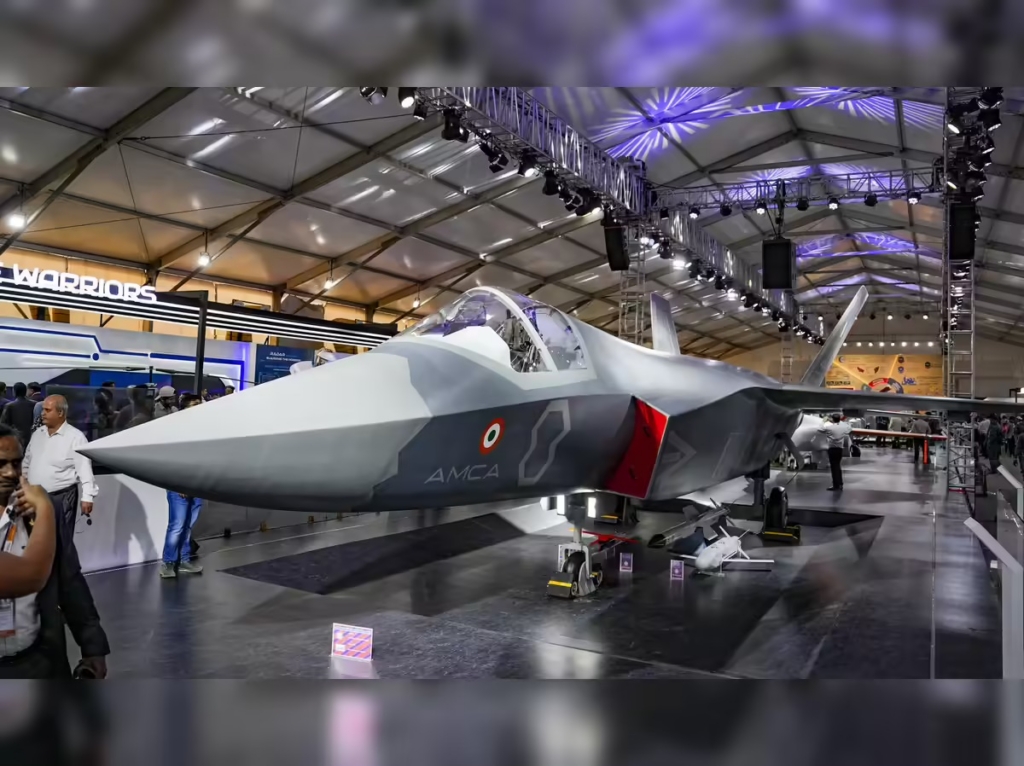
Dixit, who assumed command earlier this month, has identified the Tejas Mk1A, the larger Mk2 and the fifth-generation Advanced Medium Combat Aircraft as priorities for rebuilding combat strength.
The Mk2 remains under development, while the AMCA is progressing through the selection of an industrial partner to build its prototypes.
“With the IAF needing an estimated 36–40 new fighters annually to rebuild its squadrons, the March 2027 deadline will be an important test of whether India’s expanded manufacturing capacity can finally translate into operational aircraft,” says Huma Siddique, a defence analyst based in New Delhi.
Sign up for our newsletter and get our latest content in your inbox.