India’s AMCA decision could create a new combat aircraft force alongside HAL

4 min read

India expects to select within weeks the company that will build prototypes of its first indigenous fifth-generation stealth fighter, bringing a competition involving three private-sector bidders close to a decision.
Defence Secretary R K Singh announced the timeline at the ANI National Security Summit in New Delhi, where he said the evaluation of proposals for the Advanced Medium Combat Aircraft (AMCA) programme was nearing completion.
“I hope in about a month, we’ll be ready to announce the winner of that race. Thereafter, we hope it will lead to faster development of the AMCA prototypes and, thereafter, for induction,” Singh said.
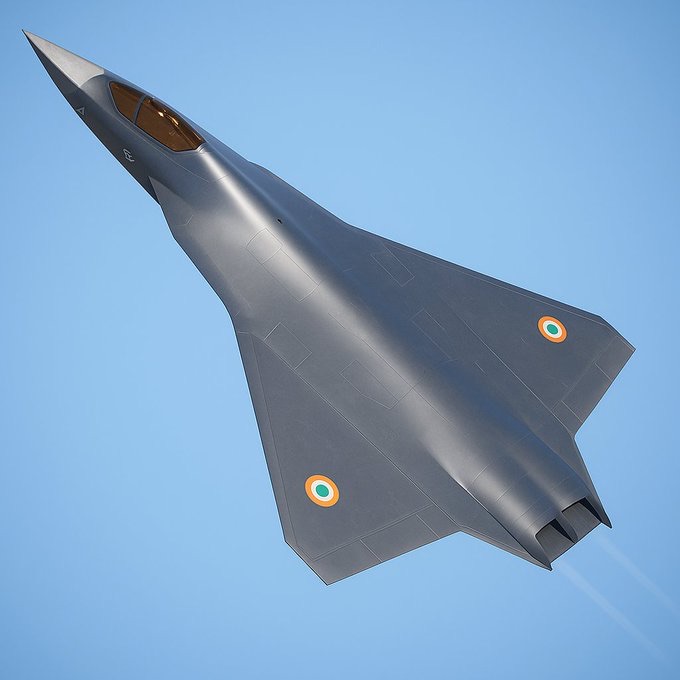
The announcement marks an important step in India’s efforts to develop a domestically designed stealth fighter and establish a new manufacturing base for advanced combat aircraft outside the traditional state-owned aerospace sector.
The three competing teams are TASL, bidding independently; L&T in partnership with Bharat Electronics Limited (BEL) and Dynamatic Technologies; and Bharat Forge alongside BEML and Data Patterns.
Their technical and commercial proposals are being evaluated before the government selects a development-cum-production partner to work with the Aeronautical Development Agency (ADA), the organisation responsible for designing the aircraft.
AMCA bids opened on 1 November
The latest announcement follows the opening of bids earlier this month.
According to a 16 November report in The Times of India, industry sources said the three contenders submitted their proposals on 30 October, the extended deadline, and the bids were opened on 1 November.
The newspaper reported that a high-level committee constituted by the defence ministry was evaluating the submissions for the INR150 billion ($1.6 billion) prototype development programme.

Aerospace Global News reported in September that the original 27 August deadline had been extended to 30 October after the shortlisted companies requested additional time to prepare their proposals.
The winner will be responsible for building five flying prototypes and a structural test article, establishing manufacturing facilities and supporting the aircraft’s extensive flight-test programme.
The development plan envisages approximately 1,800 test sorties over seven years to validate the aircraft’s flight controls, stealth characteristics, sensors, radar, weapons integration and propulsion systems.
The competition represents a significant departure from India’s previous combat aircraft programmes, which have relied heavily on Hindustan Aeronautics Limited (HAL) for manufacturing.
Why HAL is missing from the competition
HAL, which manufactures India’s Tejas fighter aircraft, participated in the initial AMCA selection process but did not advance beyond the technical and financial evaluation stage.
As AGN reported in February, seven companies and consortia initially expressed interest, but only three qualified for the subsequent bidding stage.
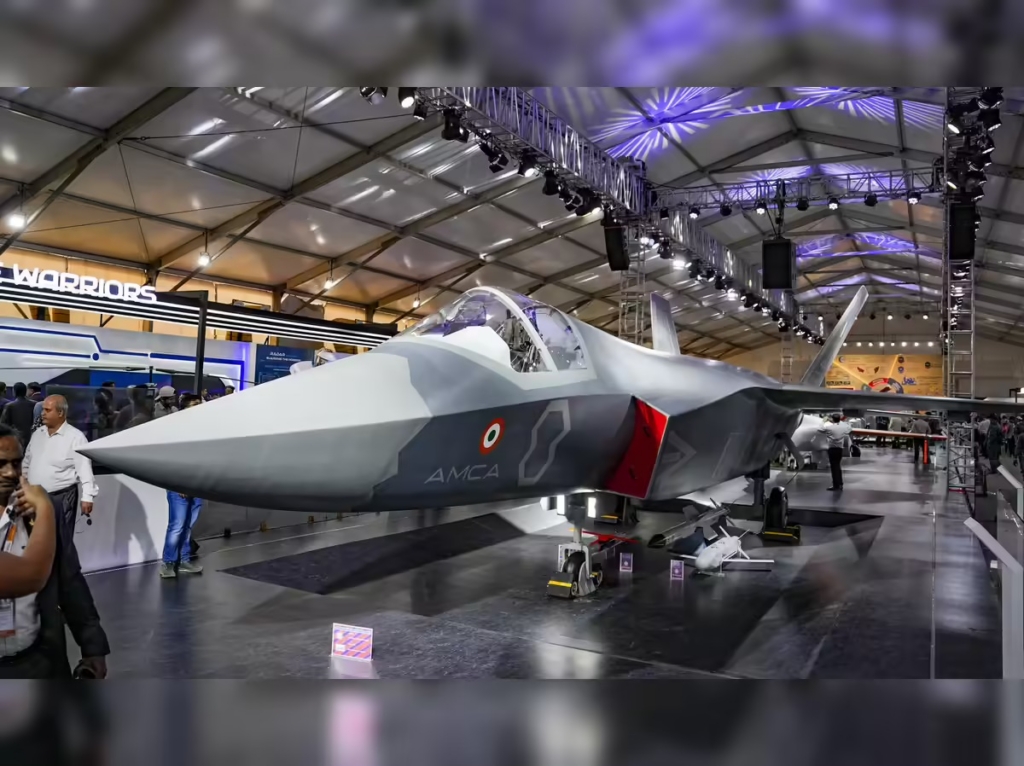
The decision brought private manufacturers to the forefront of India’s most ambitious indigenous fighter programme.
HAL subsequently told AGN that it had received no formal communication confirming its exclusion and was therefore unable to comment on the reports.
The three shortlisted bidders bring different capabilities to the competition.
Tata Advanced Systems has experience manufacturing aerostructures for international aerospace companies and is involved in the Airbus C295 military transport aircraft programme in India.
L&T’s consortium combines defence engineering and systems integration with BEL’s electronics expertise and Dynamatic Technologies’ aerostructures manufacturing capabilities.
The Bharat Forge-led group brings together precision manufacturing, heavy engineering and defence electronics expertise through its partners BEML and Data Patterns.
Selecting a private-sector partner could establish a second major combat aircraft manufacturing ecosystem in India alongside HAL.
What comes next for India’s stealth fighter?
The AMCA is being developed as a twin-engine, approximately 25-tonne fighter with low-observable shaping, internal weapons bays, advanced sensors and integrated avionics.
Its initial Mk1 version is planned to use GE Aerospace F414 engines. A more powerful engine developed through international collaboration is envisaged for the subsequent Mk2 variant.
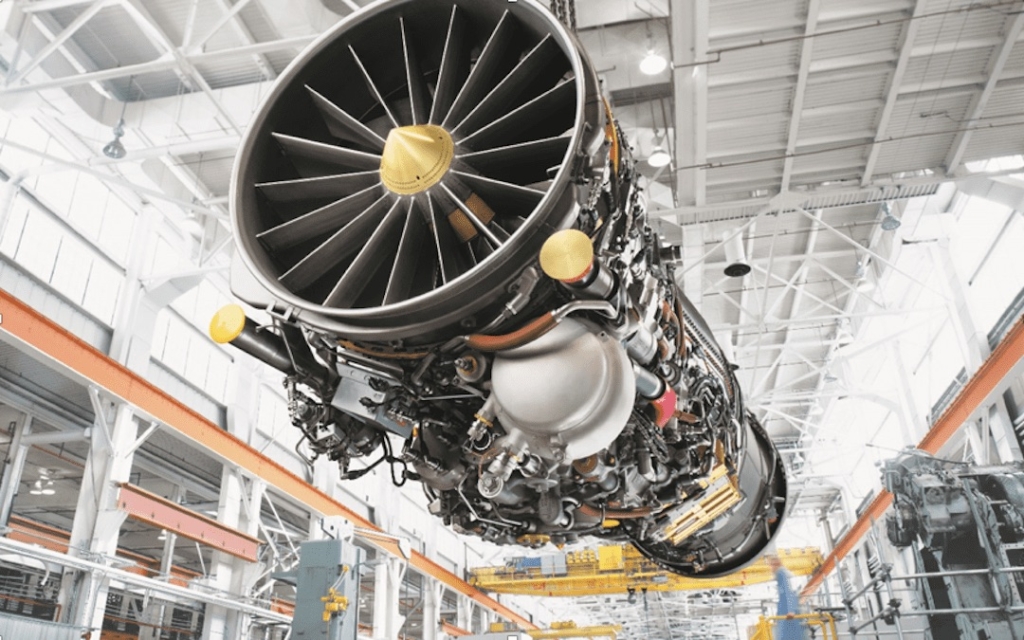
Engine development remains a separate challenge. Singh said at the summit that a workshop would be held in Bengaluru next month to examine the way forward.
India has been pursuing a high-thrust engine development arrangement with France’s Safran, while Reliance Industries and Rolls-Royce announced a competing industrial proposal in August.
AGN previously reported that the Reliance-Rolls-Royce partnership envisages developing an indigenous combat engine and establishing aerospace gas turbine capabilities in India.
The AMCA programme received government approval for its design and prototype development phase in March 2024.
Earlier planning envisaged a first prototype flight around 2029 and series production beginning around 2035, although those milestones will depend on the eventual contract and development progress.
The Indian Air Force is expected to require approximately six to seven AMCA squadrons, but the final production requirement has not been established.

India is seeking to develop the aircraft as China expands its fifth-generation fighter capabilities, including the J-20 and J-35.
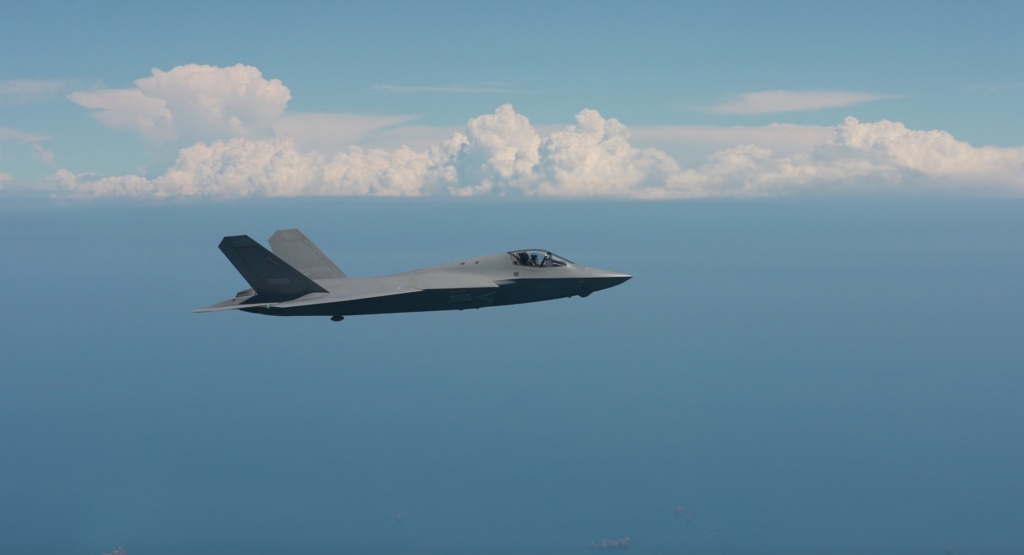
The immediate decision, however, is industrial. The company selected next month will have to turn ADA’s design into a flying stealth fighter and demonstrate that India’s private aerospace sector can deliver a combat aircraft of this complexity.