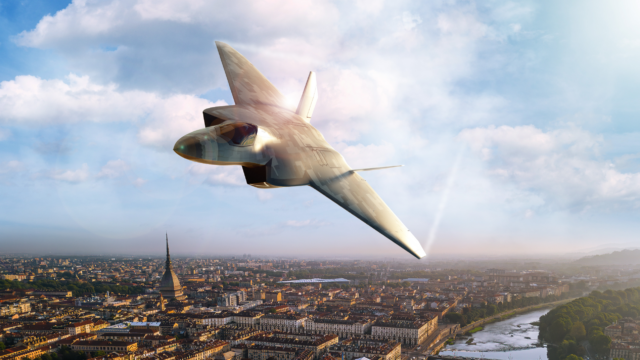
AMCA bid deadline extended: Here’s who is in the race to build India’s stealth jet

3 min read

India has given three private-sector teams an additional two months to compete for the contract to build prototypes of the country’s first indigenous fifth-generation fighter.
The deadline for Advanced Medium Combat Aircraft (AMCA) proposals has moved from 27 August to 30 October, with bids scheduled to open the following day. Indian defence officials said the extension was granted after the shortlisted companies requested more time to prepare their submissions.
The winning Development-cum-Production Partner will work with the Aeronautical Development Agency (ADA) to turn the AMCA design into flying hardware, establish manufacturing infrastructure and support its flight-test and certification campaign.
Five prototypes and a structural test article are planned. The first prototype is required to fly within 30 months of contract signature, while the development programme is expected to include approximately 1,800 test sorties over 84 months.
Tata Advanced Systems
Tata Advanced Systems Limited is the only company competing independently rather than as part of a consortium.
TASL already manufactures aerostructures and components for international aerospace companies and has experience delivering complete military aircraft from India. Its portfolio includes production of the Airbus C295 transport aircraft in partnership with Airbus Defence and Space.
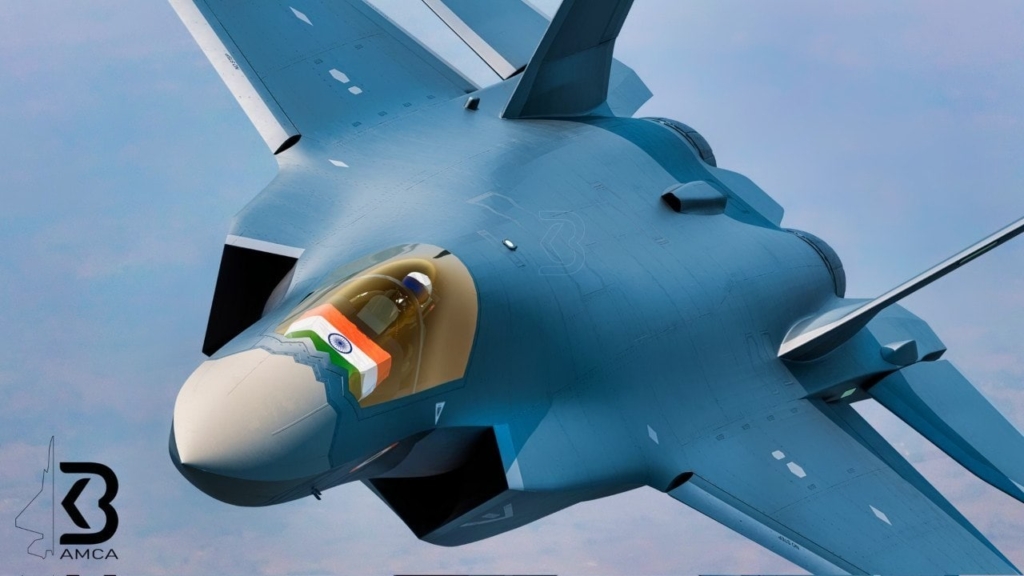
Winning the AMCA competition would establish Tata as a second major Indian combat-aircraft manufacturer alongside Hindustan Aeronautics Limited.
Larsen & Toubro, BEL and Dynamatic Technologies
Larsen & Toubro is leading a consortium with Bharat Electronics Limited and Dynamatic Technologies.
L&T contributes experience in complex defence engineering and systems integration, while state-owned BEL is one of India’s principal defence-electronics companies. Dynamatic Technologies already manufactures aerospace structures for domestic and international customers.
Together, the companies offer a combination of programme integration, electronics and aerostructures expertise.
Bharat Forge, BEML and Data Patterns
The third team brings together Bharat Forge, BEML and Data Patterns.
Bharat Forge provides advanced manufacturing and precision-engineering capabilities, while BEML has extensive experience producing military and heavy vehicles. Data Patterns specialises in defence and aerospace electronics, including radar, avionics and electronic warfare systems.
The consortium would need to combine those capabilities into an organisation able to manufacture and support a sophisticated stealth aircraft.
Why is HAL absent from the AMCA competition?
The most notable feature of the shortlist is the absence of HAL, which leads production of India’s Tejas fighter and manufactures numerous military aircraft under licence.
HAL participated in the initial AMCA process but did not progress beyond the technical and financial evaluation. The company subsequently said it had received no official communication confirming its exclusion.
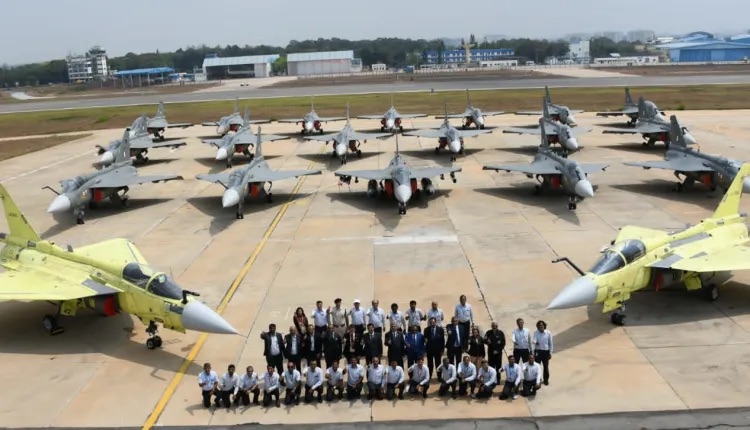
Opening AMCA to private companies represents a significant departure from earlier Indian combat-aircraft programmes, where HAL became the principal manufacturing organisation.
The competition is therefore about more than assembling five prototypes. Its winner could become the foundation of a second major combat-aircraft manufacturing ecosystem in India.
When could the AMCA fly?
Current programme planning envisages the first AMCA prototype flying around 2029, development concluding during the following decade and series production beginning around 2035.
The approximately 25-tonne, twin-engine fighter is being designed with low-observable shaping, internal weapons bays, sensor fusion and advanced avionics. The initial AMCA Mk1 is expected to use GE Aerospace F414 engines, while the later Mk2 is planned around a more powerful indigenous engine, with Safran currently leading the competition to develop it in partnership with India’s GTRE.
India approved INR150 billion ($1.65 billion) for AMCA design and prototype development in 2024. The Indian Air Force is expected to acquire approximately six to seven squadrons, although the eventual requirement and production total have not yet been finalised.
Sign up for our newsletter and get our latest content in your inbox.


More from


October 17, 20265 min read


October 17, 20264 min read