


Boeing uses AI-powered drones to speed up C-17 aircraft inspections

3 min read
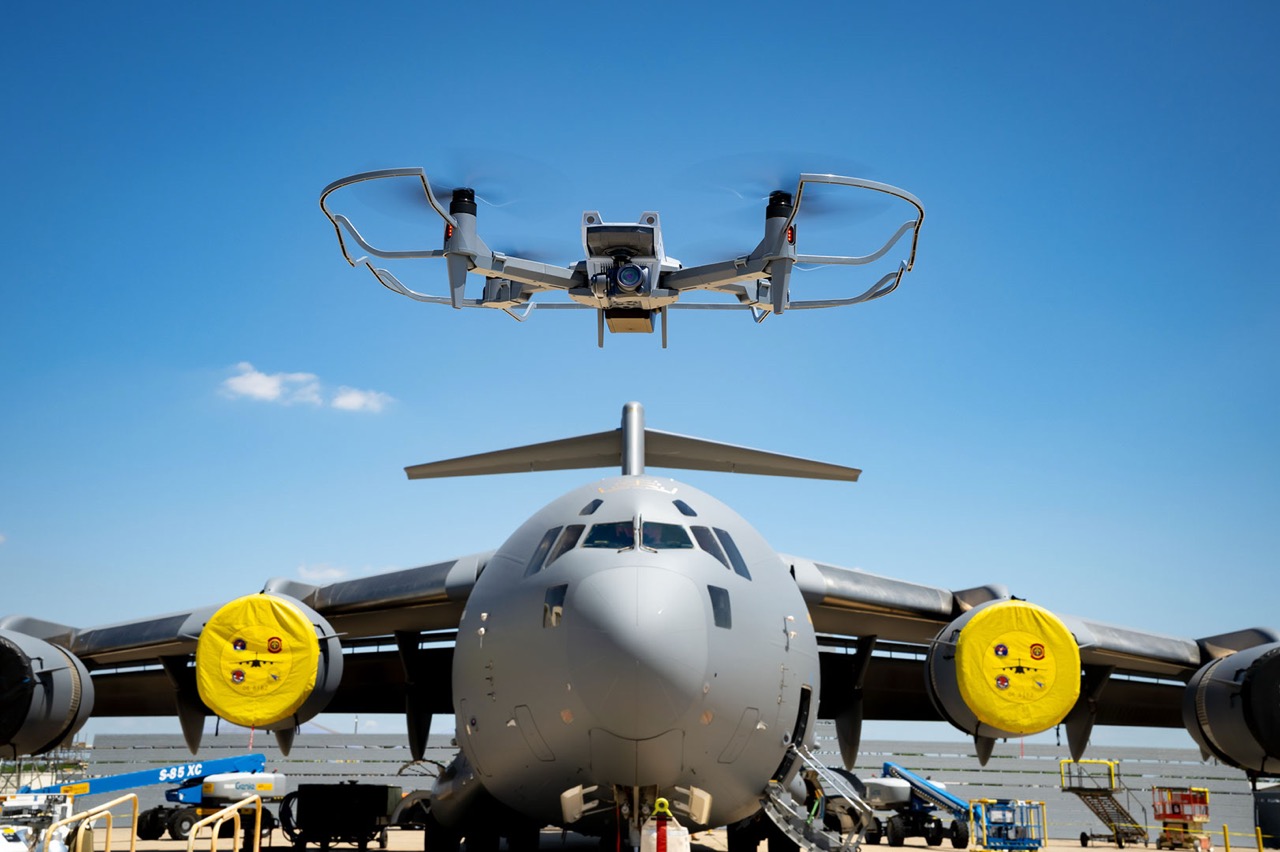
Boeing is testing drone inspections of C-17 Globemaster III transport aircraft at its San Antonio maintenance facility in Texas.
Under its Advanced Aircraft Inspection (AAI) programme, camera-equipped drones fly around the aircraft and photograph its exterior.
Boeing’s Automated Damage Detection Software (ADDS) checks the photographs for possible damage. Technicians then review the findings.
Boeing says the approach could shorten inspections and reduce risky work on elevated platforms.
How Boeing’s drone inspections work
Inspectors normally check the fuselage, wings and other external surfaces from platforms or other access equipment.
The drones photograph areas that would otherwise need close-range inspection. The software flags anything that warrants a closer look. The photographs also give maintenance teams a record they can compare with later inspections.
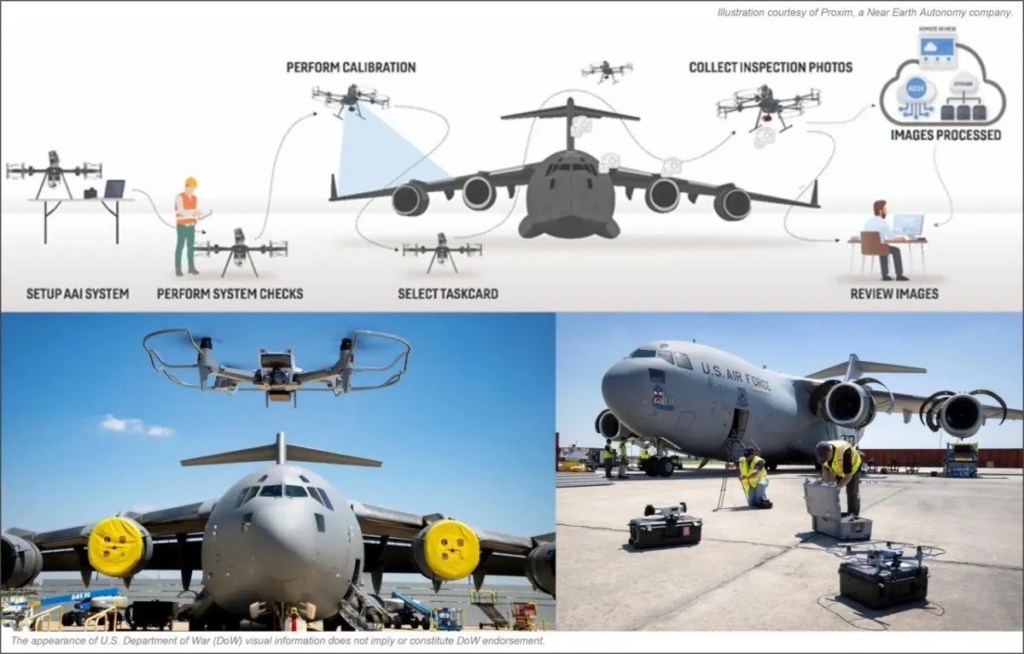
Boeing is training the software to spot damage such as corrosion and lightning strikes. The software does not make the final assessment. Maintenance staff must examine suspected defects and decide what work is needed.
Boeing says it has tested the main inspection procedures and developed guidance for staff training and quality checks.
Boeing aims to improve aircraft availability
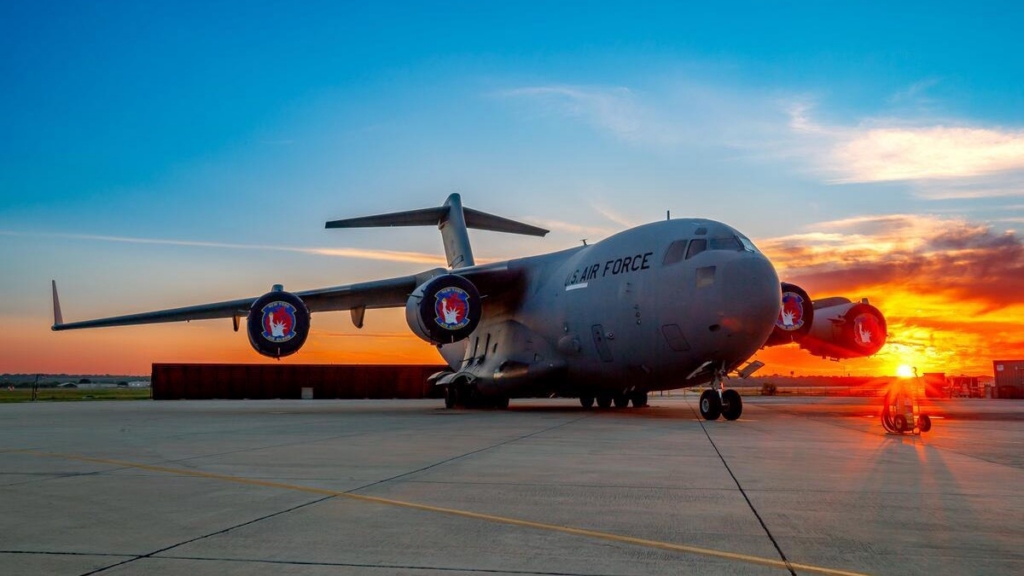
A shorter inspection could return a C-17 to service sooner. The US Air Force and other operators use the C-17 to carry troops, vehicles and equipment, so reducing maintenance downtime is critical.
The drones could also improve worker safety by reducing the need for inspectors to climb onto aircraft or use raised work platforms.
“AAI is about turning innovation into operational value,” said Travis Williams, Boeing vice president of Mobility and Surveillance Aircraft Services. “We’re delivering measurable improvements and building a repeatable capability that can be scaled as we validate outcomes.”
The San Antonio team is still refining the process before wider use.
Drone inspection technology already tested on other military aircraft
The latest announcement follows several years of development involving Boeing and autonomous flight specialist Near Earth Autonomy. Boeing invested in the company through its HorizonX Ventures arm in 2017.
As Defence News reported in 2023, the companies tested autonomous inspections at Joint Base Pearl Harbor-Hickam in Hawaii. Early trials proved drones could collect images during inspections and transmit them for automated analysis. Each image is linked to a location on the aircraft so inspectors can check the same area again.
The National Centre for Manufacturing Sciences (NCMS) has also published results from the inspection programme.
NCMS reports that the system cut inspection time by at least 40% during C-17 heavy maintenance visits. The C-17 detection model identified more than 95% of anomalies in each scan.
The technology has also been tested on other military aircraft, including the KC-46 Pegasus, KC-135 Stratotanker, P-8 Poseidon, EA-18G Growler and C-5 Galaxy.
AI becomes part of Boeing’s wider C-17 maintenance strategy
Boeing is also using aircraft data to help plan C-17 maintenance. In April, the company introduced Aircraft Data Reasoner, software that examines aircraft data for signs of component problems.
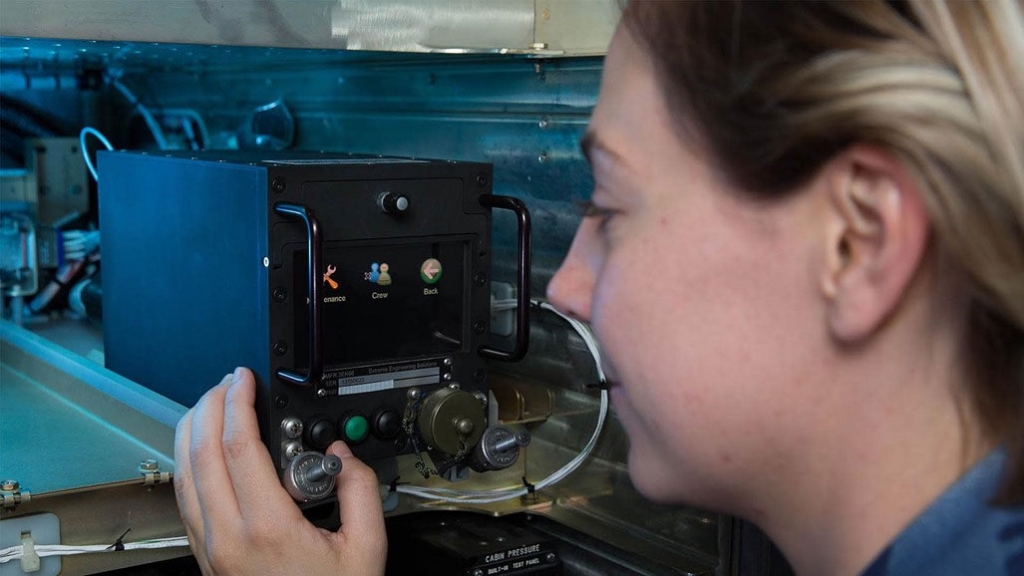
“With the Aircraft Data Reasoner, operators gain near‑real‑time insight into component health so we can act before failures occur. That predictive visibility not only improves C-17 mission readiness and reduces unscheduled downtime, but it also drives smarter parts positioning and sustainment decisions across the fleet,” said Williams.
Boeing said an analysis of historical service data indicated a 2%–3% increase in aircraft availability.
In July, Boeing announced plans to work with Pelico on maintenance scheduling and parts supply.
Boeing wants to extend the drone inspection process to other maintenance sites and other aircraft. Its military and commercial maintenance teams are sharing what they learn from the trials.
Sign up for our newsletter and get our latest content in your inbox.


More from


November 5, 20262 min read

November 5, 20265 min read


