


Ukraine reports five Russian MiG-31s and Su-34s struck at Savasleyka

3 min read
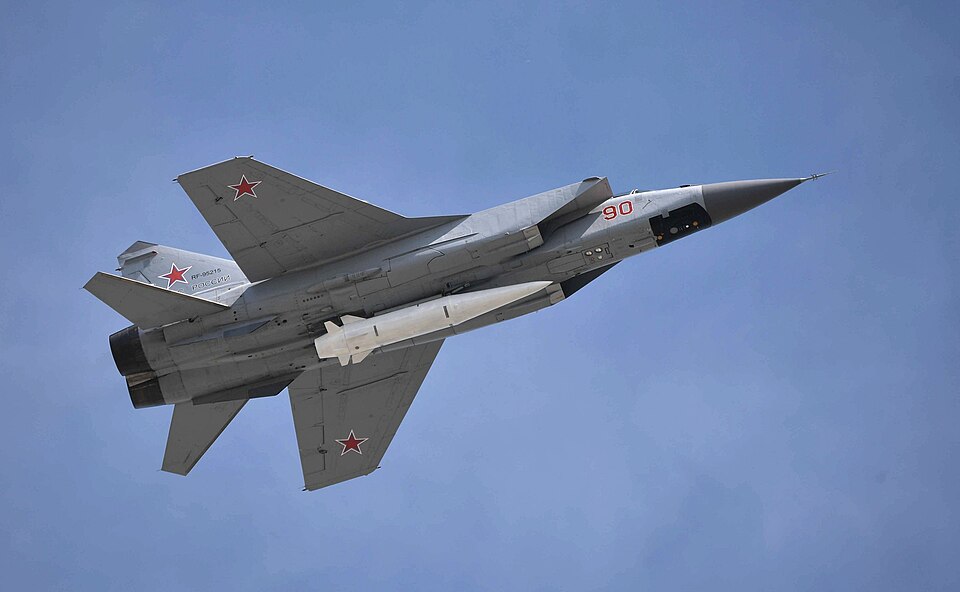

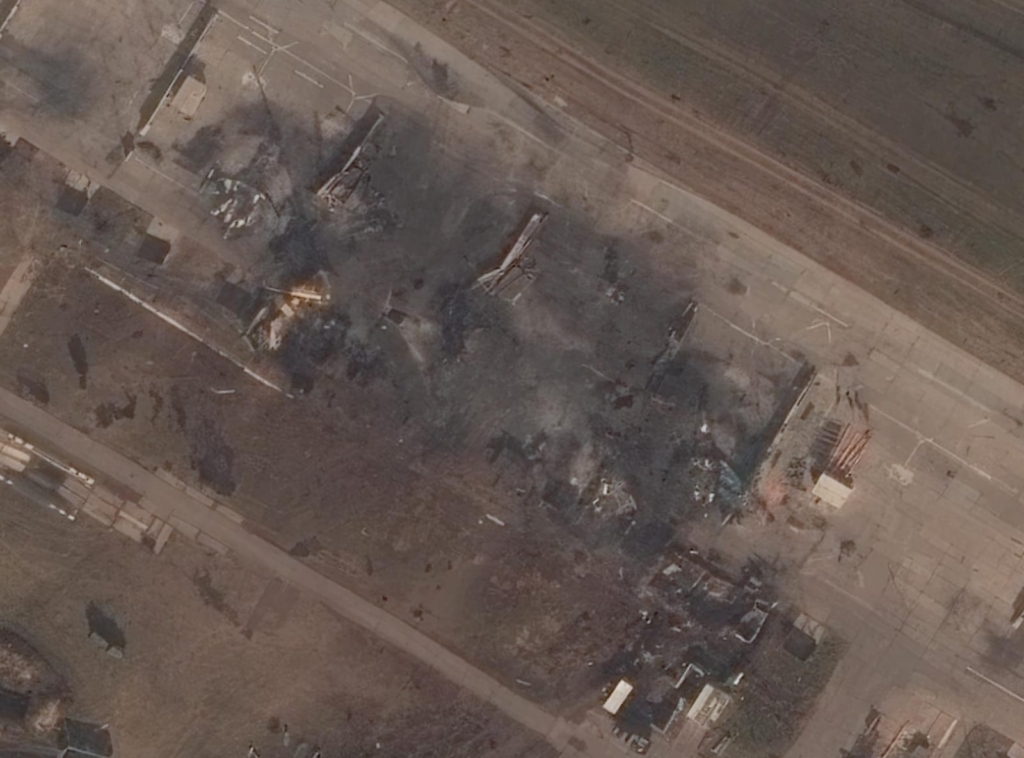
Another five Russian combat aircraft may have been damaged or destroyed on the ground in the latest Ukrainian strike, according to reports. If true, the strikes add to mounting losses for Russian warplanes on the ground in recent months.
Videos purporting to show burning MiG-31s and Su-34s have circulated online, but their authenticity could not be independently verified.
No verified satellite images have yet been released.
Ukraine claims to have hit another five Russian fighters
Yesterday, the Ukrainian General Staff reported having destroyed five Russian fighters at the heavily defended Savasleyka Airfield. It said, “According to preliminary information, three russian MiG-31s and two Su-34s were hit and will be unable to fly for some time.”
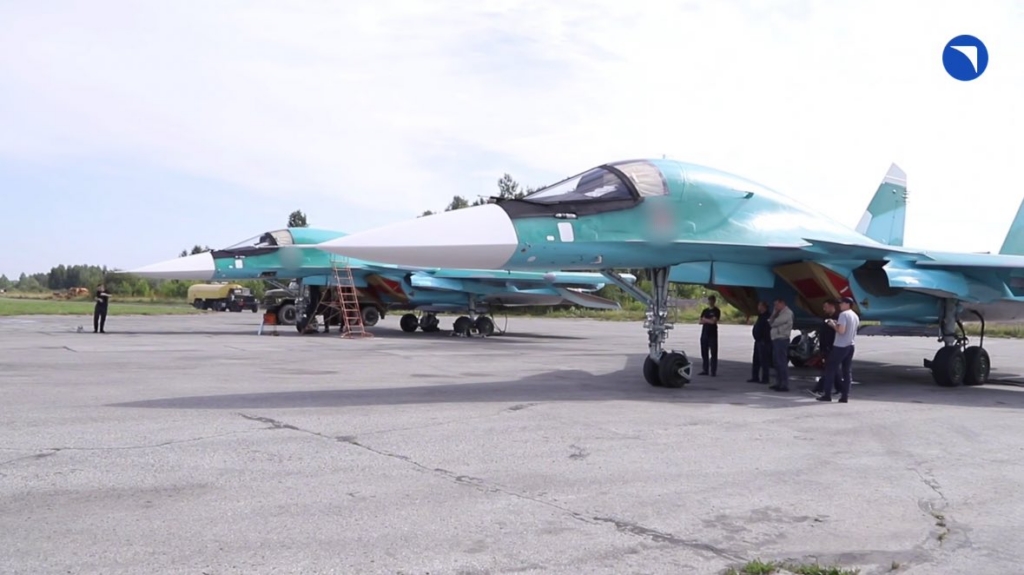
The MiG-31 Foxhound interceptor is regarded as the world’s fastest in-service fighter jet, while the Su-34 is a fighter-bomber heavily used for glide-bomb attacks. Neither is a multirole fighter.
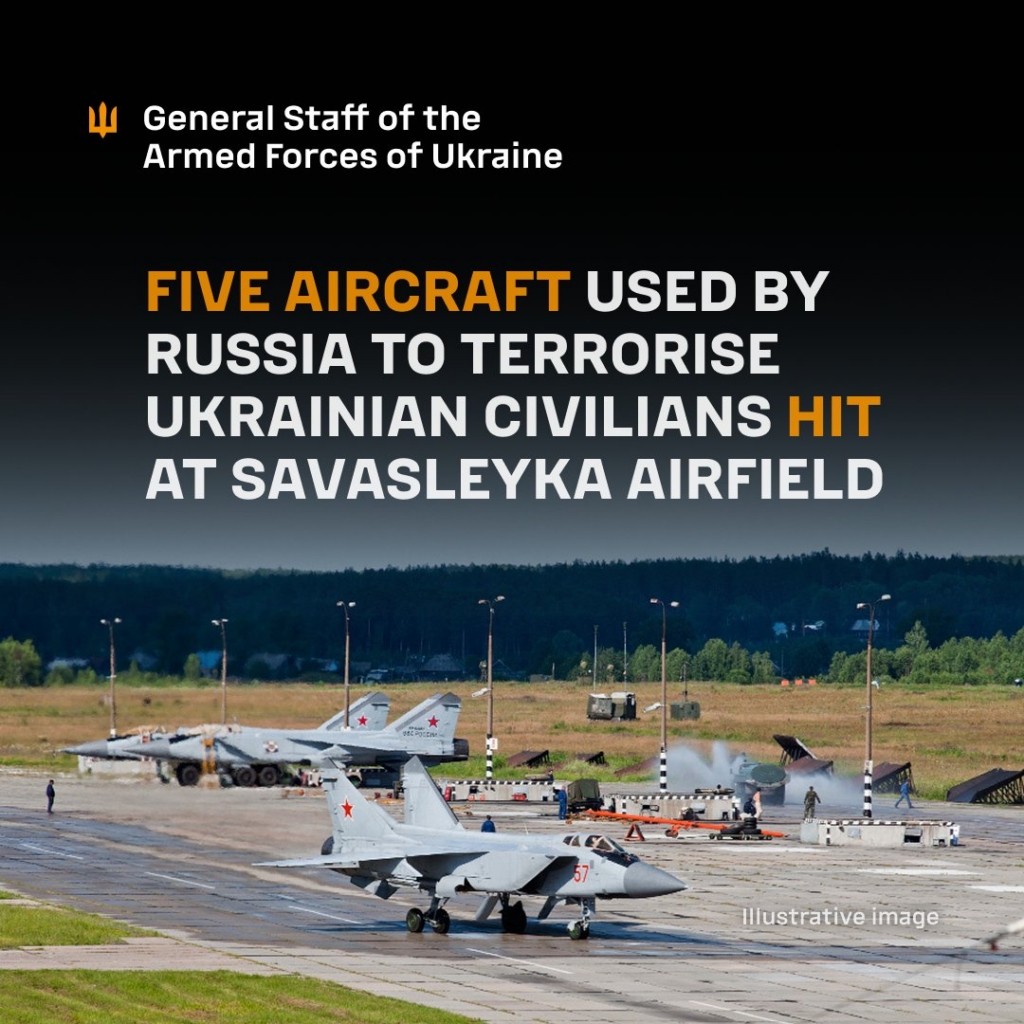
Ukraine added that the extent of the damage and the exact number of aircraft struck are still being verified, while adding “there may be even better news to come.”
The BBC also reported on the strike, but largely repeated the same Ukrainian report.
Savasleyka Airfield is where Russian MiG-31 interceptors take off carrying high-Mach Kinzhal missiles used to strike Ukrainian cities.
If the Ukrainian claim that five Russian fighters were rendered inoperable, the losses would amount to roughly 1% of some estimates of Russia’s modern fighter inventory.
A bad streak for Russian combat aviation
The reported strike follows Russia’s loss of around 13 combat aircraft in October, including up to six Su-34s in a single strike and a Su-34 and Su-35 in another.
In November, another three helicopters were reported by Russian sources as shot down over St. Petersburg due to friendly fire, and a Russian Navy Ka-27 helicopter was reportedly destroyed with its Merkury corvette in Libya.
Ukraine has also teased to have damaged or destroyed three unspecified Sukhoi aircraft last week, but no evidence has emerged. Additionally, Ukraine has damaged or destroyed a Russian Il-76 strategic transport on the ground.
AGN has reported on a steady stream of new fighter deliveries to the Russian Air Force. These appear to be enough to sustain the core fighter jet fleet, but arguably not the wider fleet suffering from combat losses, mishaps, wear and tear, and general obsolescence.
Russia has been modernizing Soviet-era MiG-31s to the MiG-31BM/BSM/K variants. At the start of 2026, the think tank Rusi estimated Russia had 125-130 examples in inventory.
The OSINT analyst Jakub Janovsky estimated Russia may have around 64 operational, alongside around 140 operational Su-34s. Overall, he estimated Russia’s modern fighter fleet to be around 475 aircraft, excluding dated types like MiG-29s and Su-27s.
Rusi estimated around 560 modern fighters, largely due to higher MiG-31 numbers.
Russia’s combat aircraft losses
The closely watched Russian Telegram account, Fighter-Bomber, did not confirm or deny the MiG-31 and Su-34 strikes. Fighter-Bomber is an account run by the retired Russian Su-34 pilot called Ilya Tumanov.
Instead, he posted, “If we divide aviation losses into categories, the picture looks like this: – 40% – aircraft destroyed on the ground – 30% – accidents for various reasons, plus airframe life exhaustion – 10% – friendly fire – 20% – enemy air defence.”
He then added jokingly, “Of course, this isn’t happening to us. I have no idea where it is happening, though.”
Tumanov then went on to explain how Russia could better defend its aircraft on the ground.
Sign up for our newsletter and get our latest content in your inbox.