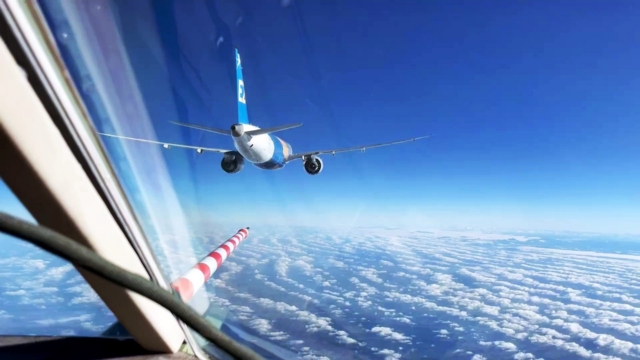


What went wrong for Norse Atlantic? How the dream unravelled

6 min read
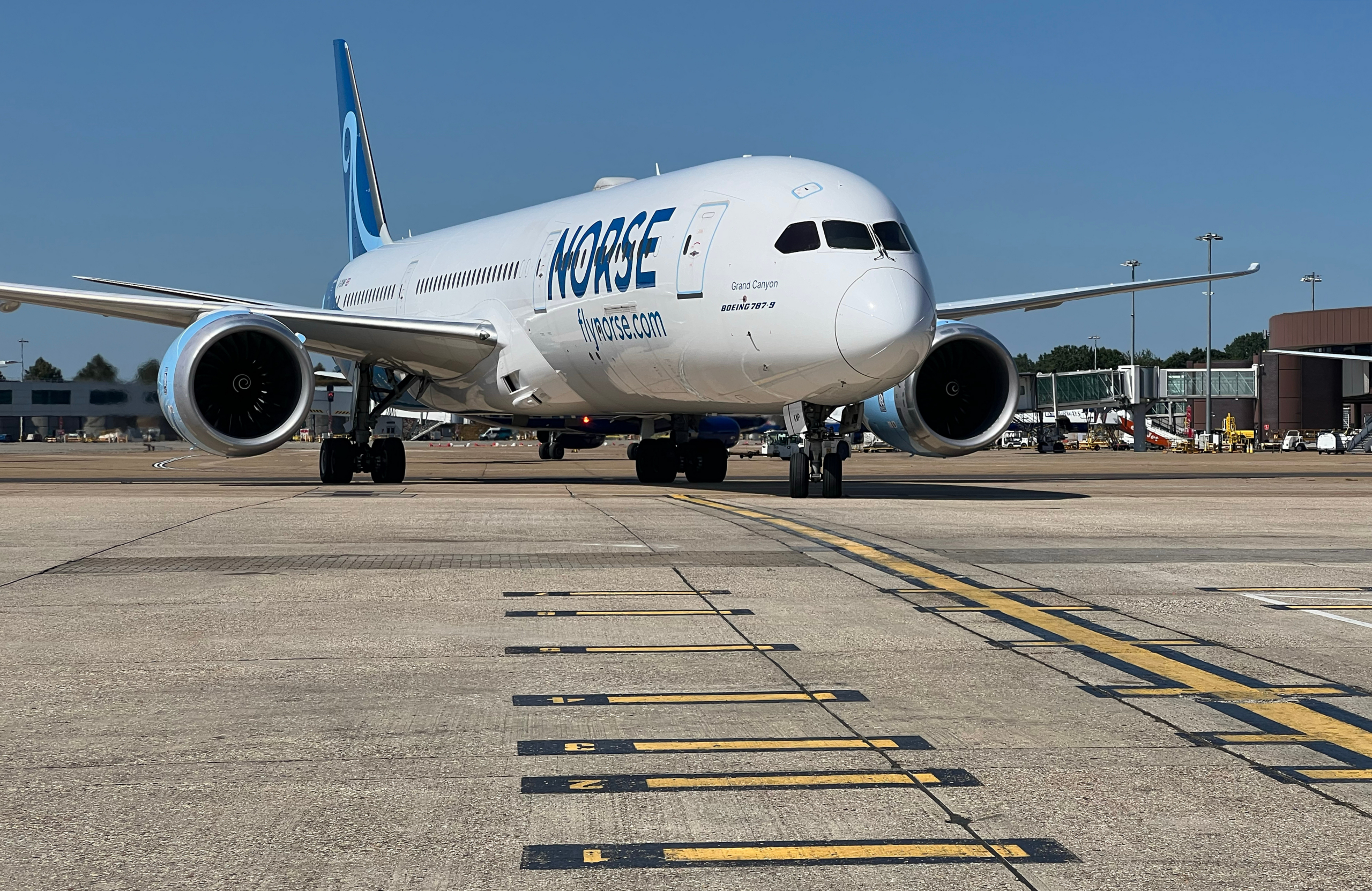

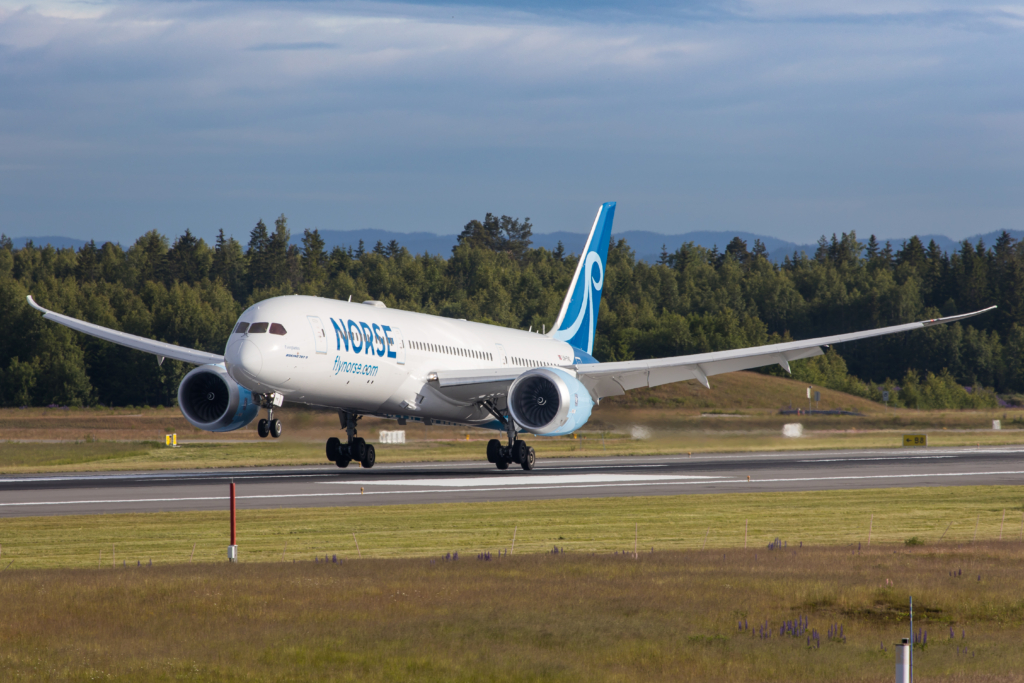
When Norwegian Air gave up long-haul flying during its bankruptcy restructuring, Norse Atlantic saw an opportunity to keep low-cost flights across the Atlantic alive.
Some of the people behind the new airline had held senior roles at Norwegian. They still saw a market for those flights, and Norwegian’s former Boeing 787 Dreamliners gave them a fleet to launch with.
But Norse found the low-cost long-haul market just as challenging as every airline that has gone before. It struggled to make a profit, and turned to flying services on behalf of other carriers in an attempt to make money.
Norse tried and failed at low-cost long-haul
Norse launched commercial operations in June 2022, flying from Oslo to New York and later adding services from London Gatwick to New York as well.
Everything was set for success. The aircraft were available on favourable lease terms, and as the world emerged from the pandemic disruption, there were a few gaps in the long-haul market that Norse hoped to fill.
But fuel prices were high, and this thin schedule meant aircraft were underutilised. This manifested in a first-year net loss of $175 million in 2022.
Nevertheless, Norse pressed ahead with its expansion in 2023, establishing a UK subsidiary in March and growing London Gatwick to its largest base. By summer ‘23, Norse was flying to seven US cities from Gatwick: New York, Orlando, Fort Lauderdale, Washington DC, Boston, Los Angeles and San Francisco.
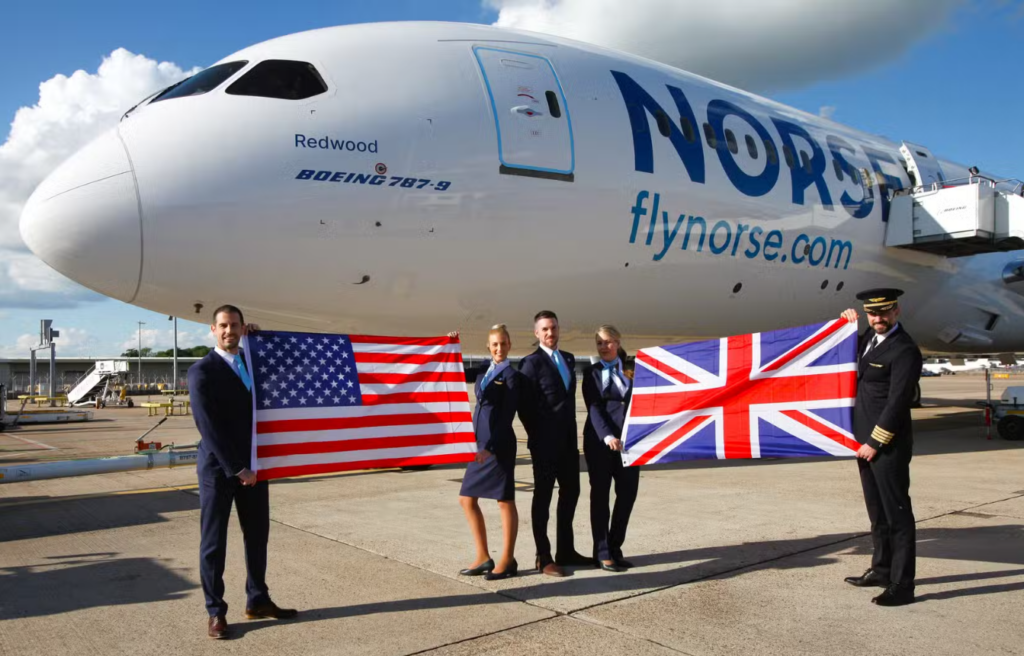
But even before the year was out, signs were pointing to a hasty retreat from these highly competitive routes. San Francisco, Boston and Washington were withdrawn, while Fort Lauderdale was repointed to Miami. Norse attempted to diversify, adding flights to Caribbean destinations including Jamaica and Barbados for the winter season.
Although it did have one profitable quarter during the summer of 2023, it ended the year with a net loss of $168.6 million.
Through 2024, Norse continued to experiment, adding Las Vegas and Cape Town from Gatwick. However, the Caribbean routes did not return for the winter. The airline continued to increase its overall revenue, but still ended the year loss-making.
Flying for other airlines offered Norse a lifeline
Operating services on behalf of other airlines was part of the Norse plan from the outset. As early as March 2022, it agreed to sublease four surplus Boeing 787s to Air Europa on a dry lease basis. It was November that year before it started operating ACMI (aircraft, crew, maintenance and insurance) services for other carriers.
By 2024, ACMI had become one of the strongest parts of the Norse business, augmented with a deal with Indian low-cost airline IndiGo to provide six of its Boeing 787s for European services – half the available fleet.
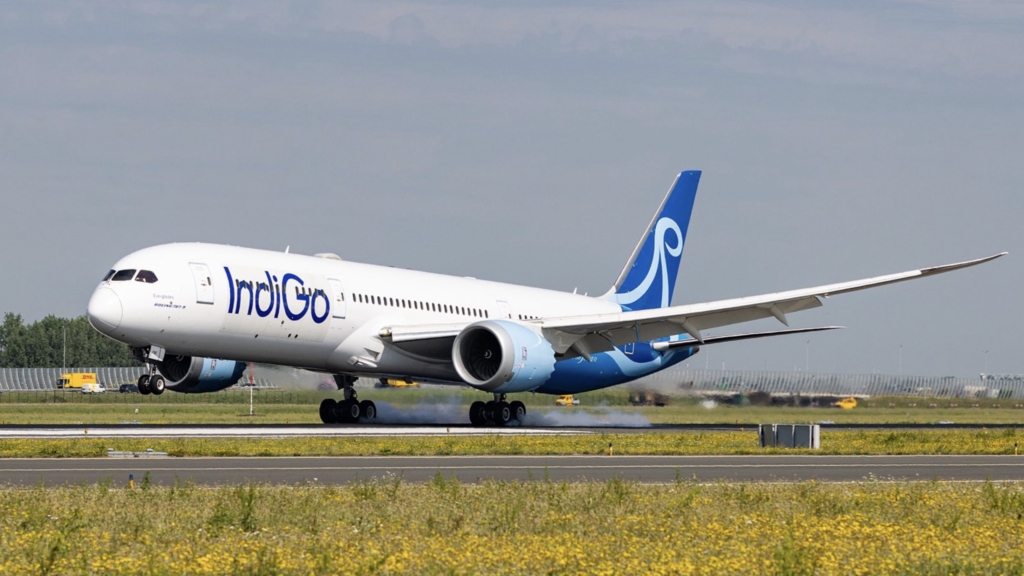
The IndiGo deal was intended to be a turning point for Norse, offering predictable, year-round income, reduced exposure to fuel price volatility and a means of monetising the aircraft it was still paying to lease but not otherwise flying.
The phased introduction of the Norse aircraft took all of 2025. The fifth aircraft joined in December, and the sixth only began flying for IndiGo in January this year. Nevertheless, the ACMI work saw Norse grow its annual revenue by 128% in 2025, including charter customers and one-off flights.
But the bottom line was still raw. High costs of aircraft operations and pressure to keep fares low meant that even when its aircraft were full, it was struggling to make any money. 2025 ended with a smaller, but still substantial, $61.9 million loss.
2026 should have been a great year for Norse Atlantic
This year started strongly for Norse, with six of its Dreamliners contracted to IndiGo and a new plan to operate its own flights on underserved routes to Thailand.
It had launched services from Gatwick to Bangkok in October 2025, adding Manchester to Bangkok later in the year. In tandem, it was operating a handful of routes from Oslo and Stockholm to Thai destinations too. Thailand was seen as a golden opportunity for the airline, with few to no competing nonstop flights and plenty of demand for the services.
When IndiGo said it would be returning the first Dreamliner to Norse in June, the airline took it in its stride, announcing that “With the additional aircraft, we look forward to deploying extra capacity on our successful and profitable Thailand routes.”
Two weeks later, Norse announced an expanded Thailand winter programme, including a new Gatwick-Phuket service and quadrupling Manchester-Bangkok frequencies.
All this came despite the surging cost of aviation fuel, caused by the conflict in Iran, and various airspace restrictions affecting flight paths for many of its competitors. The airline said specifically that its Thailand services were using a northerly air corridor and were therefore unaffected by airspace issues.
The dream of Norse Atlantic unravels
Despite the chipper start to the year, Norse did not have a good 2026. High fuel prices meant it was operating its own services on wafer-thin margins, and even with the ACMI revenue, it ended the first half of the year with an almost $100m loss.
The hardest blow came at the end of July, when IndiGo revealed it would be terminating all services with Norse. The reasons given were elevated fuel prices, airspace disruption and the longer routings between India and Europe. IndiGo said this had undermined the profitability of its long-haul plans.
For IndiGo, the Dreamliners had always been an interim solution, allowing it to establish a European presence and gain long-haul operational experience ahead of the delivery of its own widebody Airbus A350s. As it began taking delivery of its A321XLRs, it chose to focus on routes it could fly with its own metal, removing one of the Nordic airline’s biggest sources of income.

That contract officially ended on 1 November. The airline had a small reprieve via a deal with Pakistan International Airlines to operate two of its Dreamliners for routes into Europe. But occupying two 787s doesn’t pay for the rest.
At the end of 2025, Norse still had almost $780 million in outstanding lease liabilities, with aircraft lease terms extending years into the future. High overheads, low income and a difficult aviation market have all led to the predicament we see today.
Norse Atlantic has never made an annual profit
Despite one profitable quarter, the annual result from Norse’s operations has always been a negative.
| Year | Revenue | Net loss |
| 2022 | $104.3m | $175.0m |
| 2023 | $439.4m | $168.6m |
| 2024 | $588.1m | $135.5m |
| 2025 | $734.0m | $61.9m |
| 2026 (H1 only) | $292.3m | $94.6m |
| Total | $2,158.1m | $635.6m |
Source: Norse Atlantic annual reports and interim financial results. All figures in US dollars.
What’s next for Norse Atlantic?
Norse Atlantic has not yet filed for bankruptcy, but its decision to suspend all flights on 26 November suggests the airline has exhausted its immediate financial options.
The company remains in discussions with potential investors over a takeover that would include a financing solution, although it has warned that bankruptcy proceedings will follow if emergency funding cannot be secured.
Even if a buyer can be found, it is difficult to envisage Norse returning in its current form. A smaller operation focused on charter and wet-lease services, potentially retaining some of its more lucrative leisure routes, could offer a more sustainable business model.
However, having accumulated losses of more than $635 million by the middle of 2026, Norse’s predicament serves as another reminder of just how difficult it is to make low-cost long-haul aviation work, even with modern, fuel-efficient aircraft and strong passenger demand.
Sign up for our newsletter and get our latest content in your inbox.



More from

November 26, 20262 min read