


Ukraine uses laser weapon to shoot down jet-powered Russian Geran-4 drone

3 min read
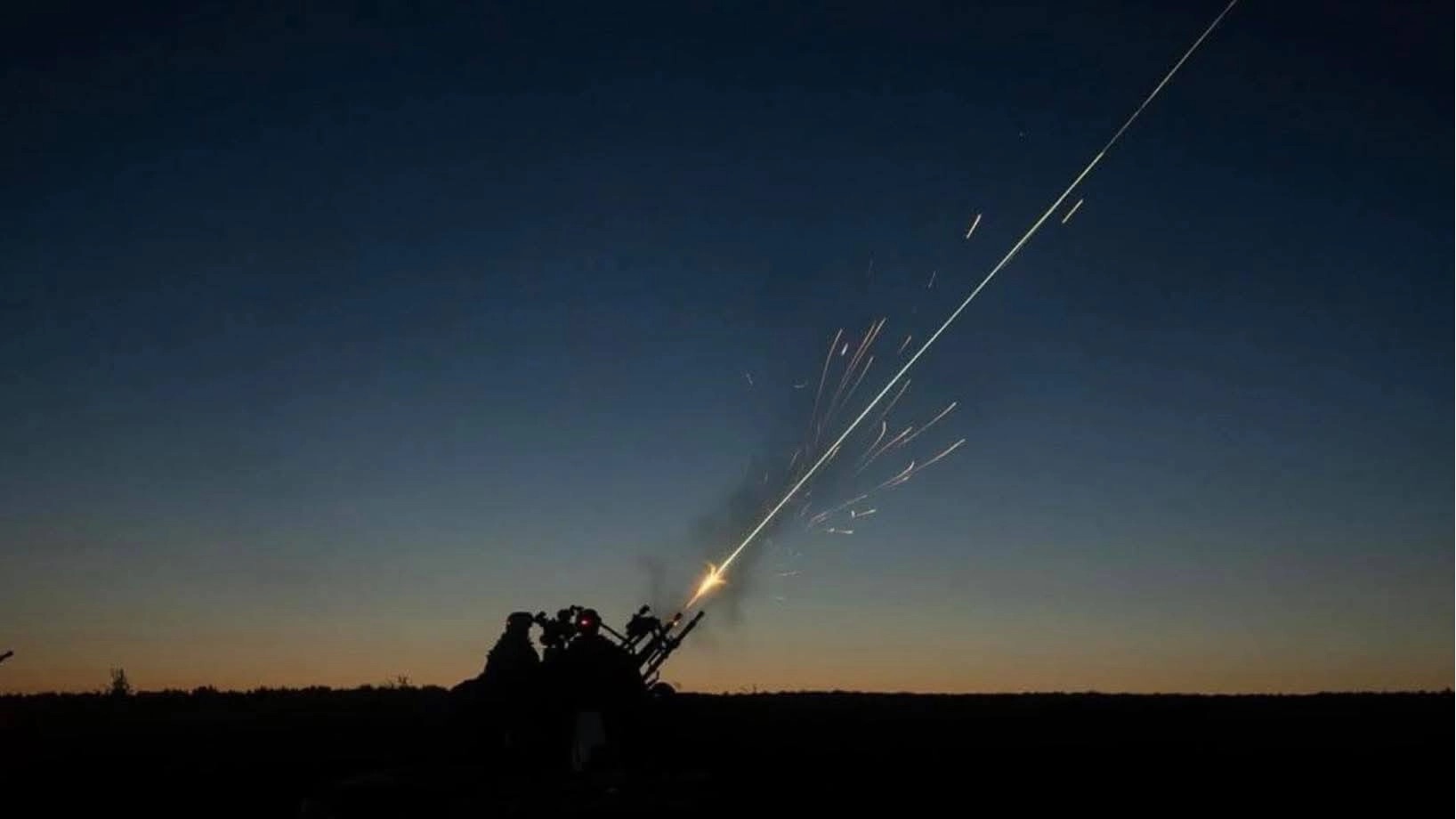

The Ukrainian Telegram channel Serhii Flash has posted a video that appears to show a Russian Geran one-way attack drone being shot down. The engagement appears to represent the first publicly reported instance of a laser (directed energy weapon) being used to destroy a jet-powered attack drone.
The channel is owned by Serhii Beskrestnov, an adviser to the Ukrainian president on technology. The laser potentially offers a new class of short-range air defence for Ukraine.
Ukrainian laser appears to shoot down jet-powered Geran drone
The post said this was the work of Ukraine’s Blysk air defence laser systems, developed by the Ukrainian defence-tech company Carmine Sky. He wrote that the new laser system is “demonstrating first results under combat conditions.”
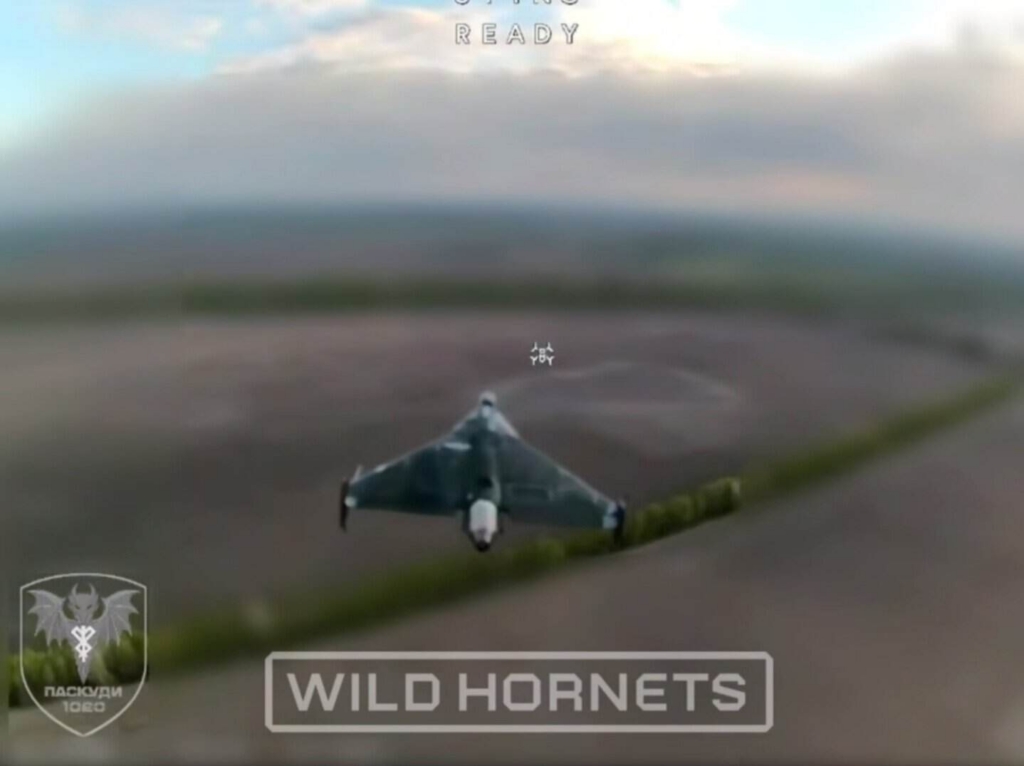
The video appears to show the laser system acquiring and tracking a jet-powered Geran-4 drone, and then engaging it with the laser system. The Geran seems to be at an altitude of around 400 metres and at a distance of almost 800 metres.
After the target is illuminated for several seconds, the drone tumbles out of the sky.
The laser is reportedly able to defeat small FPV drones in less than a second, but longer times are needed for larger Shahed-type drones.
For the first time, Ukrainian forces have shot down a Russian jet-powered attack drone using a laser weapons system. https://t.co/PV9xTu3pdk
— OSINTtechnical (@Osinttechnical) November 25, 2026
According to reporting cited by Militarnyi and the BBC, the turret-mounted system generates around 4 kW of output power and has an effective range of up to about a kilometre.
Carmine Sky’s website says about its laser efforts, “Laser counter-UAV system: Development of laser-based systems against aerial threats, including medium UAVs and Shahed-type targets.”
First publicly reported laser engagement against a jet-powered attack drone
This is believed to be one of the first publicly reported combat engagements involving a laser weapon against a jet-powered attack drone. Lasers have been used to neutralize small FPV drones, but it’s unclear if any country has successfully used them against jet-powered drones before.
The United States has several laser air defence systems, as do other countries like Israel. The Royal Navy is planning for its DragonFire to begin operational deployment on a Royal Navy Type 45 destroyer in 2027.
Ukraine working on various laser air defence systems
Several Ukrainian companies are working to develop laser-based air defence systems under Ukraine’s ‘Private Air Defence’ programme.
Ukraine’s air defence systems and layers are now incredibly diverse, ranging from high-end interceptor missiles to machine guns mounted onto utility helicopters.
Beskrestnov cautioned that it is too early to discuss serial production of Carmine Sky’s laser system. Testing remains ongoing, during which time the lasers are already protecting critical infrastructure.
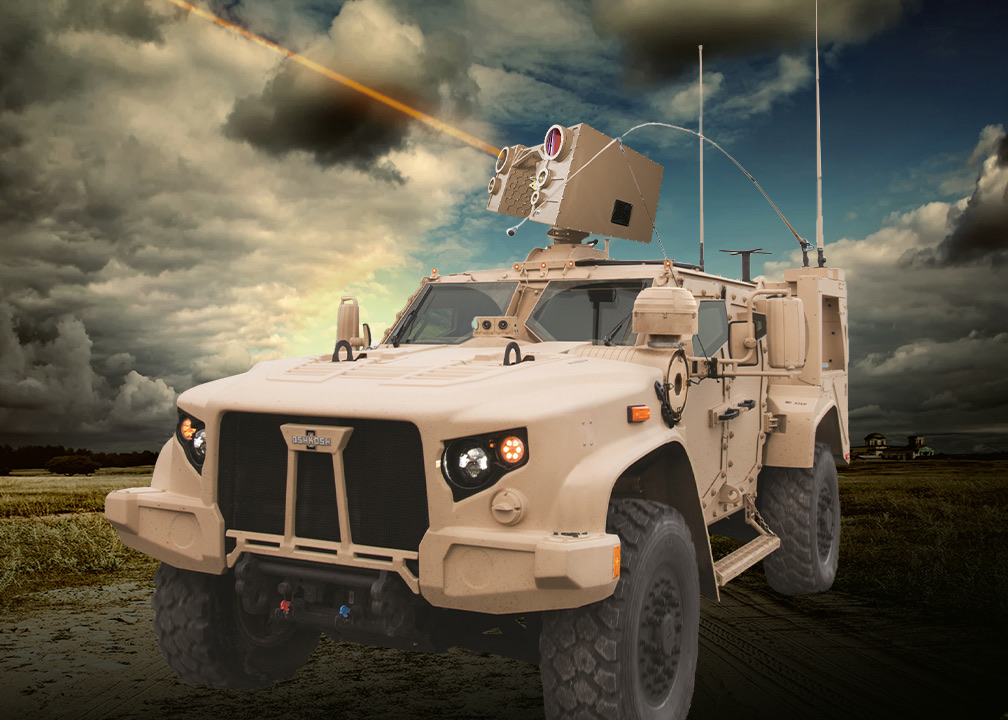
Lasers are often poorly understood in popular imagination. They are not next-generation technologies that will render existing air defence obsolete.
Instead, they are better understood as another layer of air defence that complements other layers. They are not “wonder weapons,” although they are seen as an important layer of air defence in next-generation systems.
It is partly for systems like lasers that 6th-generation fighter jets and warships are being designed with surplus power generation.
Lasers have some advantages, but they are also plagued by disadvantages such as being restricted to line-of-sight engagements, high power requirements, reduced effectiveness in cloudy weather, and the need to focus on a target for several seconds to achieve an effect.
Sign up for our newsletter and get our latest content in your inbox.