


Why the USAF is spending $21 billion to modernise the B-52 bomber

4 min read
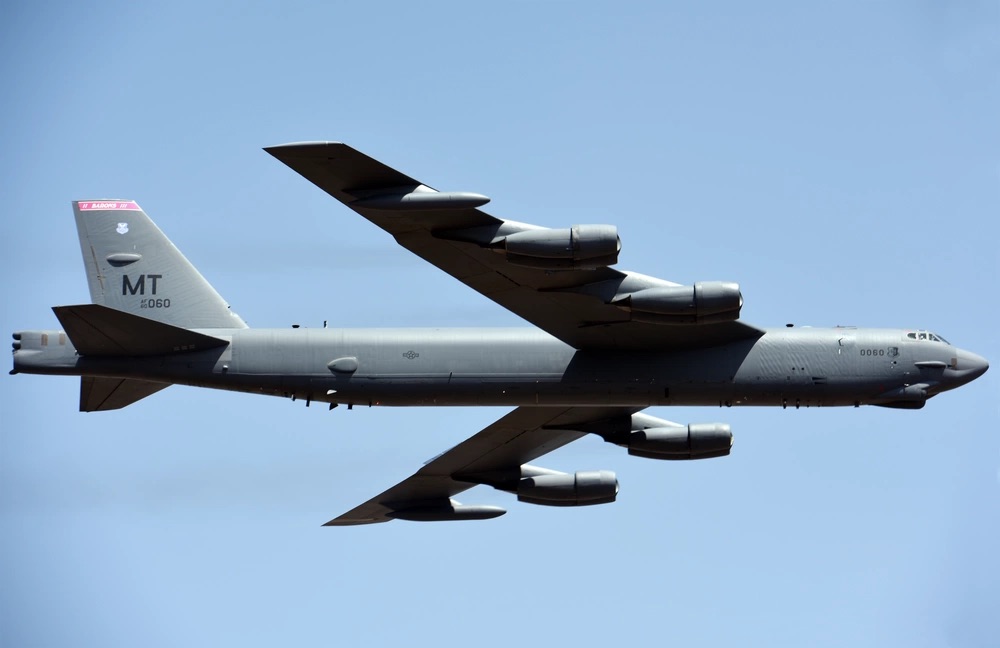

Around 70 years after entering service in the early Cold War, the US Air Force is currently upgrading the Boeing B-52 fleet in an effort that may see it reach 100 years of USAF service.
While the programme may be shocking to the original engineers of the 1940s and 50s, the effort makes sense given the geopolitical realities, budget constraints, Air Force requirements, B-52 versatility, and various decisions with other bomber programmes that have been made along the way.
The B-52 was never intended to be a long-lived bomber
The famous WWII B-29 Superfortress bomber served the United States from 1944 to 1960.
The massive Convair B-36 Peacemaker entered service in 1948, and by 1956 it was being phased out and was completely retired in 1959, a period of around 11 years.
The Convair B-58 Hustler supersonic bomber entered service after the B-52, in 1960. Ten years later, it was likewise retired.
| Select early bombers | Entered service | Retired | Approximate service period |
| B-29 | 1944 | 1960 | 16 years |
| B-36 | 1948 | 1959 | 11 years |
| B-58 | 1960 | 1970 | 10 years |
| B-52 | 1955 | Still operational | 71+ years |
When it was developed and purchased by the Air Force, it had been assumed that the B-52 bomber would have an operational lifespan of 20 years, and would largely follow the course of its contemporary bombers.
The type entered service in 1955, and before the last units were delivered to the Air Force in 1962, the Air Force was already working on its replacement.
The B-52 was able to adapt to a changing environment
But the strategic environment changed in ways the Air Force had not anticipated and in ways that the B-52 found itself able to adapt to.
The development of ICBMs as the primary delivery weapon for nuclear weapons and the emergence of Soviet surface-to-air missiles were major contributing factors to cancelling the high-Mach, high-altitude XB-70 Valkyrie bomber.
The B-52 survived due to being surprisingly versatile (e.g., able to operate at low altitudes) and being the bomber that the Air Force already had when replacement bombers, including the original B-1A Lancer, were cancelled.
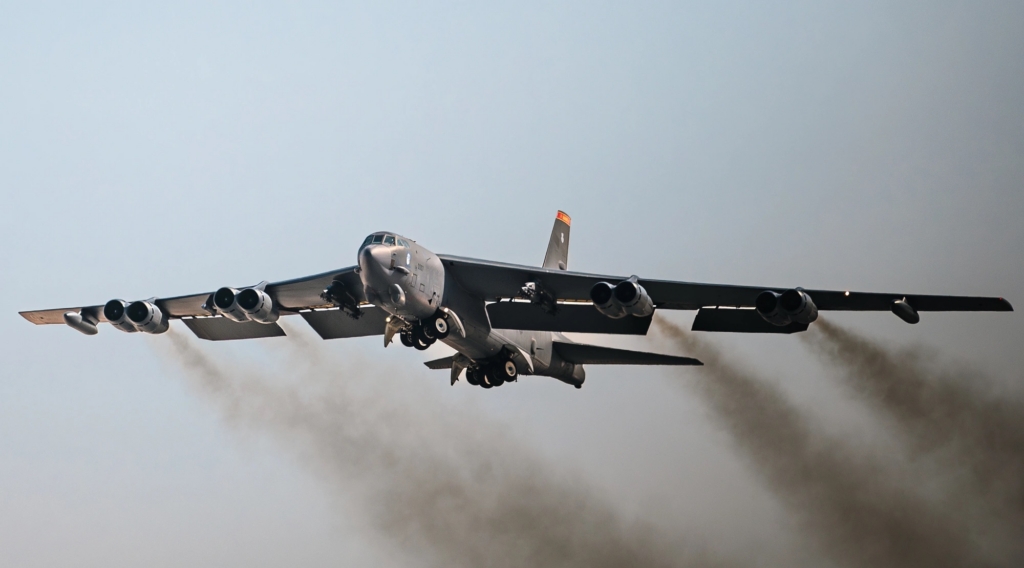
The development of the interim B-1B Lancer and purchase of 100 examples allowed the Air Force to thin its B-52 fleet and provide a stopgap for the much more ambitious stealth bomber programme that would culminate in the B-2 Spirit.
Separately, the B-1B’s story echoes the B-52, although it is less dramatic. It was originally intended to have an operational life of as little as 10 years.
The B-1B’s service life has been influenced by several factors, including the reduced B-2 procurement, changing force requirements, and subsequent retirement decisions.
The latest budget documents suggest the Lancer is now set to serve until 2037.
The niche opened up by stealth bombers
Paradoxically, expensive, high-end, but payload-constrained (by internal bays) bombers like the B-2 and incoming B-21 create a need for a missile truck.
Not every mission requires a high-end stealth bomber, and sometimes the skies are permissive enough for a vulnerable, but relatively cheap and high-payload bomber, like the B-52, to operate.
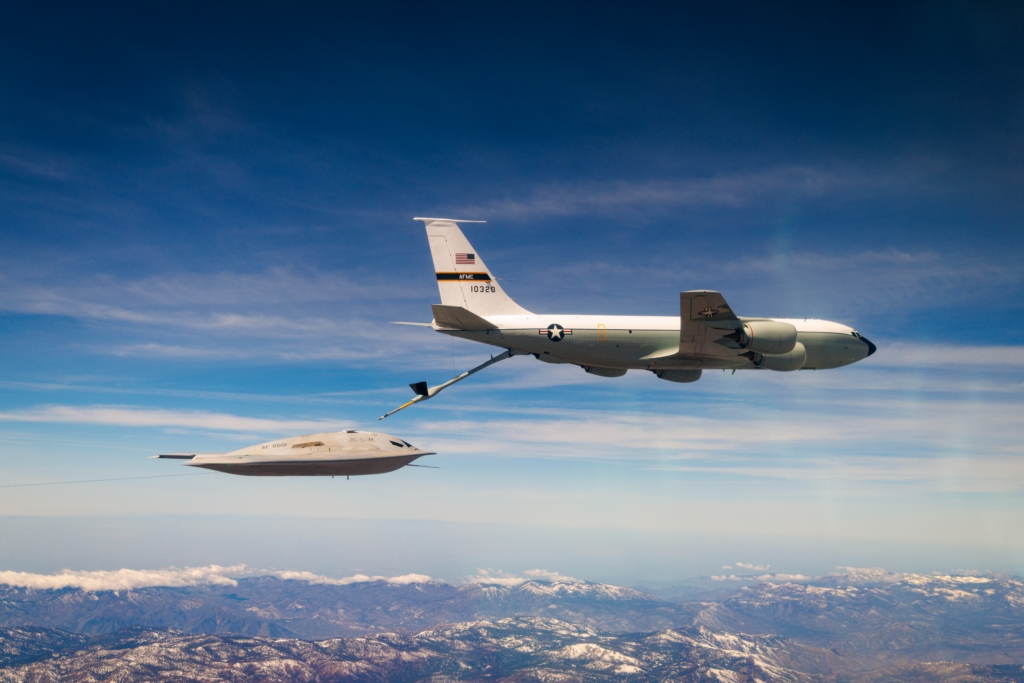
More importantly, the future of air combat is seeing the development of an increasingly large portfolio of ultra-long-range munitions that can be launched from outside contested airspace.
This is the primary role that the Air Force is keeping the B-52 on for. It complements the B-21 outside of contested airspace as well as serving in a nuclear deterrence role.
The upgrade to the B-52J variant
The B-52H fleet is now old, and the type’s engines are in need of replacement. The Air Force is currently working to upgrade them to the new B-52J variant through the Commercial Engine Replacement Program (CERP).
An article by the government watchdog, GAO, writes, “The Air Force plans to spend $21 billion modernizing the remaining 70-plus active B-52s. This plan is one of the most extensive modernization programs in Air Force history.”
Not only will this provide them with new Rolls-Royce F130 engines, but it will also deliver new avionics, better networking, and the ability to carry future high-end missiles. In total, there are 13 modernization efforts underway.
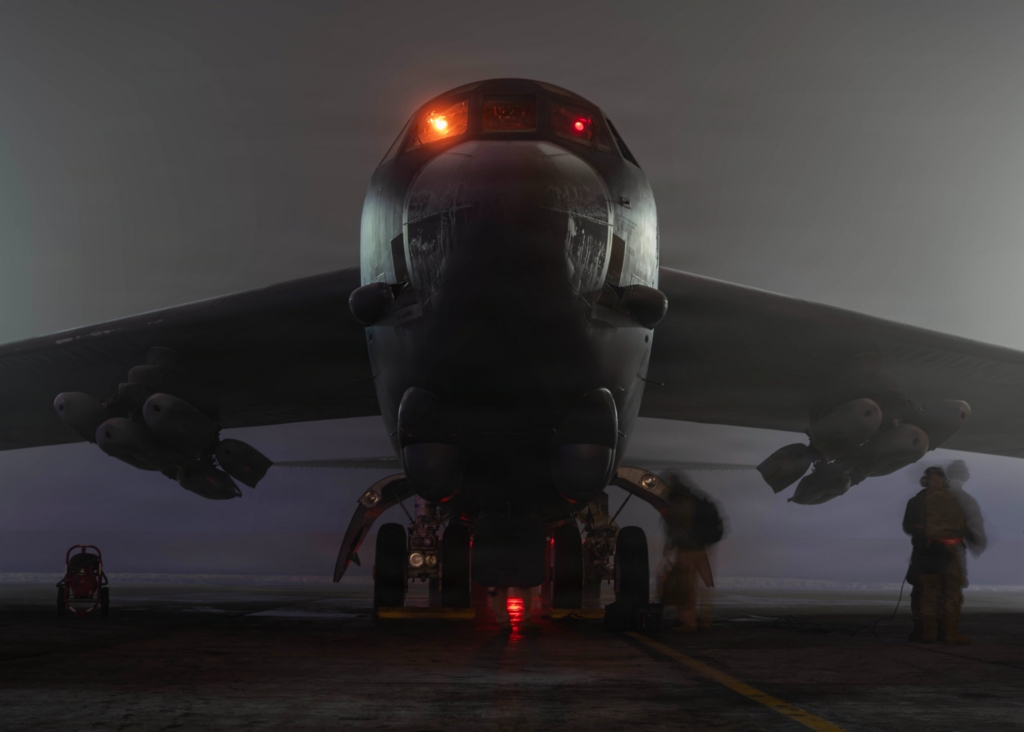
Currently, the Air Force expects the first upgraded B-52J bomber to enter service in 2033 and serve into the 2050s.
As in the past, the Air Force is in the position that it needs a heavy payload bomber to complement the B-21 fleet. However, it would likely take decades to design, test, field, and mature such a bomber should the effort start today.
Although future concepts for a B-52 successor continue to be discussed, no replacement is currently close to entering service.
Until then, the Air Force needs to rely on its existing fleet. The B-1B Lancer fleet increasingly worn out and is already difficult to maintain, while the B-2 is fundamentally the wrong aircraft for the role and exists in low numbers.
The size, versatility, and remaining flight hours of the B-52 make it the Air Force’s default choice.
Sign up for our newsletter and get our latest content in your inbox.




More from


November 26, 20262 min read




