


US Air Force pulls retired B-1B bomber from boneyard for hypersonic missions

5 min read
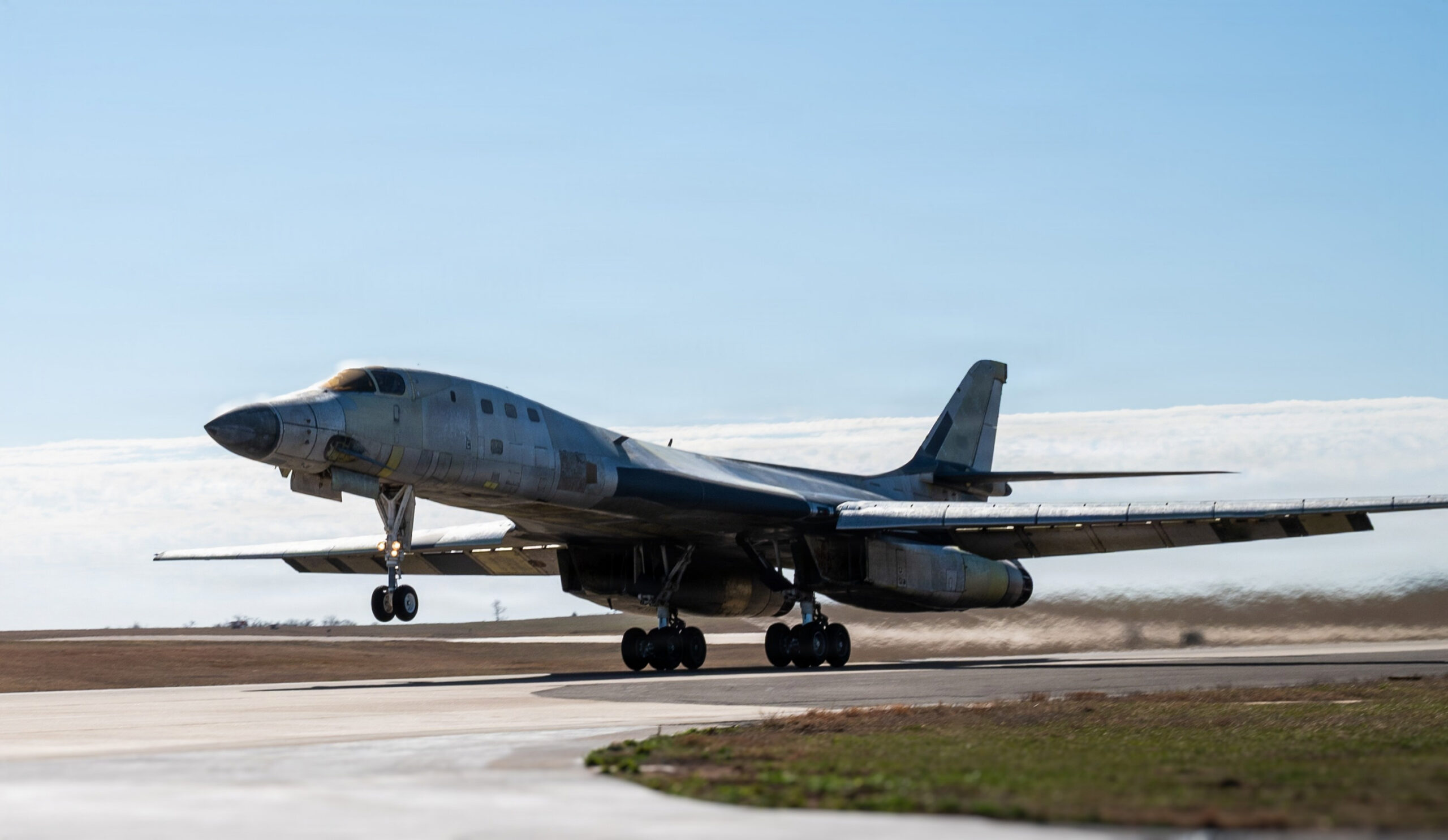
The US Air Force has brought a retired B-1B Lancer bomber back from the Arizona “boneyard” and returned it to frontline service. It seems the swing-wing bomber once expected to fade from the fleet is instead gaining a growing role in America’s future long-range strike and hypersonic weapons plans.
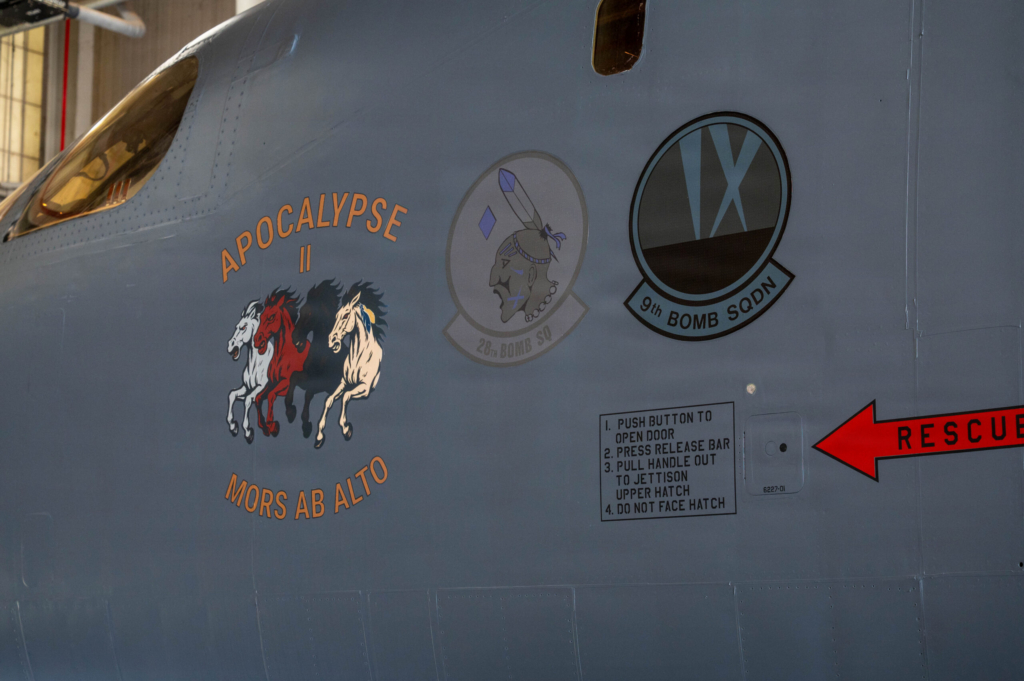
The aircraft, serial number 86-0115 and previously known as ‘Rage’, departed Tinker Air Force Base in Oklahoma on April 22 after nearly two years of intensive regeneration and depot maintenance work. It has now rejoined the operational fleet at Dyess Air Force Base in Texas under a new name – “Apocalypse II”.
The bomber had spent years parked in the Arizona desert at Davis-Monthan Air Force Base, home to the Pentagon’s vast aircraft storage facility commonly known as the “boneyard”.
At one stage, the Air Force expected the B-1B fleet to begin disappearing from service altogether by the end of the decade. Today, the exact opposite is happening.
The service is not only extending the bomber’s operational life to at least 2037, but is also investing heavily in upgrades and integrating the aircraft into future hypersonic strike programmes.
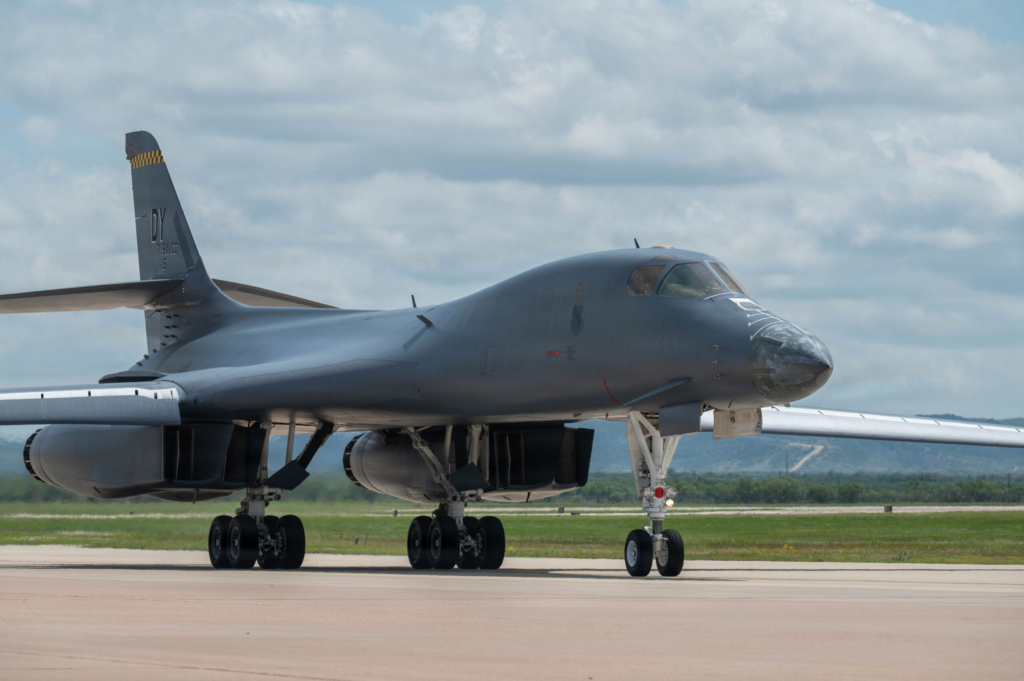
Fiscal Year 2027 budget documents show the Air Force intends to spend $342 million between 2027 and 2031 to modernise its remaining fleet of 44 B-1Bs.
“This request provides the necessary funding to modernise the platform, ensuring its lethality and relevance through 2037,” the budget proposal states.
For a bomber once viewed as an ageing platform nearing the end of its service life, the shift has been dramatic.
Why the Air Force is bringing retired B-1Bs back from storage
The B-1B returning to service was among 17 aircraft retired in 2021 when the Air Force reduced the fleet from 62 bombers to 45.
The aim at the time was to improve readiness rates and free up money for the next-generation B-21 Raider stealth bomber programme.
But unlike aircraft headed for permanent retirement, this bomber was placed into what the Air Force calls Type 2000 storage, a category designed to preserve aircraft in recoverable condition should the service need them again in future. That decision has now proved critical.
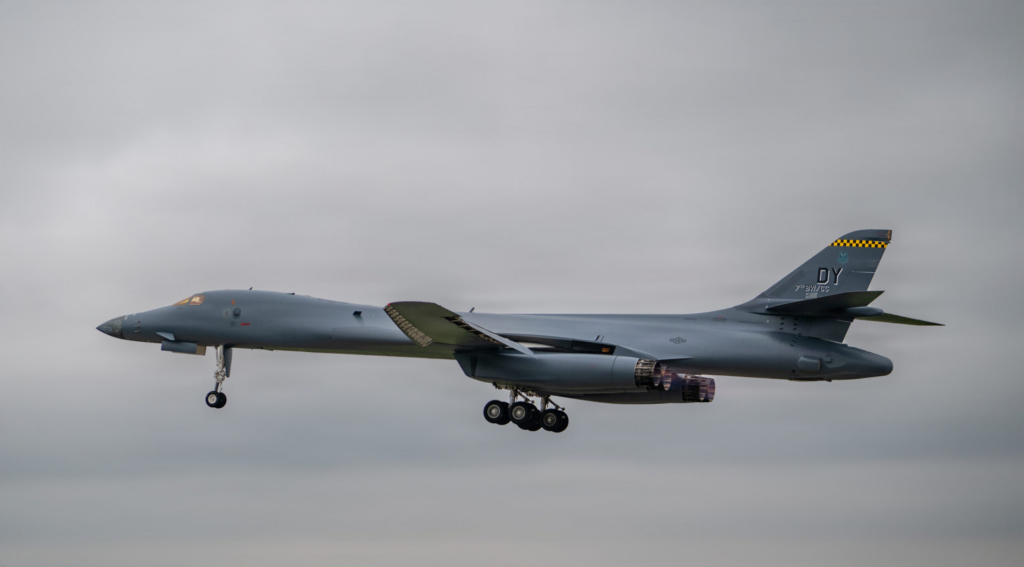
Operational demands on the bomber force have remained intense. B-1Bs continue to fly missions across Europe, the Indo-Pacific and the Middle East, while the arrival of the B-21 Raider is still years away from fully replacing older bombers in meaningful numbers.
At the same time, structural fatigue and accidents have steadily reduced the available aircraft.
According to The War Zone, the regenerated bomber was brought back to replace another B-1B undergoing major structural repair work with Boeing in California.
The Air Force concluded that reviving an aircraft from the boneyard could be completed “faster, at lower cost and risk” than continuing the repair project.
The return of “Apocalypse II” also allows the Air Force once again to meet congressional requirements mandating a fleet of 45 operational B-1Bs.
Inside the two-year effort to restore the B-1B
Behind the aircraft’s return was one of the largest regeneration efforts carried out on a B-1B in recent years.
More than 200 Airmen and civilian personnel from the 567th Aircraft Maintenance Squadron worked extended shifts to restore the aircraft. The work involved major structural repairs, system overhauls and replacement of more than 500 components.
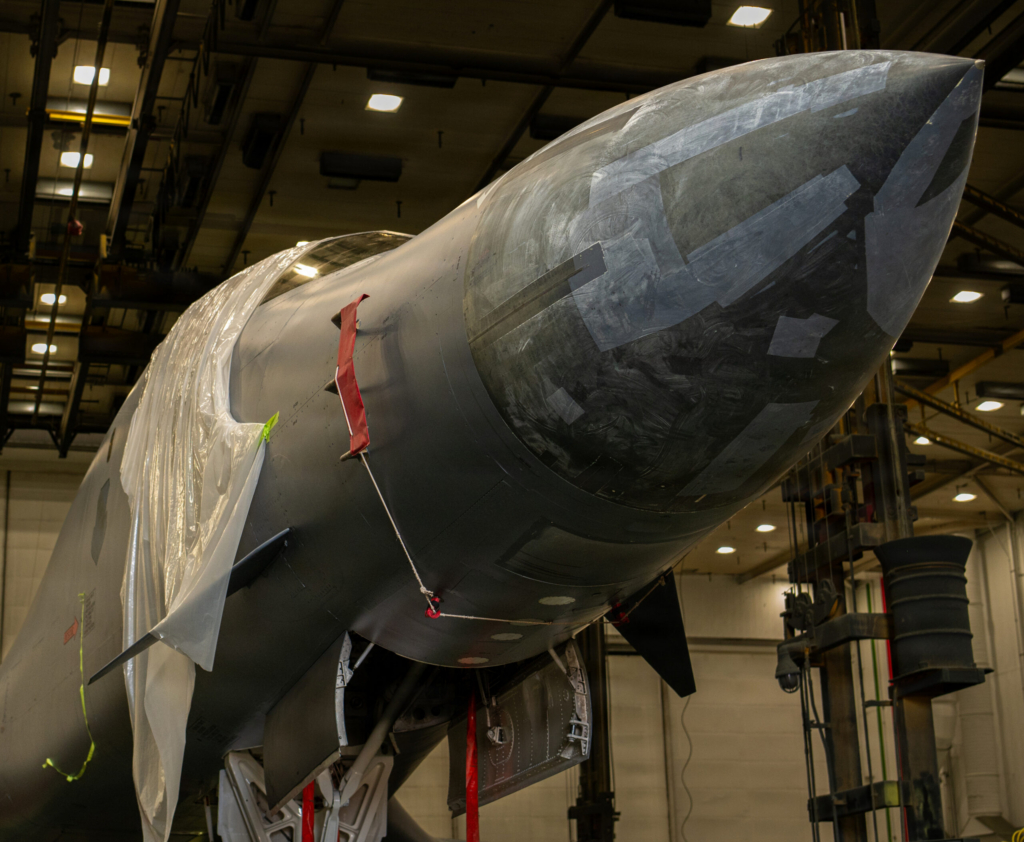
“The maintainers of the 567th support our warfighters at unprecedented levels,” Steven Mooy, master scheduler for the squadron, said. “They overcome so many obstacles and work together to accomplish repairs that nobody else in the bomber community could do.”
Pilots from Tinker’s 10th Flight Test Squadron later flew the aircraft over Oklahoma in a stripped bare-metal configuration to conduct functional check flights and validate systems performance before it was declared fully mission capable.
Only after passing those tests was the aircraft moved into the paint facility, where teams worked around the clock to prepare it for operational delivery.
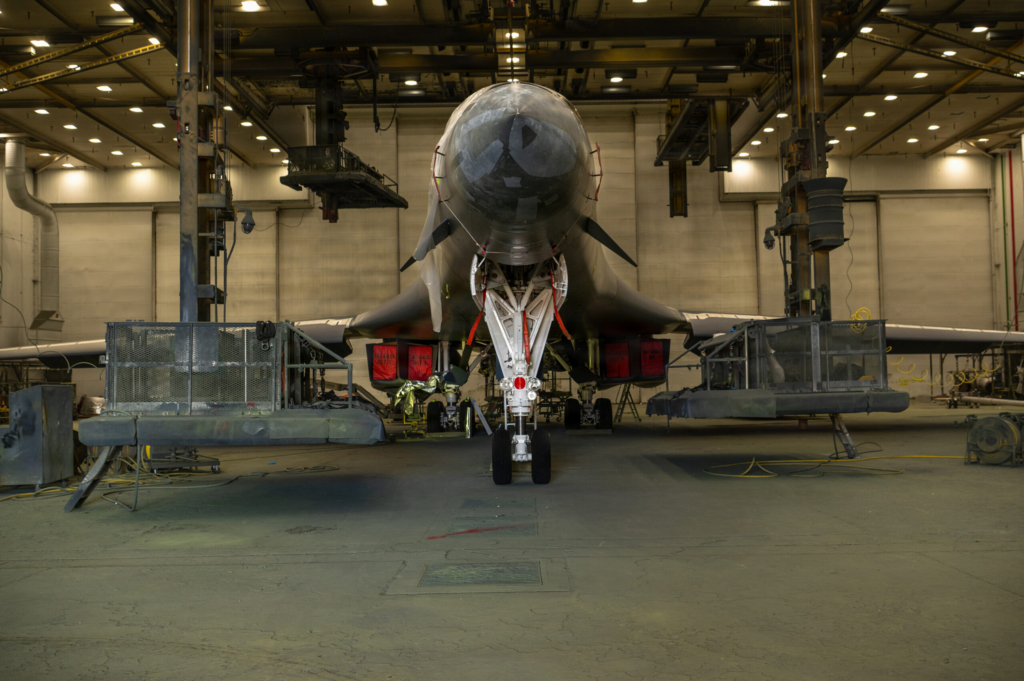
For Jason “JJ” Justice, a technical analyst with Tinker’s B-1 Systems Program Office, the project became deeply personal.
“I’ve been on this jet for 32 years,” Justice said. “To see it come back and still support the warfighter is a great feeling.”
Justice had also been among those who helped send the aircraft into storage in 2021. Years later, he became part of the team that brought it back.
“We’ve got the right people doing the right work,” he said. “That’s what makes something like this possible.”
B-1B bomber gains new role in hypersonic strike plans
The aircraft’s revival is not simply about maintaining bomber numbers.
The Air Force is increasingly reshaping the B-1B into a platform for carrying future long-range weapons, especially hypersonic systems.
Earlier this year, the service released the first publicly available imagery showing a B-1B carrying the AGM-183 Air-Launched Rapid Response Weapon, or ARRW, hypersonic missile.
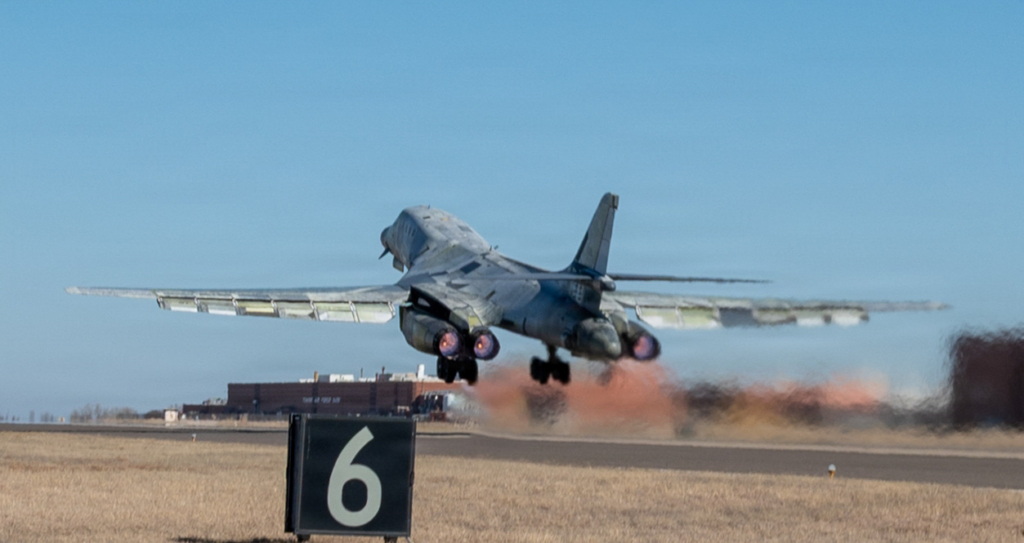
The bomber’s size and payload capacity make it particularly attractive for such missions. Unlike stealth bombers with smaller internal weapon bays, the B-1B can carry large external payloads and oversized missiles.
The Air Force now wants to develop an upgraded version of ARRW while also pursuing a separate air-launched ballistic missile programme. Once again, the B-1B is expected to be heavily involved.
The service is also testing new external pylons that could dramatically increase the bomber’s missile carrying capacity.
These developments come as the Pentagon shifts focus toward long-range conventional strike systems designed for operations against peer adversaries such as China.
Why the B-1B still matters before the B-21 arrives
The B-1B entered service during the Cold War and for years appeared destined to gradually disappear as newer stealth bombers arrived.
Instead, the aircraft has become something of an unexpected survivor. Its unmatched payload capacity, long range and ability to rapidly deploy across theatres have kept it heavily in demand.
Recent operations have included Bomber Task Force deployments to Europe and Japan, as well as strike missions connected to operations in the Middle East.
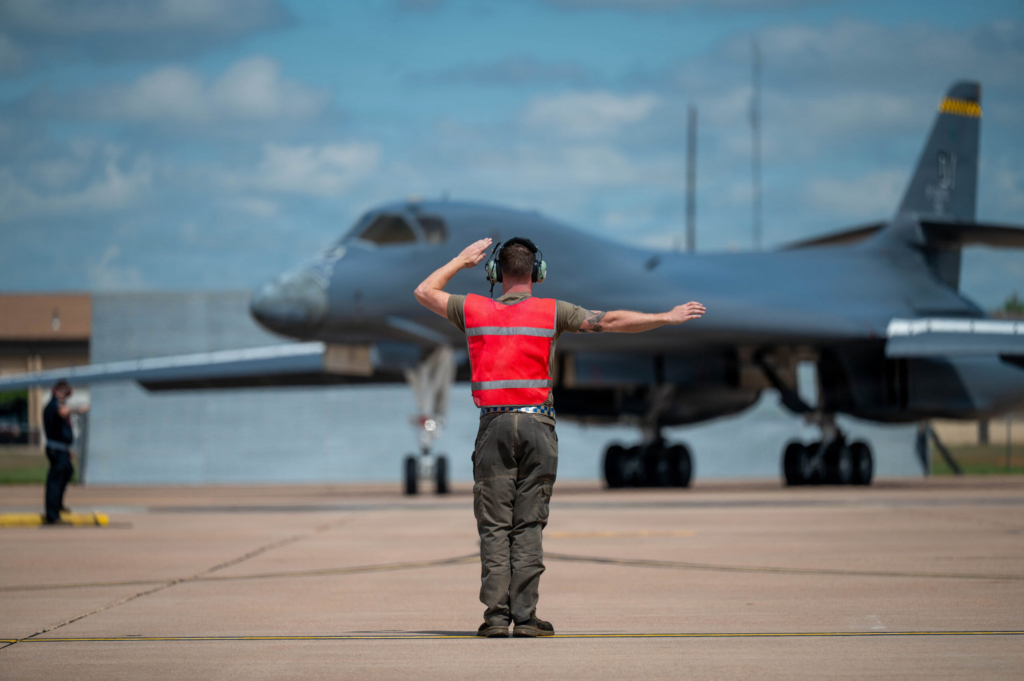
The Air Force has also repeatedly turned to the boneyard to regenerate bombers after accidents and operational losses. Similar efforts previously brought B-52 bombers such as “Ghost Rider” and “Wise Guy” back into service after other aircraft were destroyed in crashes or fires.
Now the B-1B, once viewed as a platform approaching its sunset years, is instead becoming a critical bridge between today’s bomber fleet and the future B-21 force.
And in the Arizona desert, where rows of retired aircraft sit baking in the sun, the Air Force has once again discovered that some old bombers still have plenty of life left in them.
Featured image: USAF


