FAA orders inspections of hundreds of Boeing 737 MAX jets after cracks reported in fuselage
4 min read
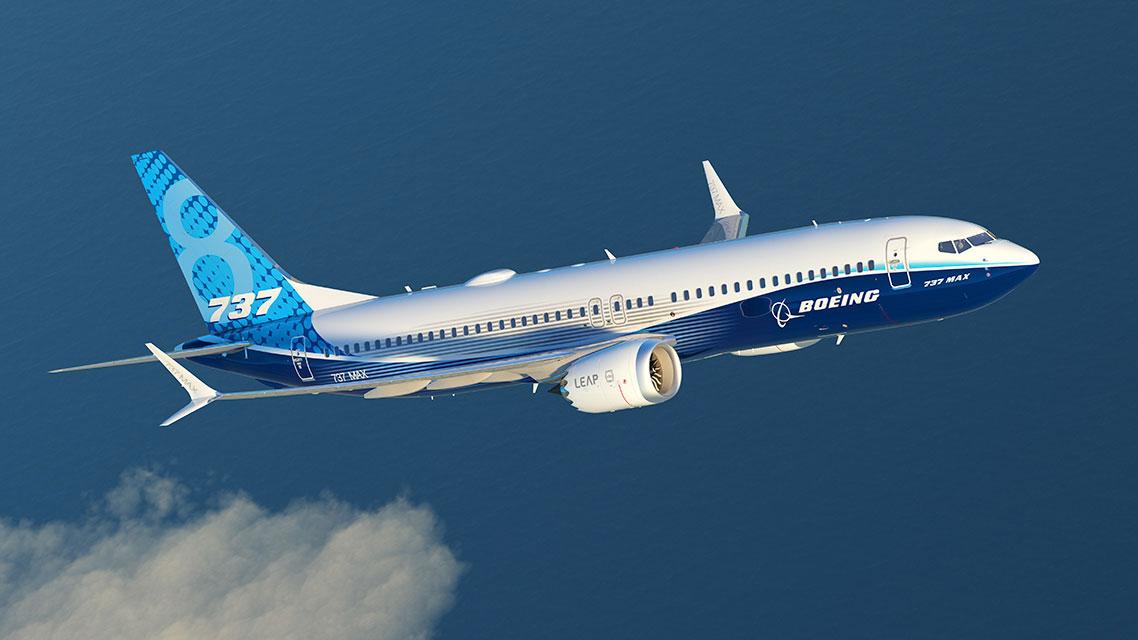
The US Federal Aviation Administration (FAA) has ordered inspections of Boeing 737 MAX aircraft to check for possible cracking around the forward galley door.
The new airworthiness directive applies to certain Boeing 737-8, 737-9, and high-density 737-8200 aircraft. The FAA estimates that 471 US-registered jets are affected. The rule takes effect on September 10, 2026.
The directive follows reports of cracks in a structural reinforcement, known as the “bear strap,” at the upper-forward corner of the forward galley door opening.
According to the FAA, cracking in the bear strap and adjoining fuselage skin could prevent the structure from sustaining its required design loads and “adversely affect the structural integrity of the aeroplane.”
FAA inspections target Boeing 737 MAX forward galley door structure
Operators must conduct a visual inspection of the fuselage skin to identify any existing repairs in the affected area.
Depending on the aircraft’s condition and inspection findings, further work can include:
- Detailed inspections of the fuselage skin for cracking
- High-frequency eddy current inspections around fasteners and the edge of the door corner
- Low-frequency eddy current inspections of the underlying bear strap
- Repetitive inspections at intervals specified by Boeing
- Repairs or alternative inspections approved by the FAA
Boeing Alert Requirements Bulletin 737-53A1408 RB, dated December 20, 2024, provides the required procedures.
Aircraft must be inspected within the applicable compliance periods in Boeing’s bulletin. Any cracking or other relevant findings must be addressed using an approved method.
What caused the Boeing 737 MAX cracking issue?
The FAA said Boeing’s investigation traced the problem to high operating stresses in the fuselage skin and bear strap caused by a concentration of stress around the door opening.
A bear strap is an extra layer of structural material installed around an opening in the fuselage. Door and window cutouts interrupt the continuous fuselage structure. Reinforcement helps to distribute loads around their edges.

The FAA said Boeing is changing its manufacturing process to address the underlying cause on aircraft currently in production. For in-service aircraft, the regulator determined that inspections offer several opportunities to detect and repair cracks before they reach critical length.
Boeing supported the proposed directive without requesting changes.
FAA estimates Boeing 737 MAX inspection costs
The FAA estimates that the initial visual inspection will require one work-hour and cost approximately $85 per aircraft. Across the 471 affected US aircraft, this results in an estimated fleet cost of $40,035.
More detailed visual and eddy-current inspections could require up to 4 work-hours, costing up to $340 per aircraft per inspection cycle. The estimated maximum cost to US operators would be $160,140 per cycle.
Those estimates do not include repairs. The FAA said it lacked sufficient information to calculate the potential cost of repairing cracks or conducting alternative inspections.
Which Boeing 737 MAX aircraft are affected?
The directive applies only to aircraft identified in Boeing’s requirements bulletin, not to every 737 MAX built.
The affected models are 737 MAX 8, 737 MAX 9, and the stretch 737-8200.
According to Planespotters data, the Boeing 737 MAX 8 is operated by 97 airlines and other operators worldwide. The listing shows 12 operators of the Boeing 737 MAX 9 worldwide.
They are:
- Aeroméxico
- Air Tanzania
- Alaska Airlines
- Copa Airlines
- Corendon
- Flydubai
- Greater Bay Airlines
- Icelandair
- Lion Air
- SCAT Airlines
- Turkish Airlines
- United Airlines
The 737-8200 is the higher-capacity MAX variant operated by European low-cost airline Ryanair and its Buzz and Malta Air subsidiaries. It has an extra pair of exit doors to accommodate its denser seating configuration. US ultra-low-cost carrier Allegiant also operates the type.

The European Union Aviation Safety Agency (EASA) will take note of the new FAA AD and issue its own directive for European operators of the 737 MAX. Other global regulators will likely take similar measures to address the potential fault in the fleets of their domestic carriers.
Fuselage cracking inspections are a routine part of aircraft maintenance procedures
Fatigue cracking is not uncommon as aircraft structures age. The varying pressure of operations works at the joints of aircraft over time. Airlines routinely inspect fuselages for cracks around doors, windows, and other high-stress areas. The FAA issues directives to ensure operators follow the manufacturer’s guidelines when common faults are discovered.
This new FAA directive is separate from previous directives addressing structural cracking on older 737 Next Generation aircraft. The latest FAA directive requires inspections because reports showed cracking could develop in a specific structural reinforcement around the Boeing 737 MAX forward galley door.
There is no immediate safety risk. The aim is to detect and repair any cracks before they can impact the aircraft’s structural integrity.
Sign up for our newsletter and get our latest content in your inbox.



More from


October 13, 202612 min read