FAA proposes mandatory inspections for Boeing 737 MAX passenger seats after installation errors

3 min read
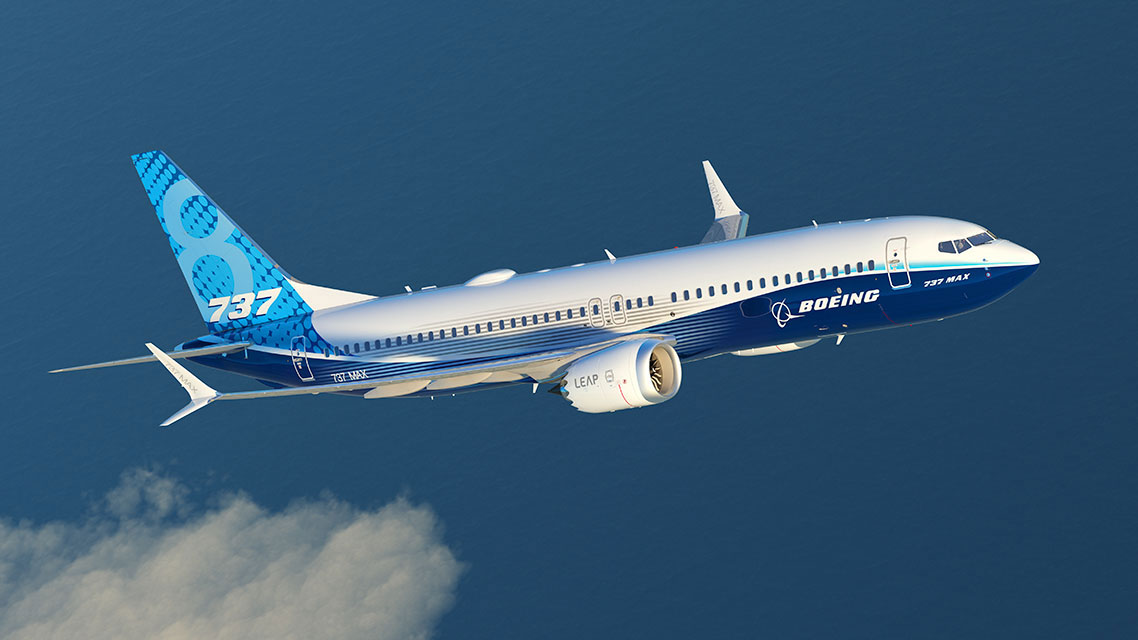
The US Federal Aviation Administration (FAA) has proposed a new Airworthiness Directive (AD) requiring inspections of passenger seat installations on certain Boeing 737 MAX aircraft after discovering that some seats may not have been correctly secured to the cabin floor.
The proposal, published as a Notice of Proposed Rulemaking (NPRM) in the Federal Register on July 27, applies to certain Boeing 737-8, 737-9 and high-density 737-8200 aircraft. The FAA says improperly installed seat assemblies could disengage from their floor tracks during an emergency landing or severe turbulence, creating an injury risk and potentially obstructing passenger evacuation.
What the FAA found
According to the FAA, the NPRM was prompted by reports that some track-mounted passenger seat assemblies were not correctly installed.
Specifically, the agency said the aft fitting shear plungers on certain seat assemblies were not fully lowered into and engaged with the seat tracks, leaving the seats vulnerable to becoming detached under high loads.

“A track-mounted passenger seat assembly that is installed incorrectly can disengage from the seat tracks if there is an increased load, turbulence, or emergency landing,” the FAA stated in the NPRM.
The agency warned that detached seats could injure passengers or crew while also blocking the aircraft aisle during an evacuation, delaying passengers attempting to exit the aircraft.
What airlines would have to do
If the proposal becomes a final Airworthiness Directive, operators would be required to:
- Perform a detailed inspection of each left- and right-side track-mounted passenger seat assembly.
- Verify that every seat is correctly engaged with the seat tracks.
- Carry out any required corrective actions before further flight if an improperly installed seat is found.
The inspections would follow Boeing Special Attention Requirements Bulletin 737-25-1927 RB, dated December 10, 2025.
Hundreds of aircraft affected and millions of dollars in repairs
The FAA estimates the proposal would affect approximately 453 US-registered aircraft. While the NPRM only counts aircraft on the US registry, the issue is likely to affect a larger number of aircraft worldwide because the Boeing 737 MAX family is operated by airlines across every major aviation market.

The affected models include:
- Boeing 737-8
- Boeing 737-9
- Boeing 737-8200 (the high-capacity variant used primarily by Ryanair)
The FAA estimates that the cost for inspection for US 737 MAX operators would be $85 per seat assembly and up to $2,656,845 in total. The FAA estimates that there could be up to 69 track-mounted passenger seat assemblies affected per aeroplane. It also estimates that operators would incur an additional $85 per seat for installation work to fix the flaw.
However, the agency adds that some of these costs may be covered under Boeing’s warranty, reducing the overall cost impact for affected airlines.
The latest issue with the 737 MAX adds to a series of manufacturing and assembly quality concerns that have kept Boeing under heightened regulatory oversight in recent years.
NPRM, not yet an Airworthiness Directive
The FAA has not yet issued a final Airworthiness Directive on the seat installation issue. Publication as an NPRM begins the public consultation process, allowing airlines, Boeing, and other stakeholders to submit their comments before the FAA determines whether to issue a legally enforceable AD.
If adopted, the directive would make the inspections mandatory for affected aircraft operating in the United States. Other regulators around the world, including the European Union Aviation Safety Agency (EASA), typically review FAA directives and may adopt similar inspection and repair requirements for aircraft on their own registries.
Sign up for our newsletter and get our latest content in your inbox.


More from

October 17, 20265 min read


October 17, 20264 min read