


Why aircraft windows don’t always line up with the seats

5 min read
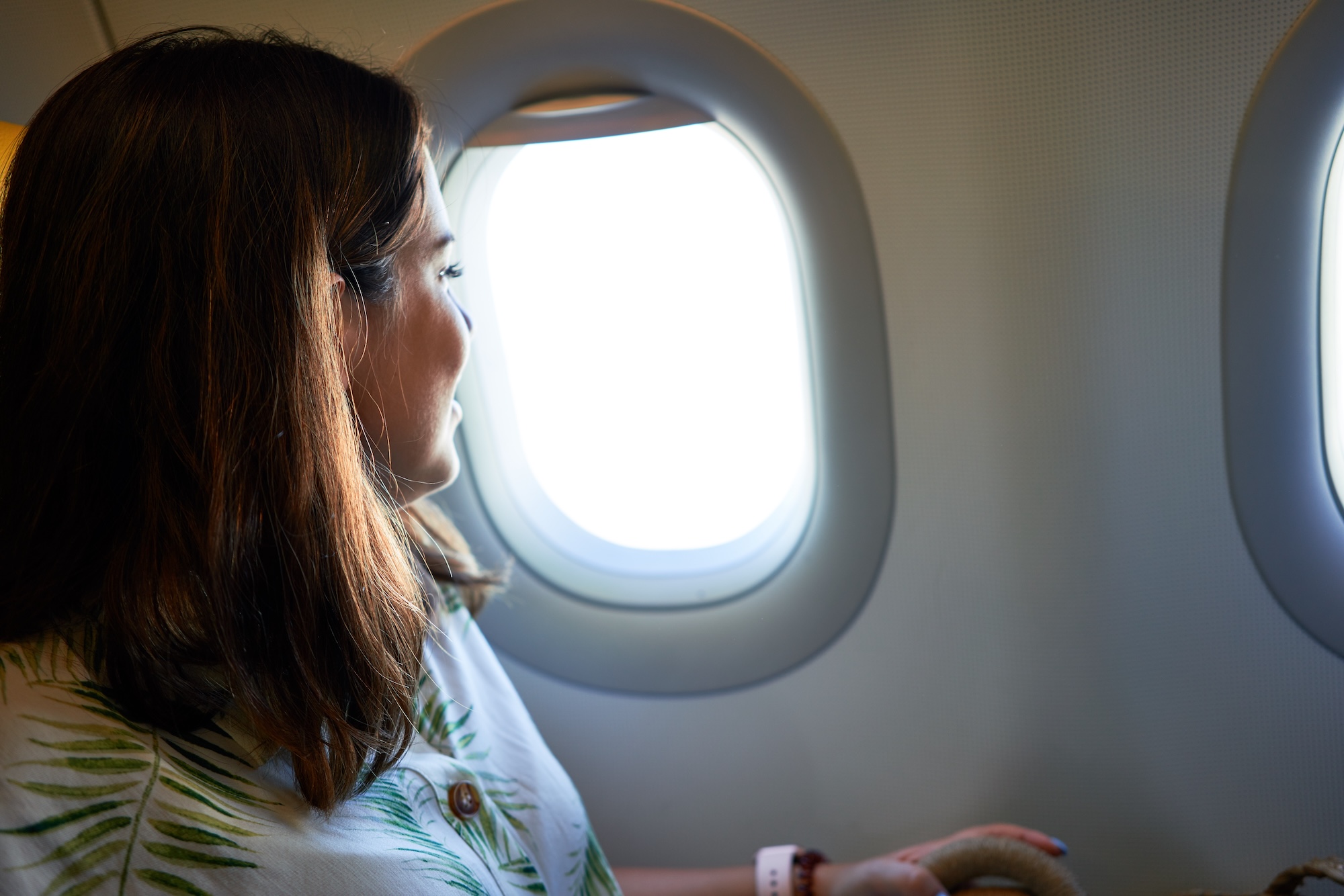
Few things are more frustrating for aviation enthusiasts than booking a window seat and discovering the aircraft window is awkwardly positioned or doesn’t exist at all. Yet misaligned windows are surprisingly common across commercial aircraft, from the Boeing 737 to the Airbus A320.
The reason comes down to aircraft design. While manufacturers determine where windows are placed as part of the fuselage structure, airlines decide how many seats to install and how far apart they should be. The result is that aircraft windows and passenger seats often don’t line up, leaving some travellers with spectacular views and others staring at a wall.
Why are aircraft windows positioned where they are?
An aircraft fuselage must withstand repeated pressurisation cycles throughout its operating life. Its structure includes frames, stringers and reinforced openings that distribute loads around the cabin.
Window positions must account for the fuselage structure and the reinforcement required around each opening.
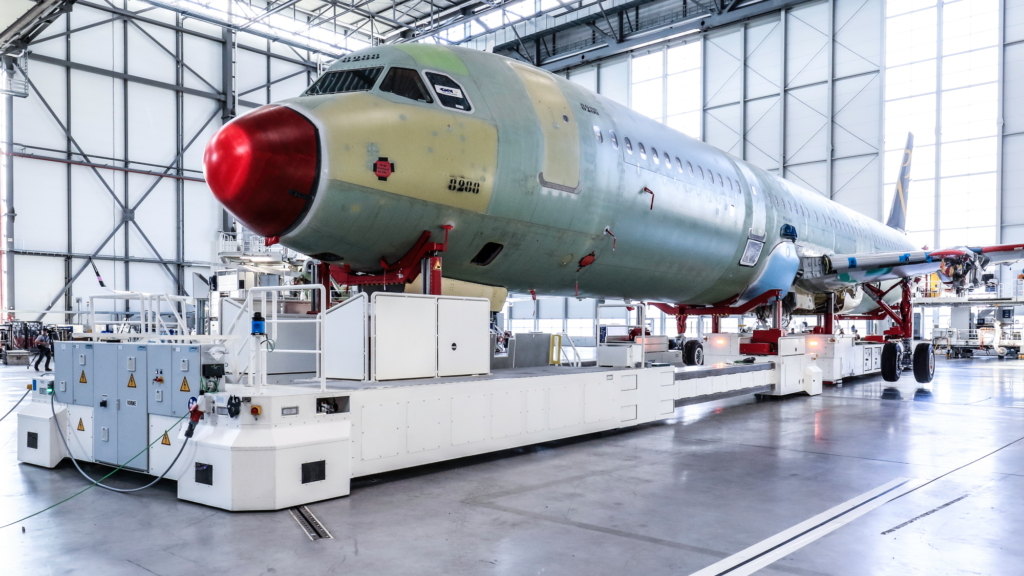
On many conventional narrowbody aircraft, windows are spaced approximately 20 inches (51cm) apart, although the precise distance varies by aircraft design and location along the fuselage.
Manufacturers establish window positions during aircraft development, before airlines select their final seating configurations. The spacing between windows and passenger seats may not always match.
Why don’t aircraft windows line up with passenger seats?
Passenger seats are installed on tracks running along the cabin floor, allowing airlines to adjust the distance between rows.
That distance, known as seat pitch, is measured between the same point on successive seats.
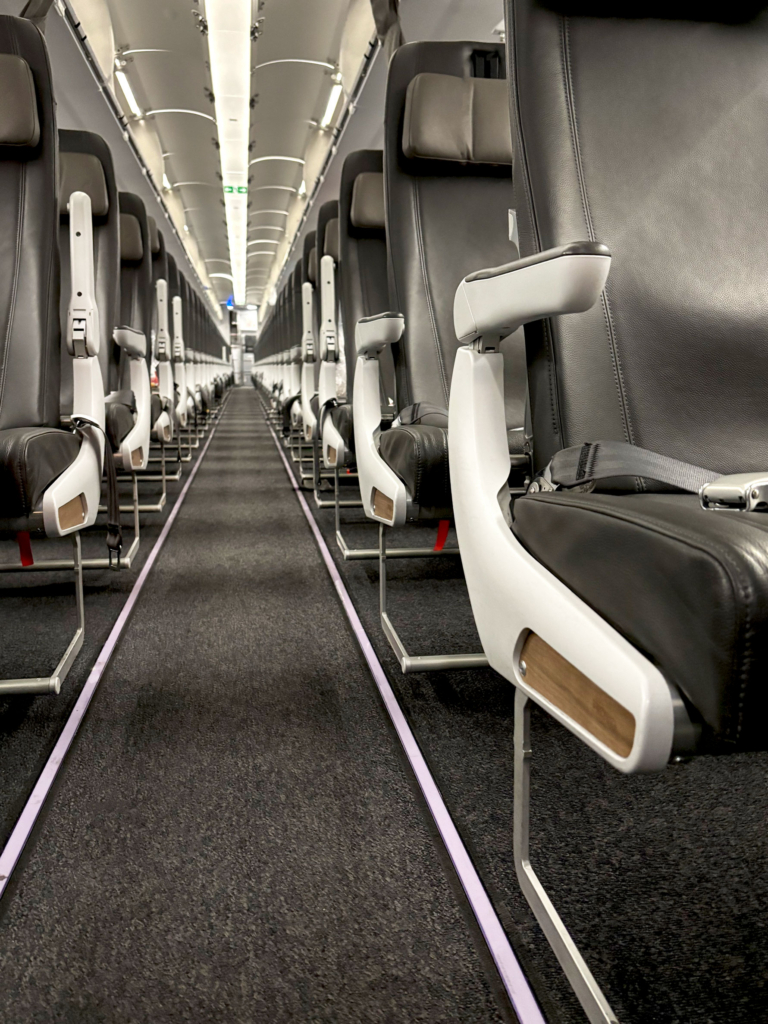
Economy class seat pitch commonly ranges from around 28 to 32 inches (71–81cm), depending on the airline and aircraft configuration. Premium economy and business class generally offer more space.
Because seat pitch differs from window spacing, the two gradually move out of alignment. One passenger might have a perfectly positioned window, while someone several rows behind must lean forward or backwards to see outside.
The differences become more noticeable in cabins with multiple seating classes, each with its own seat pitch.
Why can the same aircraft have different window alignment?
Airlines operating identical aircraft types do not necessarily use the same cabin layouts. One carrier might configure an Airbus A320 with relatively spacious economy seating, while another installs additional rows to accommodate more passengers.

Cabin refurbishments can also change window alignment. Introducing new business class seats, additional premium economy rows or higher-density economy seating may change the position of several rows.
Airlines try to align seats with the aircraft’s windows, but this is not always possible.
Passengers might enjoy an unobstructed view on one airline’s Boeing 787 but find the window poorly positioned when flying the same aircraft type with another operator.
Why do some aircraft window seats have no window at all?
Some aircraft have fuselage sections where windows cannot be installed because essential systems occupy the space behind the cabin sidewall.
The Boeing 737 is a familiar example. According to Alaska Airlines’ guide to its windowless seats, air-conditioning ducts run vertically through part of the fuselage on the aircraft’s left side.

These ducts carry conditioned air from equipment beneath the cabin to the overhead distribution system, preventing a window from being installed in that location.
The affected seat varies according to aircraft variant and airline configuration.
On Ryanair’s Boeing 737-800, seat 11A is particularly well known for lacking a window. On its higher-capacity Boeing 737 MAX 8200, the corresponding windowless seat is 12A.
11A needs its own Twitter account 🤦
— Ryanair (@Ryanair) August 27, 2022
Some De Havilland Dash 8 Q400 seats also have restricted views because of electrical conduits behind the cabin wall.
Why some business class window seats don’t have a window
Window alignment is not exclusively an economy class problem.

Seats 6A and 6K are positioned alongside sections of the fuselage where windows have been closed off. Although neighbouring windows remain available, their position makes looking outside awkward.
Even sophisticated premium cabin designs cannot always deliver ideal window alignment.
Aircraft interior designers must balance seat dimensions, passenger privacy, aisle access and available cabin space against the fixed window positions.
Why don’t aircraft manufacturers design windows to match the seats?
Aircraft manufacturers sell the same models to airlines with very different seating requirements.
A Boeing 787 might operate with a large business class cabin for one airline and a substantially higher-density economy configuration for another. Even aircraft belonging to the same airline can have different layouts.

Designing different fuselage window arrangements around individual airlines’ seat pitches would increase production complexity and potentially introduce additional certification requirements.
It would also restrict airlines’ ability to refurbish cabins during an aircraft’s operating life, which can extend over several decades.
Standardised fuselage designs let manufacturers maintain consistent production while giving airlines flexibility to modify their interiors.
How to find the best window seat on an aircraft
Airline seat maps identify which seats are beside the fuselage but may not always show the exact window positions.
Passengers who value the view can consult detailed seating diagrams before booking. Aircraft seat map websites can help identify seats with restricted or poorly aligned windows.
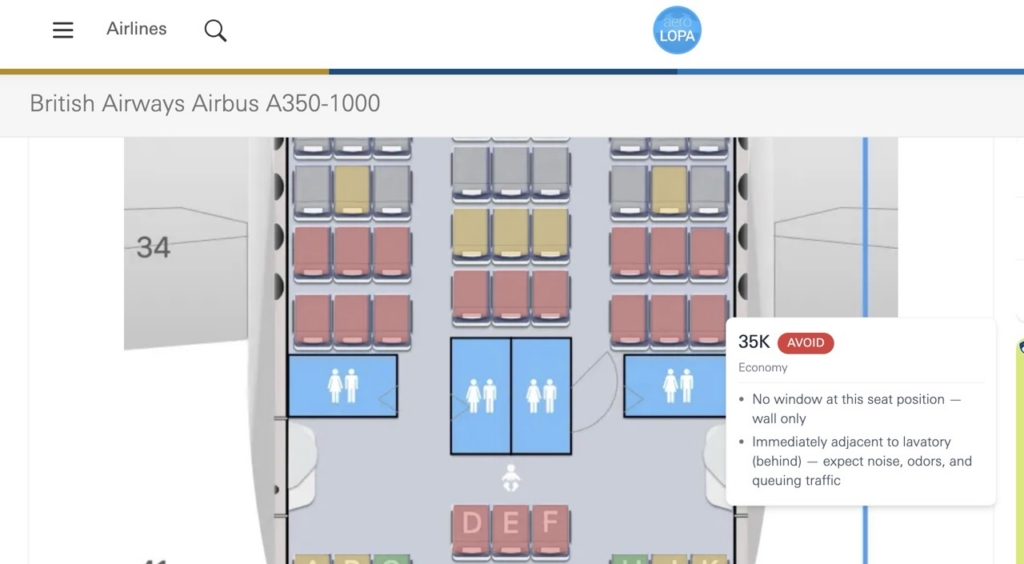
However, travellers should check the specific airline and aircraft configuration for their flight rather than relying on the aircraft model alone.
The distinction between a window seat and a seat with a window has even prompted legal action.
As United Airlines argued in response to a lawsuit filed by passengers, a “window” seat designation identifies a seat beside the aircraft’s outer wall. It does not necessarily guarantee an actual window.
For passengers hoping to enjoy the view, checking the aircraft’s seating configuration before selecting a seat remains the best way to avoid an unpleasant surprise.
Sign up for our newsletter and get our latest content in your inbox.


More from

October 17, 20264 min read





