


United Airlines loses bid to dismiss ‘windowless window seat’ lawsuit

3 min read
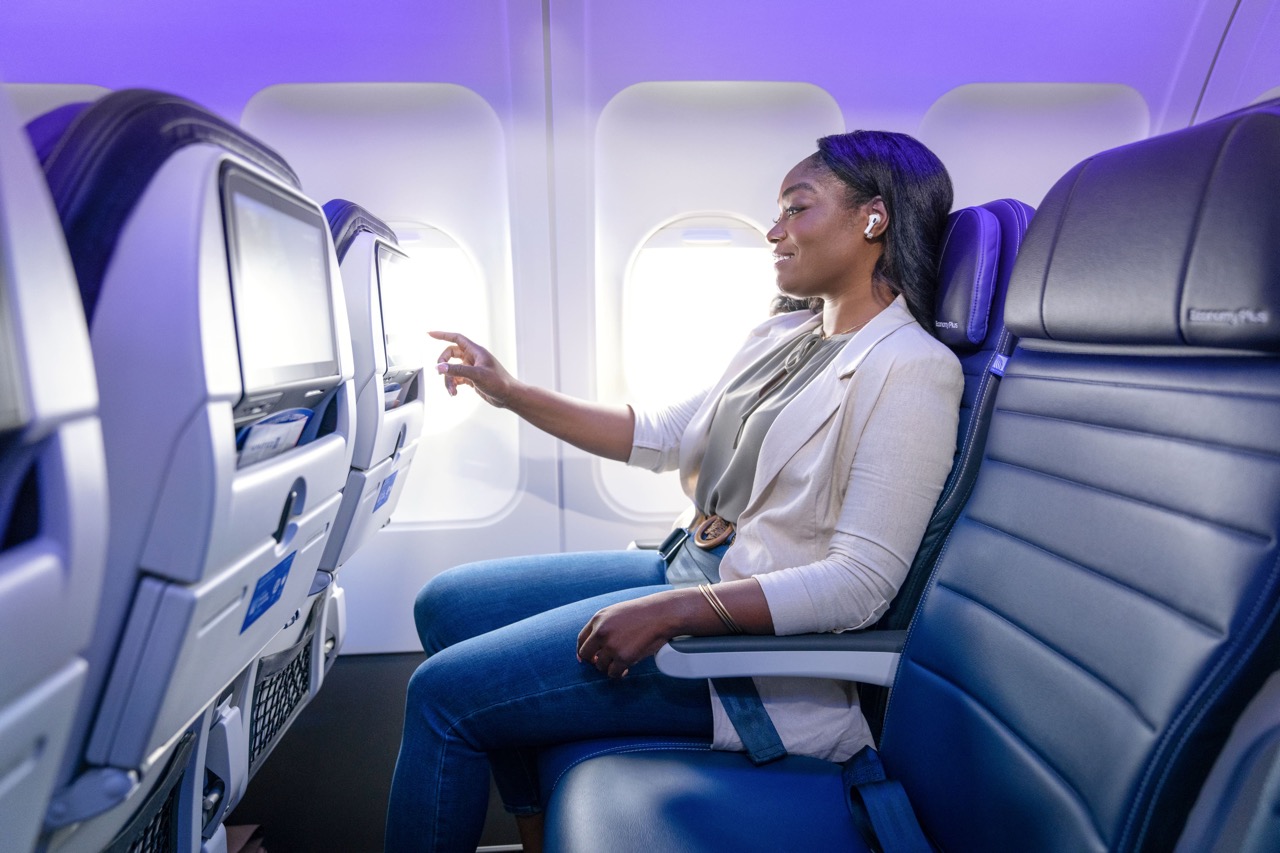
United Airlines has failed to convince a federal judge to dismiss a class action lawsuit alleging the carrier misled passengers by charging extra for “window seats” that did not include an actual window.
The ruling is a setback for the airline after it argued last year that the term “window seat” describes only a seat’s position beside the aircraft wall and does not guarantee passengers a view outside.
Judge allows passengers’ claims to proceed
US District Judge James Donato of the Northern District of California denied United’s motion to dismiss on 6 July, allowing the proposed class action to move into the next stage of litigation.
In his ruling, Donato rejected United’s argument that passengers could not reasonably interpret the airline’s use of the term “window seat” as a promise of an actual window.
This is the second time this year my window seat has been windowless pic.twitter.com/8n7iCeFecW
— bea ⚾️ (@beasknees25) July 3, 2026
Instead, the judge found that the plaintiffs had plausibly alleged that United’s own booking process—including its reservation screens, ticketing terms and boarding passes—could reasonably be interpreted as promising passengers a genuine window seat when they paid for one.
According to the ruling, “No more is needed at this stage for the breach claims to go forward.”
The decision does not determine whether United is liable. Instead, it allows the plaintiffs to continue gathering evidence and pursuing their claims through discovery.
United’s unusual LOPA defence fails
As Aerospace Global News previously reported, United sought dismissal of the lawsuit by arguing that “window” refers only to a seat’s location on the aircraft, relative to the aircraft wall, rather than guaranteeing an exterior view.
United stated that its booking screens and boarding passes label all seats as “window”, “middle”, or “aisle”, based on industry-standard shorthand for the seat’s position on the LOPA (location of passenger accommodation). However, the airline claimed that the seat’s designation did not guarantee an actual window at that location.

The airline also argued that its Conditions of Carriage did not promise a view and that federal law preempted many of the passengers’ claims.
Judge Donato rejected United’s argument on its Conditions of Carriage and declined to dismiss the case. He found that the plaintiffs had adequately alleged breach-of-contract claims based on United’s own representations during the booking process.
United has not publicly commented on the ruling. However, as the Guardian reported, the airline said it has “added more detail to our seat selection process, so customers can have more information about what to expect when they choose a seat.”
Why do some window seats have no windows?
The lawsuit centres on aircraft in which cabin layouts mean certain seats are next to a blank section of the fuselage rather than an actual window.
The plaintiffs allege that United sold these seats as “window seats” while charging seat-selection fees, without clearly warning customers that no outside view was available.
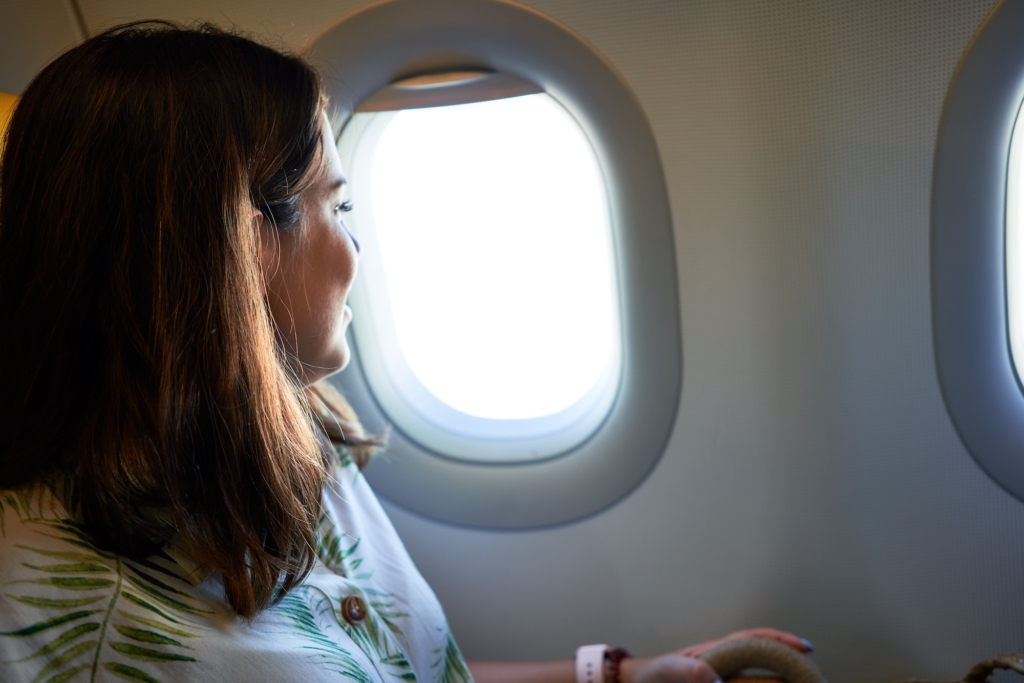
The proposed class action covers passengers who booked seats on certain Boeing 737, Boeing 757 and Airbus A321 aircraft, where the placement of air-conditioning ducts, structural elements or other aircraft systems can result in missing windows.
Passengers argue they paid premiums expecting the benefits of window seats, including an outside view, natural light and a more comfortable travel experience.
Potential implications for airlines
Although the ruling is procedural rather than a decision on the merits, it represents an important development for airlines’ increasingly lucrative ancillary revenue business.
A similar lawsuit against Delta Air Lines remains pending in federal court in New York.
Some airlines already indicate on their seat maps that a selected window seat lacks a window before purchase, but others are less transparent. Passengers can check third-party seat map providers before booking to confirm whether their window seat will have a view.
If the plaintiffs ultimately succeed, carriers could face greater pressure to identify seats without windows in their booking systems clearly or to reconsider charging premium fees for these irregular window seats.
Featured Image: United Airlines
Sign up for our newsletter and get our latest content in your inbox.


More from

October 4, 20264 min read


