


Why was the Boeing 747 designed with its iconic fuselage hump?

7 min read
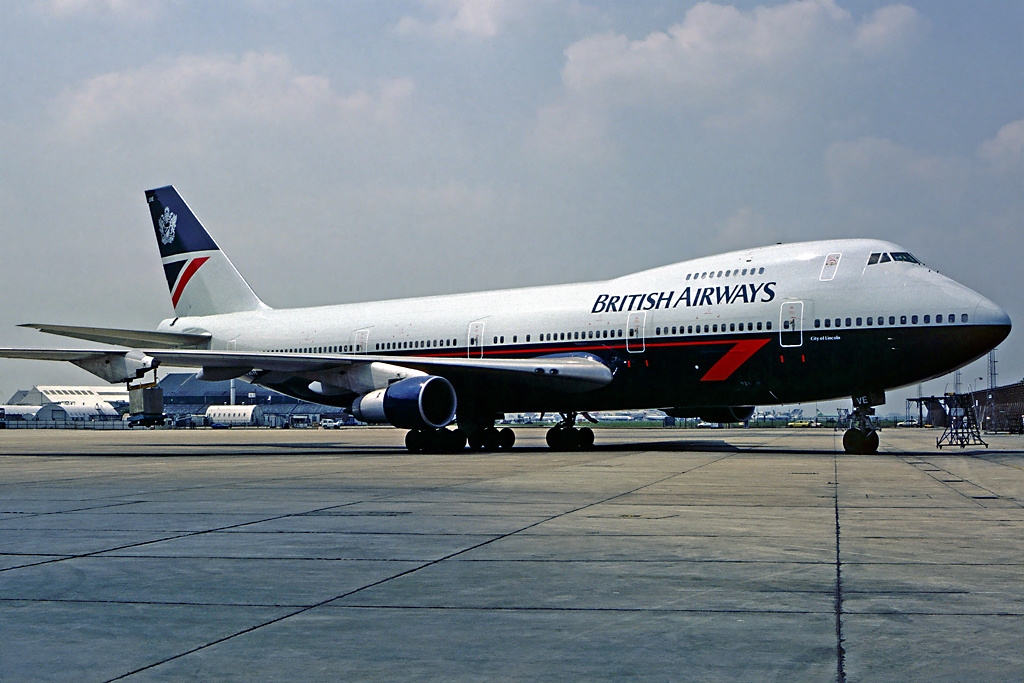
The Boeing 747 is one of the most recognisable aircraft ever built. Its enormous size, four engines, and distinctive upper-deck “hump” have made it an enduring symbol of the jet age.
But the unusual shape was not simply a piece of styling. The famous forward hump was the result of a combination of engineering requirements, airline economics and Boeing’s plans for the future of air travel.
The challenge of building a giant aircraft
When Boeing began developing the 747 during the 1960s, commercial aviation was changing rapidly. Airlines wanted aircraft that could carry far more passengers than existing jets, while airports were becoming increasingly crowded.
Boeing therefore needed to create an aircraft with dramatically greater capacity without making it impractical to operate.

The obvious solution was to build a much larger aircraft. However, simply making a conventional single-deck airliner wider would have created problems.
A very wide fuselage would require new airport gates and infrastructure, while boarding and unloading large numbers of passengers through a single level could take considerable time.
Boeing therefore explored the possibility of a widebody aircraft with two passenger decks. The result was an aircraft that looked radically different from anything that had come before it.
The 747 was originally designed with cargo in mind
An important part of the story is that the 747 was not originally conceived purely as a passenger aircraft. Boeing expected air travel to continue growing, but it also recognised the enormous potential of air freight.
At the time, Boeing was competing for a major US military transport contract. The company developed a large aircraft concept for the competition, but the contract eventually went to Lockheed and its C-5 Galaxy.
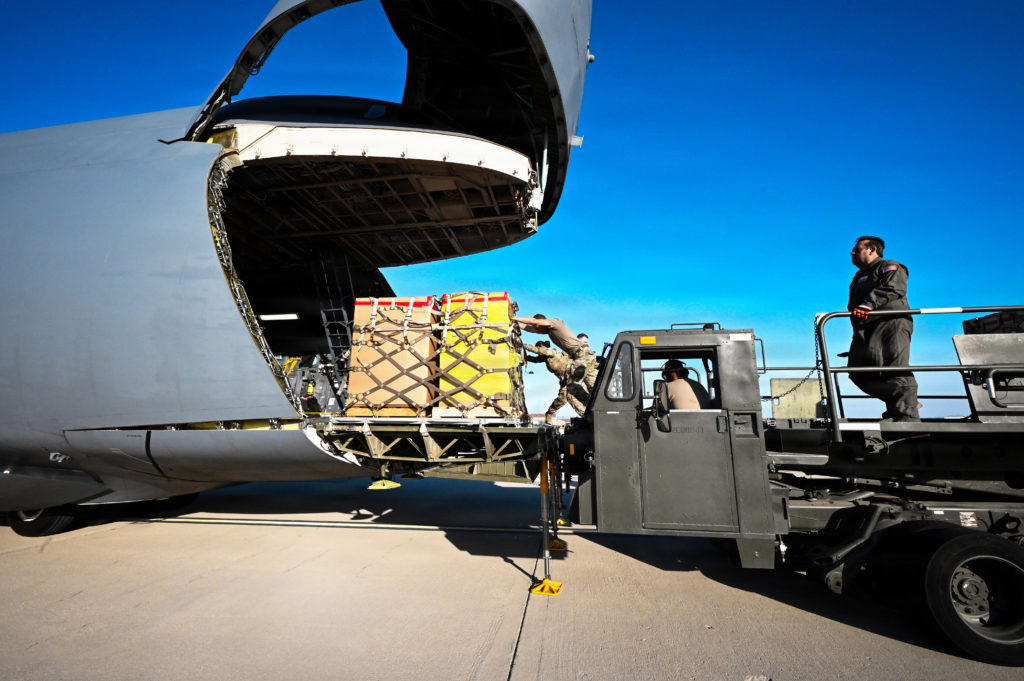
Boeing nevertheless retained valuable ideas from its work on the large transport aircraft. The company adapted the concept for the commercial market, where airlines wanted an aircraft capable of carrying huge numbers of passengers or substantial quantities of freight.
The 747’s raised cockpit made it possible to install a hinged nose that could swing upward. Freight could then be loaded directly through the front of the aircraft. This feature was particularly valuable for cargo operators.
The 747 could also be built in dedicated freighter versions, making the distinctive hump useful even when there were no passengers upstairs.
Why was the hump at the front?
The most important reason for the 747’s hump was that Boeing needed to create a second deck while preserving the aircraft’s ability to be loaded quickly and efficiently.
The original 747 was designed with an unusual feature for a passenger aircraft – a large cargo door in the nose. This allowed freight to be loaded directly into the front of the aircraft.
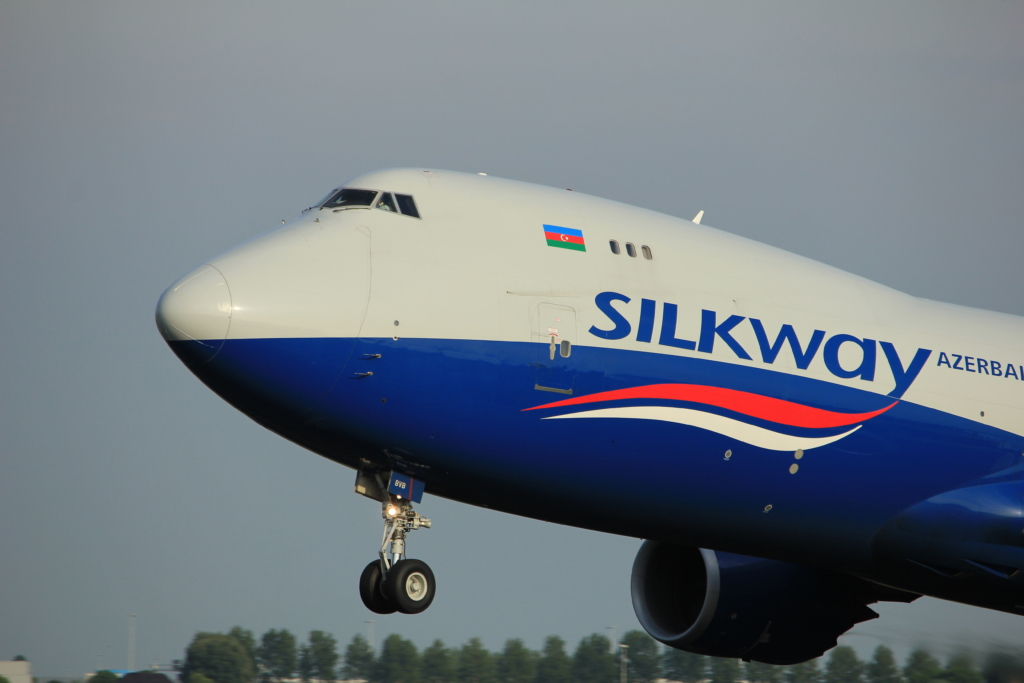
To make this possible, the cockpit could not occupy the very front of the fuselage in the conventional way. Instead, Boeing placed the cockpit above the main cargo area. The result was the raised section at the front of the aircraft.
The upper deck therefore had a very practical origin. The cockpit was moved upstairs to leave space underneath for cargo, while the area behind the cockpit could be used for passengers. This arrangement created the characteristic stepped profile that became the 747’s signature appearance.
Why not make the entire aircraft two decks?
At first glance, the obvious question is if Boeing wanted more passengers, why not simply build two complete decks? The answer lies partly in emergency evacuation regulations and partly in practicality.
In the 1960s, Boeing had to design an aircraft that could be evacuated rapidly in an emergency. A full-length upper passenger deck would have created additional challenges involving exits, evacuation routes, and airport infrastructure.
A partial upper deck was therefore a compromise. It provided additional space without making the entire aircraft a double-decker.

The arrangement also allowed the main passenger cabin to remain exceptionally wide. The 747’s fuselage was large enough to accommodate rows of seats with multiple aisles, giving passengers considerably more space than previous generation aircraft.
The upper deck became a passenger attraction
Although the hump began primarily as an engineering solution, airlines soon discovered that it could become a marketing advantage. The upper deck offered an exclusive and relatively intimate space above the main cabin. Early 747s often featured lounges, bars and other premium facilities in the upper deck.
For passengers, sitting upstairs could feel special. It was a physical demonstration that they were travelling aboard a new generation of aircraft.
Over time, the upper deck became strongly associated with premium travel. Later versions of the 747 expanded the upper deck substantially, allowing it to accommodate more passengers while retaining the distinctive hump.
The feature therefore evolved from a practical necessity into one of the aircraft’s defining characteristics.
Aerodynamics also influenced the shape
The hump may look as though it should create significant aerodynamic problems, but Boeing carefully designed the aircraft around it.
The 747’s fuselage transitions smoothly from the lower main body into the raised upper deck. Its shape was designed to minimise unnecessary aerodynamic drag while maintaining the required internal volume.
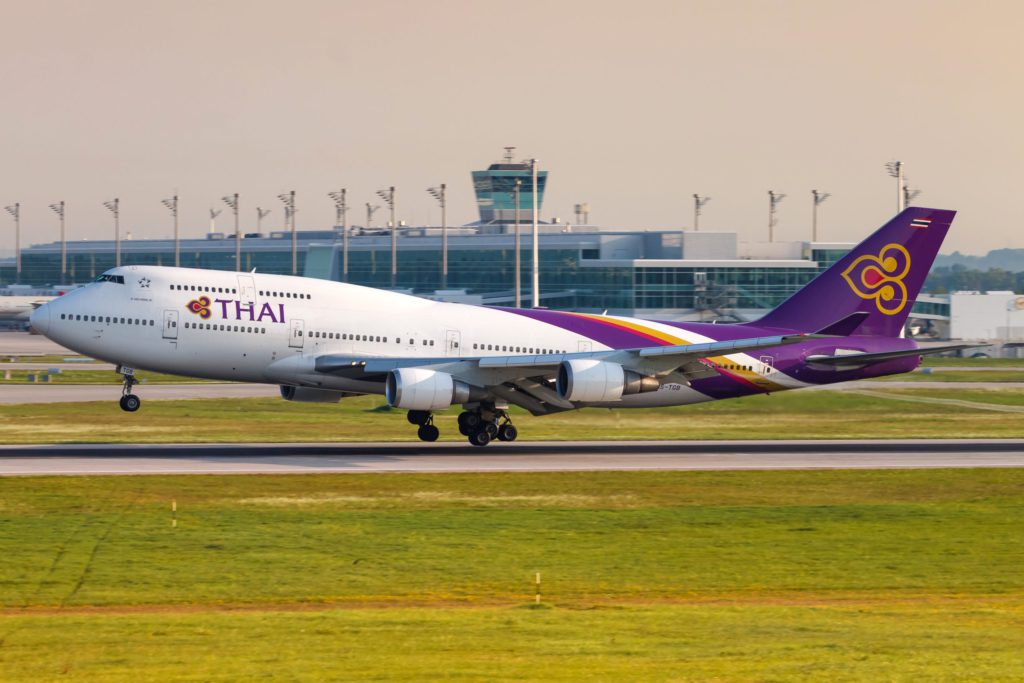
The hump is relatively short compared with the aircraft’s enormous overall length. Behind the raised cockpit section, the fuselage returns to its normal shape, creating the familiar profile.
At cruising altitude, the aircraft’s overall aerodynamic design is dominated by its huge wings, swept shape and efficient engines. The hump was therefore an acceptable compromise for the advantages it provided.
The hump also solved a cockpit-access problem
Placing the cockpit above the main deck had another practical advantage. The flight crew could reach the cockpit without interfering with passenger boarding or cargo operations below.
On passenger versions of the 747, this created a clear separation between the flight deck and the main cabin. On freighter versions, the arrangement was even more valuable because cargo could be loaded through the nose without requiring access through the cockpit area.
The raised flight deck consequently became an important part of the aircraft’s operational flexibility.
A design that outlived its original purpose
Perhaps the most remarkable thing about the 747’s hump is that it remained part of the aircraft long after the circumstances that created it had changed.
Modern aircraft are increasingly efficient, and twin-engine wide-body jets have replaced four-engine aircraft such as the 747 on many long-distance routes. Modern cargo aircraft also have different requirements and technologies.
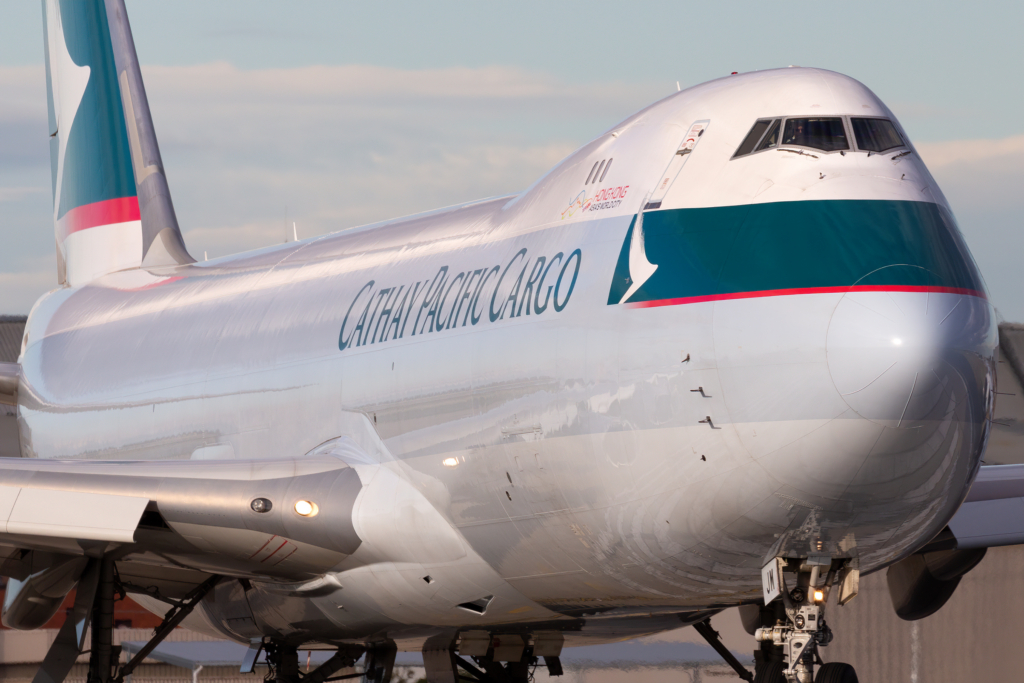
Yet the 747’s basic configuration remained successful for decades. More than just a solution to a 1960s engineering problem, the hump became part of a highly versatile aircraft capable of carrying passengers, freight and even serving specialised roles.
The later 747-8 retained the distinctive upper deck, demonstrating how effectively the original concept had stood the test of time.
An iconic shape with a practical purpose
The Boeing 747’s forward hump was therefore not designed simply to make the aircraft look distinctive. It emerged from a series of practical decisions.
Boeing wanted an enormous wide-body aircraft capable of carrying large numbers of passengers while also offering exceptional cargo capacity. The need for a front-loading cargo door led to the cockpit being positioned above the main deck. That created room for the upper deck, and the result was the distinctive hump.
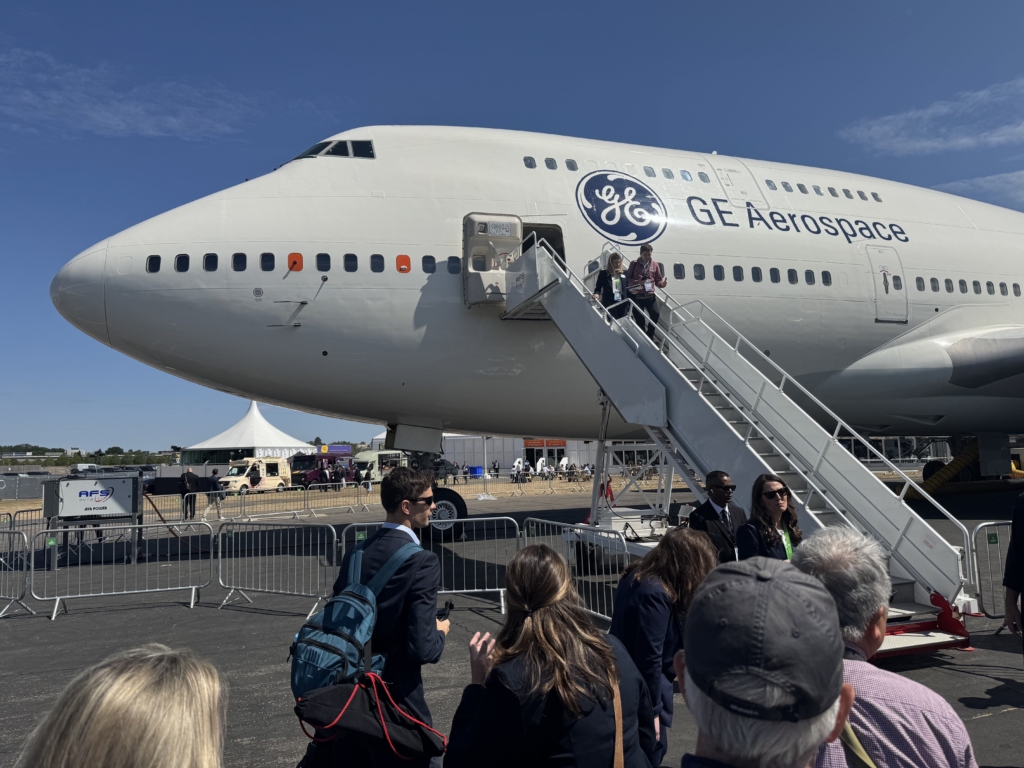
What began as an engineering compromise eventually became one of the most recognisable silhouettes in aviation history.
The hump gave the 747 its personality, but more importantly, it reflected the aircraft’s original mission: to carry unprecedented numbers of people and vast quantities of cargo efficiently.
Today, the 747 is remembered as much for its appearance as for its technical achievements. Its distinctive upper deck is a reminder that some of the most famous shapes in engineering are created not by designers seeking beauty, but by engineers solving practical problems.
In the case of the 747, that solution helped create an aircraft that transformed international air travel and became an enduring icon of the jet age.
Sign up for our newsletter and get our latest content in your inbox.


More from

October 17, 20265 min read

October 17, 20264 min read





