


Why airlines abandoned the upper deck lounge era

5 min read
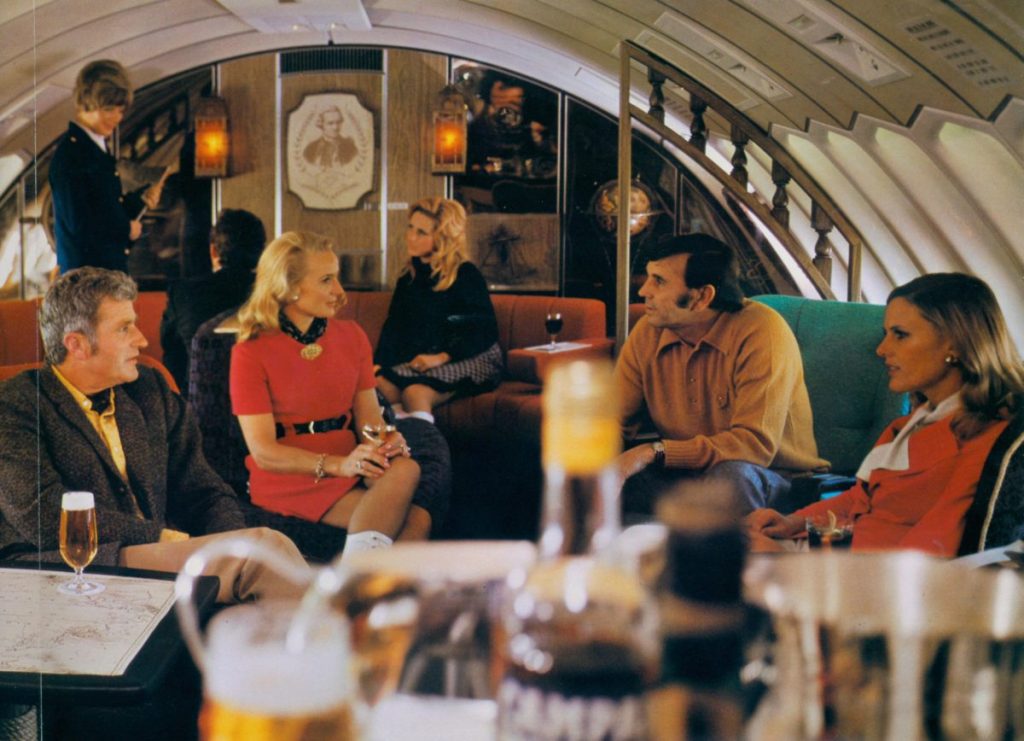
For a brief period in aviation history, flying was about more than simply getting from one destination to another. On some of the world’s most luxurious aircraft, passengers could leave their seats, head upstairs and enjoy a drink in an exclusive lounge thousands of feet above the ground.
The upper-deck lounge became one of the most memorable features of the golden age of commercial aviation. From elegant cocktail bars to spacious social areas, these spaces represented an era when airlines competed to make the journey itself an experience.
Yet today, such lounges are almost entirely a thing of the past. So what happened to this distinctive feature of air travel?
The golden age of onboard lounges
The introduction of large, wide-bodied aircraft during the late 1960s transformed commercial aviation. Among the most important was the Boeing 747, which entered airline service in 1970.
Its distinctive hump-backed design created an opportunity that airlines were quick to exploit. The upper deck, initially relatively small, could be transformed into an exclusive passenger space.
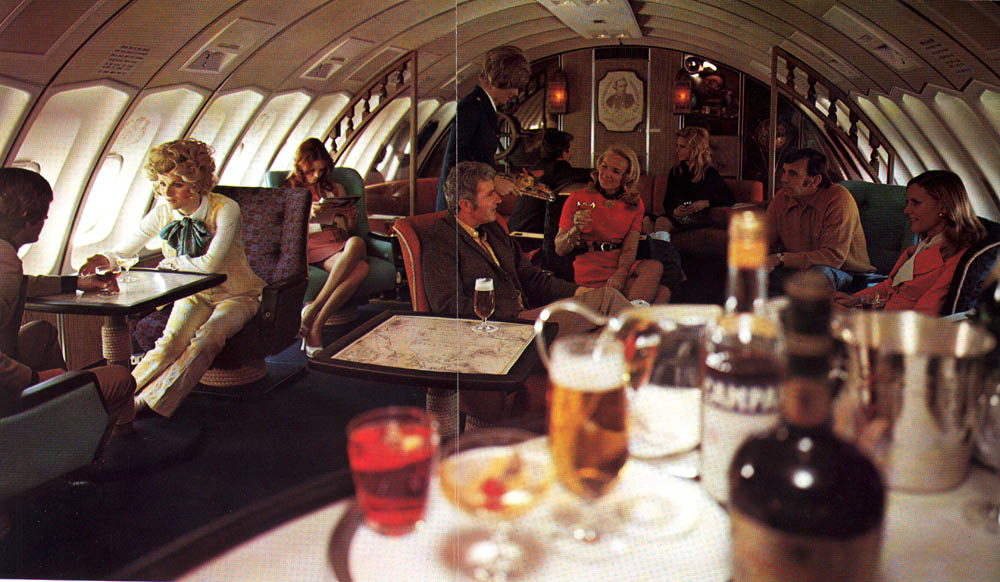
Airlines including Pan Am, American Airlines and other international carriers experimented with upstairs lounges, cocktail bars and social areas. Some featured comfortable armchairs, tables, elegant lighting and even piano-style entertainment.
For premium passengers, these spaces offered something that conventional aircraft cabins could not: the freedom to get up, socialise and enjoy a drink away from their seats. The upper deck became a powerful marketing tool, helping airlines distinguish themselves in an increasingly competitive international travel market.
The Boeing 747 made it possible
Although the 747 was primarily designed to carry large numbers of passengers, its unusual upper-deck configuration gave airlines considerable flexibility.
Early versions featured a relatively short upper deck, leaving room for a staircase connecting the main cabin to the lounge above. The space was particularly attractive to first-class passengers, who could enjoy a more exclusive environment during long-haul flights.
However, not every airline used the area in the same way. Some installed dedicated bars, while others opted for smaller lounges or additional seating.
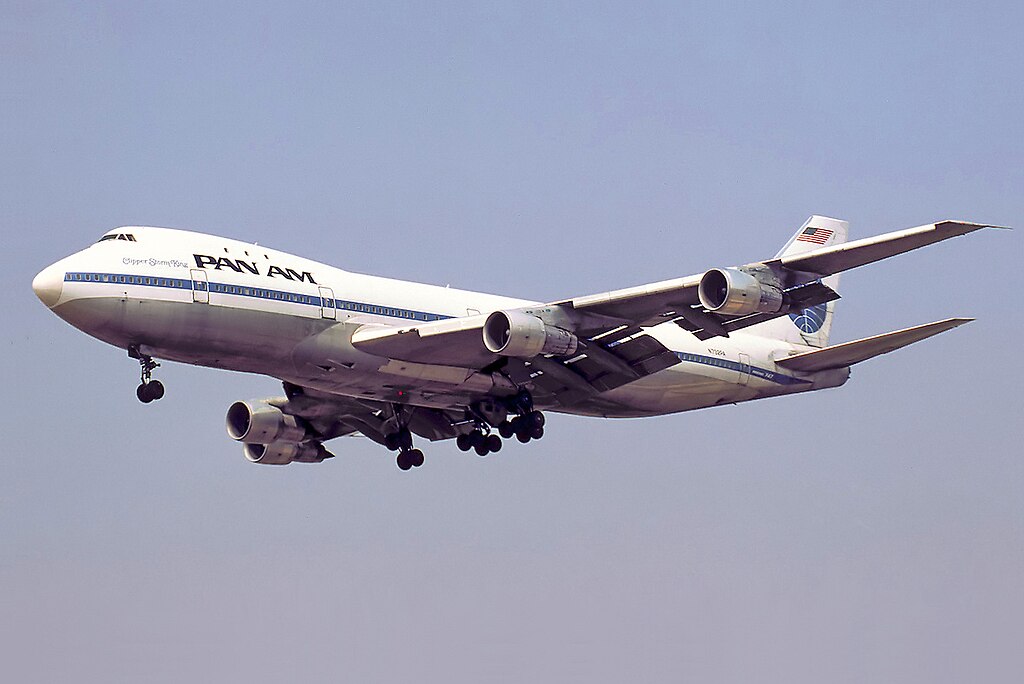
As the 747 evolved, the upper deck was gradually extended on later versions (-300, -400, -8I), allowing airlines to accommodate more passengers in business and first class. This marked the beginning of the end for the traditional upstairs lounge.
Economics began to outweigh luxury
One of the biggest reasons airlines abandoned onboard lounges was financial. Every square metre of an aircraft cabin represents potential revenue. A lounge containing comfortable seating, a bar and social space could accommodate far fewer paying passengers than a conventional seating arrangement.
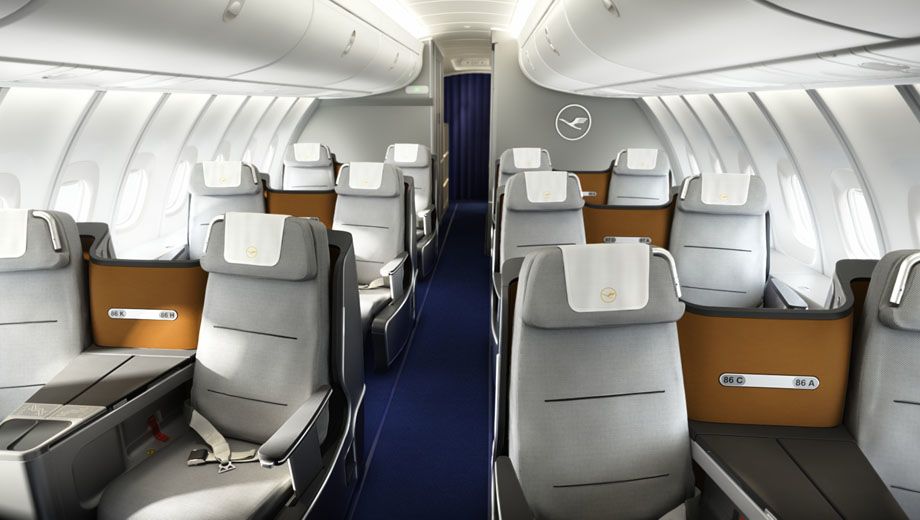
As airlines became increasingly focused on profitability, dedicating valuable cabin space to passengers who might only use it occasionally became difficult to justify. The economics became even more challenging as premium cabins evolved.
Airlines discovered that passengers were often willing to pay considerably more for private suites, fully flat beds and enhanced personal service.
Rather than providing a shared social space, carriers could generate additional revenue by installing more premium seats. The lounge was increasingly viewed as an expensive luxury rather than a profitable investment.
Changing passenger expectations
Passenger expectations also changed significantly. During the early decades of commercial jet travel, flying was often considered a special occasion. Passengers dressed formally, enjoyed elaborate meals and appreciated the opportunity to socialise during long journeys.
Modern air travel is considerably different nowadays. Business travellers increasingly prioritise privacy, comfort and the ability to work during flights. Leisure passengers, meanwhile, often value entertainment systems, personal space and comfortable seating.
The introduction of individual entertainment screens, improved connectivity and increasingly sophisticated premium cabins reduced the appeal of communal lounges. Today’s business-class passenger may prefer a private suite with a lie-flat bed over a shared cocktail bar.
Safety and operational considerations
Safety and operational requirements also played a role. Aircraft interiors must comply with strict regulations covering emergency evacuation, passenger movement, and cabin safety.
Dedicated lounges add challenges, especially when passengers move during turbulence or the aircraft encounters unexpected conditions. Open social spaces also require careful consideration of passenger circulation and crew responsibilities.
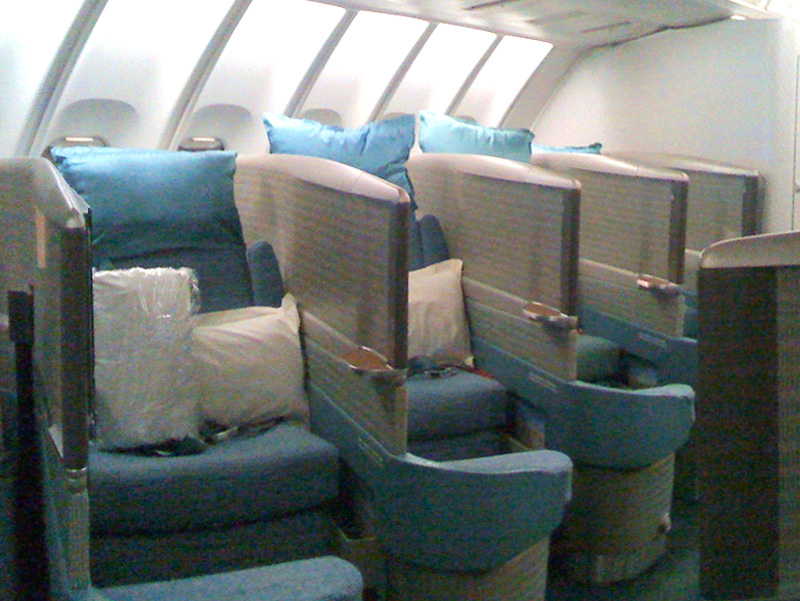
Although lounges were not inherently unsafe, their operational demands added another layer of complexity for airlines already seeking to simplify cabin layouts.
The rise of airport lounges
Another important development was the growing popularity of premium airport lounges. Airlines increasingly invested in luxurious ground facilities where passengers could enjoy restaurant-quality food, comfortable seating, showers, bars and business facilities before boarding. These lounges offered several advantages over their airborne counterparts.
They were larger, easier to maintain and could accommodate passengers from multiple flights. They also allowed airlines to provide a premium experience without sacrificing valuable aircraft cabin space.

For many travellers, the airport lounge became the place to relax and socialise, while the aircraft itself became a more functional environment focused on reaching the destination comfortably.
Could upper-deck lounges ever return?
Although traditional upper-deck cocktail bars have largely disappeared, the idea of creating distinctive social spaces onboard aircraft has never completely vanished. Some modern airlines (such as Virgin Atlantic) have introduced onboard bars and dedicated social areas, particularly on long-haul aircraft such as the Airbus A380.
Emirates, for example, is well known for its first-class and business-class onboard lounge and bar on the A380, while other carriers have experimented with communal spaces and premium cabin features.
These modern interpretations demonstrate that passengers still appreciate the opportunity to move around and socialise during long flights. However, they are generally more compact and carefully integrated into the cabin design than the elaborate lounges of aviation’s earlier decades.
An aviation luxury that belongs to another era
The disappearance of the upper-deck lounge reflects a much wider transformation in commercial aviation.
Airlines have moved away from the idea that luxury necessarily means grand communal spaces, elaborate entertainment and extravagant onboard facilities. Instead, modern premium travel increasingly revolves around privacy, personal space and individual comfort.
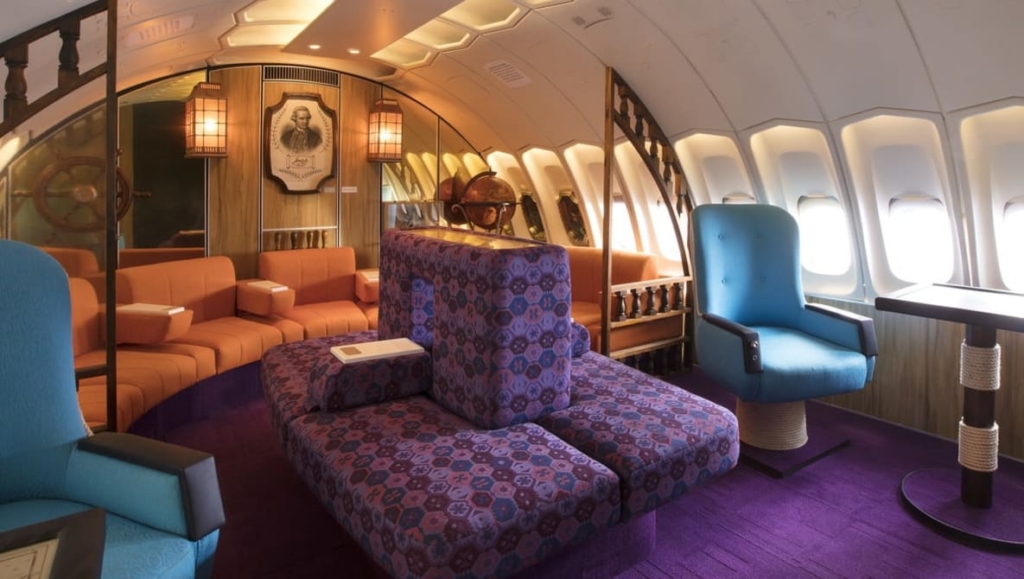
The upper-deck lounge remains one of the most fascinating reminders of an era when airlines were prepared to sacrifice passenger capacity in pursuit of an unforgettable flying experience.
While a handful of modern aircraft still offer onboard social spaces, the golden age of the airborne cocktail lounge is unlikely to return in its original form.
For aviation enthusiasts, however, those upstairs bars and elegant lounges will always represent a time when flying was as much about the journey as the destination.
Sign up for our newsletter and get our latest content in your inbox.


More from


November 6, 20264 min read


