


This week in aviation history: 34 years since the Airbus A330’s first flight

10 min read
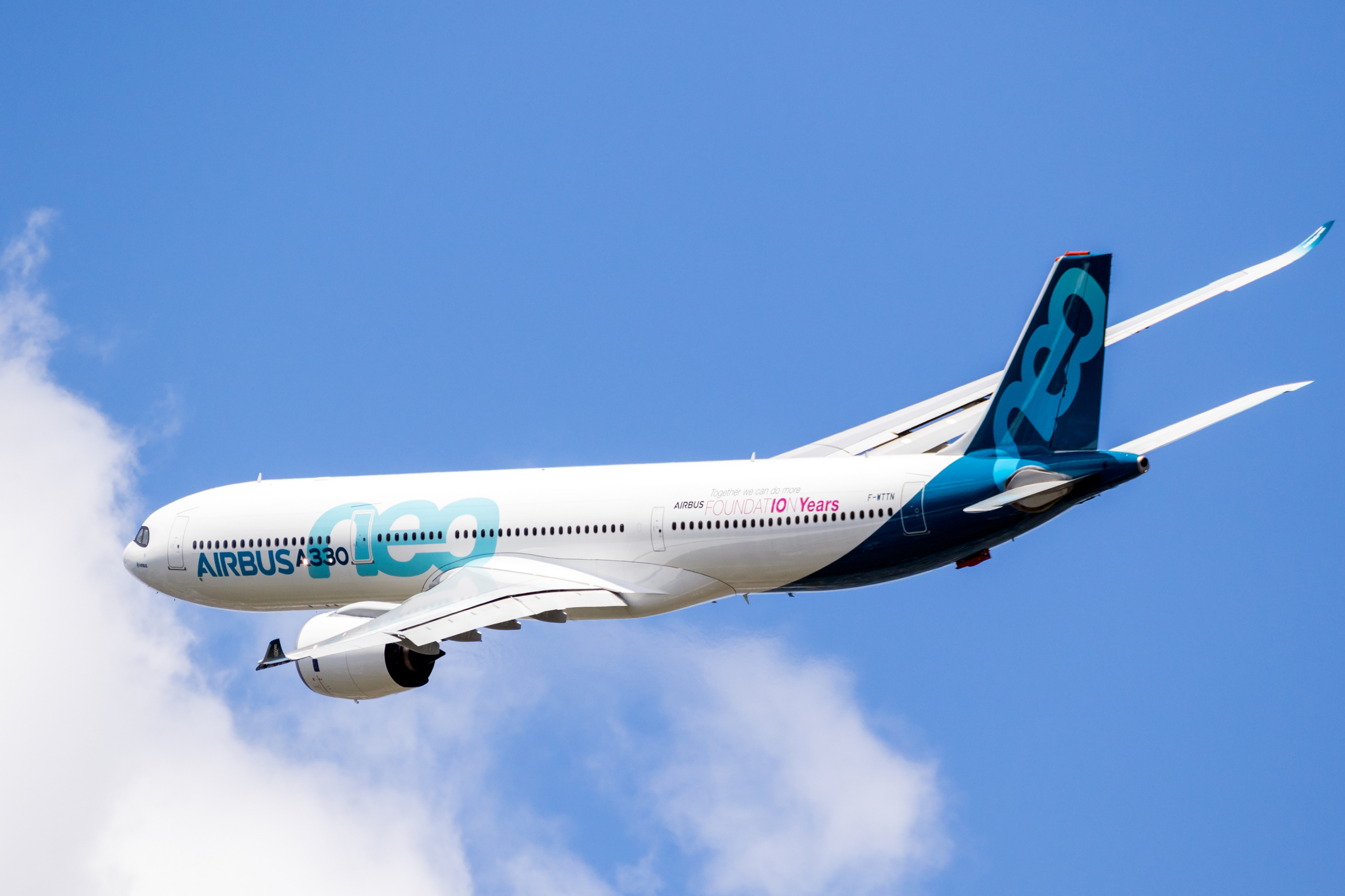
The Airbus A330, developed to meet the demands of a changing airline industry, has spent the subsequent 34 years evolving far beyond its original purpose.
From carrying passengers across oceans to transporting time-critical freight and refuelling military aircraft in flight, the A330 has demonstrated an ability to adapt to different missions without abandoning the fundamentals of its original design.
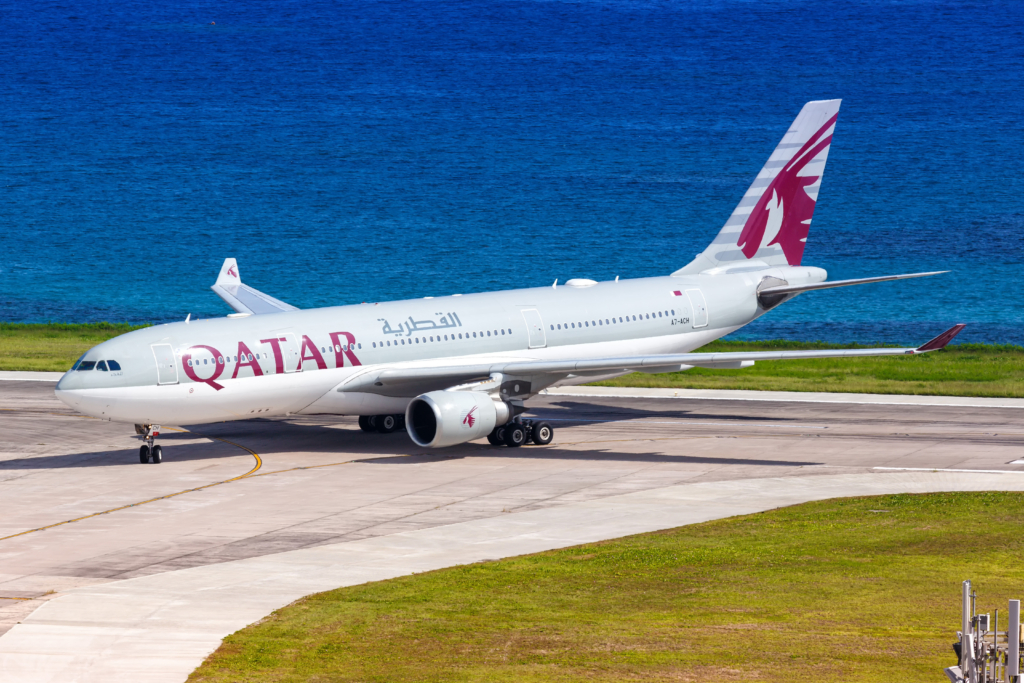
First conceived when airlines were seeking more efficient long-haul aircraft, the A330 has endured through changing economic conditions, shifting passenger expectations and significant advances in aviation technology. Its longevity reflects not simply a successful airliner design, but the flexibility of a platform that Airbus has continually developed to meet new operational requirements.
Today, the A330 remains an important part of commercial aviation. Its evolution into dedicated freighters, next-generation passenger aircraft and military multi-role tanker transports illustrates how a single wide-body design can serve an increasingly diverse range of customers.
From a new-generation airliner to a global success
The A330’s origins date back to 1987, when Airbus launched its A330/A340 programme. The European manufacturer developed two complementary aircraft: the four-engine A340 for long-range operations and the twin-engine A330 for airlines seeking wide-body capacity with the operating economics of two engines.
The A330 made its first flight on 2 November 1992, beginning an extensive flight-test and certification programme. It subsequently entered commercial service in 1994, with French airline Air Inter becoming its launch operator.
The aircraft arrived as advances in engine reliability, fuel efficiency and aircraft systems were changing the economics of intercontinental flying. Rather than relying on four engines, airlines could operate a large-capacity aircraft with two powerful turbofans, potentially reducing fuel consumption, maintenance requirements and overall operating costs.
The original A330-300 was designed to carry substantial numbers of passengers on medium- and long-haul routes. Its twin-aisle cabin offered the space expected of a wide-body aircraft, while its flight deck incorporated Airbus’s digital flight-control technology and emphasis on cockpit commonality.
The shorter A330-200, introduced in 1998, broadened the family’s appeal. With a shorter fuselage and greater range, it gave airlines another option for routes where demand did not justify the capacity of the larger variant.
This ability to balance capacity and range became one of the defining characteristics of the A330 family. Airbus had established a foundation that could accommodate different missions without requiring an entirely new aircraft architecture.
Why the A330 has proved so adaptable
The A330’s success rests on several interconnected strengths: its wide-body airframe, twin-engine configuration, useful payload capacity, long-range performance and potential for further development.
The twin-engine arrangement is particularly significant. By combining wide-body capacity with two engines, the A330 offers airlines a balance between passenger numbers, fuel consumption, and operating costs. It can serve busy regional routes, connect major international hubs, and operate long-haul services where demand does not justify a larger aircraft.
That flexibility gives airlines options when building or adjusting their networks. Depending on the variant and operating conditions, the aircraft can serve shorter sectors or international routes, allowing carriers to match capacity to demand.
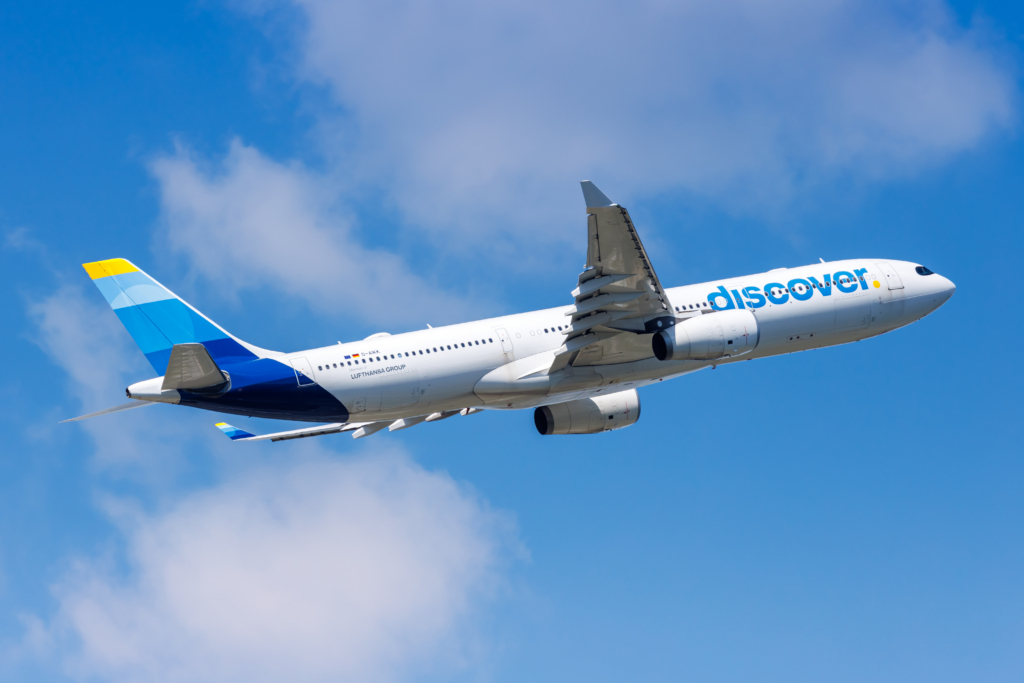
Its dimensions also contribute to its versatility. The wide fuselage provides room for passengers and luggage, while the airframe can be adapted to accommodate cargo containers, freight-handling equipment and specialised military systems. Its size offers a useful compromise between capacity and operating flexibility.
Another important factor is Airbus’s approach to incremental improvement. Rather than treating the original aircraft as a fixed product, the manufacturer has introduced changes to engines, aerodynamics, structural weights, avionics and cabin systems over successive decades.
These developments have helped keep the A330 competitive as technology and customer expectations have changed. Operators also benefit from an established aircraft family, supported by an extensive maintenance network and substantial operational experience.
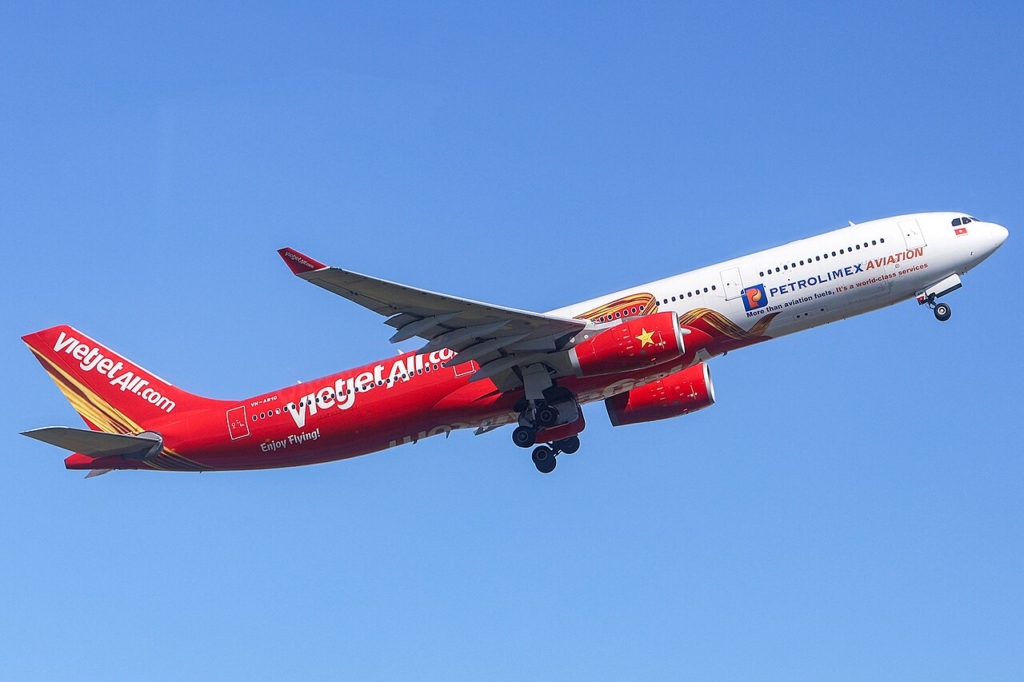
Commonality across Airbus aircraft provides further advantages. Shared cockpit philosophies and similarities in operating procedures can simplify fleet management and help airlines integrate the A330 into wider Airbus operations.
The combination of a proven airframe and continuing technical development has therefore been central to the A330’s longevity. Its adaptability is not simply a matter of having space for different equipment; it is also the result of an aircraft with sufficient performance and development potential to support new roles.
Passenger operations: the foundation of the family
Commercial passenger services remain at the heart of the A330’s identity. The A330-300 established the family’s reputation for carrying large numbers of passengers over medium and long distances.
Airlines could use it to connect major cities, serve leisure destinations and provide additional capacity on established international routes.
The introduction of the A330-200 extended that versatility. Its shorter fuselage reduced passenger capacity but allowed the aircraft to serve longer routes with a different balance between payload and range. This made it attractive to airlines opening new long-haul services or operating routes where passenger demand varied throughout the year.
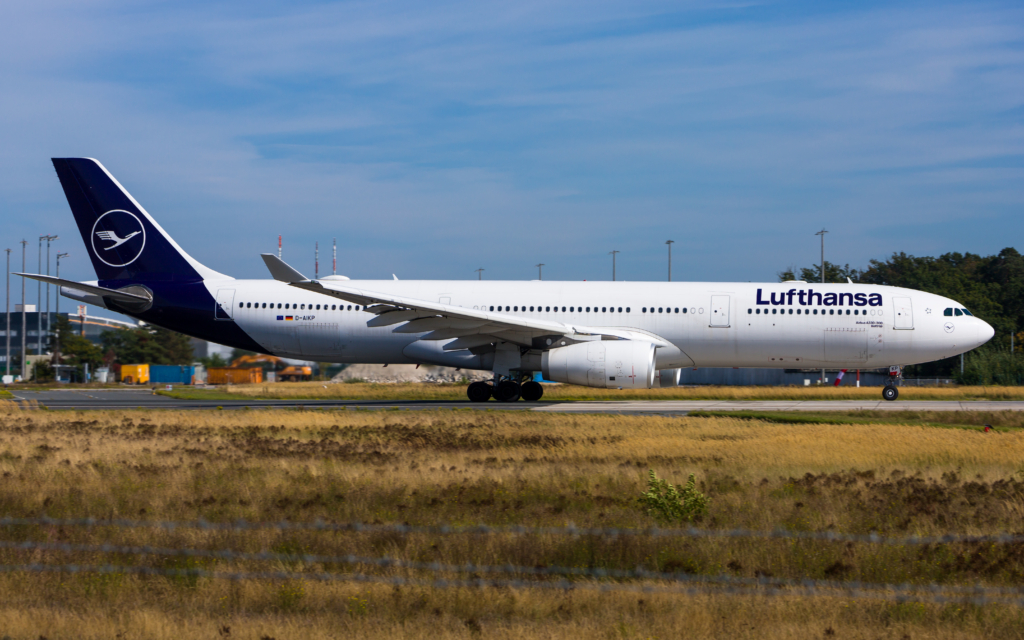
The A330 also suited different airline business models. Full-service carriers could configure it with business class, premium economy and economy seating, while leisure airlines could maximise passenger capacity for popular holiday routes.
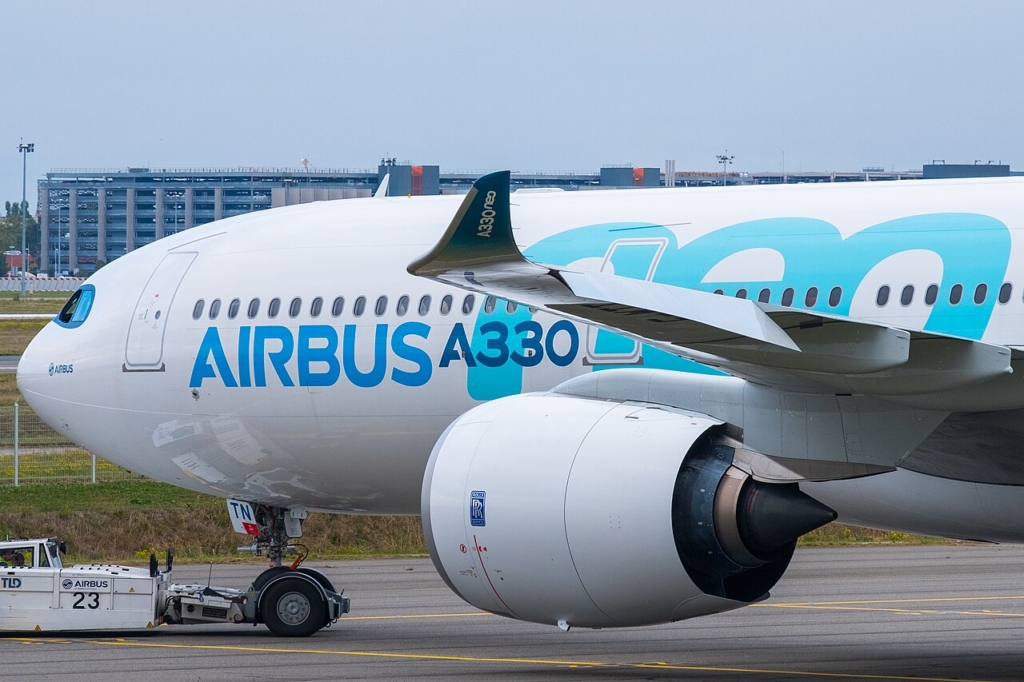
Airbus continued developing the platform with the A330neo programme, launched in 2014. The family comprises the A330-800 and A330-900, which retain the fundamental architecture of the original aircraft while incorporating significant improvements.
The A330neo features Rolls-Royce Trent 7000 engines, aerodynamic refinements, redesigned wingtip devices, and updated aircraft systems. Its cabin incorporates Airbus’s Airspace design, with modern lighting, improved storage and other passenger-focused enhancements.
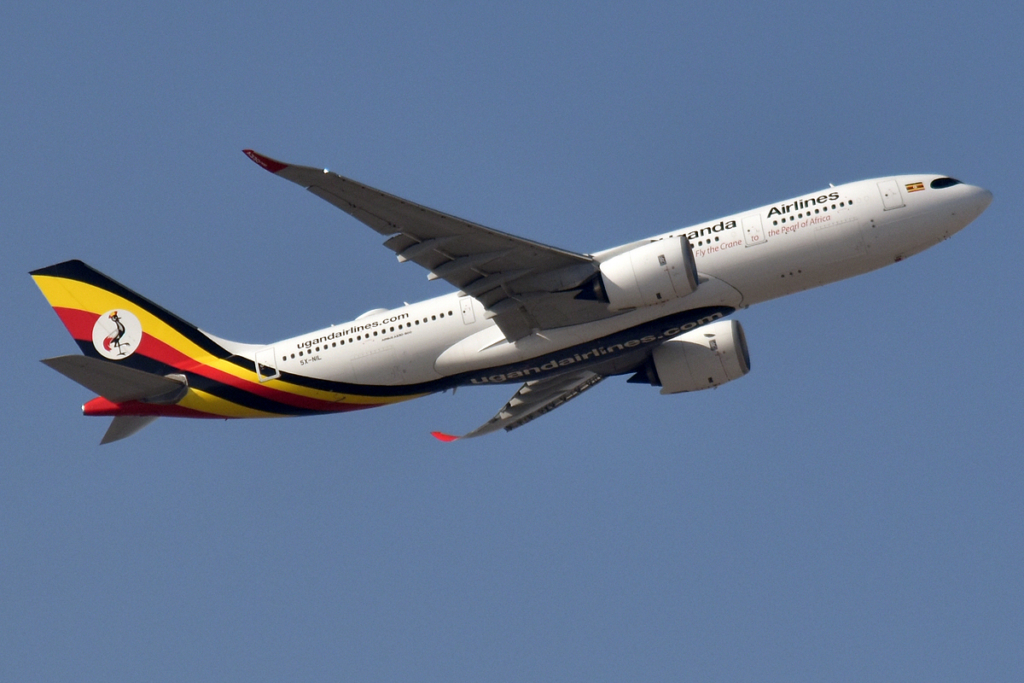
Airbus states that the A330neo delivers up to 25% lower fuel consumption and carbon dioxide emissions per seat compared with previous-generation competitor aircraft.
These improvements help the aircraft remain relevant in an industry increasingly focused on reducing operating costs and environmental impact.
The neo programme demonstrates how Airbus has built upon an established platform, updating its technology while preserving the characteristics that made it attractive to airlines in the first place.
From passengers to freight: a second life for the A330
The same characteristics that make the A330 suitable for passenger operations also provide a strong foundation for cargo transportation. Freight operators need aircraft capable of moving substantial payloads over long distances, accommodating standardised containers and operating efficiently across international networks.
The A330’s wide fuselage, payload capacity and twin-engine performance made it a natural candidate. Airbus launched the A330-200F dedicated freighter programme in 2007.
Designed specifically for cargo operations, the aircraft features a main-deck cargo door, a reinforced structure and a modified landing-gear arrangement to maintain an appropriate ground attitude.
The A330-200F entered service in 2010, providing cargo operators with a medium-sized, long-range freighter. With a maximum payload of approximately 70 tonnes, it could carry general freight, express parcels and specialised consignments.

Its capacity made it suitable for operators seeking to match aircraft size to demand rather than deploying larger freighters on every route.
Airbus also recognised that retired passenger aircraft represented a significant source of potential cargo capacity. As airlines replaced older aircraft with newer models, suitable airframes could be converted to carry freight rather than leaving commercial service entirely.
These passenger-to-freighter, or P2F, conversions involve substantial engineering work. Passenger interiors are removed, the structure is modified to accommodate cargo loads, a large main-deck freight door is installed, and cargo-handling systems are added.
Both A330-200 and A330-300 aircraft have been converted under these programmes, giving operators access to different freighter capacities while extending the useful commercial life of existing airframes.
This approach illustrates an important aspect of the A330’s success: adaptability does not always require a completely new production aircraft. Sometimes, the most valuable innovation lies in finding a new purpose for an aircraft that has already spent years carrying passengers.
A military transformation: the A330 MRTT
Perhaps the most striking evolution of the A330 is its transformation into a military multi-role tanker transport. Developed from the A330-200, the A330 MRTT combines air-to-air refuelling with strategic transport capabilities. It can transfer fuel to other aircraft, transport personnel and equipment, and support medical evacuation missions.
The aircraft’s commercial origins provided a useful foundation. Its range, payload capacity and established airframe design suited the demands of long-distance military operations.
However, the MRTT is far more than a passenger aircraft with additional fuel tanks. It incorporates structural modifications, specialised avionics, military communications equipment and dedicated refuelling systems.
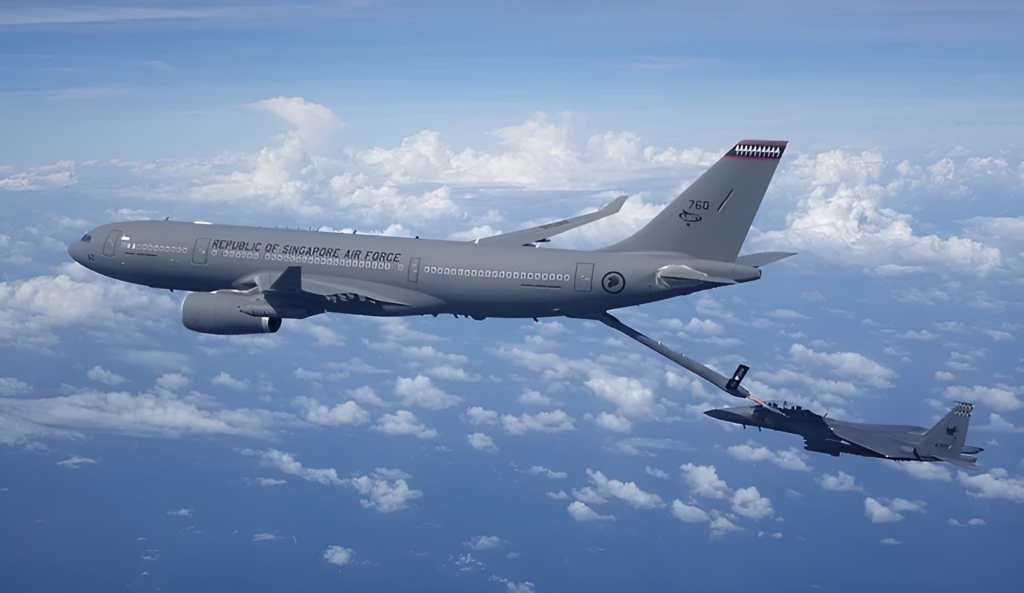
The aircraft can carry approximately 111 tonnes of fuel without additional fuel tanks. Depending on the mission and configuration, it can transfer fuel through hose-and-drogue systems or a boom refuelling system. This capability allows fighter aircraft and other military platforms to remain airborne longer, extend their operational reach and reduce the need to land for fuel.
The MRTT’s versatility extends beyond refuelling. Its transport configuration can accommodate military personnel, cargo and medical evacuation equipment, allowing operators to use it for a range of strategic missions.
The Royal Air Force operates the aircraft as the Voyager. Its fleet supports air-to-air refuelling, troop movements and other military transport requirements. Other operators include Australia, France, Singapore, South Korea and Saudi Arabia, alongside European nations participating in NATO’s multinational tanker fleet.

The MRTT demonstrates how a commercial wide-body can be transformed into a sophisticated military asset.
Although the conversion requires substantial engineering, the use of an established airframe allows Airbus to build upon existing manufacturing knowledge and operational experience rather than developing an entirely new aircraft.
One platform, multiple futures
The A330’s evolution extends beyond passenger, cargo and military applications. The family has also supported corporate and government transport through Airbus Corporate Jets, with aircraft configured for private, executive and official travel.
Such specialised applications reinforce the principle that a successful aircraft platform can support very different missions when its fundamental characteristics suit the task.
The A330 has also benefited from continuous improvements in operating efficiency, cabin design and onboard technology. These developments have helped it remain competitive while allowing operators to retain the advantages of an established aircraft type.
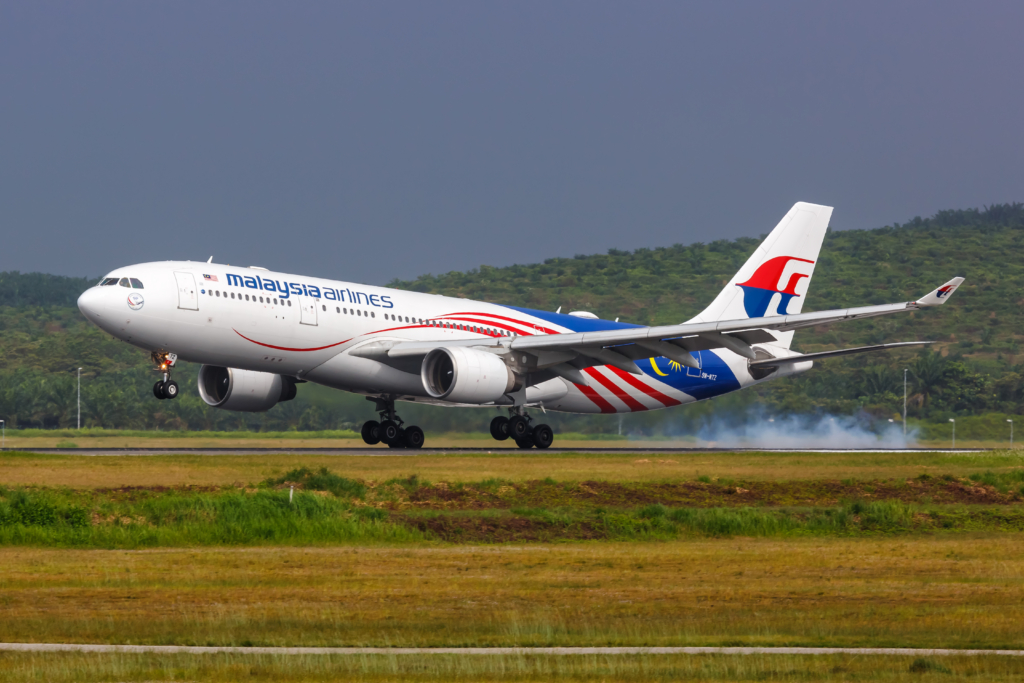
Its enduring success reflects the interaction of sound engineering, commercial practicality and continuing development. The original passenger aircraft established the foundation; dedicated freighters and passenger-to-freighter conversions expanded its cargo capabilities; and the MRTT demonstrated its potential in military service.
The A330neo has carried that adaptability into another generation, introducing new engines, aerodynamic improvements and a modern passenger environment without abandoning the platform’s established strengths.
Celebrating 34 years of adaptability
Thirty-four years after its first flight, the Airbus A330 remains an instructive example of how thoughtful aircraft design can create opportunities far beyond an aircraft’s original purpose.
Its success has not depended on a single breakthrough or one particularly successful variant. Instead, it has emerged through a combination of sound engineering, operational flexibility and a willingness to develop the aircraft as customer requirements evolve.
For airlines, the A330 provides a versatile means of carrying passengers across a wide range of routes. For freight operators, it offers a platform capable of moving substantial payloads across international networks. For military customers, the MRTT demonstrates how a commercial aircraft can become a strategic asset with multiple operational capabilities.
These roles are different, but they share a common foundation: the A330’s balance of capacity, range, efficiency and adaptability. Few aircraft illustrate so clearly how one successful wide-body design can develop multiple lives in the skies.
Sign up for our newsletter and get our latest content in your inbox.


More from

October 30, 20264 min read


