


Boeing B-47 Stratojet’s 80 hour flight: Inside the longest fixed-wing jet mission in aviation history

4 min read
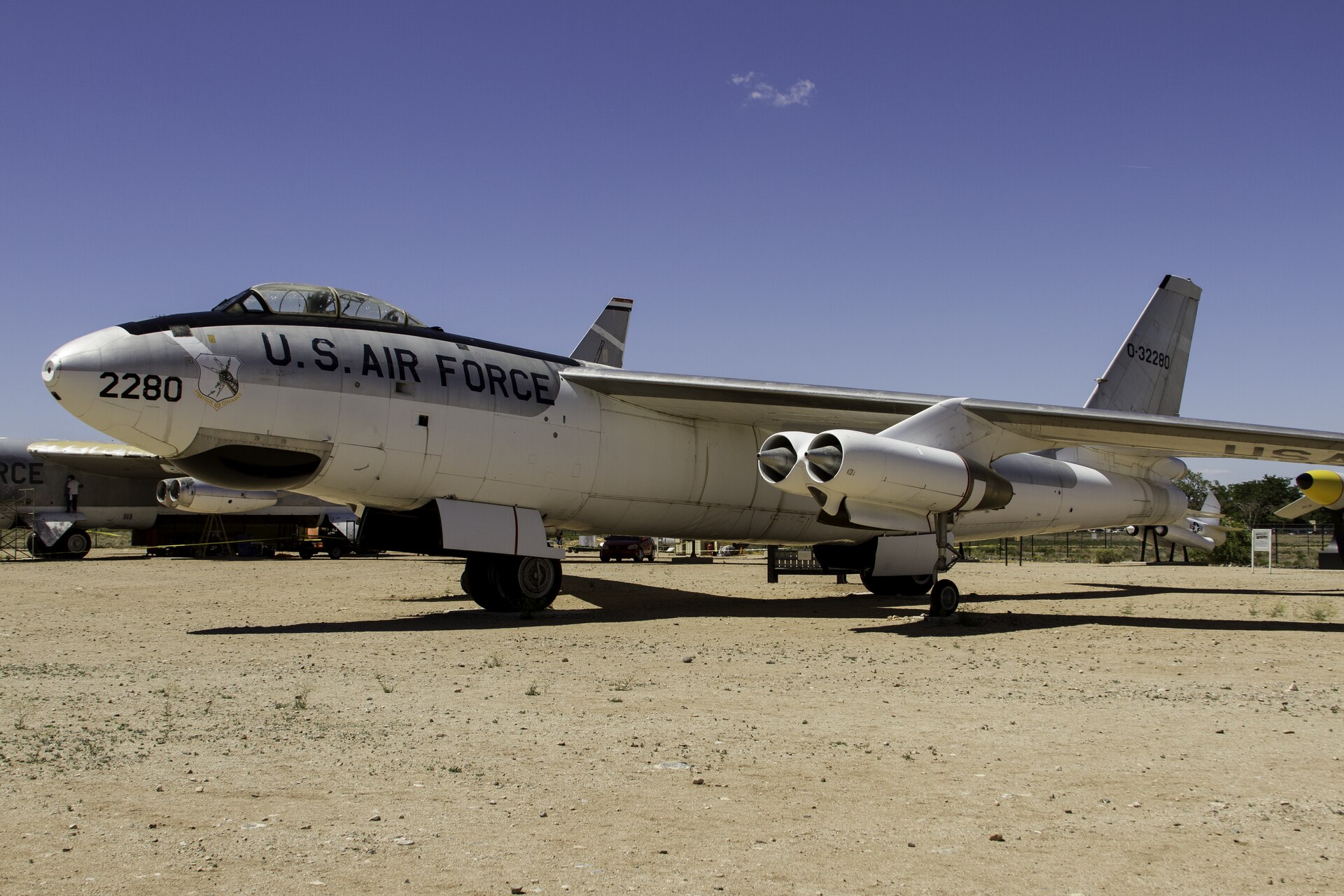
Few aviation achievements capture the ambition of the jet age quite like the remarkable endurance flight of a Boeing B-47 Stratojet in November 1959. Remaining airborne for more than three days, the aircraft completed an extraordinary 80-hour, 36-minute mission, setting a record that made aviation history.
Known as Project Long Gone, the flight demonstrated the possibilities of aerial refuelling, pushed the limits of human endurance and earned its place as the longest flight by a fixed-wing jet aircraft ever.
An extraordinary mission begins
On 27 November 1959, a modified Boeing B-47 Stratojet took off from Wright-Patterson Air Force Base in Ohio at 03:13 local time.
The aircraft, designated JB-47E and carrying serial number 51-2359, was operated by the Wright Air Development Centre (WADC). Its mission was to investigate the challenges associated with keeping pilots airborne for extended periods, including cockpit comfort, fatigue and the effectiveness of experimental seating technology.
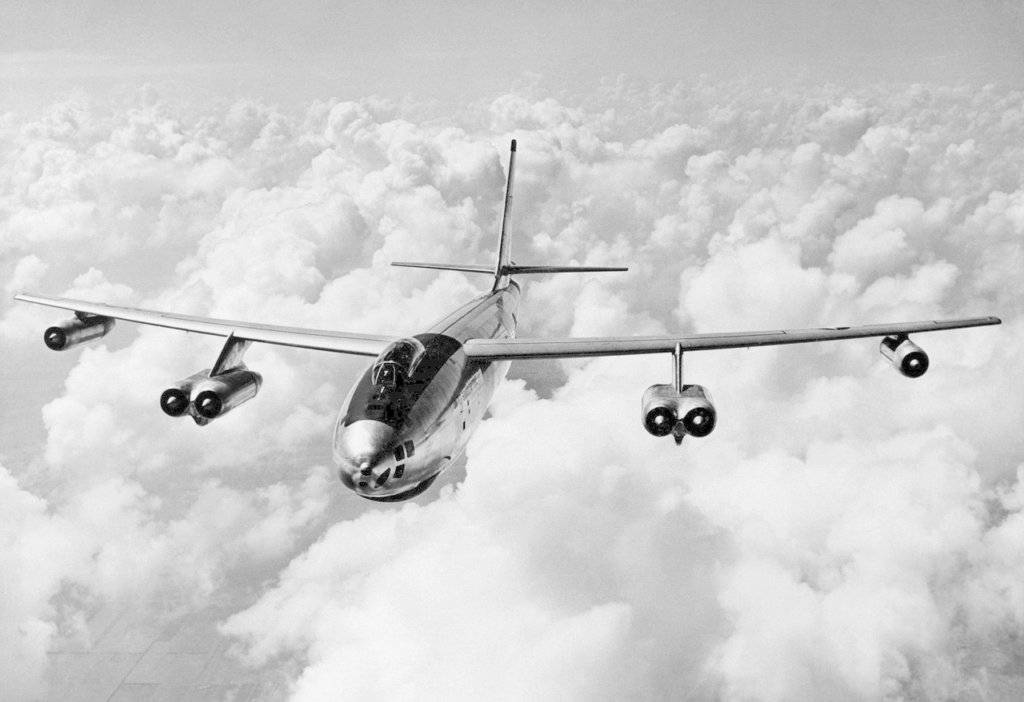
At the controls for most of the flight was Captain Shelton J. Anthony Jr., accompanied by fellow test pilots Captains Frank D. Frazier and Click D. Smith. What followed would become one of the most remarkable endurance achievements in military aviation history.
80 hours and 36 minutes without landing
Rather than following a conventional point-to-point route, the B-47 repeatedly flew circuits across different parts of the United States, returning to the Dayton, Ohio, area for aerial refuelling.
The aircraft was supported by a single Boeing KC-135 Stratotanker, which supplied fuel through ten aerial refuelling operations throughout the mission. This allowed the Stratojet to remain airborne continuously without having to land for fuel.
By the time the aircraft finally touched down at 11:49 am on November 30, it had spent an incredible 80 hours and 36 minutes in the air. During that time, it covered approximately 39,200 statute miles – equivalent to travelling around the world one-and-three-fifths times.
The achievement surpassed the previous longest jet flight, which had also been completed by a B-47 on November 17, 1955. That earlier mission lasted 47 hours and 35 minutes and covered approximately 21,000 miles. The 1959 flight established a new benchmark: the longest flight by a fixed-wing jet aircraft ever recorded.
Testing the limits of human endurance
Although the flight attracted attention for its extraordinary duration, setting an aviation record was not its primary purpose. One of the main objectives was to evaluate an experimental tilting ejection seat designed to improve pilot comfort during extended missions.
The seat featured a pulsating cushion and a pneumatic backrest, allowing the pilot to adjust his seating position and reduce the physical discomfort associated with spending days inside a cramped cockpit.
Captain Anthony remained in the seat throughout the entire 80-hour mission, handling the controls apart from brief rest periods. He also personally completed all the aerial refuelling contacts. Researchers were particularly interested in how prolonged sitting affected circulation and general physical wellbeing.
Following the landing, medical personnel reported that all three crew members were in good condition, with no adverse effects identified in their circulatory systems. The mission also provided valuable information about long-duration cockpit operations, pilot accommodation and the technology needed to support future extended flights.
The aircraft behind the endurance feat
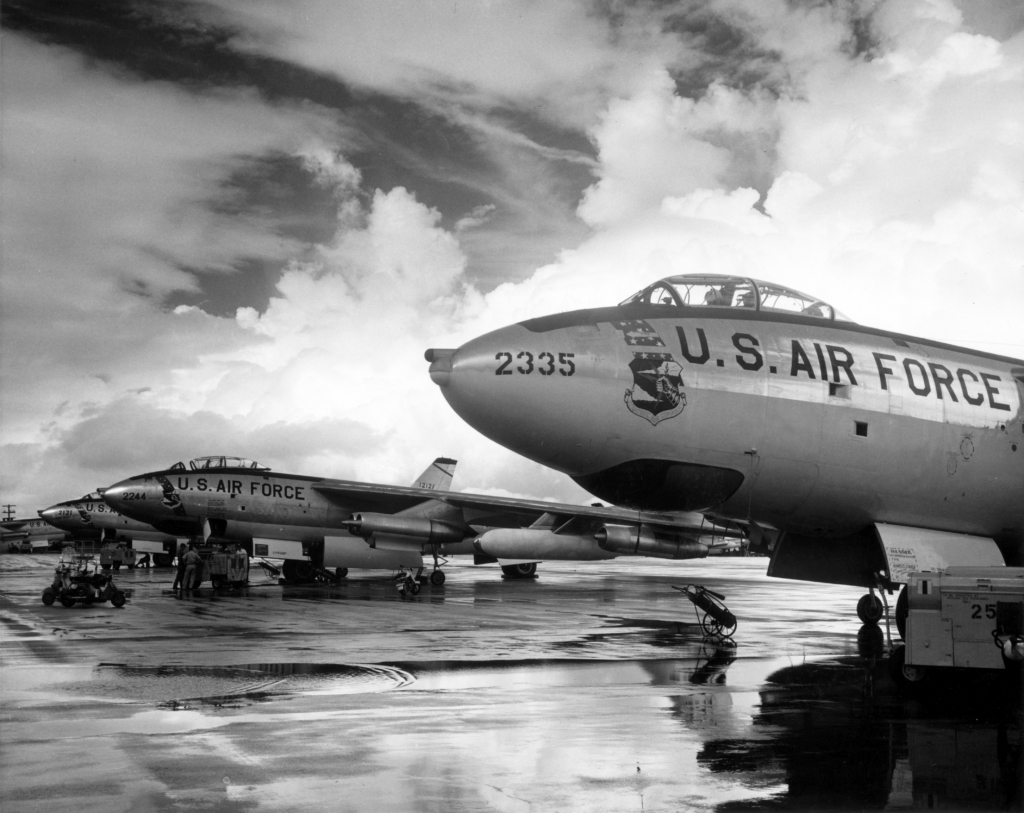
The B-47 Stratojet was one of the most influential military aircraft of the early Cold War. Developed by Boeing, it featured swept-back wings and six jet engines mounted in underwing pods, a configuration that helped establish the design principles used by many subsequent jet aircraft.
Entering service with the US Air Force in the early 1950s, the B-47 became a central component of the Strategic Air Command’s bomber force. Its speed and ability to receive fuel in flight made it particularly valuable for long-range strategic missions.
The aircraft also helped pave the way for future developments in jet-powered aviation, including the Boeing KC-135 tanker and the commercial Boeing 707.
Project Long Gone demonstrated just how much could be achieved when the Stratojet’s capabilities were combined with aerial refuelling and advances in pilot-support technology.
A record-setting chapter in aviation history
When the B-47 JB-47E finally landed on November 30, 1959, it brought an extraordinary chapter in aviation history to a close.
Its 80-hour, 36-minute flight was more than a demonstration of aircraft endurance. It was an important experiment in understanding the physical demands placed on pilots during extended missions and the technology required to keep them effective.
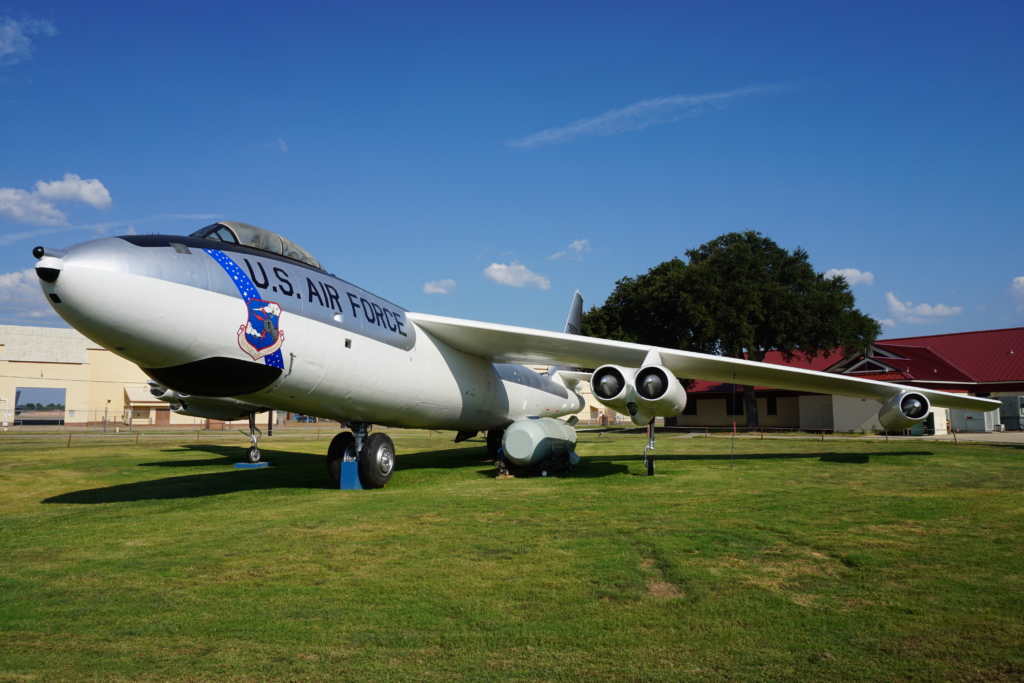
More than six decades later, Project Long Gone remains a remarkable example of the ingenuity and ambition that characterised the early jet age.
For three days and more than eight hours, the Boeing B-47 Stratojet stayed in the sky, completing the longest flight by a fixed-wing jet aircraft ever recorded and proving that the limits of aviation endurance could be pushed further than many had imagined.




