Fuel crisis sees Lufthansa retiring A340-600s and 747-400s and CityLine shut down

4 min read
Lufthansa is accelerating the retirement of some of its oldest and least efficient aircraft as a fuel shock linked to the war in Iran and ongoing labour disruption reshape its cost base.
The airline will withdraw its remaining Airbus A340-600s and two more of its Boeing 747-400s, while also bringing an abrupt end to regional jet operations at its Lufthansa CityLine subsidiary, with all 27 aircraft permanently removed from service.
Lufthansa to retire Airbus A340-600s and two more Boeing 747-400s
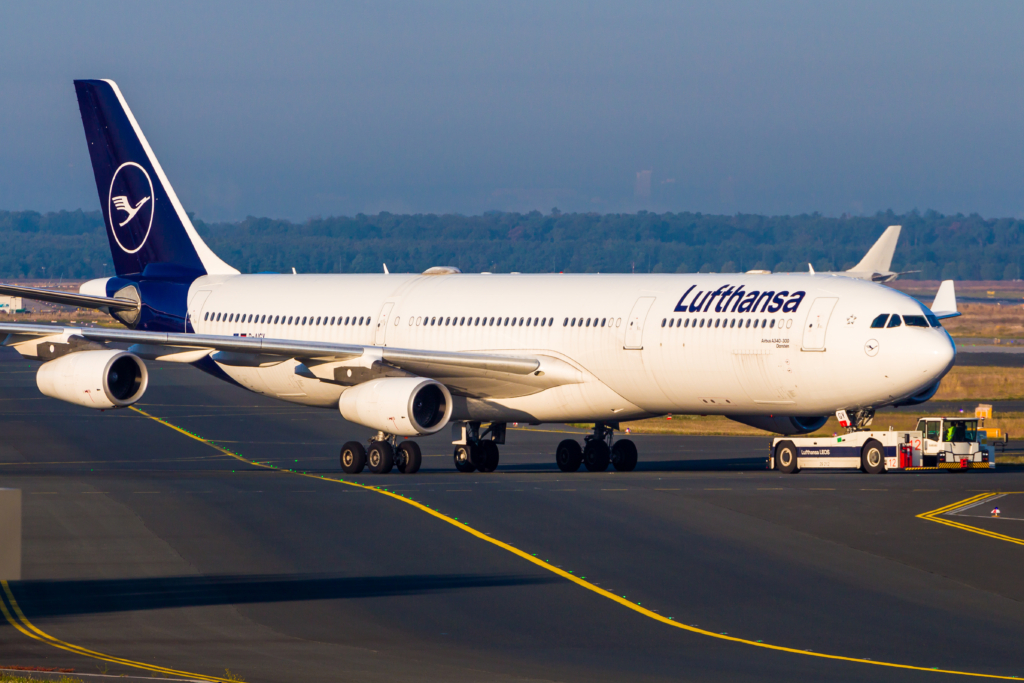
Lufthansa is the flag carrier of Germany and is notable for operating all five types of quadjet Boeing and Airbus aircraft in active scheduled passenger service, including the Boeing 747-8, the Boeing 747-400, the Airbus A380, the Airbus A340-300, and the Airbus A340-600.
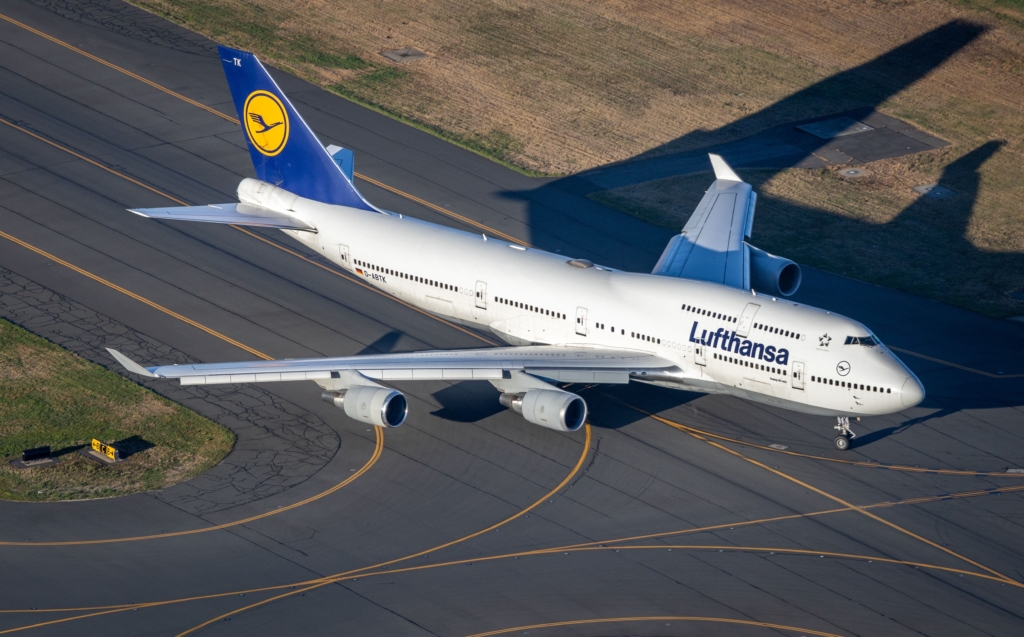
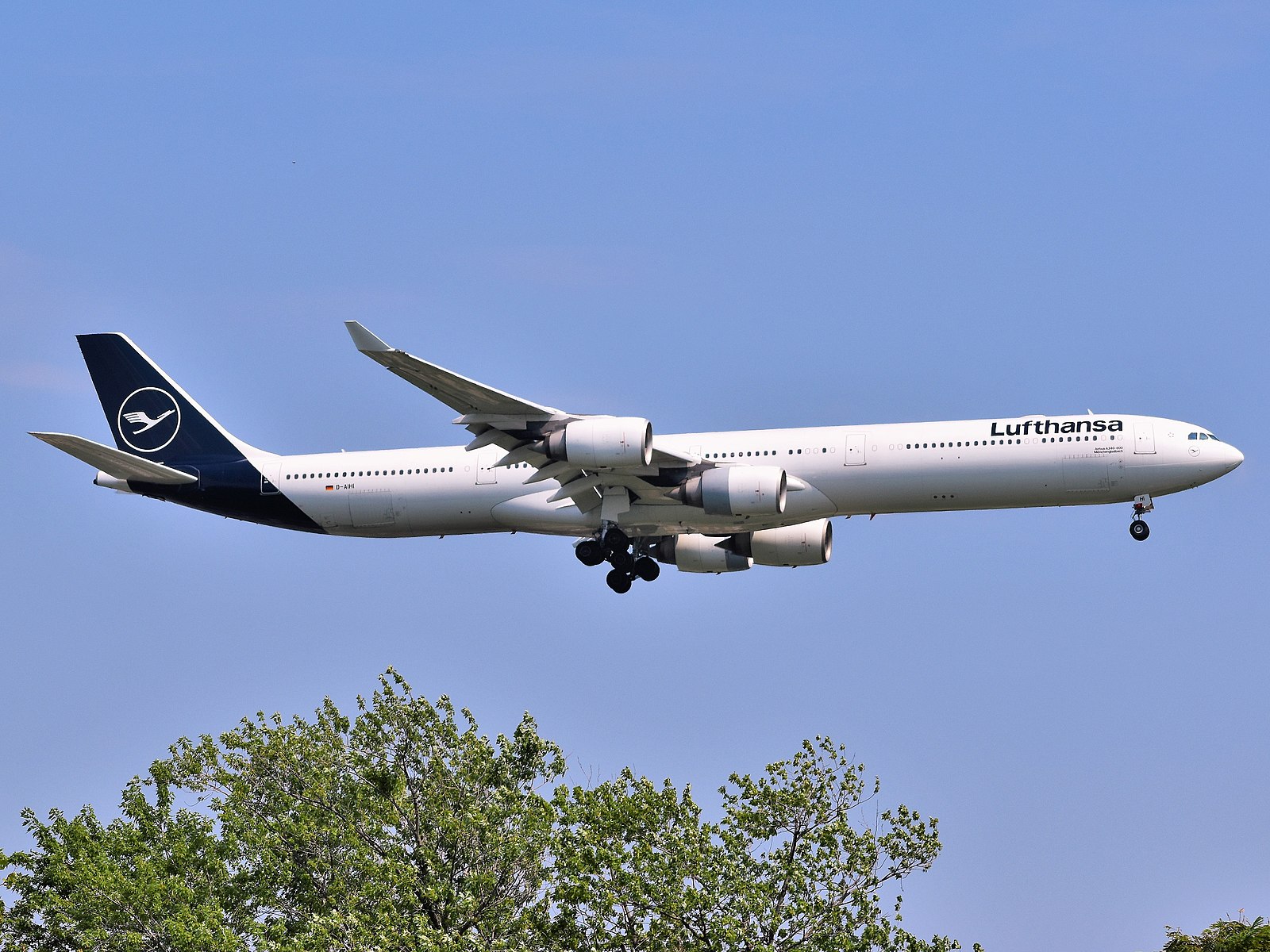
Lufthansa said the last four Airbus A340-600s will leave the fleet in October, bringing the type’s service with the airline to an end. It will also ground two Boeing 747-400s for the winter season, with a final farewell to the type planned for next year.
With an average age of 26 years, the 747-400 is among the oldest aircraft in Lufthansa’s long-haul fleet, and the airline is now one of the last scheduled passenger operators of the type. China Airlines also continues to operate a small number of 747-400s, although these are expected to be phased out.
Lufthansa’s remaining eight Airbus A380s appear, for now, to have been spared. The airline divested six of its original 14 superjumbos during the pandemic.
The older Airbus A340-300 fleet, with an average age of around 26 years, is expected to remain in service until 2028, underlining how the decision is being driven more by efficiency than age alone. By comparison, the A340-600 fleet being retired is significantly younger.
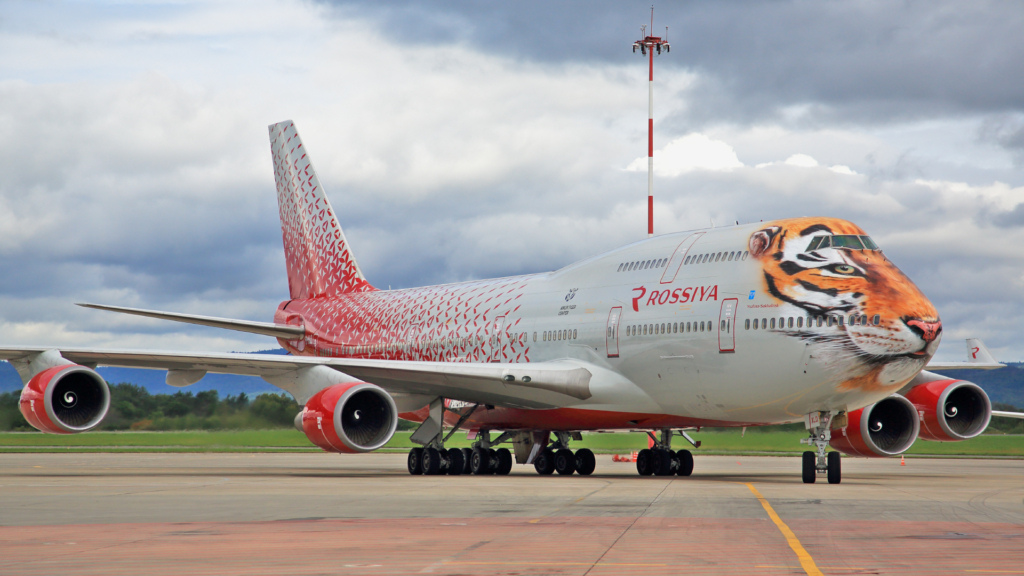
In contrast, some operators, such as Russia’s Rossiya Airlines, have reactivated older 747-400s to address capacity shortages, highlighting how fleet decisions remain highly dependent on market conditions.
Lufthansa permanently shuts down CityLine and retires CRJ900s
While the retirement of older widebody aircraft will take place after the summer season, Lufthansa has moved far more abruptly on its regional fleet, removing its Canadair CRJ aircraft from service with immediate effect.
Lufthansa confirmed that all 27 CRJ900 aircraft operated by its Lufthansa CityLine subsidiary would be withdrawn, citing high operating costs and the end of their technical economic life.
However, the move goes beyond a simple fleet decision. It effectively marks the end of CityLine’s role as a regional jet operator, bringing to a close a model that has been a core part of Lufthansa’s short-haul network for decades.
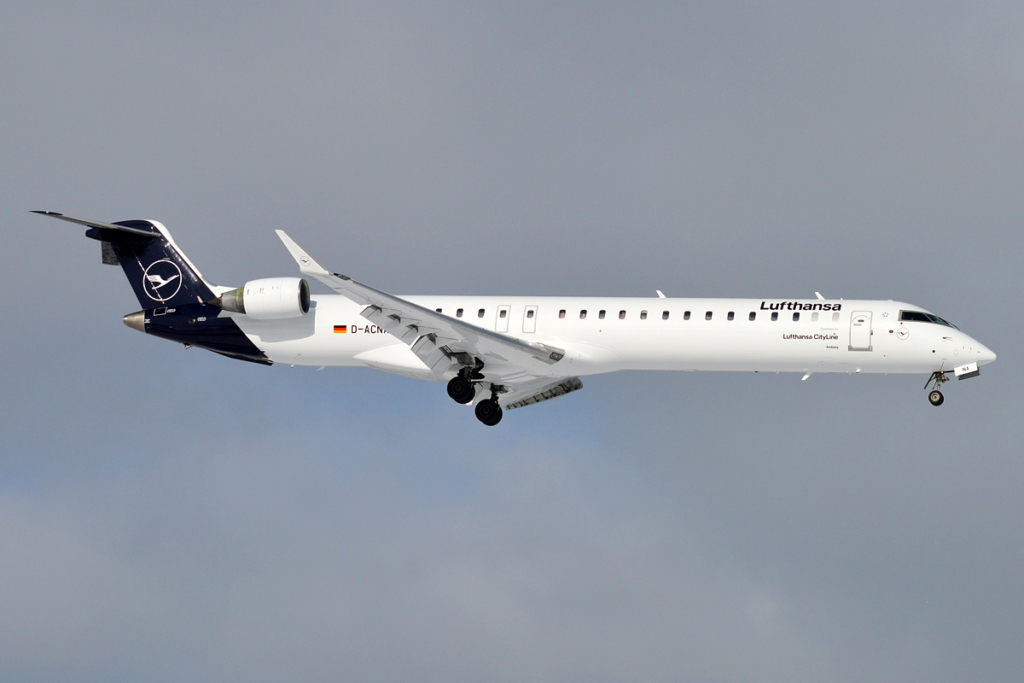
Lufthansa CityLine currently operates 27 Bombardier CRJ900 regional aircraft. According to Planespotters.net, these are, on average, 16 years old.
The timing is notable. CityLine has already been in transition, with Lufthansa shifting more short-haul flying towards lower-cost platforms such as Eurowings and the newer Lufthansa City Airlines unit, which is intended to operate more efficiently under a different cost structure.
At the same time, Lufthansa is consolidating short- and medium-haul operations across its six main hubs, a move that will see capacity reduced and flying more tightly integrated across the group.
Lufthansa is currently receiving more fuel-efficient A320/A321neo, A350, and Boeing 787 aircraft, while also waiting for delayed 777-9 deliveries.
Fuel costs accelerate Lufthansa’s shift away from quadjets
While the retirement of these aircraft had long been expected, the current fuel shock has brought forward Lufthansa’s timeline.
Four-engine aircraft such as the Airbus A340 and Boeing 747 are significantly less fuel-efficient than modern twin-engine alternatives, making them particularly exposed when fuel prices rise sharply.
Although Lufthansa has hedged around 80% of its fuel requirements, the remaining exposure is now weighing heavily on operating costs. Retiring its least efficient aircraft allows the airline to reduce that exposure quickly while simplifying its long-haul fleet.
Retiring the aircraft will reduce Lufthansa’s exposure to the high fuel prices. Lufthansa notes, “The package of measures generates a disproportionate savings effect on fuel costs” as these are “particularly inefficient aircraft.”
Airlines have been steadily phasing out older quad-engine aircraft in favour of newer twin-engine models such as the Airbus A350 and Boeing 787, which offer lower fuel burn, reduced maintenance costs and greater operational flexibility.
While the aircraft leaving Lufthansa’s fleet may still find a second life, particularly as freighters or with operators facing limited access to new aircraft, their role in major airline passenger fleets is rapidly coming to an end.
Featured Image: Adam Moreira / Wikimedia
Sign up for our newsletter and get our latest content in your inbox.


More from


October 17, 20264 min read