Tu-204, Il-96 and Boeing 747: Russia revives retired aircraft amid airline fleet crisis

3 min read
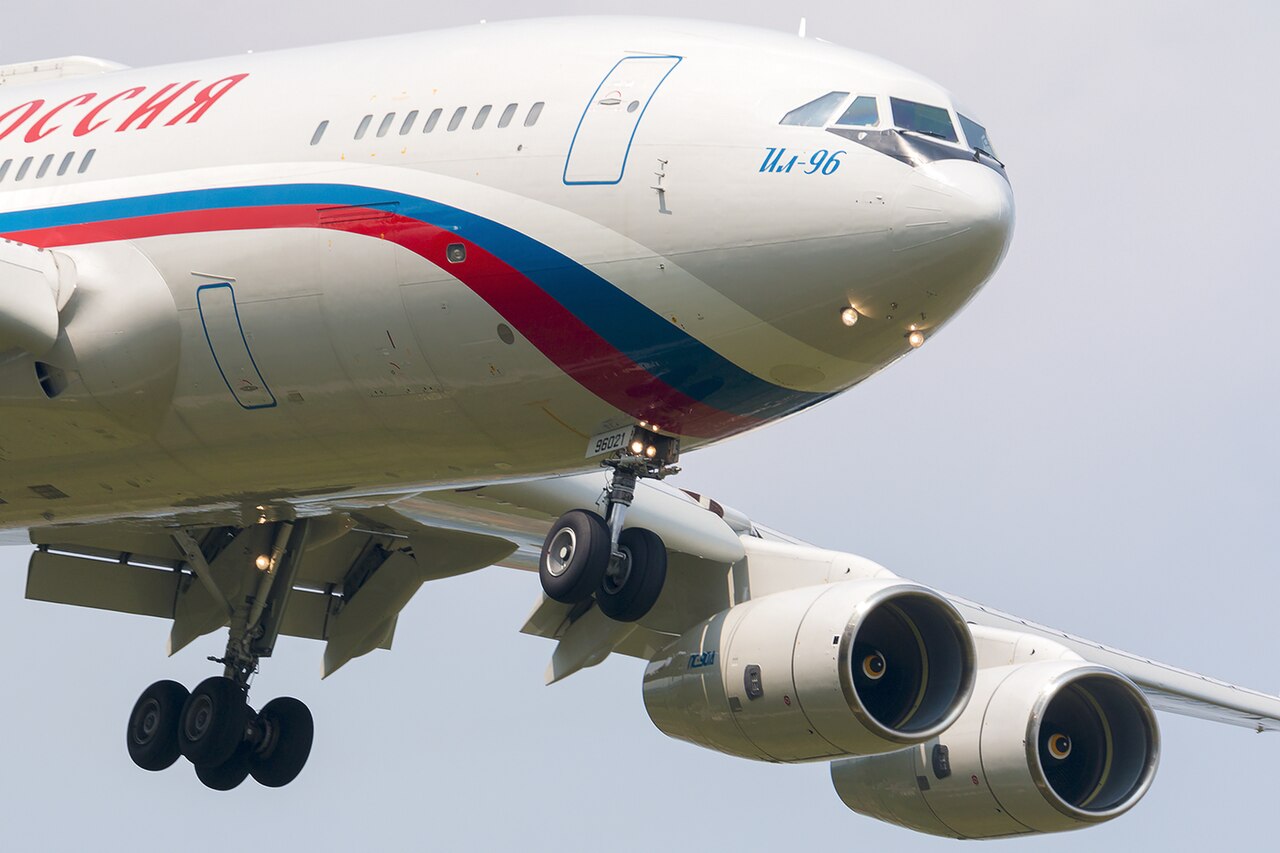
Yesterday, Russia’s Izvestia news outlet reported that Russia plans to reactivate retired Soviet-design aircraft in 2026. These include Tu-204-214s, an An-148, Il-96s, and more Boeing 747-400s.
Russia reactivating 30-year-old Soviet-designed aircraft
In total, Russia has been refurbishing 12 retired airliners, including nine Tu-204-214s, one An-148, and two Il-96s. These aircraft are up to 30 years old, and work has been ongoing since 2022.
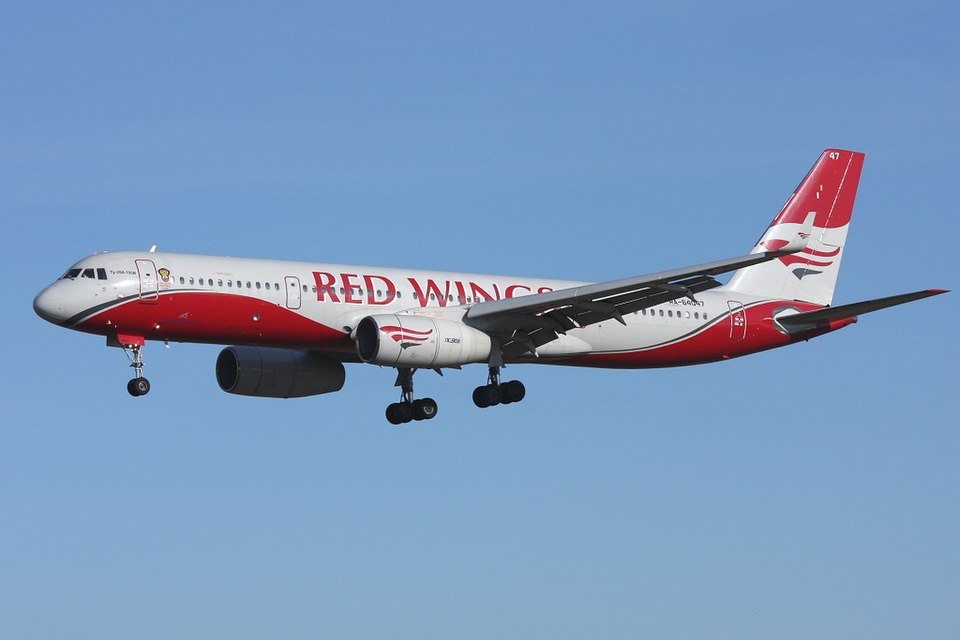
Ten have already returned to service with Red Wings and others. Two more restored Tu-204s are expected to be returned to service in 2026 and 2027.
The two widebody, quad-engined Ilyushin Il-96s are particularly interesting. Cuba’s Cubana de Aviación is the only airline to use them in commercial passenger service. In Russia, they are exclusively used by the Russian government and for cargo transportation.

Russia is also rushing to Rusify the production of its commercial aircraft. While progress is being made, none have been delivered by the end of 2025, and only two flagship Yakovlev MC-21 airliners are expected to be delivered in 2026.
Russia’s contracting commercial aircraft fleet
Western sanctions were imposed on Russia in 2022 and cut the country off from the international aviation market. Since then, Russia aviation sector has been sitting on a ticking time bomb. Already, Russia’s A320neo/A321neo fleets have been grounded.
As of October 2025, Russia had 76 airlines operating 99% of the country’s flights. The combined fleet was 1,135 aircraft, of which 1,088 were considered airworthy. 67% of these aircraft were foreign-made, mostly Airbus and Boeing.

In 2025, Russia saw a slight decline in passenger traffic, according to Izvestia. It seems more than a ‘slight decline’ with Kommersant reporting it is, “a 20% year-on-year decline in passenger traffic for Russian airlines.”
This was attributed to a reduction in Russia’s fleet size. By 2030, 230 Russian-made and 109 foreign-made aircraft are expected to retire across Russia.
Currently, Russian airlines are operating 100% of their serviceable fleet. However, the aircraft are being decommissioned at a rate of 2-3% annually with no new replacements since 2022. This means that foreign carriers are taking more and more of the long-haul Russian tourist market.
Get the latest aerospace defence news here on AGN.
Reactivating Russia’s Boeing 747-400s
Before Russia reactivated retired 747-400s, only Korean Air, Air China, and Lufthansa still operated commercial passenger 747-400 flights.
Now Aeroflot’s subsidiary, Rossiya Airlines, plans to double the Jumbo routes in 2026 and 2027. Two 747-400s had been returned to service by 2025, while a third (RA-73290) was restored in November 2025. One more is currently being refurbished.
The 747s were retired during the COVID-19 pandemic. Izvestia reports Russia has managed to procure enough 747 spare parts on the international market to put another two back into service. These are being used on domestic routes in Russia.
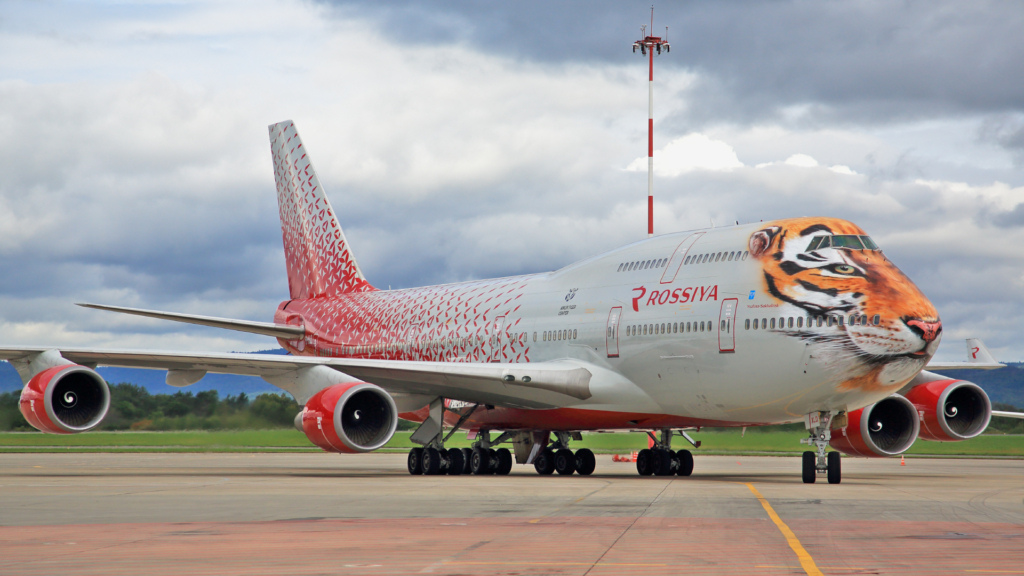
Izvestia states Boeing 747 refurbishment could be carried out in “friendly countries, such as Iran.” It is much easier to purchase spare parts on the black market for old aircraft like the 747-400 than modern aircraft like the A320neo.
Rossiya Airlines inherited these aircraft after another Russian airline, Transaero, collapsed in 2015-2016.
Separately, the two Boeing 747-8s Boeing is retrofitting for the next-generation US Air Force One (the VC-25B presidential aircraft) were originally built for Transaero but never delivered.
Featured Image: Dmitry Terekhov/Wikimedia Commons
Sign up for our newsletter and get our latest content in your inbox.


More from


October 17, 20264 min read