


Airbus blames Pratt & Whitney as A320 ramp-up stalls and rate 75 slips further

3 min read

For about four years now, Airbus has been targeting a production rate of 75 A320 family aircraft per month. Originally, this rate was seen as possible by 2025 to 2026.
But Airbus formally pushed the rate increase to 2027 in late 2024, when issues with supply chains and engine deliveries became apparent. Now, the planemaker is unsure about even reaching that rate by the end of 2027, and is laying the blame firmly on its engine supplier, Pratt & Whitney.
Speaking at the Airbus AGM yesterday, 14 April, CEO Guillaume Faury was unusually outspoken about the situation.
“While we have secured a critical portion of our trajectory, specific supply chain, tensions continue, notably with the engine maker, Pratt and Whitney,” he said. “As a consequence, we now expect to reach a rate of between 70 and 70 aircraft a month on the A320 family by the end of 2027, stabilising at Rate 75 thereafter.”
Airbus CEO hits out at Pratt & Whitney as A320 ramp up slips
While Airbus also offers the LEAP engine as an alternative on the A320neo, it cannot fully offset the shortfall, leaving the programme exposed to Pratt & Whitney’s delivery and durability issues.
“On the A320 family, Pratt & Whitney’s failure to commit to the number of engines ordered by Airbus is negatively impacting this year’s delivery guidance and the ramp-up trajectory,” Faury added.
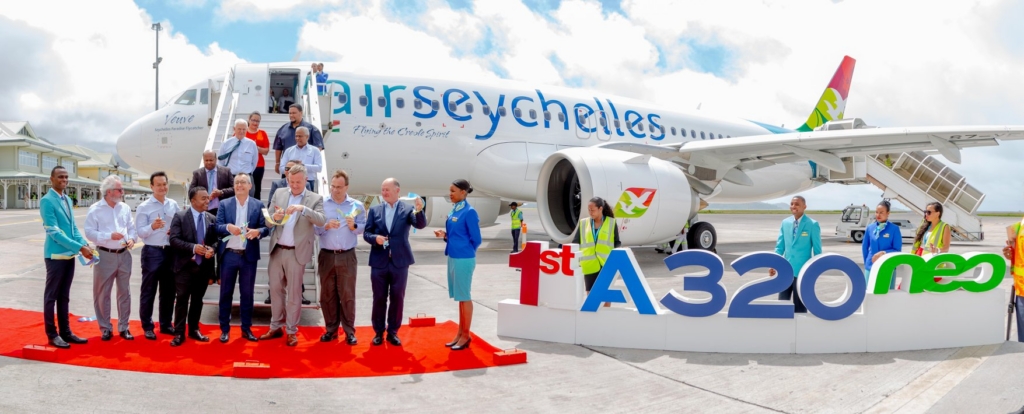
Faury set out the Airbus delivery guidance during the AGM, targeting around 870 commercial aircraft deliveries. That’s an uptick from the 793 delivered in 2025, but clearly Airbus would like that number to be higher.
“In 2026, we see shortages of engines from Pratt and Whitney not matching our needs nor our orders, which will limit our aircraft deliveries, and this is quite disappointing,” Faury added.
Airbus seeks damages and puts pressure on Pratt & Whitney
Airbus is responding on multiple fronts, enforcing contractual rights and seeking compensation, while simultaneously publicly pressuring Pratt & Whitney over missed engine deliveries.
The planemaker has alleged that Pratt & Whitney is prioritising maintenance of in-service engines over deliveries of new ones, and says that this is a contractual breach. In March, Airbus was noted to be seeking compensation from the engine maker for late deliveries.
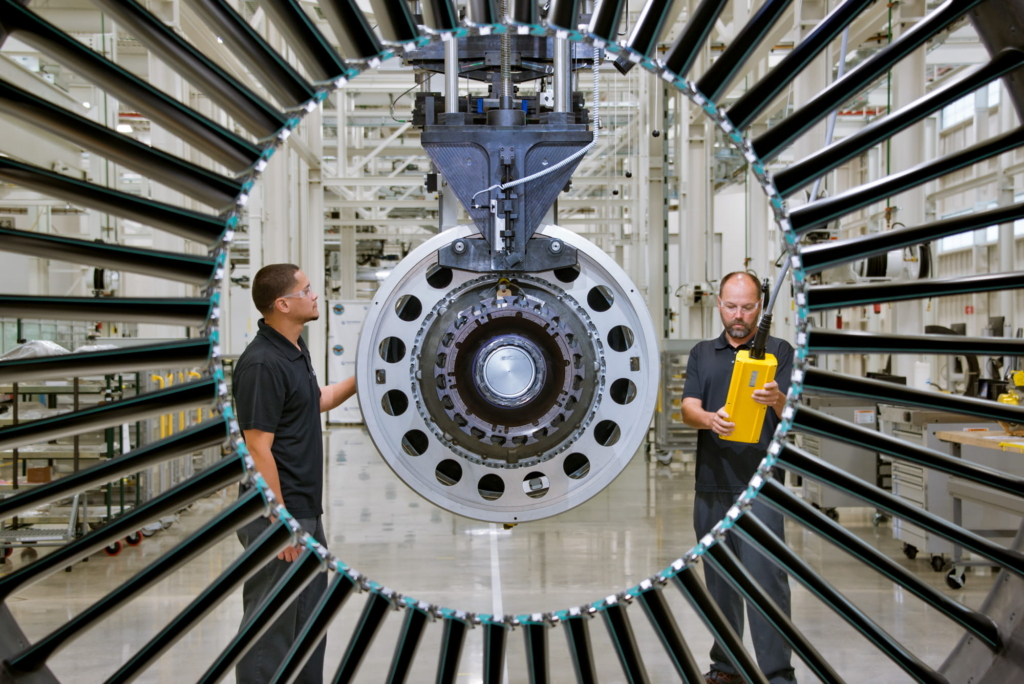
With Rate 75 now projected for the end of 2027, and possibly into 2028, Airbus has made it clear that it is not the demand or its own industrial capacity that is slowing things down, but its suppliers.
“In 2027, they must significantly step up their deliveries,” said Faury.
While Airbus also offers the LEAP engine as an alternative on the A320neo, it cannot fully offset the shortfall, leaving the programme exposed to Pratt & Whitney’s delivery and durability issues.
Pratt & Whitney works to stabilise GTF maintenance and production
Pratt & Whitney says it is accelerating both maintenance and production, but the balance between the two remains a constraint.
The company has ramped up shop visits significantly as it deals with durability issues and its ongoing inspection programme, pushing more engines through overhaul earlier than planned.
That has driven a sharp increase in MRO output and faster turnaround times, supported by investment in additional capacity across its global network. From Pratt’s perspective, the priority is clear: return grounded engines to service and stabilise the in-service fleet.
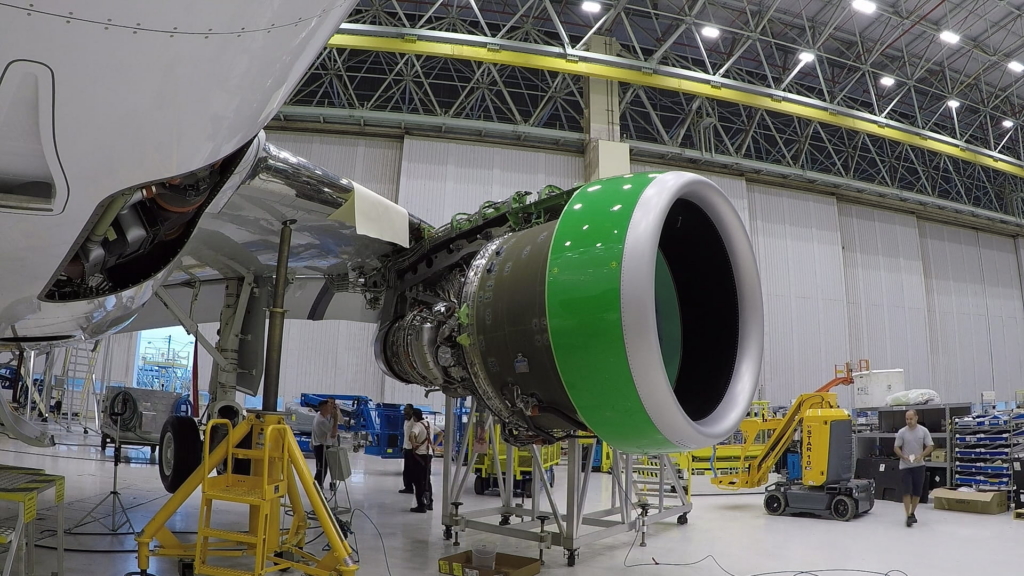
However, that same effort is absorbing resources that would otherwise support the delivery of new engines. While Pratt & Whitney is also investing to increase manufacturing output, including expanding production of critical components and introducing upgraded variants such as the GTF Advantage, supply remains constrained in the near term.
The result is a structural squeeze; capacity is being split between fixing existing engines and building new ones, limiting the number of powerplants available to Airbus.
Featured image: Airbus


