Passenger numbers hit record high as UK CAA records strong start to year

3 min read
Despite ongoing geopolitical turbulence, UK passengers show no signs of grounding their travel plans. New data from the CAA shows more than 61 million passengers travelled from UK airports between January and March – one million more than in the same period last year.
UK CAA data shows short-haul European destinations are fuelling growth
Growth was largely driven by short-haul European destinations as Andrew McConnell, spokesperson for the UK CAA, said the figures demonstrate “just how high demand for flying remains, particularly to popular European destinations.”
Passenger traffic to Madrid rose 14% year on year, while Las Palmas in the Canary Islands saw an 11% increase. It’s a familiar picture of British holidaymakers increasingly chasing the winter sun.

McConnell added that despite the challenging time for aviation globally, he expects services to continue operating reliably with passengers travelling in strong numbers. “That momentum”, he said, “is set to build towards the summer peak.”
Regional airports and low-cost carriers are leading the way
Regional airports were also among the headline performers. Most notably, London Southend recorded an impressive +247% increase in passenger traffic during the first three months of the year, while Cardiff saw +24%, Bournemouth +14% and Newcastle +9%. Edinburgh, Manchester and Luton also posted strong growth.

The spread of demand beyond major hubs, including Heathrow and Gatwick, suggests demand is broadening geographically, with travellers increasingly looking for convenience and to travel from their local airport.
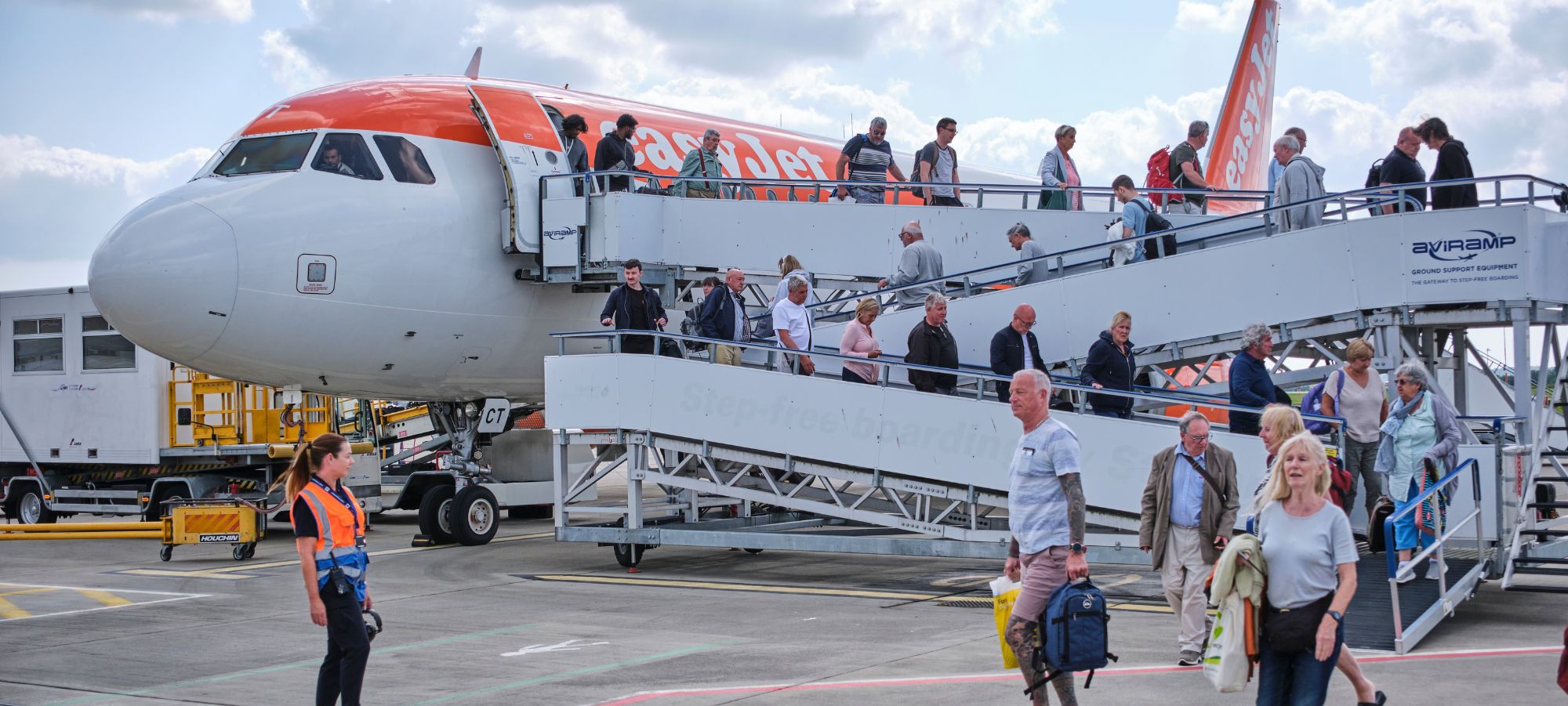
In terms of airlines, low-cost carriers led the way, with easyJet, Ryanair and Jet2 all seeing an increase in passenger numbers throughout Q1, 2026.
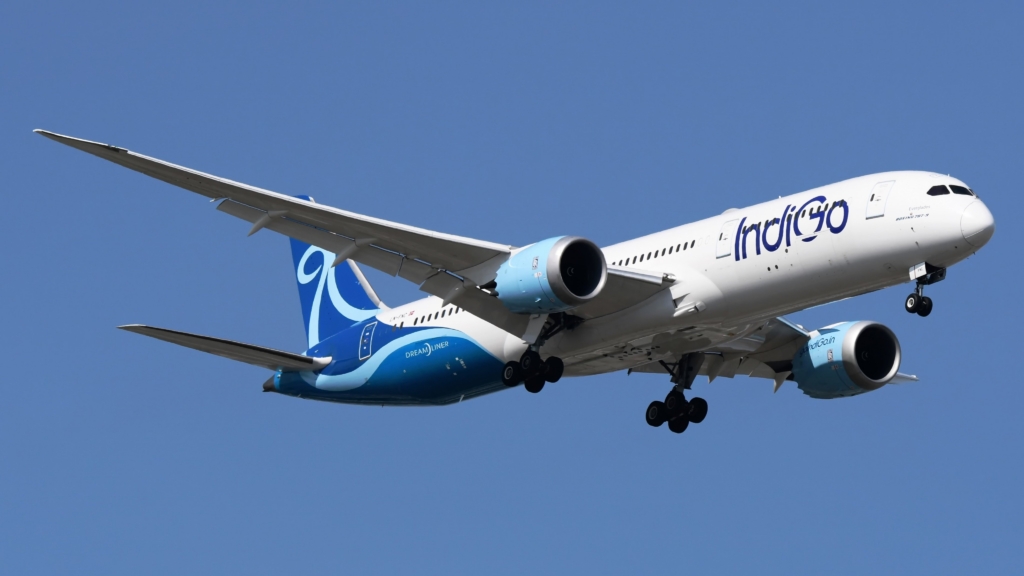
The Indian low-cost carrier, IndiGo, is also making its presence felt, having launched a daily Delhi-London Heathrow service at the beginning of February. The expansion marked the airline’s most ambitious long-haul move to date and followed its codeshare partnerships with British Airways and Qatar Airways.
Recovery of the London-Dubai corridor is expected to be swift
Among the most popular destinations for those travelling from the UK in Q1, 2026 were Dublin in Ireland, Amsterdam in the Netherlands, Geneva in Switzerland, Tenerife in the Canary Islands and Dubai in the Middle East. The latter tells a more nuanced story.
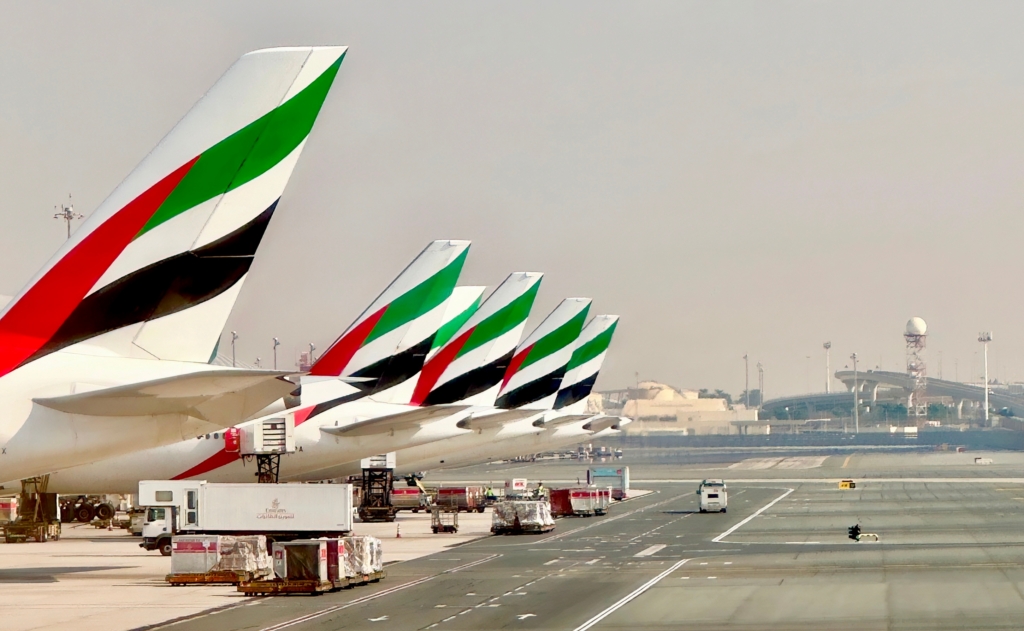
Dubai’s enduring pull on British travellers is well documented. In 2025, the UK was the third-largest source market for Dubai International Airport (DXB), contributing 6.3 million passengers across the year. In Q1 2025, the UK contributed 1.5 million passengers.
By contrast, in Q1 of this year, while the UK still ranked as the third-largest country market for Dubai, its contribution fell to 1.2 million passengers. This decline was reflected across DXB’s operations with the airport welcoming just 18.6 million passengers overall across the first three months of the year.
The 20.6% year-on-year decline in passenger traffic is due to regional disruptions, which have weighed heavily on the Middle East’s key transit hub.
With a ceasefire now in place and Dubai ramping up daily flight movements, recovery on the London-Dubai corridor, whether for business or leisure, is expected to be swift.
Featured image: London Southend