


Air Force One Halloween flyover disrupts flights and sparks safety concerns

3 min read
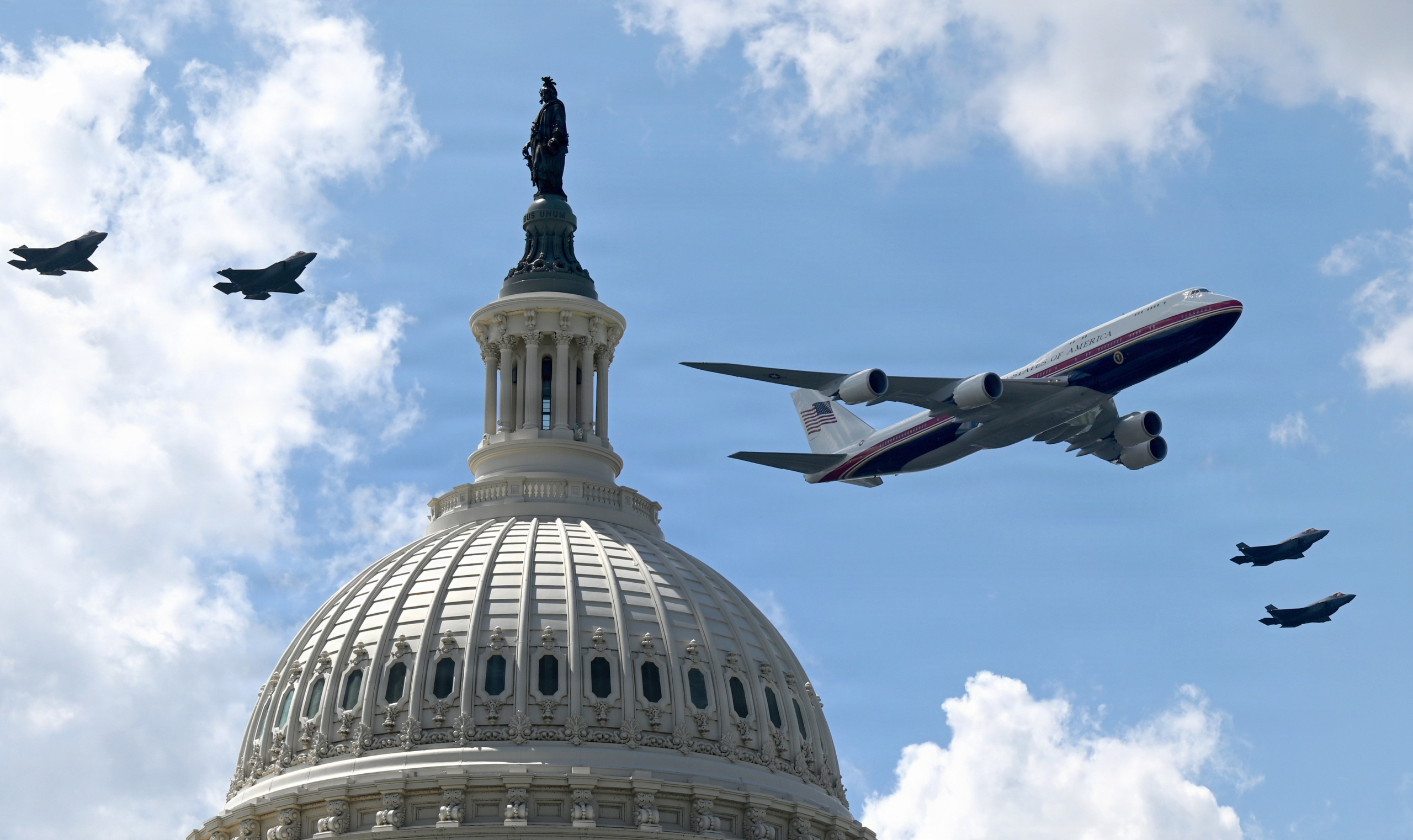
A low-altitude flyover by the US presidential aircraft during a White House Halloween celebration has disrupted air traffic around Washington, D.C., delayed more than 200 commercial flights and prompted criticism over safety, planning and the limited warning given to the public.
The incident took place on Thursday, 29 October, as President Donald Trump and First Lady Melania Trump hosted a Halloween event for children at the White House. The presidential aircraft made two passes over the White House and nearby neighbourhoods.
More than 200 commercial flights delayed
As reported by Reuters, the flyover prompted the Federal Aviation Administration (FAA) to temporarily halt air traffic at Ronald Reagan Washington National Airport (DCA), one of the capital’s main airports.
According to flight-tracking service FlightAware, 202 flights were delayed on Thursday, representing 26% of departures and 17% of arrivals. Most of the delays were attributed to the temporary disruption associated with the aircraft’s passes over the city. Some passengers reported that their aircraft were forced to circle before landing, while others experienced delays to their journeys.
🇺🇸 The new Air Force One THUNDERS over the White House right in the middle of the Halloween party 🎃 Not sure the kids expected a presidential flyover with their candy 😅 Writer: Lucas https://t.co/RCAJMFzxLR
— Mario Nawfal (@MarioNawfal) October 29, 2026
The disruption highlighted the operational challenges of coordinating presidential movements around one of the busiest and most tightly controlled airspace environments in the United States.
Limited warning raises questions
One of the main criticisms concerned the short notice provided before the flyover. The District of Columbia Council said residents, officials at the Pentagon and personnel at the airport received only around 15 minutes’ warning. Airline representatives also reported having less than an hour’s notice.
The unexpected appearance of a large aircraft flying unusually low over the capital startled some residents. Washington has extensive airspace restrictions, and the incident prompted concerns about the risks associated with low-altitude flights in a densely populated area.
The White House promoted the manoeuvre on social media, describing it as an “epic Air Force One flyover” for children attending the Halloween celebration. The FAA, meanwhile, said the flight had been coordinated with the agency and that a temporary ground stop had been implemented at the airport.
Senator demands answers
The controversy escalated on 2 November, when Democratic Senator Tammy Duckworth called for a full explanation from the FAA, the Pentagon and the White House Office of Management and Budget. Duckworth, who serves on a Senate subcommittee overseeing aviation regulation, questioned the flight’s purpose, cost, authorisation and safety arrangements.
She also raised concerns about the aircraft’s reported altitude, with flight-tracking data indicating that it flew at approximately 400 to 1,000 feet during its passes over Washington.
Duckworth asked officials to clarify whether the flight had been approved for training purposes, what objectives it was intended to achieve and what minimum altitude had been authorised. The FAA and Pentagon said they would respond directly to her questions.
The White House defended the event, stating that the FAA had followed the necessary safety protocols. It also argued that the flyover brought excitement to children attending the celebration and to others who watched nearby.
A spectacle with wider consequences
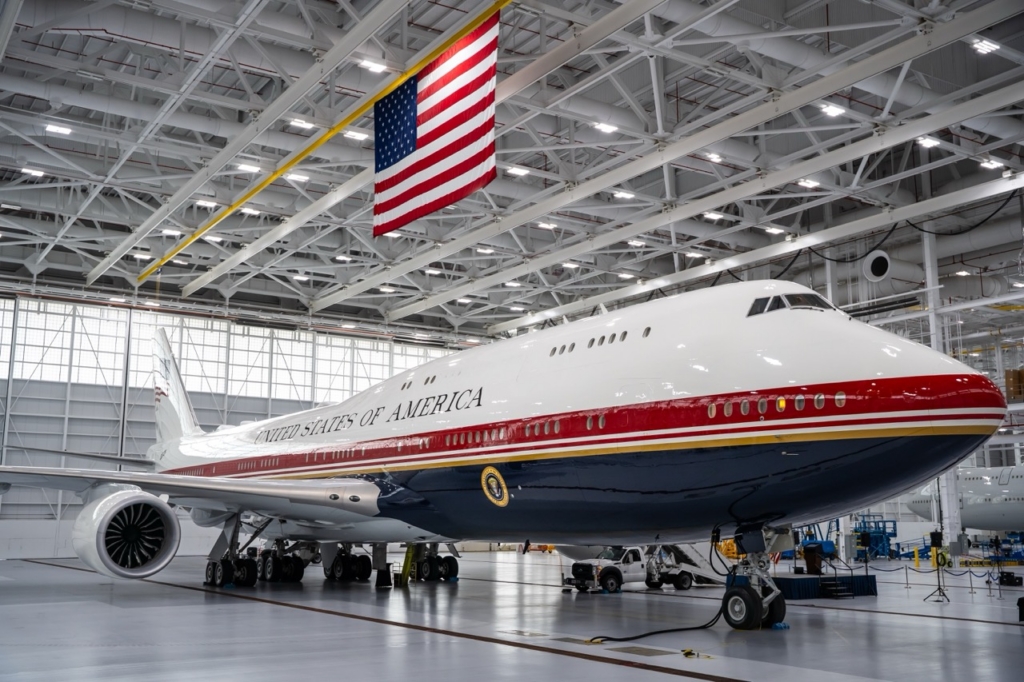
The aircraft is known as Air Force One whenever the US president is aboard. Presidential flyovers have previously taken place at major sporting events attended by Trump, but the Halloween appearance has drawn scrutiny because of its impact on airport operations and the questions surrounding advance notification.
Beyond the immediate flight delays, the episode has raised broader questions about how ceremonial displays involving presidential aircraft should be planned, communicated and coordinated with civilian aviation authorities.
With Senator Duckworth seeking further details, attention is now turning to the explanations provided by government agencies and whether any changes to procedures will follow.
What began as a Halloween spectacle at the White House has therefore become a wider debate about aviation safety, public communication and the responsibilities that accompany presidential events.


