


New commercial aircraft orders reached 13-year high in first quarter of 2026 according to new report

4 min read
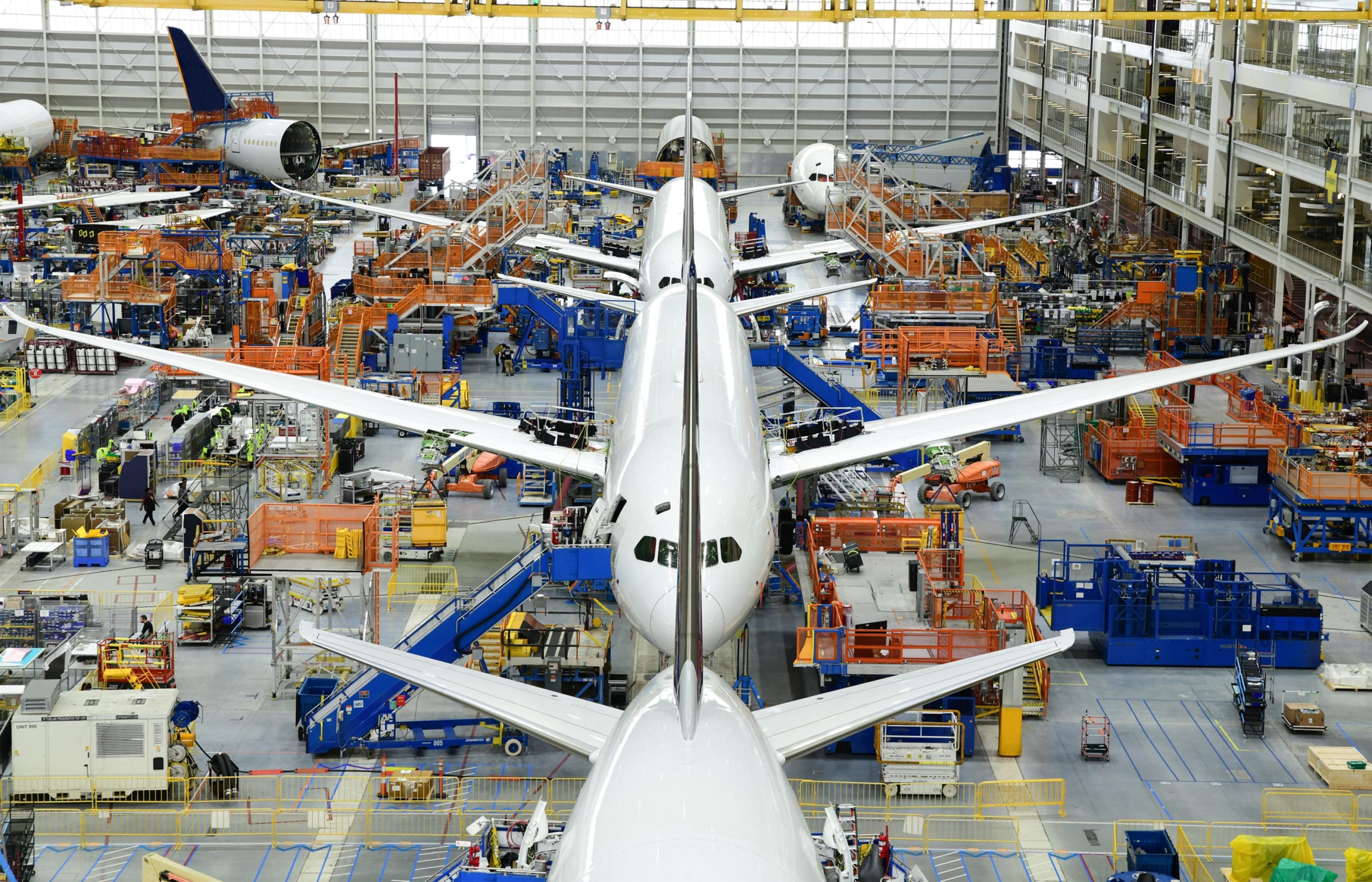
Orders for new commercial aircraft reached a record high during the first quarter of 2026, according to a new report. With the total order backlog now reaching 16,656 individual aircraft, and with new orders still being announced, it is the single-aisle sector that is seeing most growth, with a 25% year-on-year increase in orders.
ADS report shows record growth in new aircraft orders
Commercial aircraft orders rose by 9% during the first quarter of 2026 compared to the same period last year, according to a new report published by UK-based aerospace trade body ADS.
During the first quarter of 2026 (1Q26), there were 569 orders for new commercial aircraft received by the world’s top three producers (Airbus, Boeing and COMAC). This figure marked the highest order number for any first quarter since 2013.
According to the ADS report, this growth was largely driven by a 25% increase in single-aisle aircraft orders (461 aircraft) across the quarter, indicating that demand for short-haul travel continues to grow.
Additionally, the backlog of commercial aircraft orders reached a new record high, with 16,656 aircraft orders outstanding – a figure that is reported to be worth up to £385 billion to the UK economy through participation in various commercial aircraft programmes.
According to Boeing’s 1Q26 earnings release, the company booked 140 net commercial aircraft orders. This total included notable deals such as 30 Boeing 787-10s for Delta Air Lines, 25 Boeing 737-10s and 25 Boeing 737-8s for Aviation Capital Group, plus 20 Boeing 737-8s for Air India.
In terms of Airbus, the European planemaker received net orders for 398 new commercial aircraft, representing a 258 plane advantage over Boeing and a 2.8 times increase. Notable orders placed during the period included 101 A320neo family aircraft for China Eastern Airlines with deliveries scheduled for between 2028 and 2032.
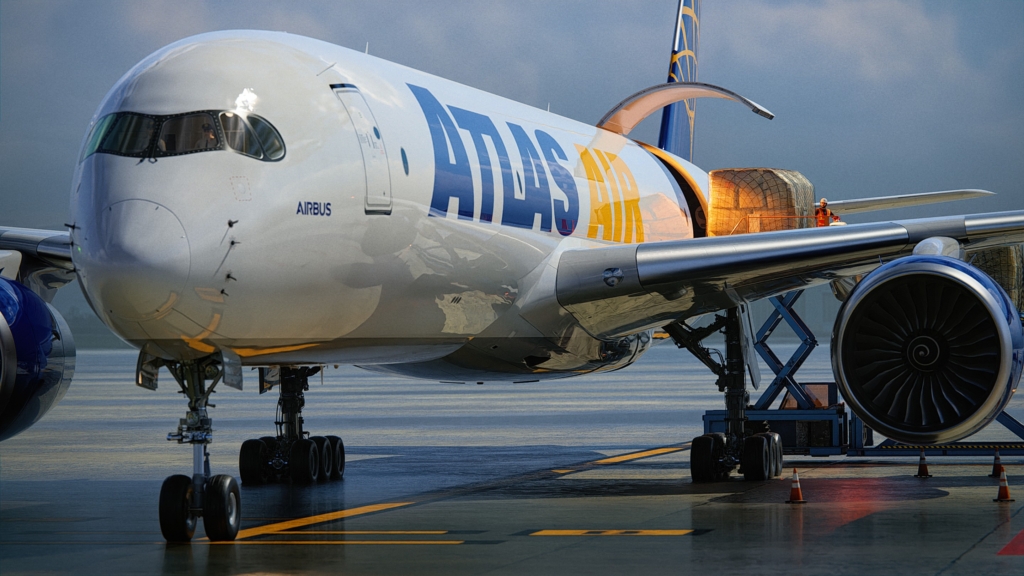
Elsewhere, Air Astana ordered 25 A320neo-family aircraft, Atlas Air Worldwide ordered 20 A350F freighters in March, and Irish aircraft leasing firm AerCap ordered 100 additional A320neo-family aircraft also in March 2026.
While orders were up, deliveries fell in 1Q26
While a record number of new aircraft orders were received during 1Q26, the ADS research showed that deliveries of new aircraft could not keep pace with the exponential rise in orders.
The research found that just 261 aircraft were delivered in the first quarter, representing a 4% decline in aircraft deliveries compared to the first quarter of 2025.
Despite the overall decline, deliveries of wide-body aircraft saw a 13% year-on-year increase and represent the highest first‑quarter delivery figure since 2020, pointing to improvements in the wide-body delivery pipeline.
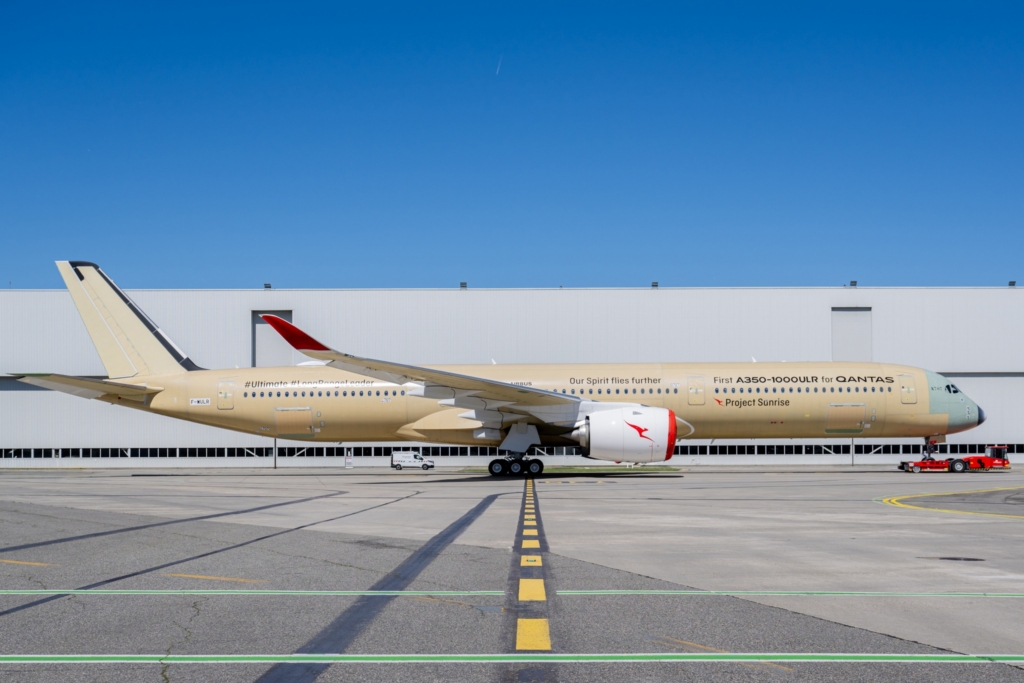
On the single-aisle side, both Boeing and Airbus continued to suffer from production delays, which held back deliveries of new aircraft to customers. In terms of Airbus, production issues discovered in late 2025 continued to hamper the construction of new aircraft into 2026.
Additionally, the ongoing production and delivery issues affecting the supply of Pratt and Whitney Geared Turbofan (GTF) engines for the Airbus A320neo family aircraft meant that completed aircraft were placed into temporary storage rather than being delivered to customers while they awaited their engines to be fitted.
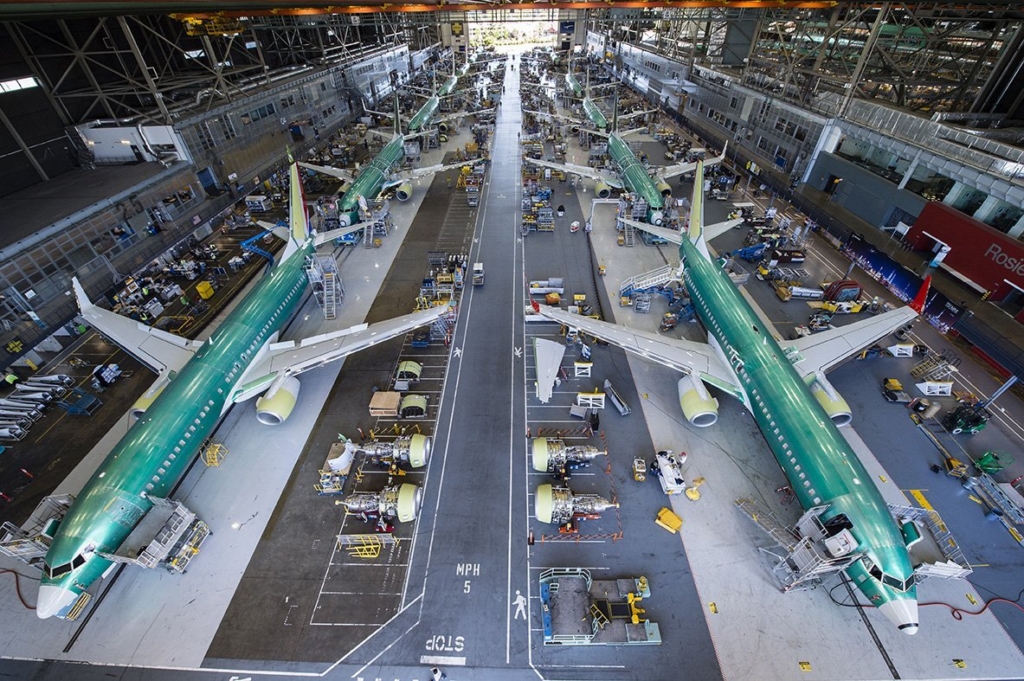
Meanwhile, Boeing continue to suffer from the hangover from the production and quality issues that saw production of its best-selling Boeing 737 MAX family aircraft fall to just 38 a month after regulators stepped in and capped production rates.
According to Boeing, this rate had risen to around 42 a month during 1Q26, although with a bulging order backlog, the company is aiming to increase this to 47 aircraft by the middle of 2026.
What the ADS report tells us about the commercial aircraft industry
“The figures from the first quarter of 2026 show that confidence across the aerospace sector has remained resilient, despite an increasingly challenging geopolitical and macroeconomic backdrop,” said Aimie Stone, Chief Economist at ADS.
“Aircraft orders have continued to rise, reflecting sustained demand in the market. However, given ongoing geopolitical uncertainty, it is still too early to say whether this momentum will be sustained through the year or whether growth may begin to slow, ” Stone added.
“If the industry is to continue building on this progress, global policy coordination, alongside continued support from governments and the business community, will remain crucial.”
Deliveries of new aircraft must increase, but not at any cost
While the main commercial aircraft manufacturers are enjoying bulging order books and continued interest in their current product ranges, both Airbus and Boeing will be acutely aware from experience that increasing production rates does not come without an element of risk, as both have recently discovered the hard way.
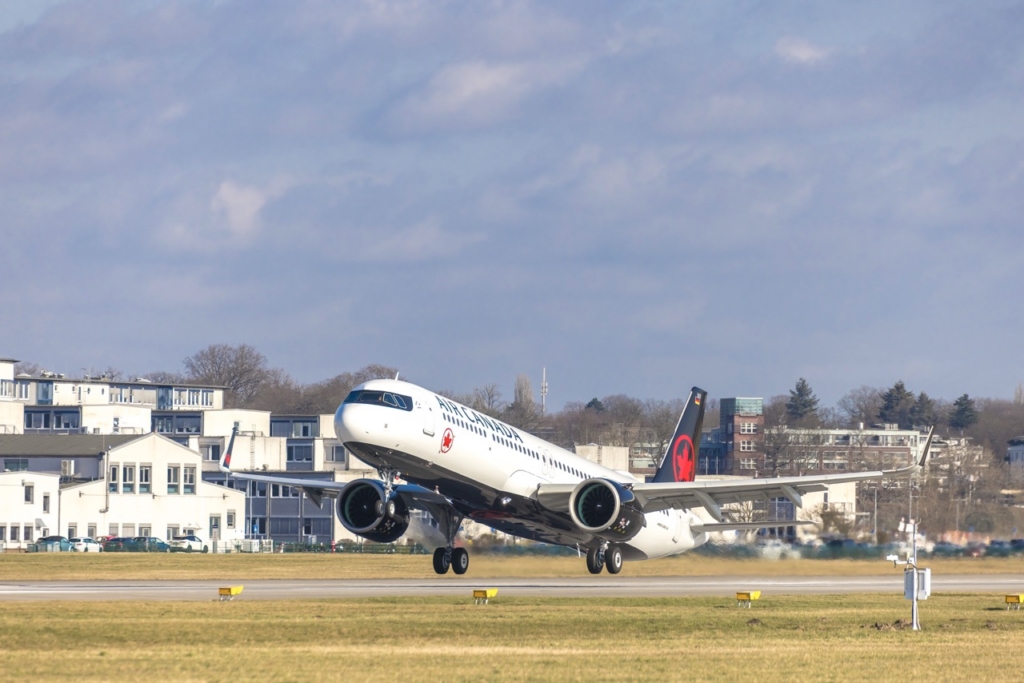
As demand for new commercial jets continues to rise, airlines will have to come to terms with the fact that lead times are lengthening, forcing them to plan fleet renewal programmes many years into the future.
However, despite the possible ramifications, the sharp rise in new aircraft orders in 1Q26 marks a new high-water mark for the industry, which should, in turn, lead to more employment, future investment and a healthy aerospace sector, both in the UK and elsewhere, for many years to come.
Featured image: Boeing


