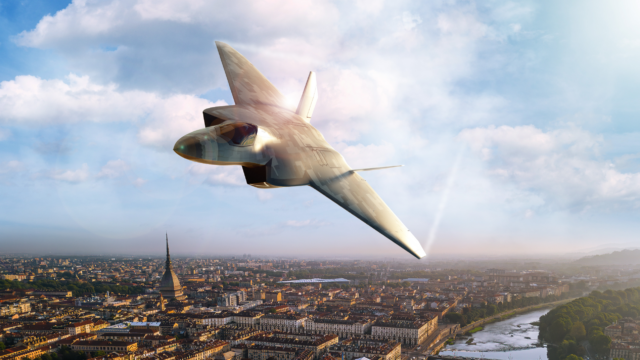
UK RAF upgrades Hawk T2 training with mixed reality mission rehearsal systems

3 min read
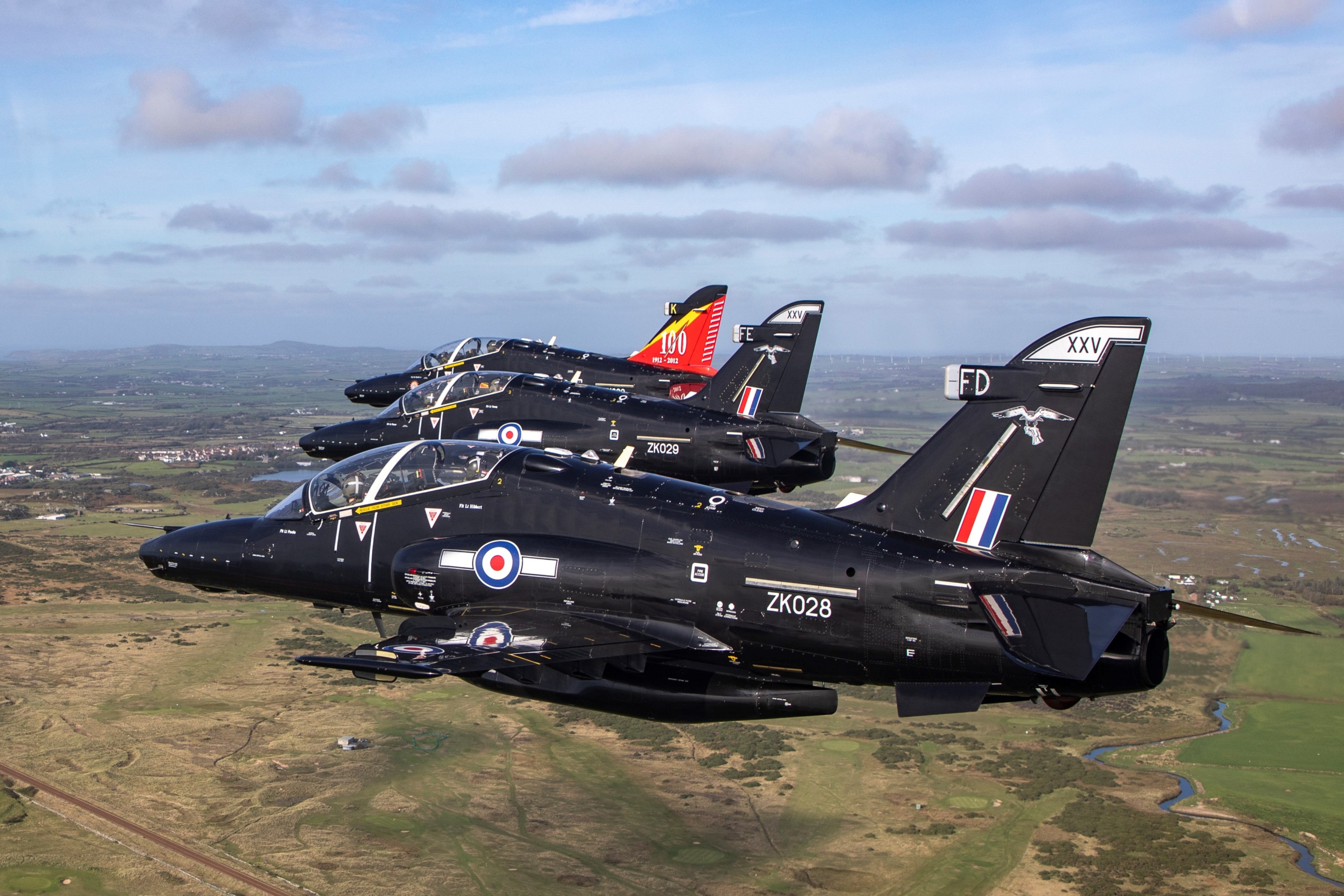
The Royal Air Force (RAF) is working to improve its training regime for fighter pilots by introducing virtual and mixed reality devices for the Hawk T2 and Texan aircraft.
New mixed reality training for RAF student pilots
Earlier this week, Janes quoted Air Vice Marshall Ian Sharrocks, commander of the RAF’s 22 Group, as saying the global strategic context has not been “this uncertain, this dangerous, and changing so rapidly for generations.”
The RAF spokesman was speaking at Clarion Defence’s 2026 International Training Technology Exhibition and Conference (ITEC 26) in London.
Sharrocks also said that this represents a shift in the emphasis of training devices from procedural trainers to high-fidelity mission rehearsal systems.
The new training system allows students to not only learn how to handle aircraft, but also rehearse “their techniques and increasingly the missions they’re going to fly in the future.”
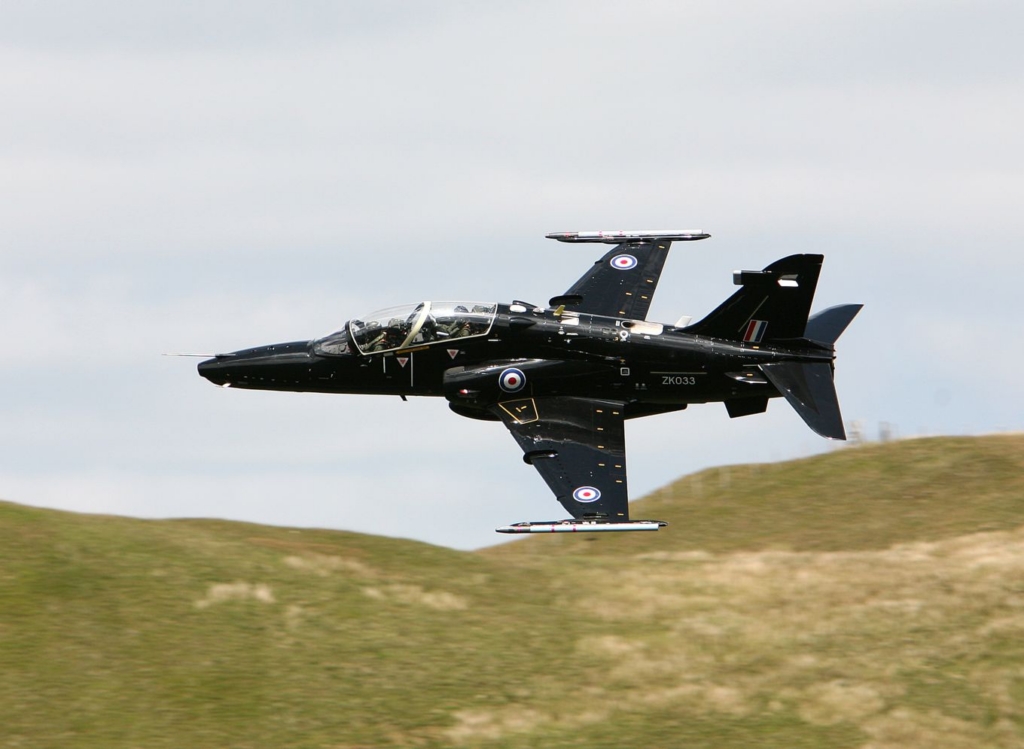
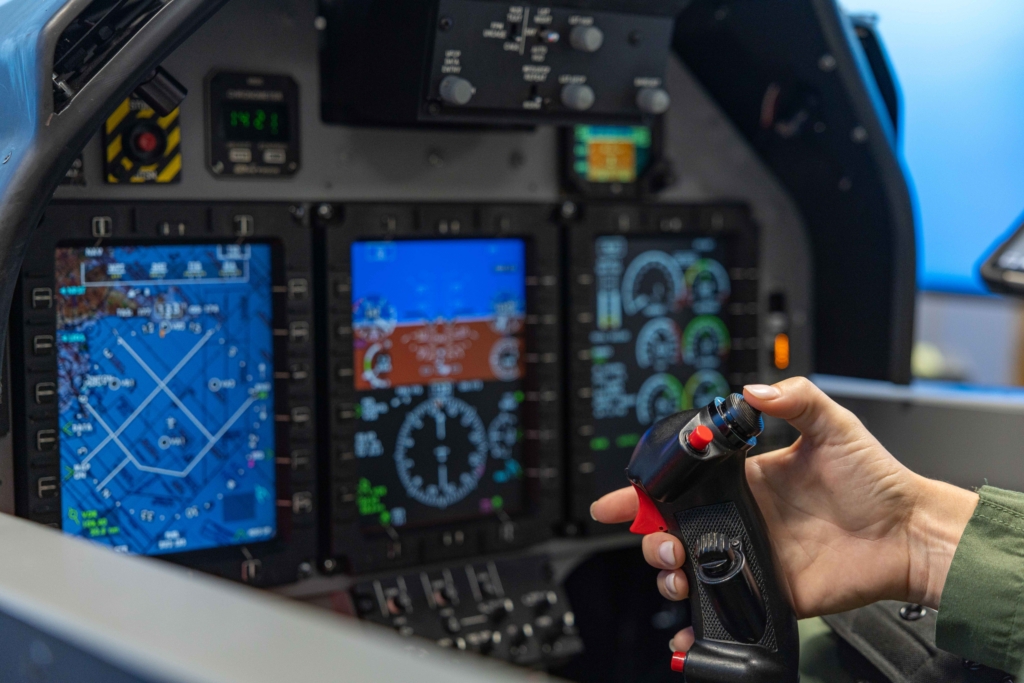
The Royal Air Force reported that the new system upgrades 11 training devices that student pilots use in flying Hawk T2 and Texas aircraft at RAF Valley.
Students are now able to practise circuits, formation flying, and low-level navigation in “a realistic virtual environment while still interacting with a real cockpit, building the skills they need before they fly live.”
Boosting the number of trained RAF pilots
The RAF is working to not invent new technologies, but better exploit the ones it has, and better train its next generation of pilots. Janes also noted that the RAF is working to improve its exercises.
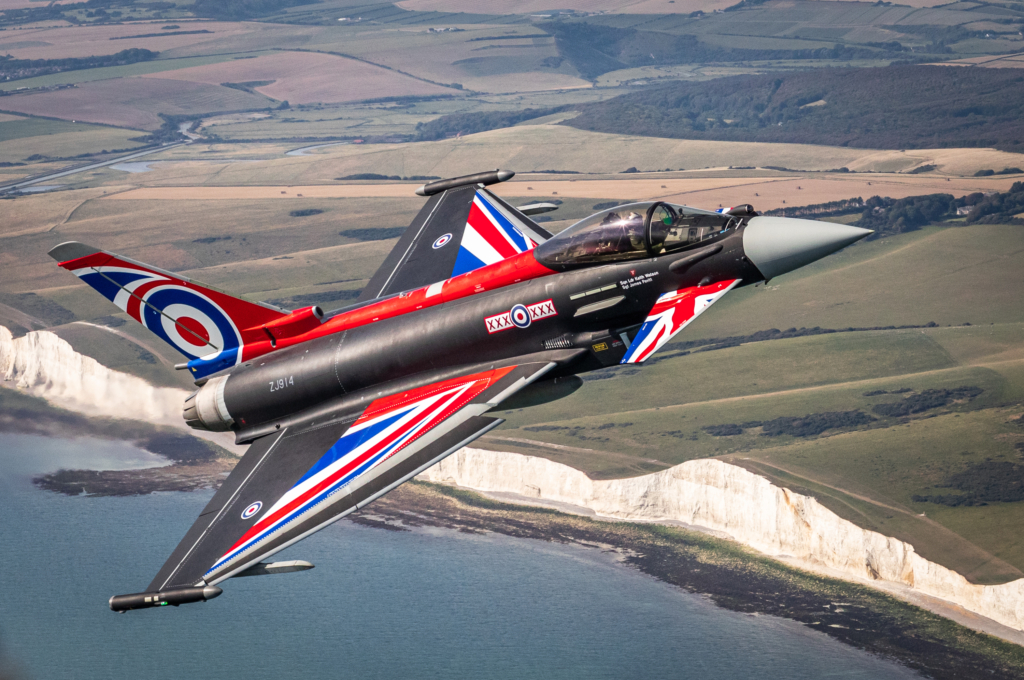
Sharrocks said, “We’re definitely moving from training as preparation to training as operational advantage.”
The RAF wrote that the technology should help increase the number of combat-ready pilots for front-line squadrons. It should also save up to £4 million annually in training costs.
The RAF says that the next phase of the programme is already underway. This will come with a twin-seat mixed reality simulator that will support faster instructor training.
Get the latest aerospace defence news here on AGN.
Trained pilot shortage
Like many air forces around the world, the RAF has a shortage of qualified pilots. Unlike in WWII, it is now a very long, complicated, and expensive task to fully train a fast jet pilot.
The UK’s fast jet training system is in earnest need of a reliable replacement for the Hawk T2. It has suffered from a series of issues, the latest of which is the engine fault that has dramatically reduced the flying hours available. 🧵1/4 https://t.co/Xbhb23tLmb pic.twitter.com/etOl0E8fgO
— Greg Bagwell (@gregbagwell) March 25, 2025
In 2025, AGN reported that the RAF will use Indian flight instructors to help train its next generation of pilots with Hawk T2 jets. The development was seen as both an indication of the shortage of RAF instructors and closer military cooperation between the UK and India.
The RAF’s Hawk T2 advanced trainer fleet is also starting to age, and initial efforts to find a replacement are underway. Boeing and Saab are pitching their T-7 Red Hawk as the RAF’s next replacement.
While most lists count air forces by the number of aircraft or fighter jets they have in service, another very insightful metric is to count the number of trained pilots the service has.
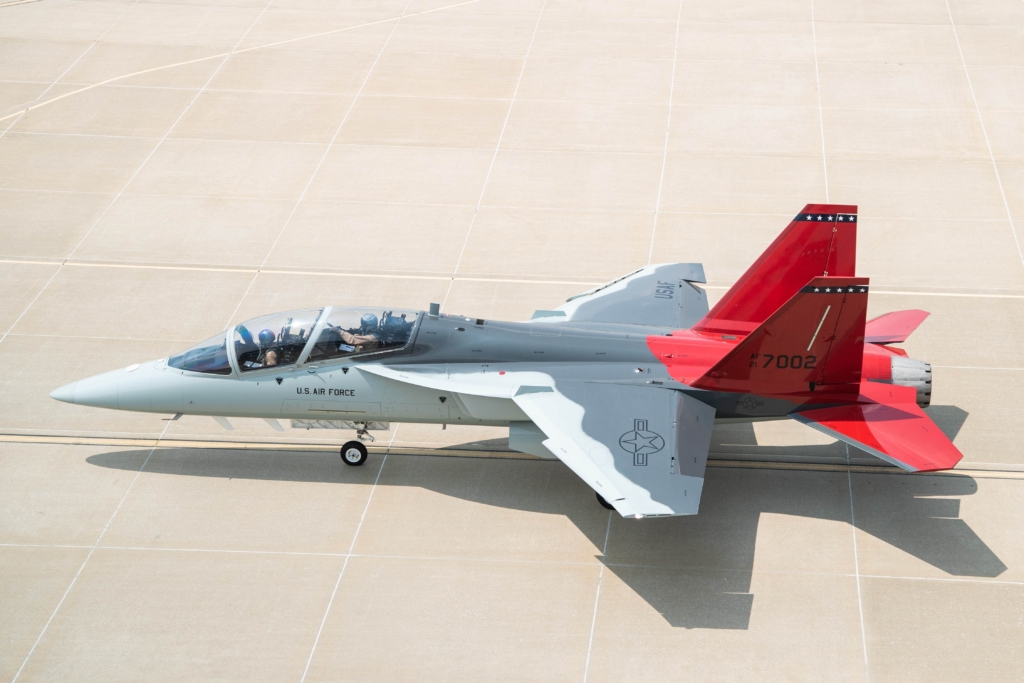
The US Air Force has by far the largest pool of pilots at around 13,000, with the US Marines/Navy/Army providing thousands more. The Royal Air Force has around 1,500 pilots, making it one of the largest in Europe. Around 1,000 more pilots are in the Royal Navy and British Army.
Featured Image: RAF
Sign up for our newsletter and get our latest content in your inbox.


More from


October 17, 20264 min read