


Why aircraft windows have little holes in them

3 min read
You climb aboard, find your seat and get comfy. Glancing out the window, you know you’ll soon be heading off. All is well.
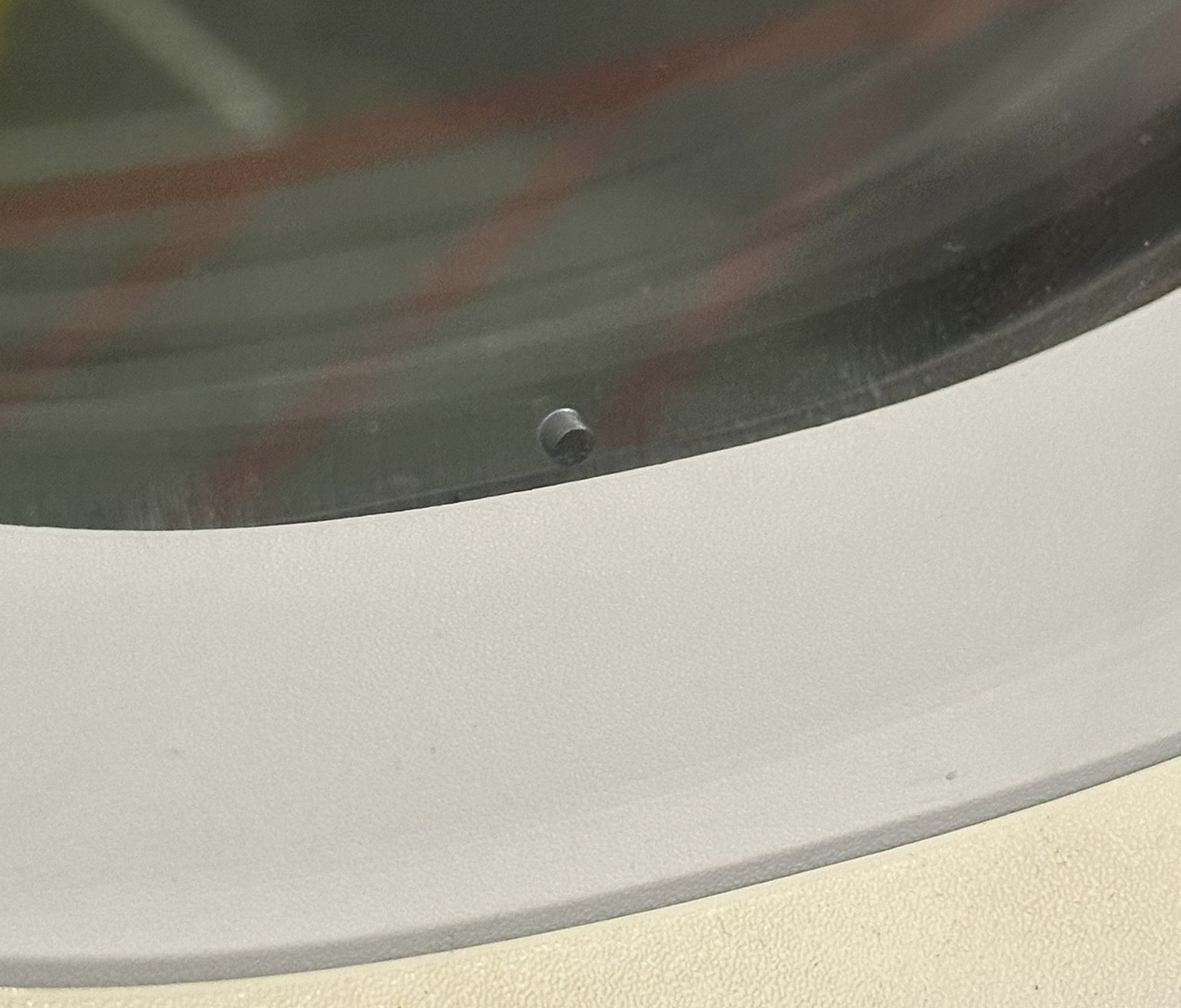
But then you spot it: A tiny hole in the window. A manufacturing flaw? Random damage that should’ve been fixed?
No panic needed – it’s meant to be there, and here’s why.
What is that tiny hole in the aircraft windows?
It’s called a “bleed hole” or “breather hole,” and it’s usually found in the middle pane of a triple-layer window.
Most commercial aircraft windows aren’t just one sheet of plastic or glass. They’re actually made up of multiple layers – generally an outer pane, a middle pane, and an inner pane closest to you.
The tiny hole sits in the middle pane. Its job is to help manage pressure differences between the cabin and the outside atmosphere at cruising altitude.
Small safety feature, big responsibility
At 35,000 feet, the air pressure outside the aircraft is dramatically lower than what we experience inside the cabin. If aircraft windows were just single solid panes, they would be under immense stress the whole flight.
That’s where the layered design really works (and incidentally why commercial aircraft windows are oval).
The outer pane does most of the heavy lifting, handling the majority of the pressure difference. The inner pane is there mainly for backup and passenger safety. The middle pane, where the tiny hole sits, acts as a pressure regulator.

The hole allows the pressure between the cabin and the space between the inner and outer panes to equalise. It basically makes sure that the outer pane is doing the hard work, while the inner pane acts as a safety shield.
How the pressure system actually works
Inside the cabin, you’ve got relatively comfortable, pressurised air. Outside, the air is thin and unforgiving. Without the proper design, that difference would constantly push against the window like an invisible hand.

The bleed hole ensures that the pressure between the inner and outer panes doesn’t build up to a dangerous level. Instead, it stays balanced with the cabin pressure.
This means the outer pane takes on the stress of the altitude, while the inner pane remains a backup layer in case anything goes wrong.
It also helps with temperature regulation and prevents moisture from getting trapped between the layers, which could fog up the view or, in extreme cases, affect structural integrity over time.
Why aircraft bleed holes are nothing to worry about
Every millimetre of an aircraft window has a purpose and is carefully designed.
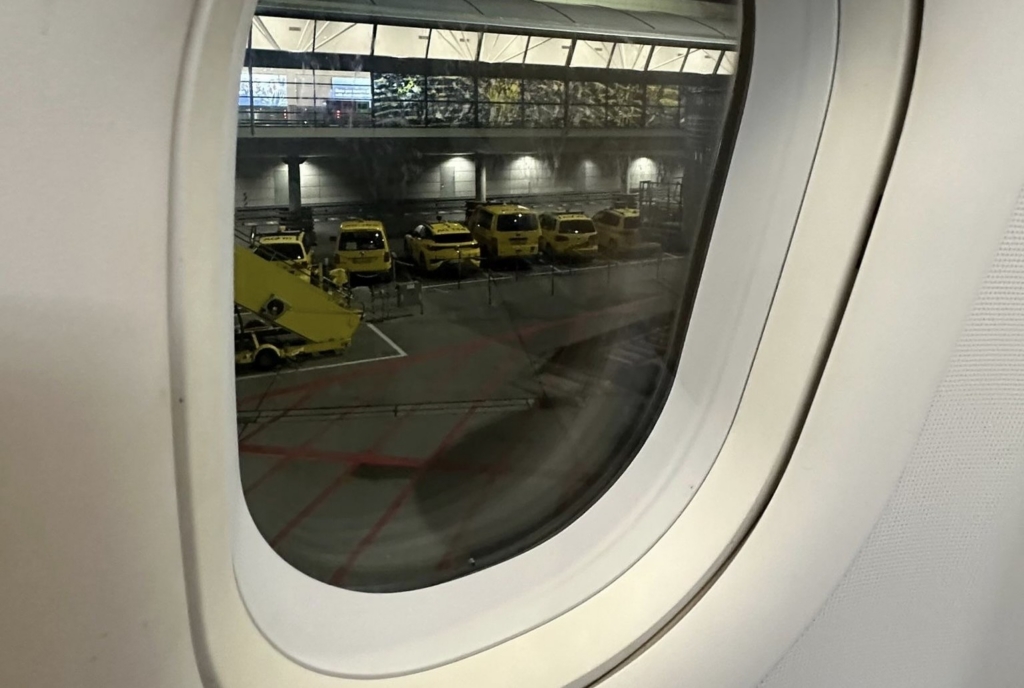
In fact, if that hole weren’t there, the window would actually be more vulnerable to blowing out altogether. So rather than being a weak point, it’s part of what keeps the window strong and reliable throughout the flight.
Like all things in aviation, it’s carefully engineered to do exactly what it needs to do.
Featured image: Emma Lewis


