More than 1/3rd of aviation accidents are misreported: Here’s how IATA proposes to fix it

3 min read
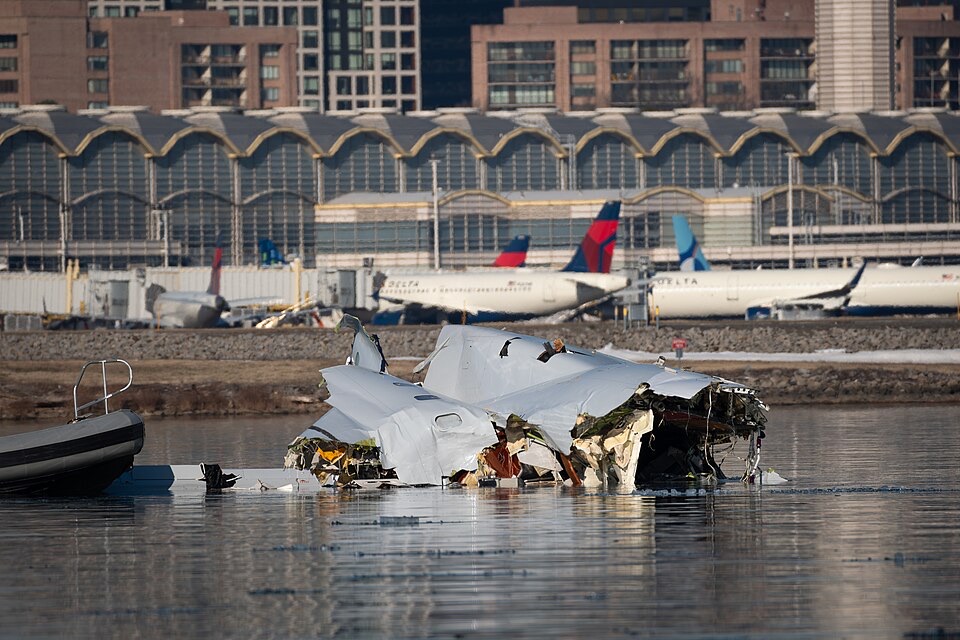
Flying has become so safe that for many it’s simply second nature.
But according to the International Air Transport Association (IATA), that success is creating a new problem.
Commercial aircraft accidents are rarer than ever before. In 2005, the industry recorded one accident for every 268,703 flights. By 2025, that figure had improved dramatically to around one accident for every 760,000 flights.
While that progress is of course positive, it also means that when an accident does happen, the investigation that follows really matters even more than before.
More than a third of accident reports miss international standards
IATA says too many investigations are failing to meet the standards set out in Annex 13 of the Chicago Convention – the international framework governing aircraft accident investigations.
Between 2019 and 2023, only 63% of accident investigations were completed in accordance with Annex 13 requirements. The remainder were delayed, incomplete, unpublished or failed to meet international reporting standards.
For an industry built on data-sharing and collective learning, that is something of a growing concern.
Why are accidents being misreported?
The reasons vary. Some states no longer have the specialist resources or expertise needed to investigate major accidents efficiently, simply because accidents happen so infrequently.
In other cases, political sensitivities, legal disputes or not enough access to evidence can slow the process significantly.
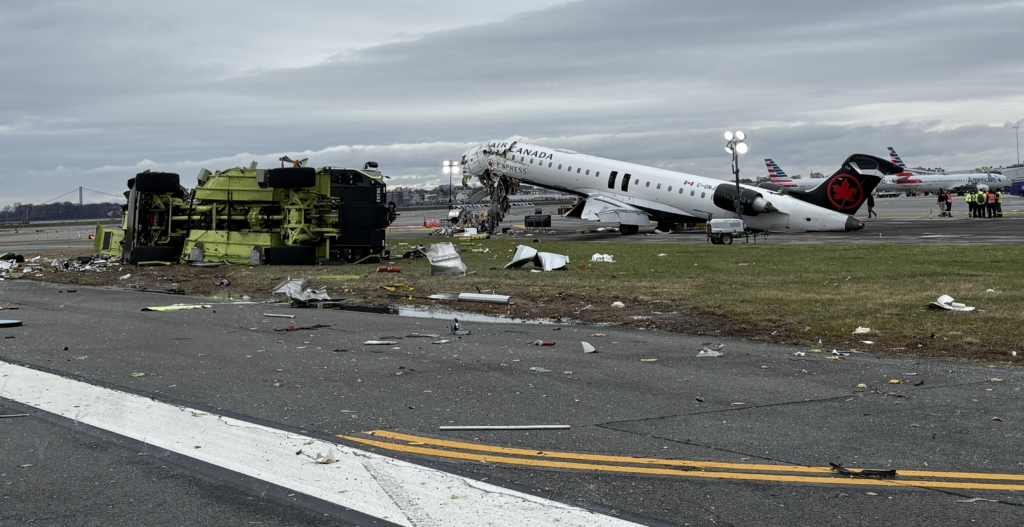
According to IATA, the problem is not necessarily a lack of willingness, but a system struggling to adapt to an era where serious accidents are – thankfully – exceptionally rare.
Why accident investigations still matter
Over time, accident reports have shaped many of aviation’s biggest safety improvements. Changes to pilot training, cockpit procedures, aircraft systems and maintenance standards have often emerged directly from investigation findings.

At the same time, aviation generates a huge amount of operational and flight data every day. Alongside thorough investigations, that data can help identify trends and risks far earlier than before.
But that only works if investigations are completed properly and shared across the industry.
IATA backs Annex 13 reforms and new safety tools
To improve completion rates, IATA is supporting a series of proposed amendments to Annex 13.
One of the key changes would make it clearer that states can delegate investigations to another country or regional investigative body when local capability is limited.
The proposals also reinforce the importance of unrestricted access to evidence and greater transparency throughout the investigation process.
Importantly, the updated guidance emphasises clearer communication not only with regulators and airlines, but also with victims’ families and the public.

Alongside the regulatory reforms, IATA has worked with ICAO and the International Federation of Air Line Pilots’ Associations (IFALPA) on a simplified infographic (PDF) explaining how Annex 13 investigations should progress step-by-step.
The aim is to reduce confusion among the wider group of organisations involved in accident investigations and help reports get completed faster.
IATA has also set up a central database that pulls together safety recommendations from accident reports around the world. Instead of being spread across different countries and agencies, the information is now in one place, making it much easier to spot patterns and recurring risks across the industry.
Every investigation carries greater weight
IATA accepts there is no single reason why so many reports fail to meet Annex 13 standards, and that there is no instant fix.
But the message is clear: aviation’s impressive safety record cannot become a reason for complacency. If accidents are now rare, every investigation matters more than ever because the lessons contained in a single report could ultimately help prevent future tragedies and save lives.
Featured image: US Coast Guard
Sign up for our newsletter and get our latest content in your inbox.


More from


October 17, 20264 min read