


Marine Corps-backed Regent Squire WIG drone reaches 70-knot test milestone

4 min read
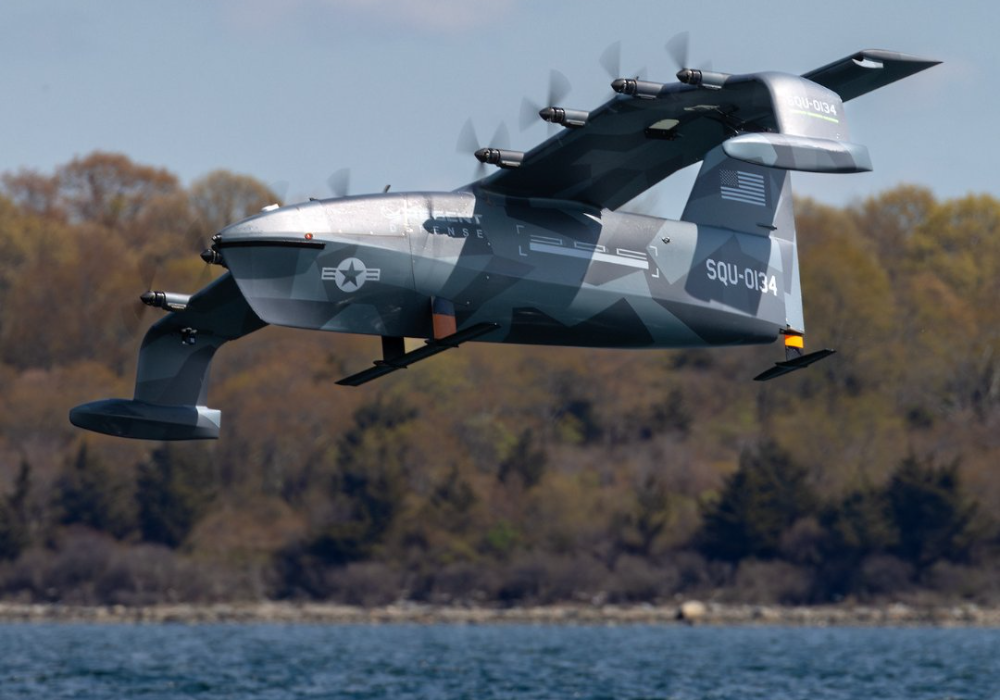
Regent is a Rhode Island-based company developing dual-use all-electric wing-in-ground-effect (WIG or GEV) Seagliders (also called ekranoplans) for high-speed coastal and regional maritime transportation.
In July 2025, AGN reported the Marines had tapped Regent to build sea-skimming transport drones. Now, Regent has flown a prototype at 70 knots.
Regent makes progress on Marine’s Squire WIG drone
The US-based company, Regent, is making progress where many others have failed. The first successful ground-effect flight of Squire was announced on the 13th of April.
We’re continuing to test and develop our autonomous Seaglider drone, Squire. We’ve proven our max speeds of 70kts – now we’re focused on expanding the platform’s endurance, demonstrating the reliability, resilience, and mission readiness that modern maritime operations demand. pic.twitter.com/PDyS7jiNom
— REGENT (@regentcraft) June 4, 2026
Regent hailed this as a milestone representing “the first time a defense-specific wing-in-ground effect (WIG) craft has flown in the United States, positioning the U.S. to overtake China in this critical technology space. “
Yesterday, the company posted, “We’re continuing to test and develop our autonomous Seaglider drone, Squire. We’ve proven our max speeds of 70kts.”
It added that the company is now focused on expanding the platform’s endurance, demonstrating the reliability, resilience, and mission readiness.
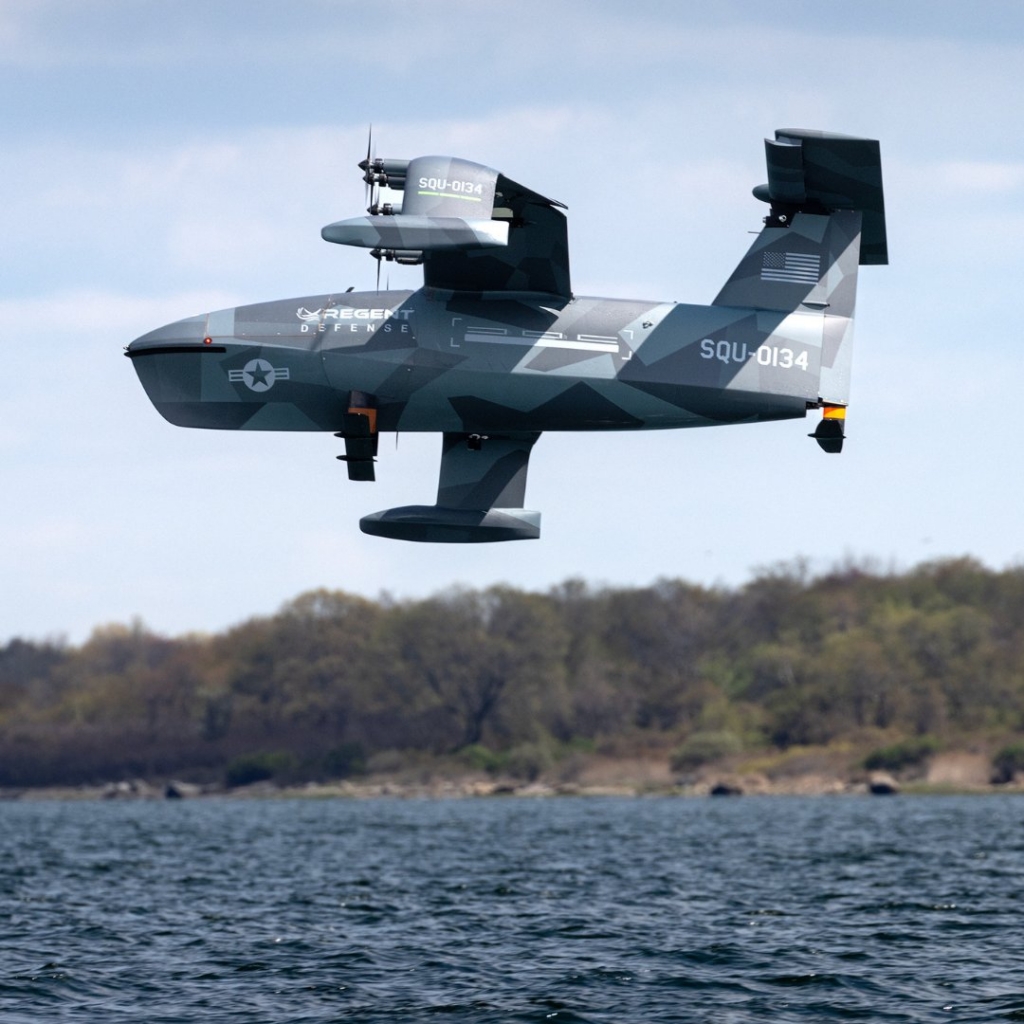
As with other WIG companies, Regent is developing the Seaglider drone as a dual-use craft aimed at supporting Marine Corps logistics.
The autonomous Squire drone is being developed in partnership with the US Marine Corps. AGN has previously reported that the Marines are seeking a range of autonomous electric or hybrid solutions to address the “last mile” of logistics, especially in the Asia-Pacific context.
Regent’s passenger Seaglider Viceroy & Monarch WIGs
Regent reported in May 2026, “Our Seaglider Manufacturing Facility is coming online soon!” The Viceroy is its flagship 12-passenger Seaglider WIG.
Our Seaglider Manufacturing Facility is coming online soon! We’re ready to build and excited to deliver the future of maritime mobility to our commercial and defense partners.
— REGENT (@regentcraft) May 11, 2026
#madeinAmerica #manufacturing #floatfoilflybuild pic.twitter.com/sjmXlWA7ib
The craft is designed to exclusively operate over water and is able to traverse the sea in one of three modes: hull, hydrofoil, or flight in ground effect. Importantly, WIG has the convenience and regulatory ease of a boat.
They are designed with a range of 160 nautical miles with today’s battery technology and are planned to have a range of over 400 nautical miles once next-generation battery technology becomes available.
Viceroy is currently in advanced testing. Regent is also developing a large 50-100 model called Monarch.
Regent currently has a very large order book, reported to be over 600 Viceroy and Monarch Seagliders valued at over $9 billion. Its customers include airlines, ferries, and logistics operators like Southern Airways Express, UkrbanLink Air Mobility, New Zealand’s Ocean Flyer, and others.
Our 2026 test campaign is officially underway!
— REGENT (@regentcraft) March 12, 2026
After a winter spent improving the design, reviewing data, and pushing forward in simulation, our team is building momentum across the program as sea trials continue. Every test brings us closer to validating performance,… pic.twitter.com/xPPezEFzAi
Ocean Flyer is a new New Zealand company that signed an agreement to purchase 25 Seagliders (15 Viceroys and ten Monarchs) to be delivered in the next decade.
The company says they will be able to serve the traditional airline route between Christchurch and Wellington, taking an hour and costing just $60 NZD ($35 USD) per seat. The route takes four and a half hours by car plus a three and a half hour ferry ride.
Get the latest aerospace defence news here on AGN.
The attractiveness of WIG craft (ekranoplans)
For decades, airlines, ferry operators, and militaries have seen the enormous potential of WIGs. The Soviet Union heavily experimented with them, famously producing the Caspian Sea Monster and bringing the Lun class into service.

The US military has repeatedly investigated large maritime transports that exploit ground effect, including Boeing’s Pelican concept and DARPA’s recently cancelled Liberty Lifter programme. Meanwhile, a large WIG has been recently seen in testing in China.
WIGs occupy a middle ground between ships and aircraft, offering much higher speeds than ships while potentially carrying heavier loads than conventional aircraft of similar size. By riding on a cushion of compressed air, the vehicle is able to fly fast and fly heavy.

The Soviets saw potential in being able to skim under the radar and attack ships, the US has seen logistical value, commercial airlines as offering connection flights to islands and around bays, and commercial ferries see them as an ultra-high-speed ferry option.
However, there are enormous engineering challenges, including how to overcome rough seas. Time will tell if Regent is finally breaking through these engineering hurdles.
Featured Image: Regent
Sign up for our newsletter and get our latest content in your inbox.


More from


October 2, 20263 min read


