Ukraine tests FP-7.X missile as foundation for Freyja ballistic interceptor

4 min read
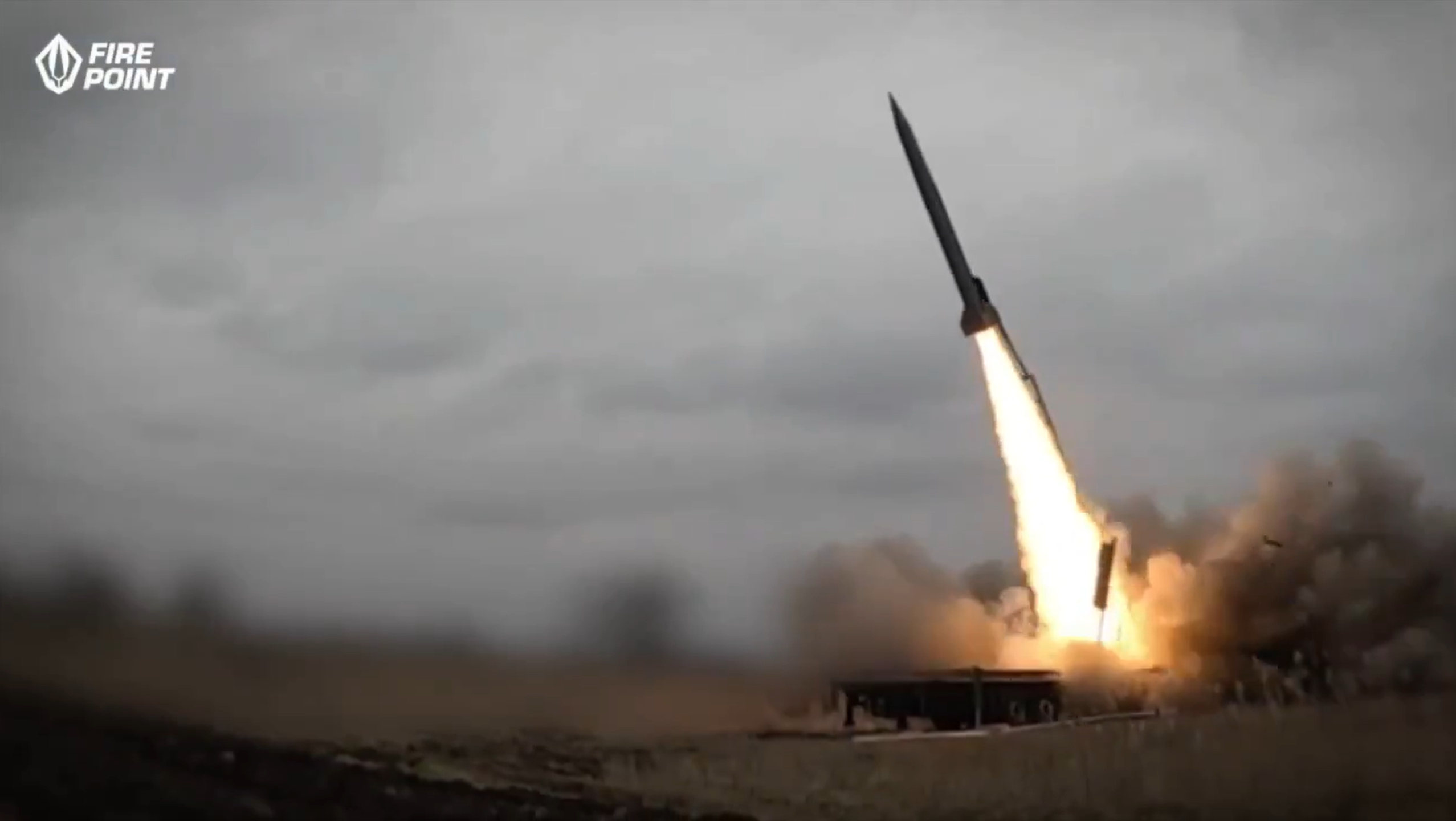
Yesterday, Ukraine’s Fire Point CEO, Iryna Terekh, took to X (formerly Twitter), showcasing the FP-7.X missile’s test launch. The missile is intended to add to Ukraine’s growing suite of ballistic missiles and lay the foundation for a future interceptor missile.
Ukraine says it will develop a ballistic interceptor from FP-7.X
Terenkh said, “States lose wars on the battlefield far less often than they lose them in universities, laboratories, and factories ten years before those wars begin.”
Держави програють війни на полі бою значно рідше, ніж вони програють їх у інститутах, лабораторіях та на виробництві за десять років до їх початку.
— terekh (@iraterekh) June 3, 2026
Коли країна роками недофінансовує інженерну освіту, скорочує дослідження, втрачає виробничі компетенції або звикає покладатися на… pic.twitter.com/Ti1Ayn4INf
She announced, “A few days ago, we conducted an extraordinarily important test: a fully controlled, manoeuvring flight of the FP-7.X missile, which will form the basis of the future FREYJA anti-ballistic interceptor.”
Terekh posted a video showing a pink (presumably FP-7) missile being fired from a rail launcher. According to TurDef, the missile measures 7.25 metres long and 530 mm in diameter. It is to have a speed envelope between 1500 m/s and 2000 m/s (Mach 5 and Mach 6.7 at high altitudes).
Fire Point (founded in 2022) has emerged as Ukraine’s largest drone maker and is building the enormously successful FP-1/-2 one-way attack drones and the FP-9 Flamingo heavy cruise missile.
The initial variants of the FP-7 will be to attack ground targets, with more complicated interceptor variants developed later.
In Kronstadt (Saint Petersburg), FP-1 drones struck a location where military ships were stationed. They successfully took out the Project 20380 corvette "Boyky". This guided-missile corvette is part of the Russian Navy’s Baltic Fleet. pic.twitter.com/EFVogmhBp5
— Denys Shtilierman (@DenShtilierman) June 3, 2026
Meanwhile, Reuters reported that Fire Point’s co-owner, Denys Shtilierman, said in April that it was in talks with unmanned European companies to launch a new air defence system able to shoot down a supersonic ballistic missile by the end of 2027.
The aim is to create a low-cost alternative to the US-made Patriot SAM.
Get the latest aerospace defence news here on AGN.
Ukraine’s large SAM network is short on interceptors
Ukraine entered the 2022 war with the second-most S-300 family systems of any nation. However, many were destroyed, and its missile stocks were depleted.
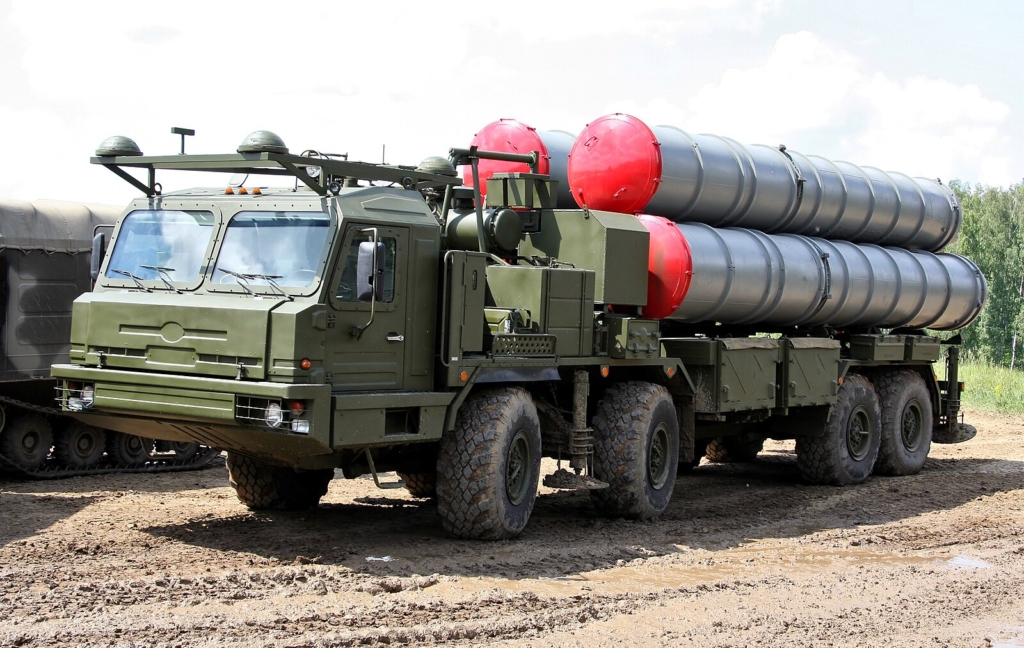
The West then rushed to create “FrankenSAMs” using S-300 launchers and Western interceptors (like AIM-120 AMRAAMs). Western nations followed up by supplying Ukraine with Patriot, NASAMS, SAMP-T, Iris-T, Hawk, and other shorter-range air defences.
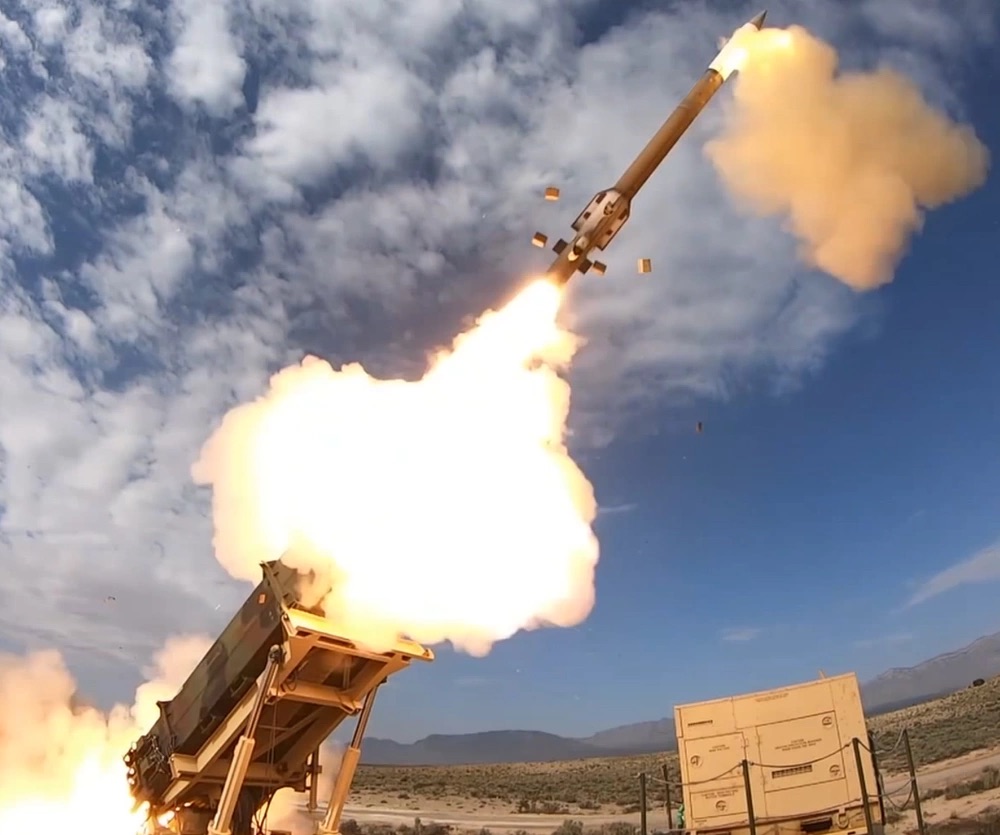
Of these, only the Patriot (PAC-3 MSE), SAMP-T (Aster 30), and S-300 (certain variants) have the ability to intercept ballistic missiles, and of these, the Patriot is considered the most capable by a wide margin. France is working to upgrade its SAMP-T capabilities.
However, the issue has become the extreme shortage of interceptor missiles for the Patriot, and this is not expected to be resolved any time soon. Demand for Patriot has exploded not only in Ukraine but also by the 2026 Iran air campaign and efforts by the US, Gulf allies, and Europeans to replenish and boost their stocks.
Test launch of the FP-7.X missile reportedly being developed as a stepping stone toward the future FREYJA anti-ballistic interceptor. https://t.co/sSIOfcz3AN pic.twitter.com/ruon9yYRAf
— Special Kherson Cat 🐈🇺🇦 (@bayraktar_1love) June 3, 2026
It should be noted that it is common for SAMs to evolve. For example, the Patriot was only designed as an anti-aircraft system, but by the Gulf War, it was considered theoretically capable of intercepting ballistic missiles (which it did initially with mixed success).
The Freya “FrankenSAM” approach
The “Freya” concept is a proposed hybrid missile defence system that will pair local Ukrainian interceptor missiles with advanced European radar stations.
Reuters writes, “The missile itself is only one component of an air defence system. Analysts say its most complex parts are the ground radar network and the targeting system in the missile.”
In the short term, Ukraine is planning a “FrankenSAM” or hybrid approach where they develop domestic interceptor missiles to be “plug-and-play” with existing infrastructure (such as Kongsberg’s NASAMS).
These interceptors will be fired first from a modified Soviet launcher (e.g., Buk or S-300 rail, or Western-supplied trailer). Targeting will be via a Western radar (e.g., AN/MPQ-64).
Long-range search radar options include the SAAB Giraffe 8A/4A, Thales Ground Master 400, or Hensoldt TRML-4D.
The FP-7 missile itself is heavily influenced by the S-300/S-400 5V55 air defence missile, but modernised with composites for lighter weight and lower cost. In the longer term, Ukraine wants to develop more of the components domestically.
Ukraine retains a significant amount of Soviet legacy engineering capabilities, including being one of around six nations able to design and build jet engines.
Featured Image: Fire Point
Sign up for our newsletter and get our latest content in your inbox.



More from


October 13, 202612 min read