


Cargo drones to fly between Manhattan and Brooklyn as New York launches yearlong trial

5 min read
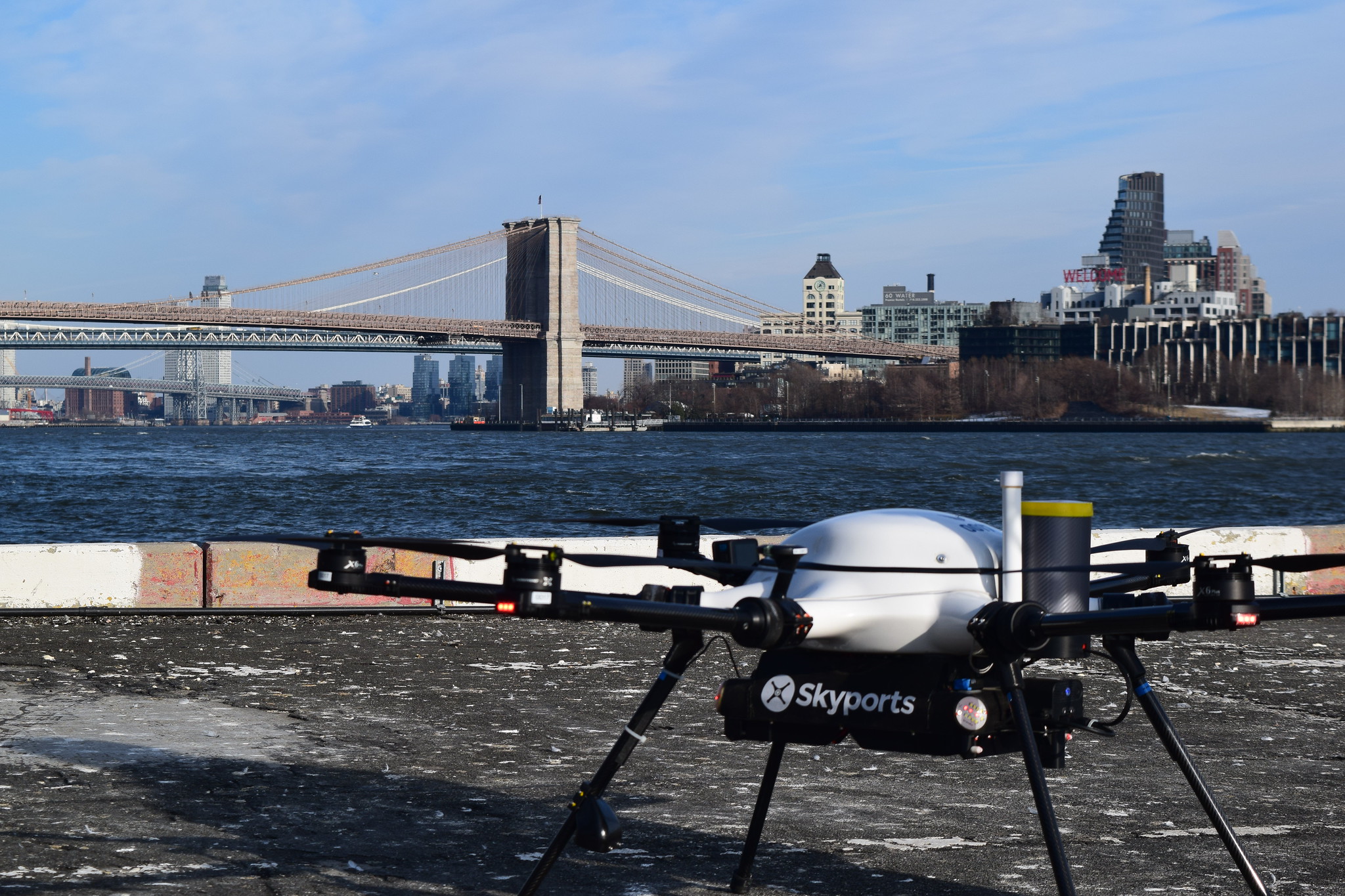
A new chapter in urban air logistics is set to begin over New York’s East River, where a yearlong cargo drone trial will test whether small uncrewed aircraft can take on part of the city’s delivery burden quietly, quickly and above some of the most congested streets in the world.
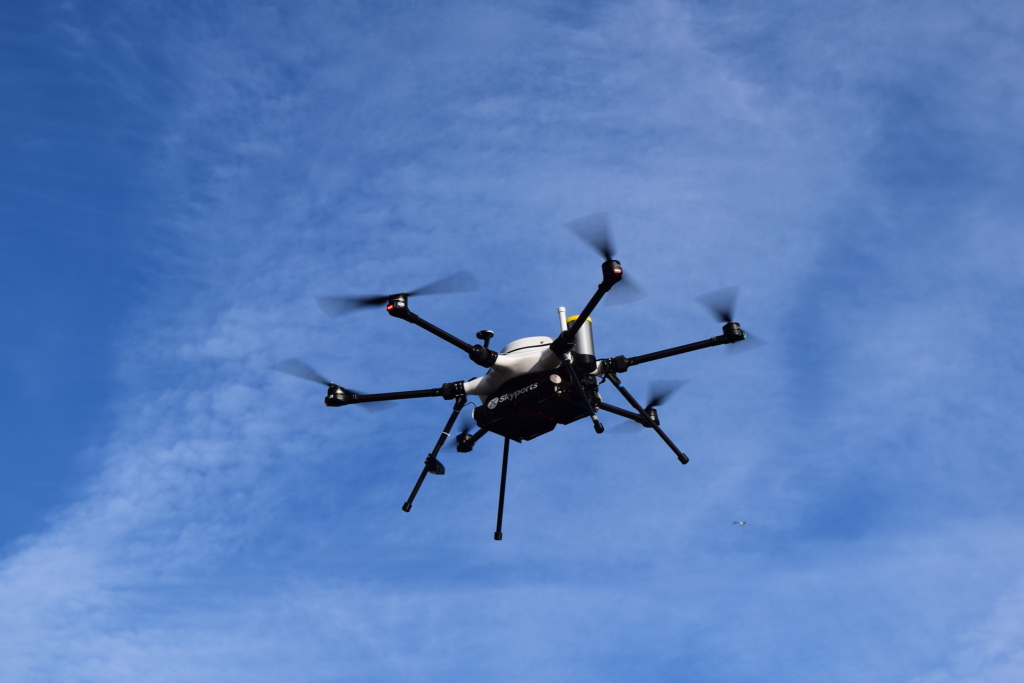
The Port Authority of New York and New Jersey, working with Skyports Drone Services, will begin regular weekday flights from 27 April between lower Manhattan and the Brooklyn Marine Terminal, marking one of the most sustained attempts yet to integrate drone logistics into a major metropolitan transport network.
New York drone cargo corridor over East River operates in one of the world’s most complex airspaces
The trial will see small uncrewed aircraft fly a fixed corridor across the East River, deliberately routed over water and away from residential areas.
Operations will run between 09:00 and 17:00 on weekdays under the supervision of certified drone pilots and with approval from the Federal Aviation Administration.
Even within those constraints, the operational environment is anything but simple.
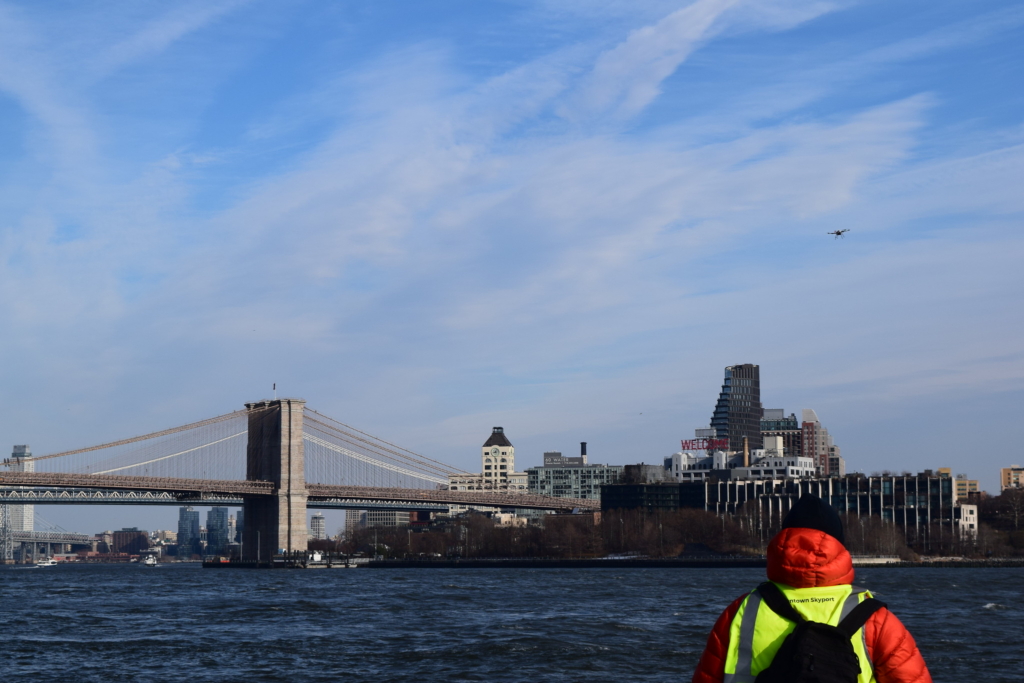
The corridor sits within one of the busiest and most tightly managed airspaces in the United States, overlapping with helicopter routes, ferry traffic and the wider network of airports across the New York metropolitan area.
Coordination will extend beyond aviation authorities to include maritime operators, the New York Police Department, the Fire Department and the US Coast Guard.
January drone cargo trials in New York showed strong performance ahead of yearlong rollout
The yearlong programme builds directly on a shorter proof-of-concept carried out in January, which used the same route and operating model.
During that two-week test, the drone completed 135 flights, travelled 151 miles and carried 252 pounds of test cargo.
Each one-way trip took around four minutes, compared with up to 20 minutes by road, highlighting the time advantage in a city where traffic congestion remains a persistent constraint.
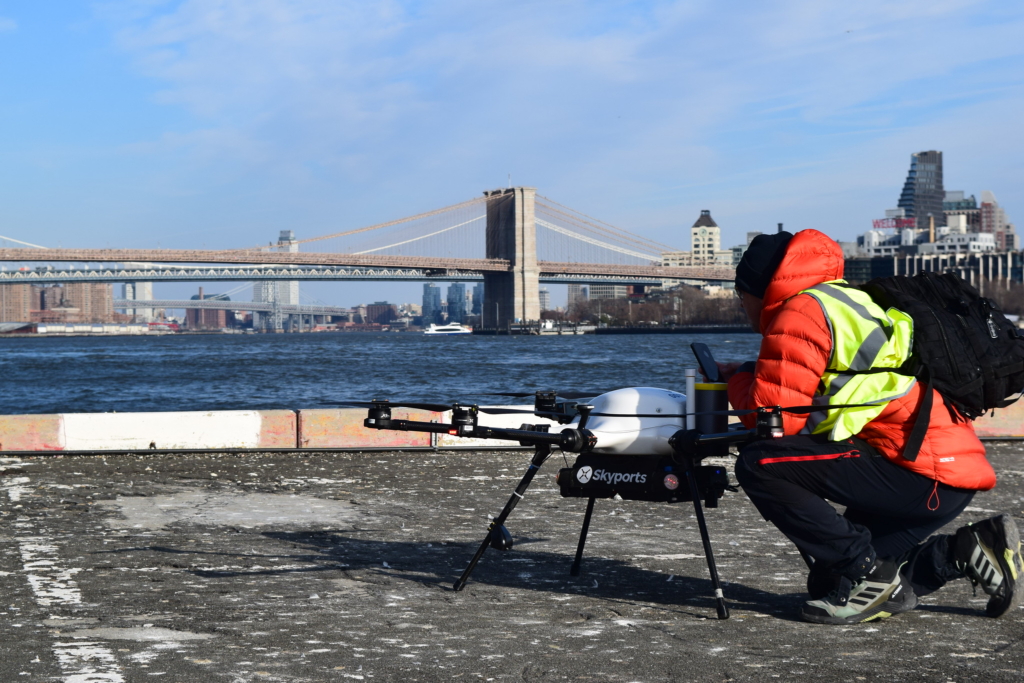
The flights also demonstrated a degree of operational resilience. Despite poor weather conditions, 96 per cent of planned missions were completed.
Those early results have given regulators and operators enough confidence to extend the trial into a longer, more representative operational phase.
Drone cargo flights focus on medical deliveries and middle-mile logistics in New York
Unlike some drone demonstrations that focus on technology, the New York trial is aimed squarely at operational use.
The aircraft will carry non-hazardous cargo, including light pharmaceutical supplies for a non-profit healthcare provider, to assess how aerial delivery can support patient care.
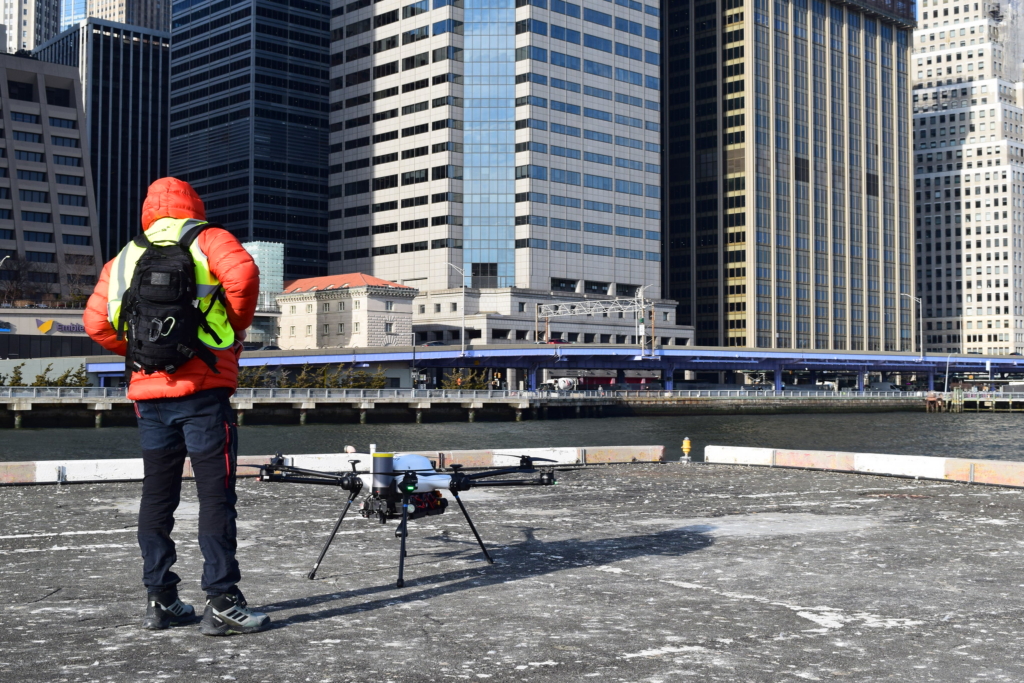
This places the trial firmly in the “middle mile” segment of logistics, moving goods between hubs rather than directly to consumers.
“Around the world, drones have proven to be an effective tool for transporting critical cargo, offering a faster and cleaner alternative to traditional road transport,” said Alex Brown, CEO of Skyports Drone Services.
Speedbird Aero drone platform powers New York cargo trial with BVLOS capability
The aircraft used in the trial will be supplied by Speedbird Aero, a company specialising in unmanned aerial logistics.
The platform has already been deployed in a range of operational environments, including routine delivery flights in remote regions and offshore logistics missions.
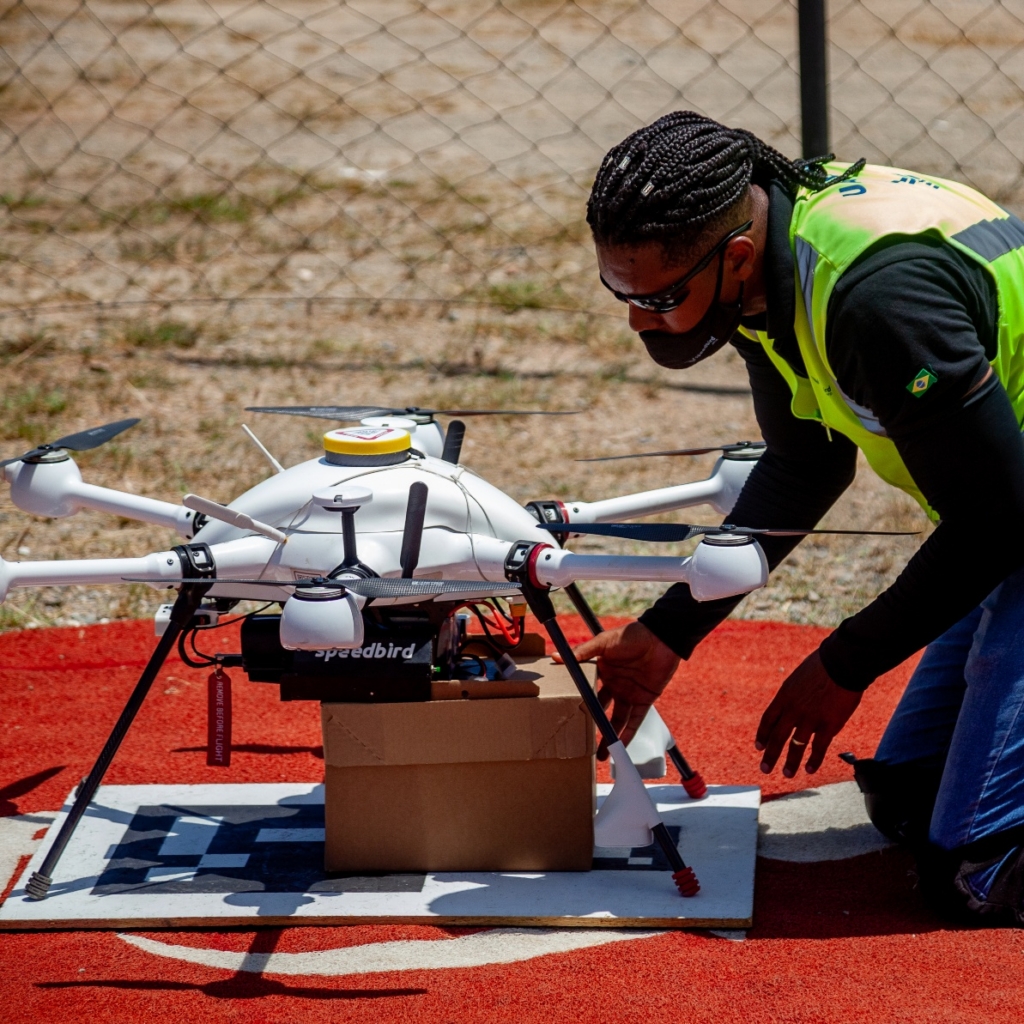
Speedbird’s systems are designed for beyond visual line of sight (BVLOS) operations, an essential capability for scaling drone logistics beyond small demonstration flights.
“The launch of operations in New York is a defining moment for drone logistics,” said Manoel Coelho, CEO of Speedbird Aero. “Few cities present the operational complexity and logistical demand… this service demonstrates the maturity of our technology.”
Port Authority tests drone cargo to cut congestion and emissions in New York
For the Port Authority and city planners, the trial is about more than aviation.
The broader objective is to explore whether part of the city’s freight movement can be shifted away from roads, reducing congestion, cutting emissions and easing pressure on urban infrastructure.
“The Port Authority has put small uncrewed aircraft to use for public service for many years,” said Chairman Kevin O’Toole, pointing to earlier applications in construction and infrastructure inspection. “Now we are laying the groundwork for the next generation of cargo delivery in this region.”
City officials have also framed the effort as part of a wider strategy to develop waterfront and air-based logistics hubs, integrating drones into a broader multimodal transport system.
The move to a yearlong trial has not been without groundwork.
Authorities conducted outreach with local communities, maritime operators and elected officials before the start of operations, reflecting the sensitivity of introducing new aviation activity in a dense urban environment.
Industry groups have also been involved in shaping operational procedures.
“This collaboration is enabling the seamless integration of drone cargo delivery in a way that enhances efficiency, safety and public benefit,” said Stephen Lyman of the Maritime Association of the Port of New York and New Jersey.
Can New York scale drone cargo? Yearlong trial to assess future logistics network
The 12-month trial is ultimately intended to answer a broader question: can drone delivery move beyond pilot projects and become a regular part of urban logistics?
At the end of the programme, the Port Authority and its partners will assess performance, operational impact and the potential for expansion to other routes.
The outcome will also inform whether a permanent service, particularly for time-sensitive cargo such as medical supplies, can be established.
The flights may be limited in scope, tightly controlled and closely monitored. But the implications are larger.
If successful, the trial could mark the beginning of a shift in how goods move through one of the world’s most complex cities, less by road, and increasingly by air.
Featured image:


