


AirAsia receives 1st Airbus A321LR as long-haul narrowbody replaces widebodies

4 min read
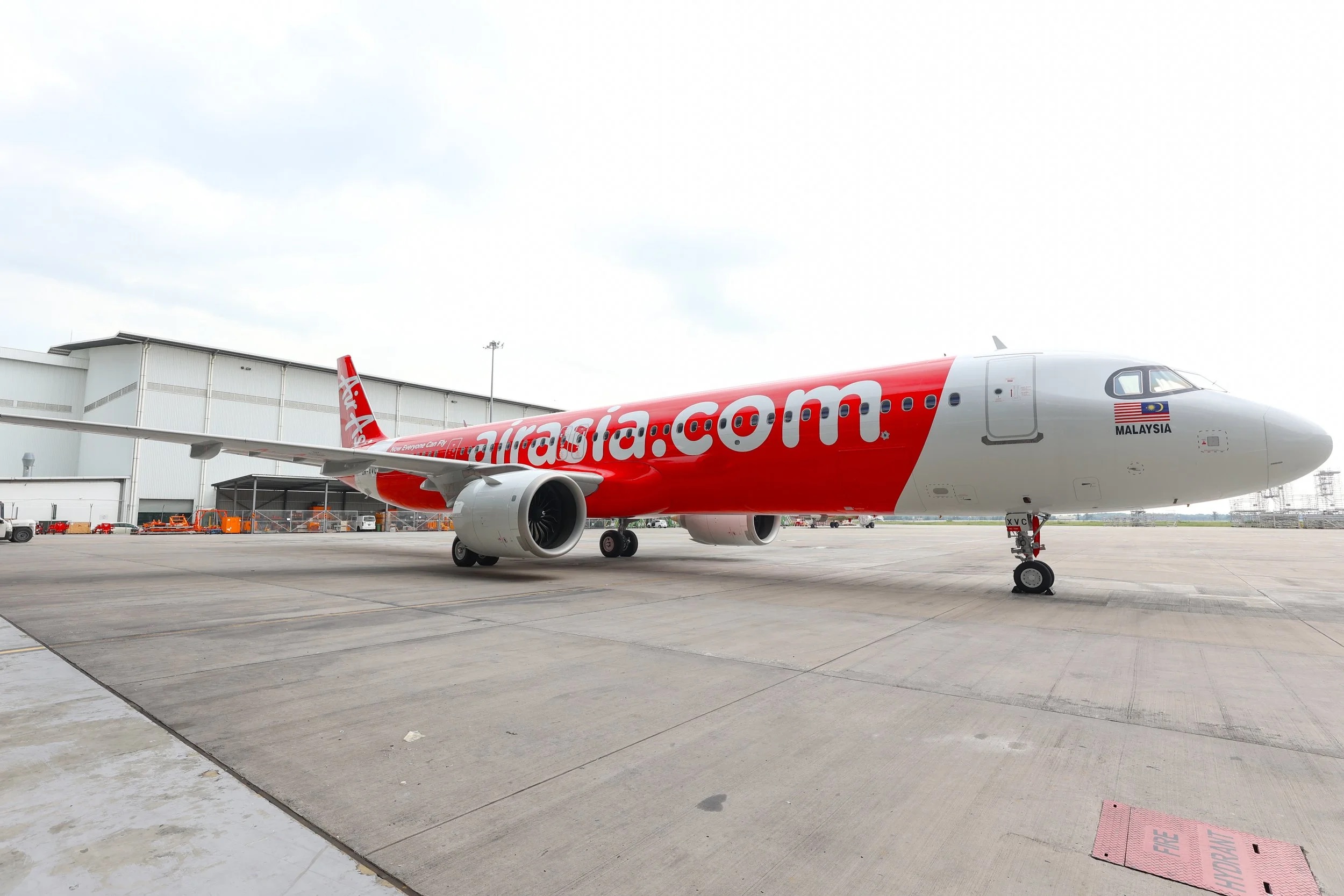
AirAsia Group has received its first Airbus A321LR as the airline accelerates a wider fleet restructuring strategy focused on larger, longer-range narrowbody aircraft.
The delivery comes as the carrier looks to consolidate operations, reduce reliance on widebody aircraft and improve efficiency amid elevated fuel costs and ongoing financial pressures.
The announcement came alongside the airline group’s latest financial results for the three months to March 2026 (1Q26), which showed an operating net loss of RM129 million (US$29 million), driven largely by increased fuel costs and foreign currency fluctuations.
AirAsia receives first Airbus A321LR
The arrival of Air Asia’s first Airbus A321LR marks the next step in the consolidated airline’s fleet development plans as it looks to operate longer routes with single-aisle aircraft in the future.
The company is currently in the process of being divested from Malaysia’s Capital A investment platform, with sister airline AirAsia X taking over the AirAsia Aviation Group to become a single operating entity.
AirAsia said the aircraft would help reduce the need for widebody operations across the group, particularly on routes where AirAsia X’s Airbus A330 fleet may offer too much capacity.
delivery #A321neo @airasia 9M-XVC pic.twitter.com/UFPgmEoku3
— Tobi (@Tobias_Gudat) May 2, 2026
The airline is expecting a second A321LR due for delivery in June, although it has not yet revealed which routes the aircraft will serve.
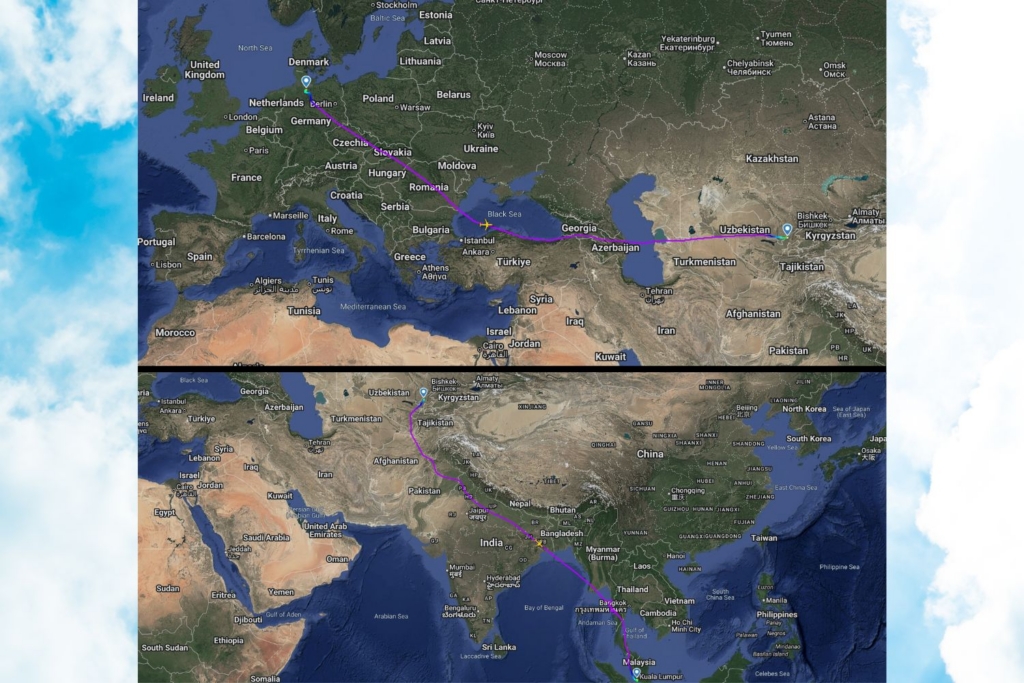
The first aircraft, registered 9M-XVC, was accepted by the airline on 30 April, but flew out of Hamburg on 2 May. After a 14-hour-plus journey (including a stop in Tashkent), it arrived in Kuala Lumpur early in the morning on 3 May. It will accommodate 236 passengers in a single-class configuration once it enters commercial service.
AirAsia Group still has more than 360 Airbus A321neos on order, including the ultra-long-range A321XLR variant.
The group originally ordered 100 A321neos in 2016 before converting 253 smaller A320neo orders to the larger aircraft in 2019. In 2021, it converted its remaining outstanding A320 orders to the A321neo, bringing the total backlog to 363 aircraft.
The airline currently operates 19 A321s.
AirAsia focuses future fleet around the A321neo and A220
The delivery of the first A321LR forms part of AirAsia’s wider strategy to operate a more efficient narrowbody-focused fleet.
As additional A321neos arrive across AirAsia’s operations in Malaysia, Thailand, Cambodia, Indonesia and the Philippines, the group plans to gradually reduce its fleet of older Airbus A320 aircraft, including a sizeable number of A320ceo variants.
According to the carrier, the group fleet currently stands at 239 aircraft, of which 230 are operational.
However, fleet data from Planespotters.net shows around 40 A320s remain parked or in maintenance.
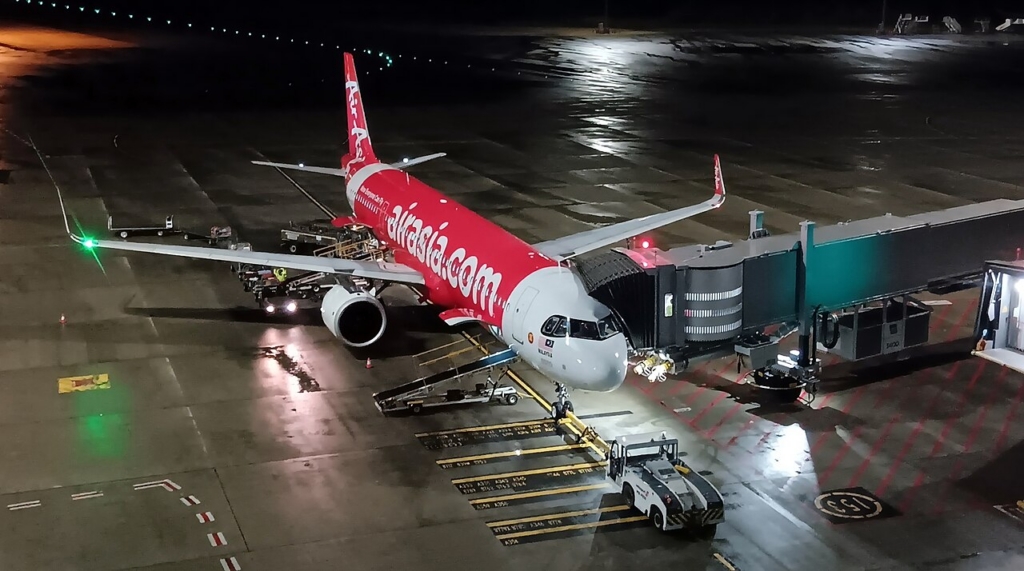
AirAsia said it is conducting a broader fleet management review, with the total fleet expected to shrink as older aircraft are returned to lessors.
By the end of the second quarter, the fleet is expected to reduce from 239 to 229 aircraft. AirAsia said it plans to return 14 aircraft by the end of 2026, six more than originally planned, as part of efforts to optimise fleet utilisation.
At the same time, the airline expects all currently stored aircraft to be reactivated by the third quarter of 2026.
For AirAsia, the A321neo offers a combination of higher seating density, lower per-seat operating costs and enough range to support thinner medium-haul routes without requiring widebody aircraft.
The aircraft also shares cockpit systems, pilot training and maintenance commonality with the A320 family, helping simplify operations across the group.
The A220 will become AirAsia’s regional backbone
AirAsia’s fleet overhaul comes just days after the group placed a firm order for 150 Airbus A220-300 aircraft, the largest single order in the programme’s history and a deal that pushed the A220 beyond 1,000 total firm orders.
While the A220-300 is smaller than the A320 family, it offers sufficient range for regional and medium-haul operations while potentially lowering operating costs further on thinner routes.
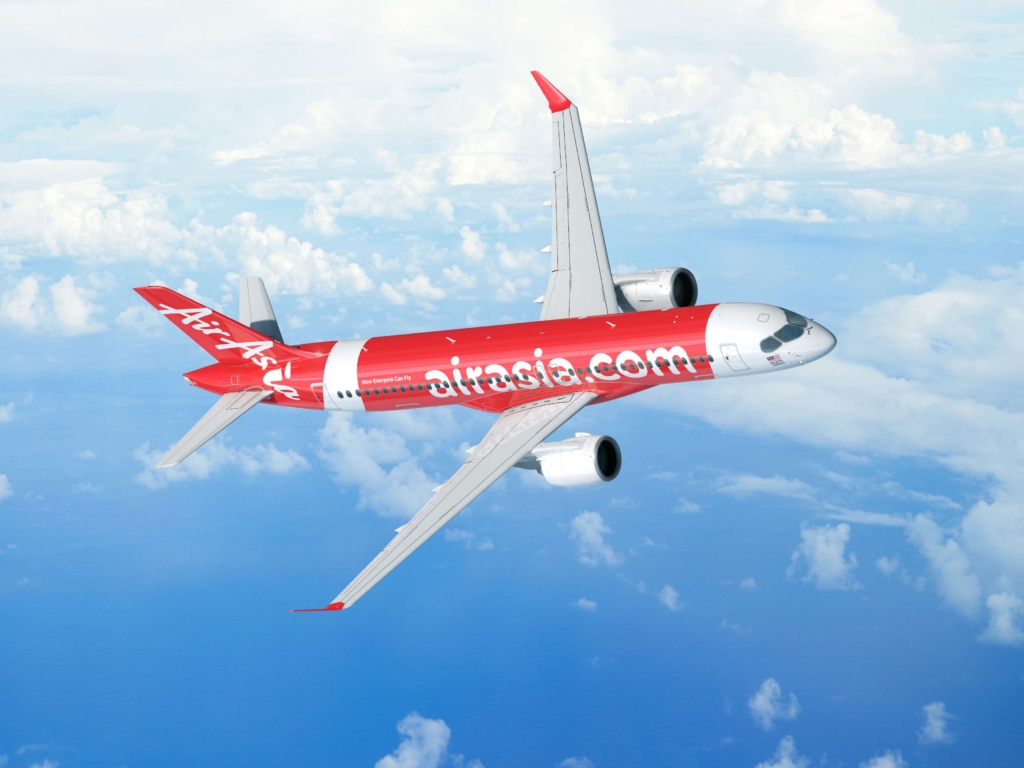
AirAsia will also become the launch customer for a new 160-seat A220-300 configuration designed specifically for low-cost carriers.
The order marked the first major A220 commitment from a large low-cost airline in Asia, where adoption of the aircraft type has so far remained relatively limited.
AirAsia bets big on Airbus for its future
AirAsia Group chief executive Bo Lingam said the airline was “navigating a period of tactical agility” while prioritising profitability and margin protection over rapid expansion.
He added that capacity would only be deployed into markets meeting the airline’s required financial thresholds.
With jet fuel prices remaining elevated, AirAsia said it intends to remain flexible enough to restore parked aircraft to service quickly while continuing to pursue long-term growth opportunities.
Feature image: AirAsia
Sign up for our newsletter and get our latest content in your inbox.


More from


September 25, 20264 min read

September 25, 20264 min read

September 24, 20262 min read


