Regional airports could suffer under EU state aid reforms, ACI Europe warns

4 min read
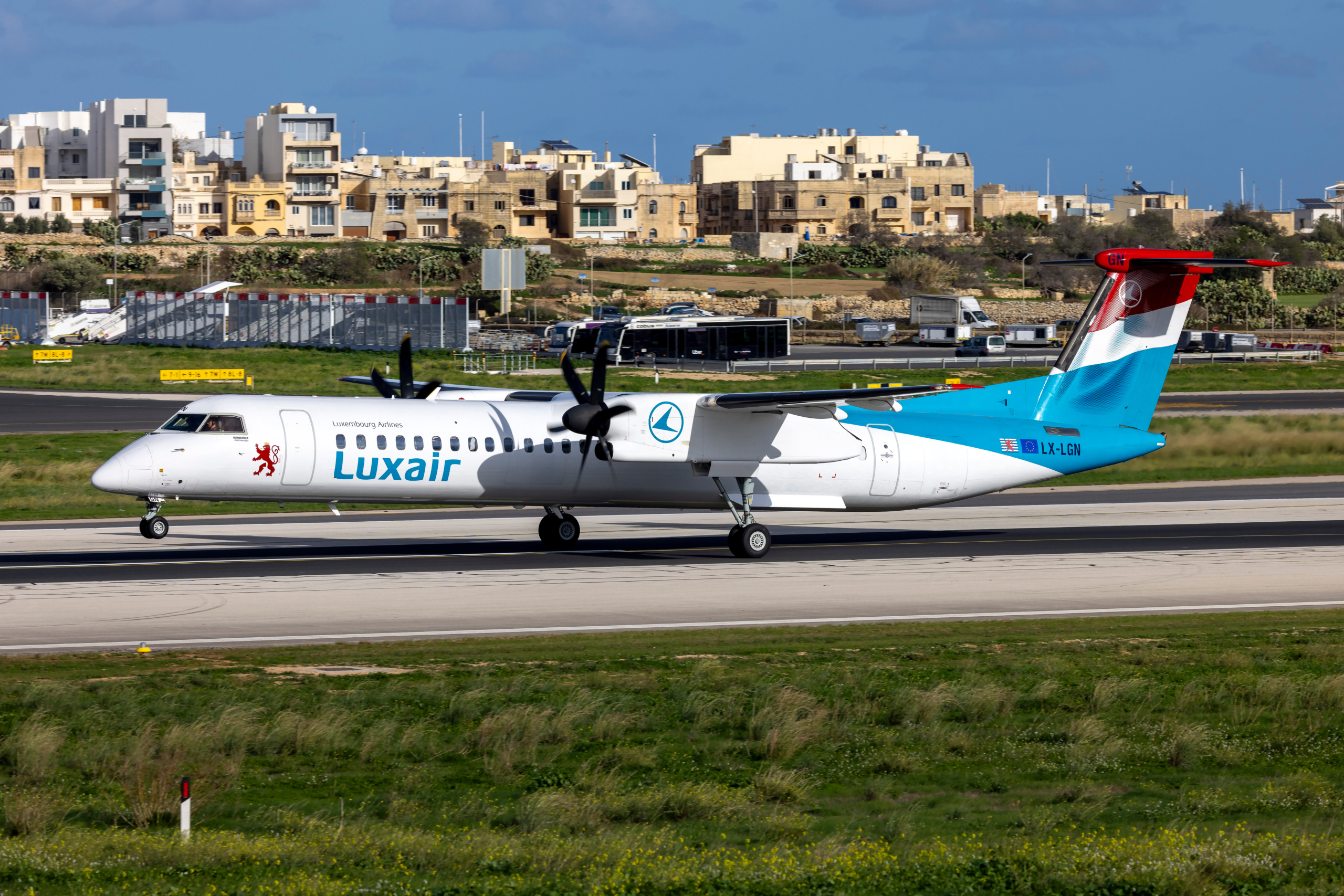
ACI Europe is calling on European policymakers to rethink State aid guidelines or risk fuelling anti-EU sentiment across the continent.
With Europe’s regional airports frequently described as a vital lifeline for the continent’s remote and underserved regions, airport trade body Airports Council International (ACI) Europe has warned that the European Commission’s proposed guidelines risk undermining regional air connectivity and widening territorial inequalities.
What are the European Commission’s proposed state aid guidelines?
In May, EU regulators proposed revisions to state aid guidelines for smaller airports. Under the proposed plan, airports handling up to 3 million passengers annually would be granted investment aid for capacity expansion, contingent on meeting environmental conditions. This proposal marks a reduction from the previous threshold of 5 million passengers.
Meanwhile, the proposals limit the operating aid for airports serving 500,000 to 1 million passengers to a five-year period, while airports serving fewer than 500,000 passengers will not require prior EU approval for government operating aid.
Speaking in May, EU antitrust chief Teresa Ribera said in a statement that the revamped guidelines would “ensure that public funding is directed where it is most needed while ensuring a level playing field in the single market.”
Interested parties were given until 11 June to provide feedback ahead of the EU deciding whether to proceed or make further changes to its guidelines.
Europe’s regional airports provide a lifeline
“Regional airports are so much more than simply transport infrastructure,” said Olivier Jankovec, ACI Europe’s Director General, on that deadline.
“They are vital economic lifelines that connect communities to jobs, investment, tourism, public services and the wider European Single Market.”
He added that restricting member states’ ability to support these airports would leave many regions “more isolated, less competitive and ultimately less resilient.”

ACI Europe has outlined that ending investment aid for airports with more than 3 million passengers and imposing new conditionalities for such aid below that threshold marks a major departure from the State aid framework. It overlooks the financial needs and operational realities of many medium-sized airports.
These smaller airports already face substantial capital requirements to modernise infrastructure and enhance safety and security, while accelerating decarbonisation and climate adaptation. Given the long-term nature and relatively low financial returns of these investments, access to private financing is challenging.
Securing investment aid for airports with up to 5 million passengers is essential, said ACI Europe, to ensuring these strategic assets can continue to support regional economies and Europe’s wider connectivity network.
Lack of recognition for the economic realities faced by regional airports
Of the proposal to introduce a five-year limitation and new conditionalities for operating aid for airports with 500,000 to 1 million passengers per year, ACI Europe said it fails to recognise the economic realities faced by these smaller, regional airports. These realities, the trade body said, are well documented and analysed by independent economic studies, which the Commission has seemingly chosen to ignore. A combination of diseconomies of scale, increasing traffic seasonality and volatility, airline consolidation, and persistent inflationary pressures means these airports are struggling and will continue to struggle to cover operating costs on a sustained basis.
Why is there a risk of anti-EU sentiment?
“At a time when territorial inequalities are growing, and many citizens already feel disconnected from economic opportunity, weakening regional airports and the connectivity they provide would move Europe in the wrong direction,” stated Jankovec.

But this is exactly what the Commission will do if it ploughs ahead with these new guidelines as they stand today, he urged.
He also underlined that a proposal to eliminate start-up aid for airlines launching new routes, leaving carriers themselves to bear the risk, would weaken regions’ ability to attract and sustain new air services, and therefore their ability to diversify and develop connectivity.
Reiterating that the future state aid framework must be grounded in economic and market realities, Jankovec said guidelines must “support the crucial role regional airports play in maintaining territorial cohesion and economic competitiveness.”
“A framework that makes it harder to sustain regional airports – or forces some of them to close – would only damage local economies and weaken the Single Market. It would also reinforce perceptions that the EU is turning its back on its regions. At a time when we need to strengthen cohesion and public trust, this is simply a risk the EU cannot afford to take.”
Featured image: gordzam / stock.adobe.com