


Search beneath the sea begins for Corsair and C-46s lost during the Korean War

5 min read
More than 70 years after three US military aircraft were lost during the Korean War, South Korea and the United States have launched a joint underwater search for their wreckage off the country’s east coast.
The month-long operation, which runs until 28 August, will search waters off Yangyang and Gangneung where an F4U-4 Corsair fighter and two Curtiss C-46 Commando transport aircraft crashed in separate incidents in 1952.
Beyond locating the wreckage, the mission could help account for servicemen who never returned home and provide long-awaited answers to families still searching for closure.
The joint effort brings together South Korea’s Ministry of National Defense Agency for KIA Recovery and Identification (MAKRI) and the US Defense POW/MIA Accounting Agency (DPAA).
Around 40 personnel are taking part, including members of the Republic of Korea Navy’s 1st Fleet, the Republic of Korea Air Force’s 18th Fighter Wing, US Navy divers, underwater archaeologists and specialist recovery teams.
Three aircraft, three wartime tragedies
The search will begin off Yangyang, where investigators hope to locate the remains of a US Navy F4U-4 Corsair that disappeared during an escort mission in February 1952.
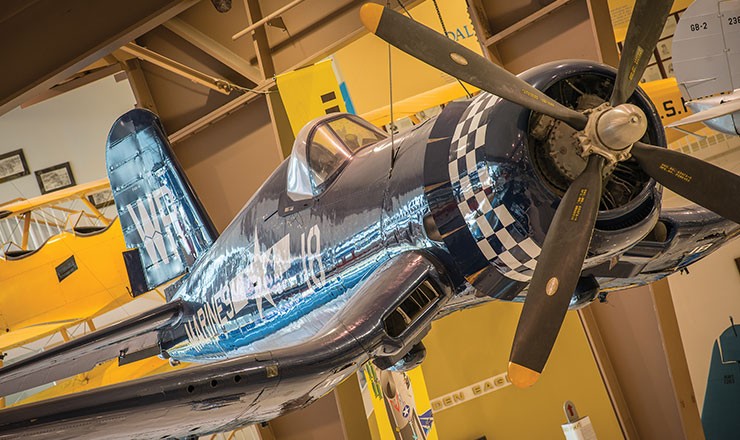
Few piston-engined fighters earned a reputation quite like the Corsair. Instantly recognisable by its distinctive inverted gull wings, the aircraft remained in production from 1942 to 1952, with more than 12,500 built.
It became one of the US Navy and Marine Corps’ most successful fighters during the Second World War, accounting for more than 2,140 enemy aircraft, before proving equally effective during the Korean War in close air support and ground attack missions.
The aircraft also made history in Korea when a Marine pilot flying a Corsair became the first pilot to shoot down a MiG-15 jet while flying a propeller-driven fighter.
The aircraft now being sought crashed while escorting another damaged US attack aircraft, killing its pilot. More than seven decades later, investigators hope the wreckage can finally reveal where it came to rest beneath the sea.
Attention will then shift to Gangneung, where two Curtiss C-46 Commando transport aircraft were lost within a month of each other in late 1952.
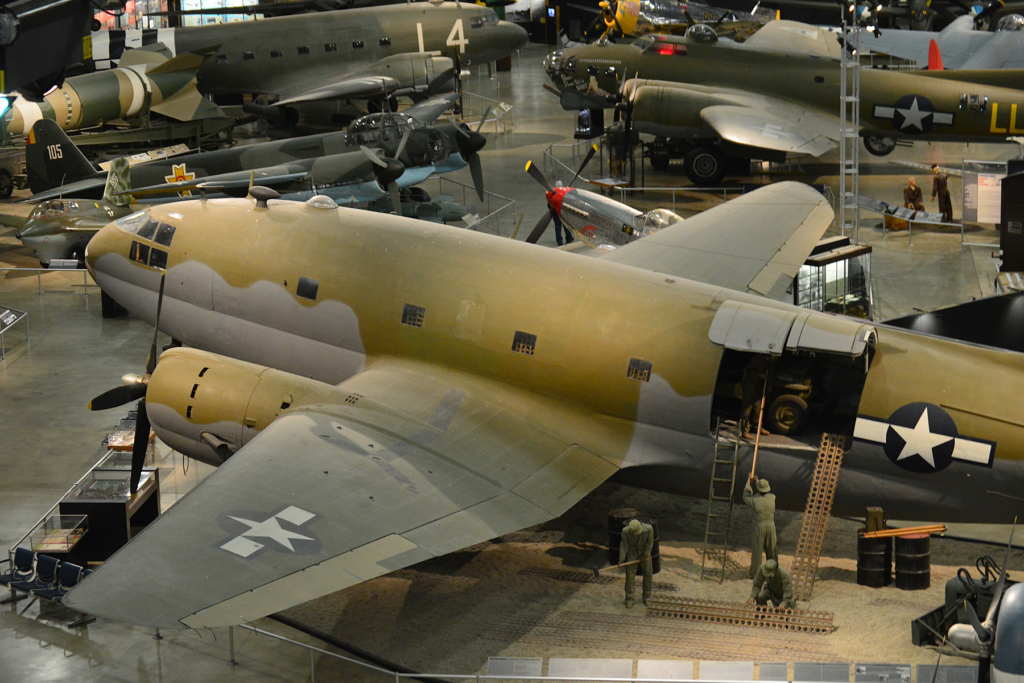
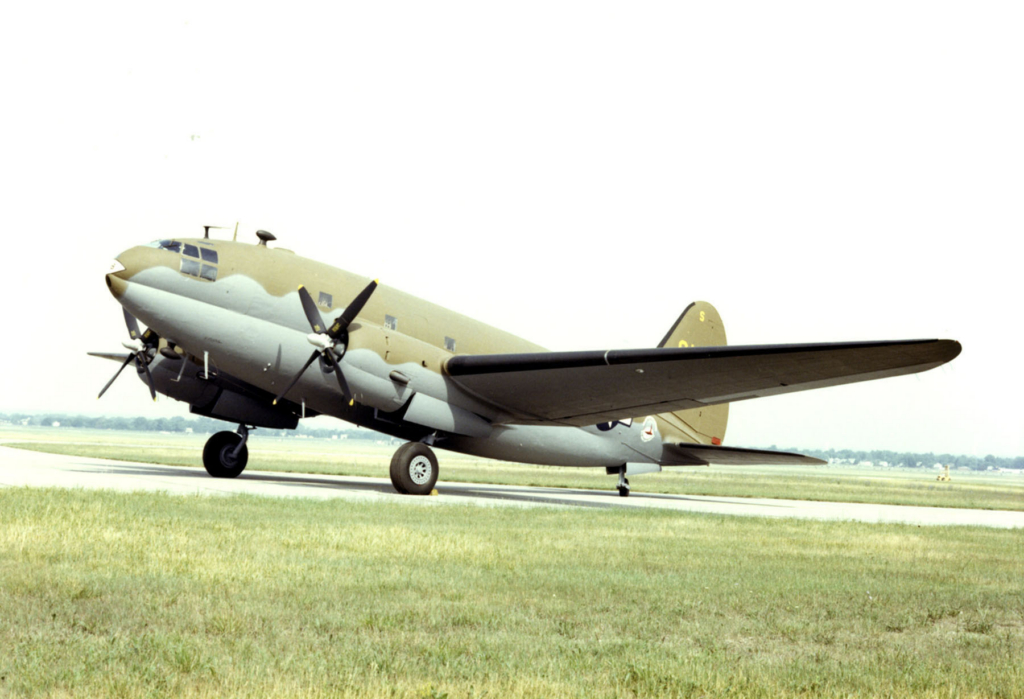
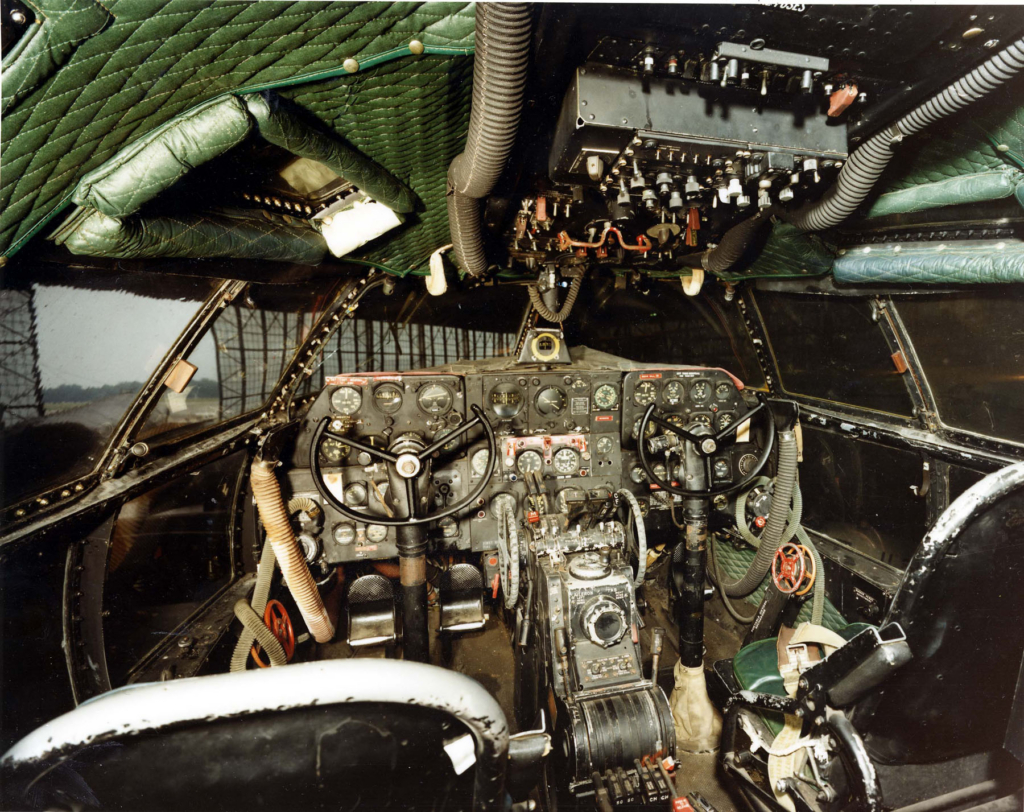
Originally developed from a commercial airliner before the Second World War, the twin-engined C-46 became one of the US military’s principal transport aircraft.
It earned its reputation flying supplies over the hazardous Himalayan “Hump” route between India and China, carrying larger loads than the better-known C-47. The aircraft later played an important role during the Korean War, transporting troops, cargo and equipment in support of United Nations forces.
The first aircraft being searched for crashed on 16 October 1952 shortly after taking off from Gangneung for Pohang. The C-46 went out of control during its initial climb and plunged into the sea a few kilometres offshore. All 25 people on board were killed. Search and rescue teams recovered only two bodies, while the aircraft itself was never found. The exact cause of the accident remains unknown.
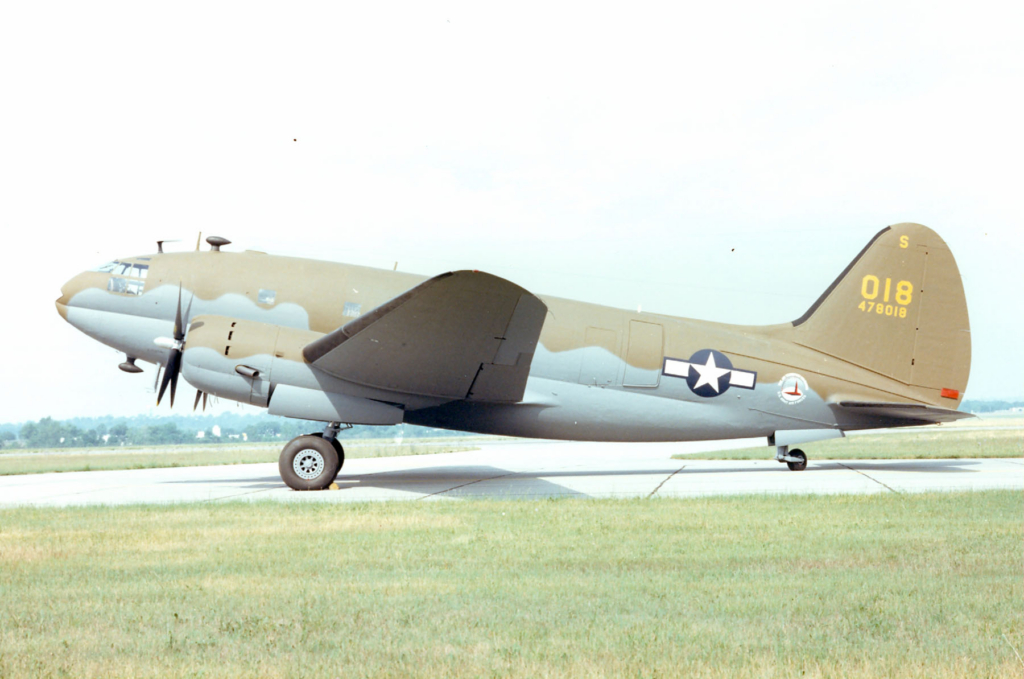
Less than a month later, on 15 November 1952, another C-46 operating the same route crashed into the sea shortly after departure. Seven occupants survived, but 11 others lost their lives, making it the second fatal Commando accident in the area within weeks.
Modern technology takes the search underwater
Unlike wartime recovery efforts, the latest mission will rely on technology capable of locating wreckage hidden beneath decades of sediment.
The investigation will be carried out in two stages. Teams will first survey the seabed using underwater detection equipment and uncrewed maritime systems to identify potential wreckage. Divers and remotely operated sensing equipment will then be deployed to inspect and document anything of interest.
The DPAA has assigned underwater planners, archaeologists, specialist divers and engineers to the operation, while the Republic of Korea Navy and Coast Guard will provide weather and sea-state information to ensure diving operations are carried out safely.
DPAA diver Sergeant First Class David Craig said extensive preparations had already been completed, including reconnaissance of the search areas and coordination with South Korean military units. He said the team was fully prepared for the underwater operation and determined to locate the missing aircraft.
The latest operation is part of a broader effort by Seoul and Washington to recover those still missing from the Korean War.
The two countries signed an agreement in 2011 to carry out joint recovery missions, combining South Korea’s knowledge of former battlefields and crash sites with the DPAA’s expertise in recovering and identifying missing American servicemen.
Since then, joint teams have conducted searches at former combat zones, crash sites and coastal waters where wartime aircraft disappeared. The latest mission builds on that cooperation, extending it beneath the sea with specialist underwater archaeology and recovery techniques.
Jeon Byeong-hee, head of MAKRI, said he hoped the latest investigation would further strengthen cooperation between South Korea and the United States in recovering those still missing from the conflict.
A mission that goes beyond aviation history
Although the Korean War ended with an Armistice Agreement in 1953, thousands of military personnel from several nations remain unaccounted for.
For the DPAA, locating an aircraft is often only the beginning. Even small pieces of wreckage can help investigators confirm a crash site, reconstruct what happened and, ultimately, support the identification of missing servicemen through forensic analysis and historical records.
That is why missions like the one now underway continue more than seven decades after the conflict.
Beneath the waters off South Korea’s east coast lie aircraft that have remained undisturbed since 1952. For aviation enthusiasts, they represent iconic machines that served in two defining conflicts of the twentieth century. For recovery teams, they are unfinished wartime cases. And for the families of those who never came home, they remain a reminder that, even after more than 70 years, the search is not over.


