


Women with altitude: How WAI is on a mission to reshape the future workforce

5 min read

Women in Aviation International (WAI) is stepping up its global expansion plans as the non-profit organisation looks to build a stronger international network, remove financial barriers to membership and inspire more women to pursue careers in a traditionally male-dominated sector.
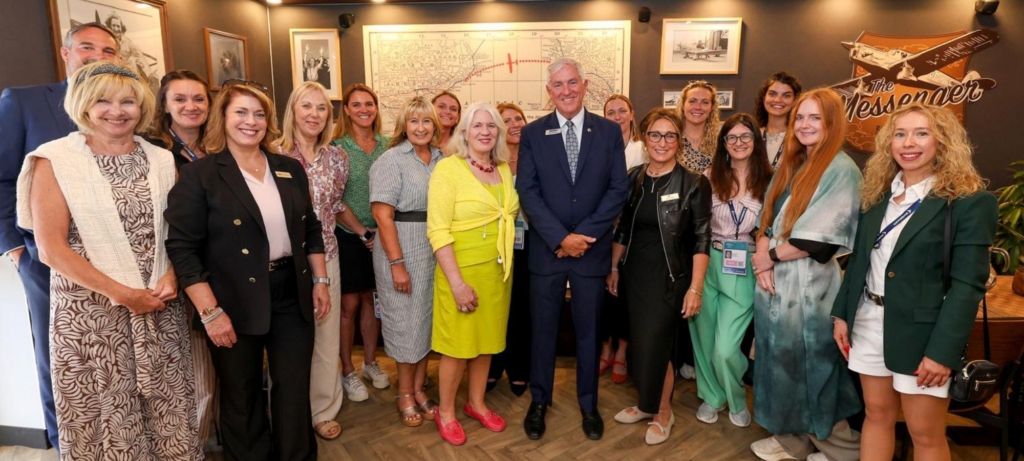
Women in Aviation International’s history spans more than three decades
Speaking about the organisation’s ambitions during this year’s Farnborough International Airshow WAI’s CEO, Lynda Coffman, said the 36-year-old institution is determined to ensure that women around the world have access to a supportive professional community and practical career development opportunities.
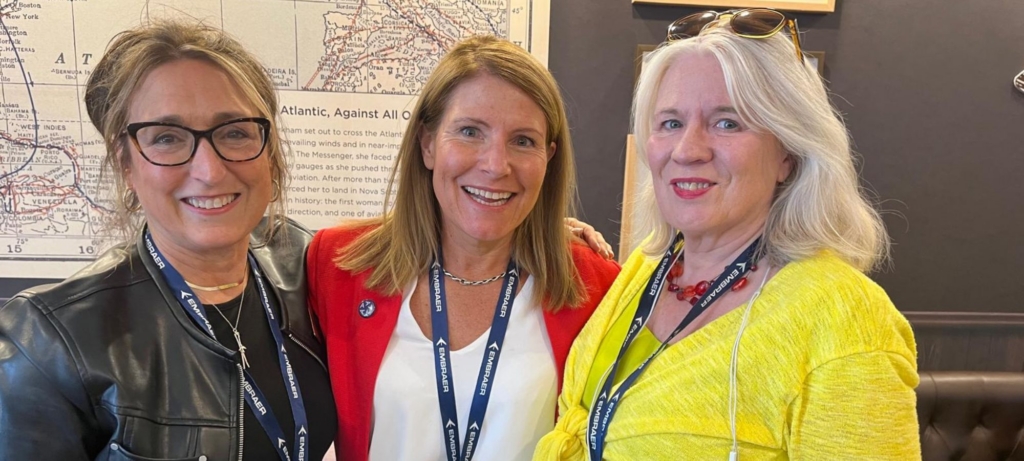
Coffman herself has a 30-year career history at United Airlines, culminating in her role as president of the airline and founding president of United Ground Express. Under her leadership, WAI continues to champion diversity, career development pipelines, and distribute hundreds of thousands of dollars in annual scholarships to aspiring aviators.
While the organisation currently has around 20,000 members, the majority are based in the US. Coffman said the organisation is now focused on raising its international profile and Europe, Asia, Africa and beyond.
“Our mission is about lifting women up and helping them succeed,” she said. “I want every woman, no matter where she lives in the world, to have access to a community that will support her.”
She also said that despite the name, around 20% of WAI’s members are men. “We don’t discriminate – we love our male allies and two of our board members are too.”
WAI’s global mentorship programme
The average age of WAI members is just 33, something Coffman believes reflects the organisation’s commitment to supporting the next generation of aviation professionals.

“We’re all about being the shoulders that the next generation can stand on,” she said. “It’s about helping and lifting people up.”
Central to that support is WAI’s global mentoring programme, which uses artificial intelligence to match mentors and mentees based on their experience, career goals, location and professional challenges.
The programme is designed to work internationally, allowing professionals to connect regardless of geography. Coffman pointed to last year’s Mentor of the Year recipient, based in Dubai, who successfully mentored a member in the US as an example of how the programme is breaking down international boundaries.
Global expansion plans
The organisation is also growing its local chapter network outside North America. WAI currently has more than 100 chapters in the US but is now working to establish more chapters across Europe, including the UK, as well as in Asia and Africa.
“We have a lot of energy around building the UK chapters,” Coffman said. “There’s no limit to how many chapters a country can have. We want to build that community worldwide.”

Recent additions include new chapters in Thailand, Singapore, Eastern Europe and several African countries. A major initiative to support international expansion is the restructuring of fees. “Annual membership costs US$59,” Coffman explained. “It’s a good deal for all the services, but we appreciate that in some developing economies that could be two weeks to a month’s salary,” she acknowledged. “That is a barrier that could exclude many women from joining.”
WAI has subsequently developed a programme where it looked at the areas of the world and their economic index to lower fees where needed. “In some areas that has resulted in a two-thirds decrease in the dues themselves,” she said. The financial shortfall created by the reduced fees has been covered entirely through donations from WAI’s board of directors, who Coffman described as “very active.”
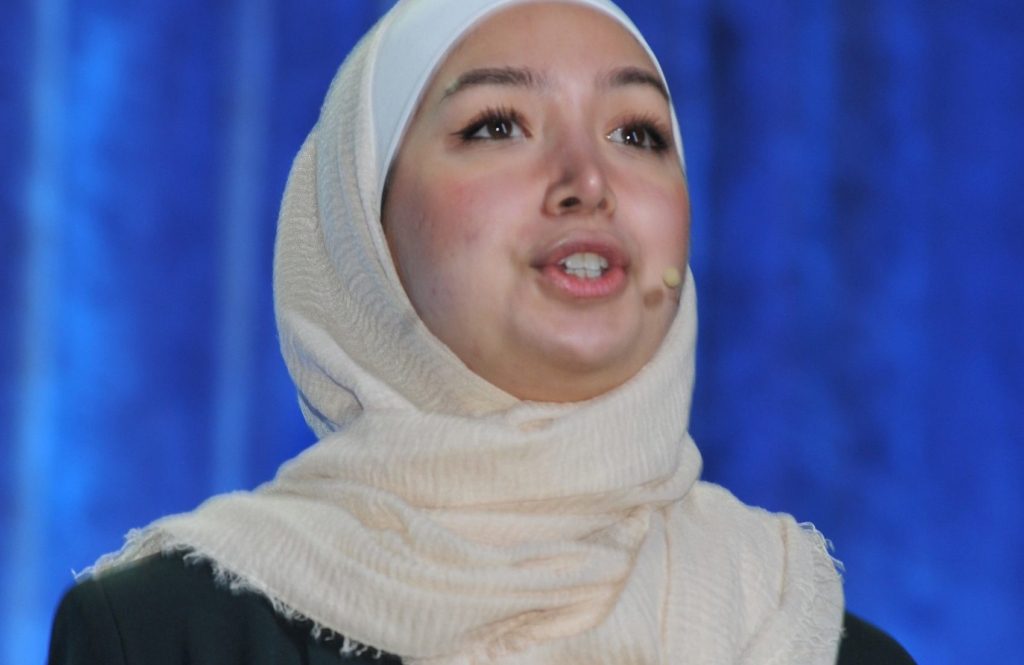
WAI is already seeing the impact, with growing numbers of international members joining following the introduction of the new pricing structure.
In the minority: Women account for around 30% of the aviation workforce
Alongside professional development, WAI continues to tackle one of aviation’s persistent challenges: the under-representation of women in technical and leadership roles.
“While women account for roughly 30-36% of the overall aviation workforce,” Coffman said those figures are misleading because they include occupations traditionally dominated by women, such as cabin crew, customer service and call centres.”
“When you remove those roles, women make up only around 6% of the technical aviation workforce, and that figure has barely changed in decades,” she said.
She said the biggest obstacles remain visibility, culture and affordability.

“If girls don’t see women working as pilots, engineers or aircraft mechanics, they don’t believe those careers are for them,” she said. “We still hear young girls being told that being a pilot or mechanic is a ‘boy’s job’.”
Training costs are another hurdle, particularly for careers such as piloting and engineering. WAI’s scholarship programme aims to reduce those financial barriers by helping aspiring aviators fund their education.
Recruitment versus retention
Coffman also cited retention as an ongoing issue. Referring to research by the Federal Aviation Administration (FAA), she said attracting women into aviation is only part of the challenge, with many leaving the industry “at higher rates than men, due to the workforce barriers and wider societal pressures.”
To inspire future generations and broaden its reach, WAI hosts an annual conference in the US early in the Year (typically February or March), featuring senior aviation leaders and pioneers, such as Jennifer Homendy, Chairwoman of the National Transportation Safety Board (NTSB), Alex Marren, the COO of Air New Zealand Nicole Malachowski, the first Thunderbird pilot. It also coordinates International Girls in Aviation Day in September, organising multiple events to introduce girls to careers in aviation through speaker sessions, hands-on activities and industry engagement.
As WAI expands its international reach, Coffman said the organisation’s goal is fundamentally to “create a global network where women can find support, mentorship and opportunities to progress their aviation career.”
Sign up for our newsletter and get our latest content in your inbox.


More from

October 4, 20264 min read


