International Women’s Day: Women in aerospace on what the industry gets right and where it still falls short

13 min read
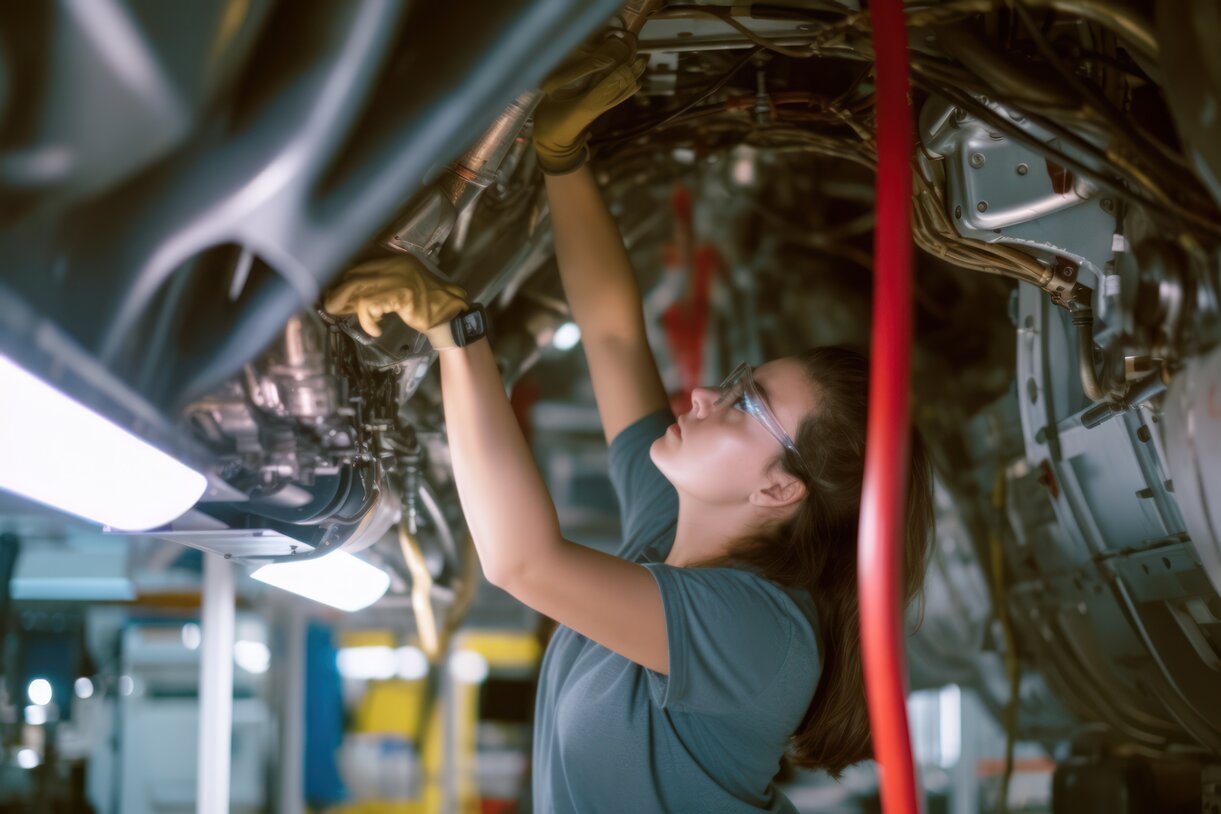
For much of the past decade, aerospace has talked about closing its gender gap. Yet boys are still around three times more likely than girls to consider an aviation career.
Women also remain heavily underrepresented across aviation’s technical roles. Worldwide, they account for only around 6% of commercial pilots and about 14% of aerospace engineers, despite women making up roughly 41% of STEM graduates.
Nevertheless, progress is being made, and female representation across aerospace is gradually increasing.
On this International Women’s Day 2026, AGN spoke with several women working across the industry to explore what aerospace is doing well and where it still needs to improve.
Why women matter in aerospace
Aerospace has spent years talking about diversity in terms of fairness, representation and access. But for many women working in the sector, the case is also a commercial and operational one.
A more diverse workforce is not simply more representative. It can also lead to better decision-making, stronger teams and broader thinking in an industry facing rapid technological and strategic change.
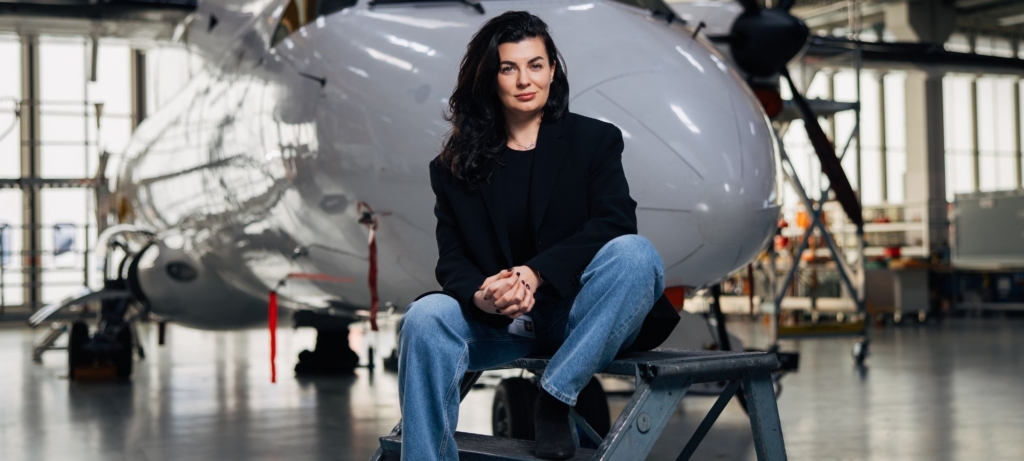
Anastasija Visnakova, chief commercial officer at Deutsche Aircraft, argues that the real value lies in what diversity brings to the room.
“What really gives us benefits is cognitive diversity,” she says. “We need to have people of different gender, different races, different nationalities, different educational backgrounds, different cultural backgrounds, different professional careers and different experiences.”
That broader mix of perspectives matters in aerospace, where companies are grappling with everything from decarbonisation and digitisation to shifting workforce expectations and increasingly complex supply chains.
A wider range of experiences can challenge entrenched assumptions and improve how teams solve problems, particularly in technical and leadership environments that have historically drawn from a relatively narrow pool.
There are signs of progress. According to the International Aerospace Women’s Association, more than two dozen airlines now have female CEOs, up from just three in 2019. However, the wider picture remains far less balanced. Women still hold only around 15% of senior leadership roles in aviation, compared with roughly 25% across global industries.
That gap helps explain why initiatives such as IATA’s 25by25 gained so much attention. The campaign introduced measurable targets and encouraged companies to track progress rather than simply discuss it.
Yet while some organisations met or exceeded their commitments, the initiative did not achieve 25% representation across the sector as a whole, highlighting how slowly structural change can move in aviation.
The challenge now is no longer proving that gender diversity has value. It is understanding why progress remains uneven, and what the industry needs to do differently if it wants that progress to accelerate.
Attracting female talent into aerospace
If aerospace wants to attract more women, many of those already working in the industry believe it must start by rethinking what talent looks like, and how early that talent is identified.
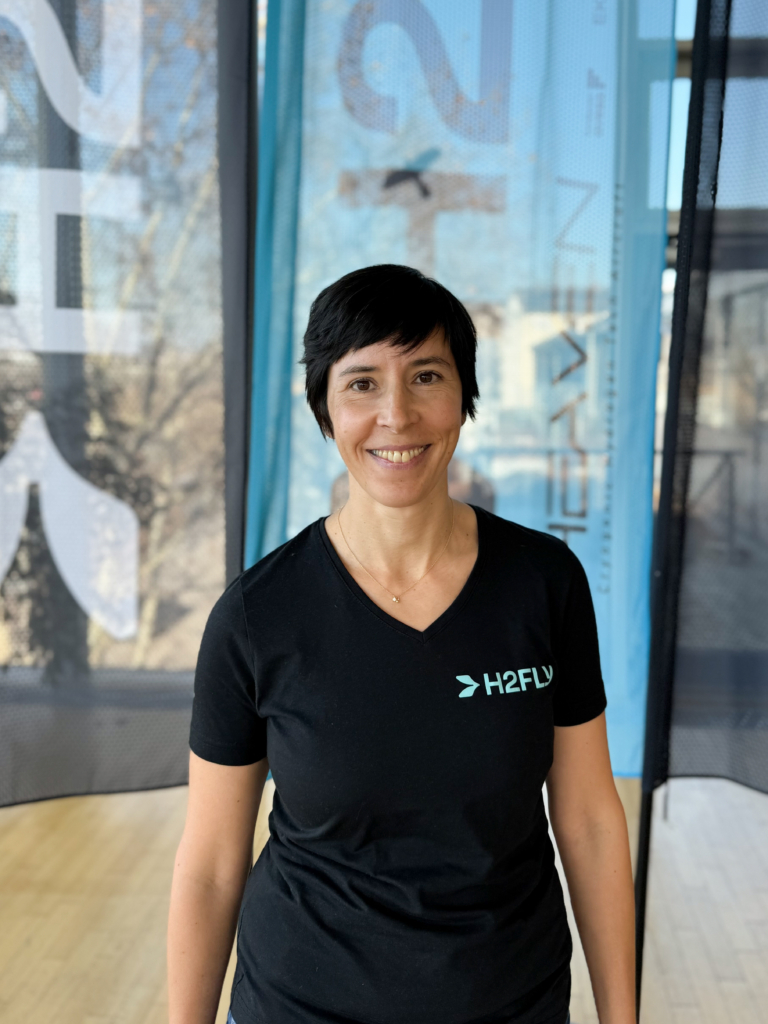
María Sol Rau, systems engineer at H2FLY, says the process begins long before recruitment itself.
“The journey to get more women into the aerospace industry is a mix of individual aspirations, deliberate mentorship, and the powerful ‘see it to be it’ effect,” she says.
For Noora Belselah, vice president of projects at RoyalJet, one of the industry’s first mistakes is often in how it defines suitability.
“Aerospace needs to broaden how it identifies talent,” she says. “Quite often recruitment focuses on traditional academic pathways and may sometimes overlook skills, potential, and diverse experience.”
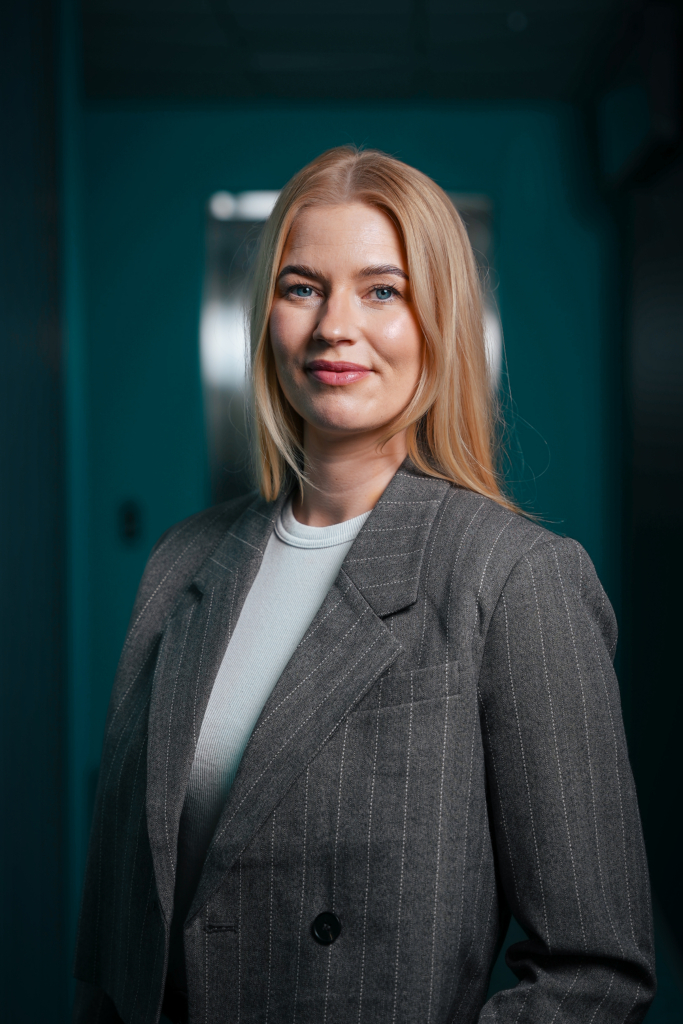
Others make a similar point. Sigrid Falck, chief marketing officer at Web Manuals, says aerospace still relies heavily on narrow routes into technical careers.
“Aerospace has traditionally relied on fairly narrow pathways, from specialist degrees to tightly defined job descriptions, which can unintentionally exclude talented people who don’t follow a conventional path,” she says.
As AI and digitisation reshape the industry, Falck believes that mindset could become even more limiting.
“Recruitment should place greater emphasis on core capabilities such as analytical thinking and creativity. This shift would widen the talent pool and help the industry recognise technical ability beyond a checklist of degrees or predefined career paths.”
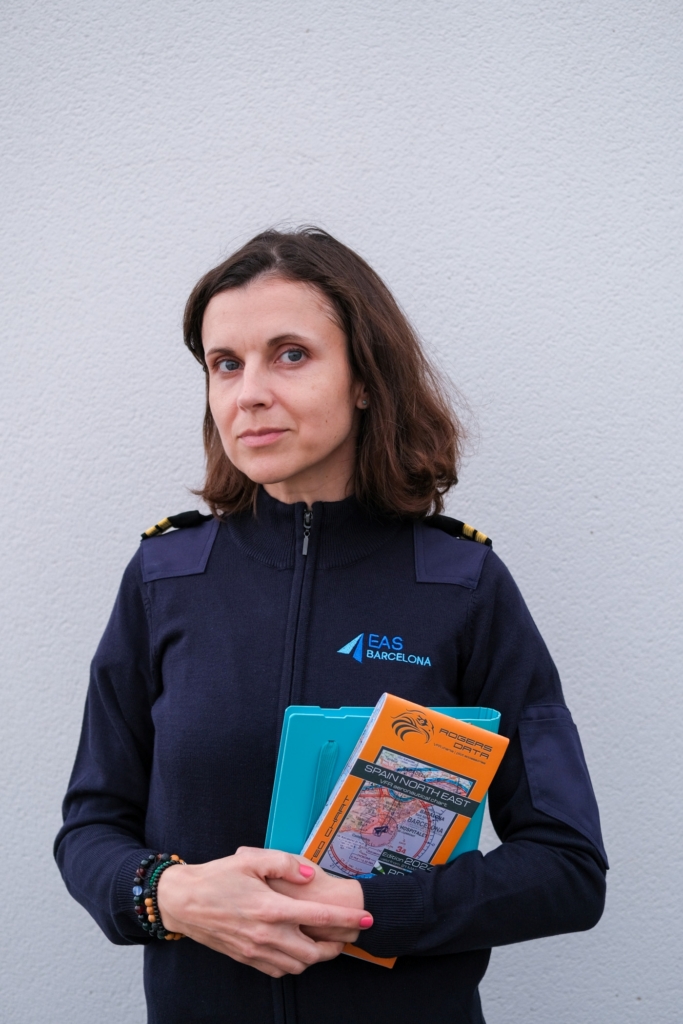
The challenge is becoming increasingly visible in companies operating at the intersection of aviation and software. Diana Vidstrom, product manager at Assaia, says the industry is already feeling the effects of a changing skills landscape.
“Finding people with expertise in both aviation operations and modern software development can be challenging, as these skills are typically developed through experience in separate sectors,” she explains.
“I’d like to see greater investment in mentoring and career pathways that allow talent to build expertise across both aviation operations and emerging technologies such as AI and data-driven software.”
For Rachel Gardner-Poole, chief sustainability and growth officer at EmPower Flight, the issue goes deeper than simply widening the recruitment pool.
“Recruitment should be based on potential as well as skills and, importantly, behaviours,” she says. “Inclusivity should be a core design requirement of recruitment and development, not an add-on as it often is.”

Debjani Ghosh, simulation engineer at H2FLY, believes some of the biggest barriers lie in the way organisations assess candidates.
“The ‘cultural fit’ filter in hiring has to be eliminated,” she says. “It is where bias hides and recruiters subconsciously favour candidates who look and sound like the people already in the room.”
Instead, she argues, structured assessments and blind evaluation panels could help shift the focus back to capability.
“Technical competence should be the only criterion, not whether someone ‘fits the culture’, which often means fitting the existing male-dominated mould.”
Mentorship is essential in helping women progress in aviation roles
If attracting more women into aerospace is the first challenge, keeping them in the industry long enough to build senior careers is another.
Across the sector, many women say mentorship and visible career pathways are among the most important factors in retaining female talent.
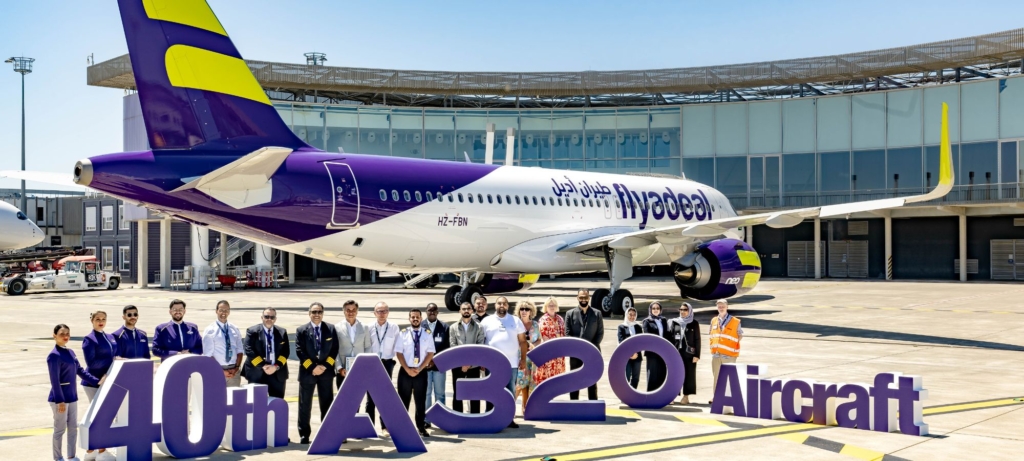
At Saudi Arabia’s low-cost carrier flyadeal, around a third of the airline’s 1,800 employees are women across roles, including pilots, engineers, cabin crew and corporate positions.
Hazar Hafiz, head of marketing and customer experience, believes clear development opportunities are critical.
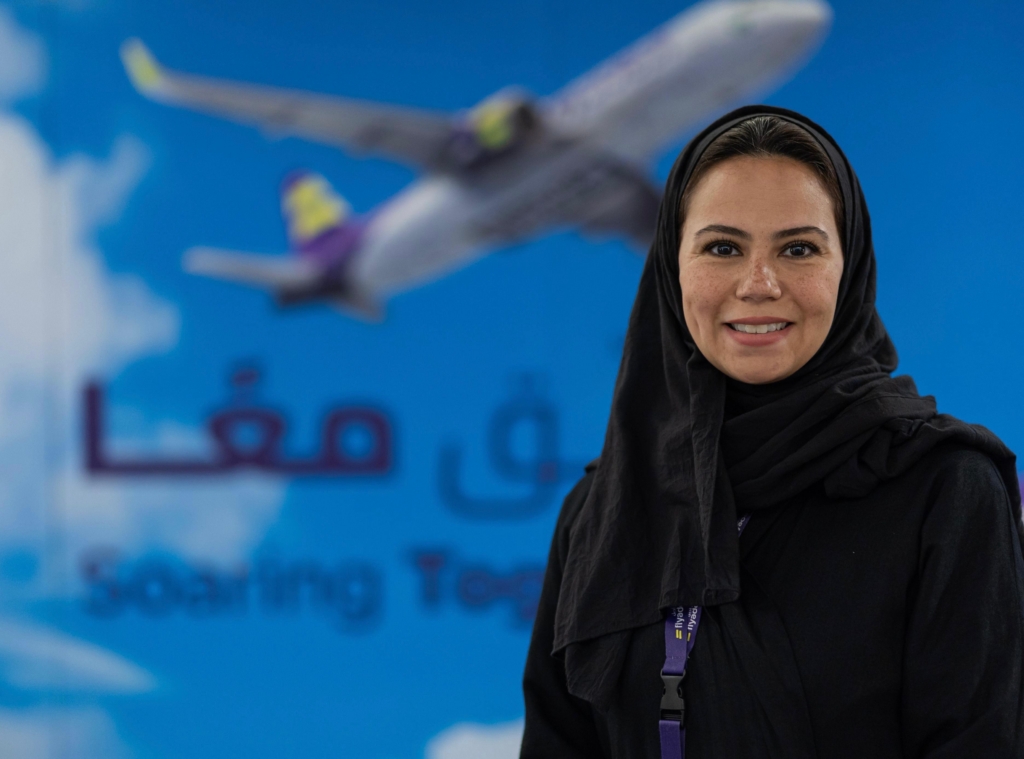
“By providing mentorship, clear development programmes, and hands-on learning opportunities, we can help talent grow within the airline while feeling supported and recognised for their contributions,” she says.
She also acknowledges that aviation can remain a challenging environment.
“Aerospace can be a demanding industry; talented women often leave due to a lack of visible role models, limited flexible working options, and the perception that leadership paths are less accessible.”
Hafiz points to a broader cultural shift underway in Saudi Arabia, with women increasingly entering frontline aviation roles that were previously inaccessible.
“This increased representation is not only reshaping public perception of the sector but also creating the role models that future generations can identify with.”
Elsewhere in the Middle East, similar changes are taking place. Belselah notes that stronger collaboration between industry, universities and STEM initiatives is helping expose more young people to aviation careers.
“The next step is ensuring structured mentorship and clear development pathways so that new entrants can build long-term, meaningful careers in aerospace.”
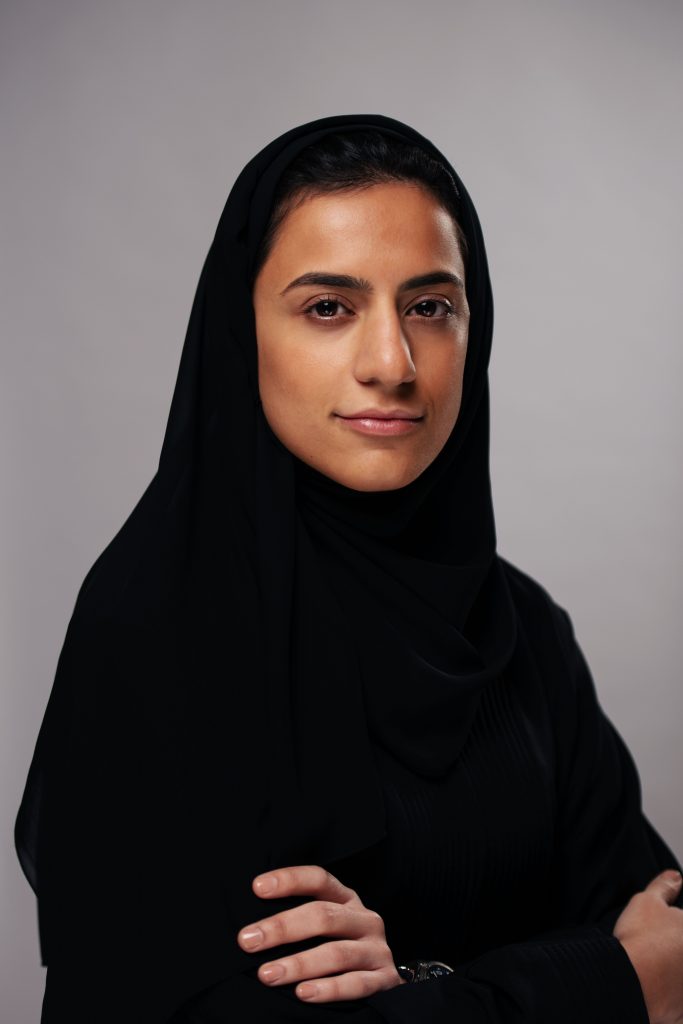
However, several women say mentorship programmes are still too inconsistent.
Christine Hannon, head of product training at FL3XX, believes organisations need to formalise these structures.
“Integrate structured mentorship and sponsorship,” she says. “Many companies claim to have a mentorship program, but in reality it applies only to a single-digit percentage of the company.”
“The most ambitious new hires will seek their own mentors, but the most successful companies should facilitate this from the start of onboarding.”

For Hannon, these relationships benefit organisations as well as individuals.
“Technical skills are always trainable, but these relationships will be the catalyst for recruiting top talent, providing a safe place for risks and innovation, and ultimately contributing to retention, business continuity and continuous improvement.”
Mentorship can also help address another looming challenge: knowledge transfer.
“Passionate experts are nearing retirement, and companies are losing this key source of expertise,” Rau says. “The aerospace companies that are getting this right are developing impactful mentorship programmes that transfer these skills and motivate the next generation of female talent.”
Gardner-Poole adds that mentorship alone is not enough.
“Inclusivity also must be practical: senior leaders actively mentoring to build confidence and competence, and sponsoring to open doors to the right experiences and progression,” she says.
“You don’t build capability with policies alone. You build it when leaders consistently make time to mentor, sponsor and role-model the standard.”
Making aerospace the right place for women to work
Attracting more women into aerospace is only part of the equation. For many working in the sector, the bigger challenge is ensuring the industry becomes a place where women can build long and sustainable careers.
Vidstrom believes perceptions of aviation are beginning to change, but says the industry must work harder to make that progress visible.
“Aviation was widely viewed as a male-dominated industry for decades, and that image still persists,” she says. “I actually see growing interest and support for female talent. Women are increasingly represented across a wide range of roles, from pilots and technicians to management positions. This progress is encouraging, although it does require organisations to adapt.”
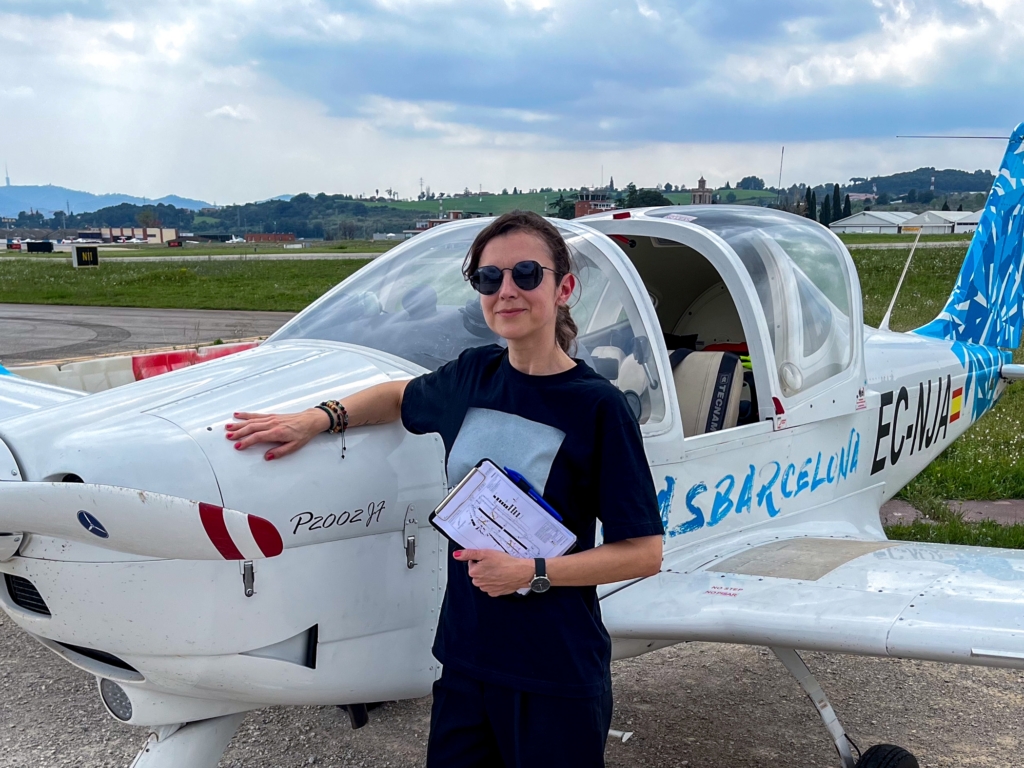
For Vidstrom, visibility remains key.
“The next step is ensuring the shift in representation becomes more visible to the public so more young women see aviation as a viable career path.”
However, several women working in the industry say workplace culture still presents barriers to long-term career progression.
Falck says the pressures that push women out of aerospace often develop gradually.
“The attrition of talented women in aerospace rarely comes down to one issue,” she explains. “It’s usually the result of cultural and structural pressures that build over time.”
“Subtle biases in meetings, feedback or assignments gradually erode confidence and engagement, and these micro-inequities are often reinforced by deeper biases in how success is perceived,” she adds. “Additionally, when women lack visible role models or senior sponsors advocating for them, advancement can feel harder and more uncertain.”
Addressing these issues requires not only cultural change but practical workplace policies.
Hafiz believes relatively small organisational adjustments can make a meaningful difference.
“Organizations that actively invest in inclusion, structured career progression, and practical work-life flexibility, even simple but thoughtful measures such as scheduling internal meetings at 9:30am instead of 9:00am in recognition of school-run responsibilities, can significantly reduce attrition and strengthen long-term talent retention,” she says.
Career progression itself can also present challenges. Hannon notes that the traditional timelines of aerospace careers can clash with personal milestones.
“If a woman chooses to have both a family and a career, then they may be more affected when trying to time promotions against a biological clock,” she says. “Women cannot simultaneously be their best selves, the best mothers, the best partners and the best in their careers.”

For some women, the barriers have been more direct. Gardner-Poole recalls encountering explicit attitudes earlier in her career.
“Early in my own career, I was told directly that I shouldn’t learn to fly,” she says. “I was also advised not to apply for a promotion because I might be successful and ‘it will take the opportunity away from a male colleague who wouldn’t be thinking of leaving if he had children’.”
While such overt statements are far less common today, she believes the underlying dynamics have not entirely disappeared.
“It’s often shifted into microaggressions that are harder to spot if you’re not on the receiving end.”
Why women leave aerospace careers
Despite growing interest from women entering aerospace, the industry continues to struggle with retention, particularly at the mid-career level.
Research from the International Aerospace Women’s Association (IAWA) and consulting firm Oliver Wyman suggests that the problem is rarely caused by a single issue. Instead, it tends to build gradually over time.
In a recent survey of industry leaders, women were significantly more likely than men to report experiencing implicit bias, microaggressions and slower career progression, factors that collectively shape long-term decisions about whether to stay in the industry.
For Noora Belselah, the issue is often one of long-term visibility and opportunity.
“While there may be an increasing number of talented women who enter the industry, only a few remain long enough to reach senior roles,” she says. “Organisations must continue creating environments where women can grow, lead, and see long-term opportunities.”
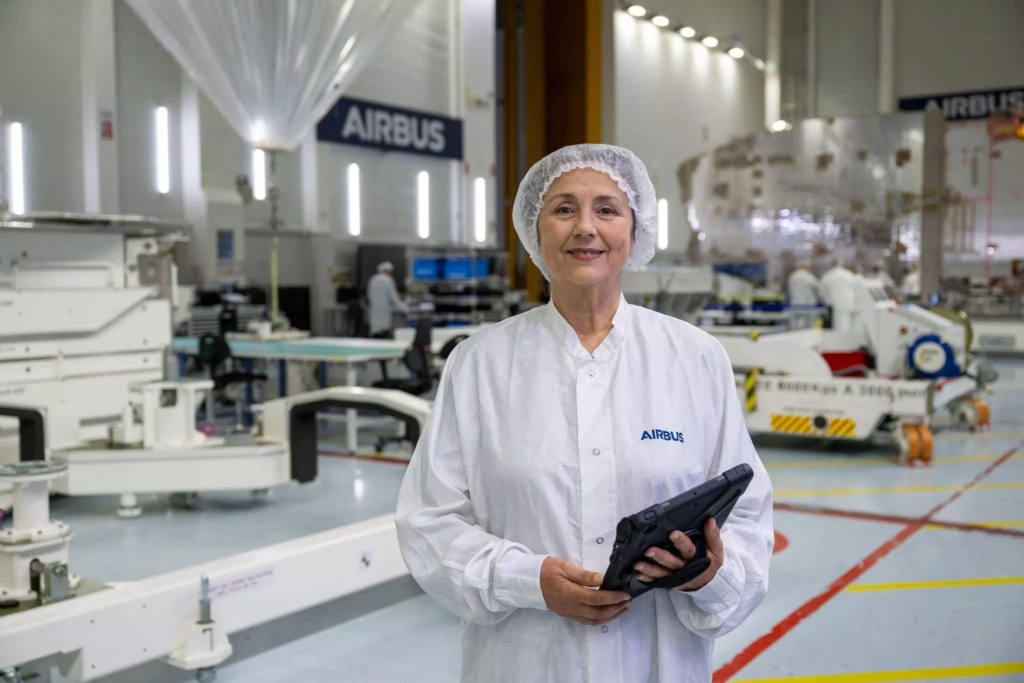
The challenge, according to several women working across aviation and aerospace today, is what some describe as “cumulative friction” — the small structural and cultural barriers that gradually erode confidence and career momentum.
Industry research supports that view. According to the Oliver Wyman and IAWA study, women in aviation are significantly more likely than men to report having their ideas overlooked, their contributions attributed to others, or their leadership style judged differently from male colleagues.
Sigrid Falck says these experiences can accumulate over time.
“The attrition of talented women in aerospace rarely comes down to one issue,” she explains. “It’s usually the result of cultural and structural pressures that build over time.”
For many women, the feeling that they must constantly prove their credibility can also contribute to burnout.
“One common driver of attrition is the feeling that one must go the extra mile to be taken seriously,” says María Sol Rau. “This perceived need to showcase themselves as better can lead to burnout and force female engineers to rethink their career paths.”

Simulation engineer Debjani Ghosh describes the dynamic as a form of “cumulative exhaustion”.
“Aerospace loses talented women primarily because they constantly battle the ‘prove-it-again’ bias and the isolating mental load of being one of the few,” she says. “Attrition is usually about culture, not capability.”
Flexible working and family policies also play a role. Christine Hannon, head of product training at FL3XX, notes that promotion timelines in aerospace can clash with key life decisions.
“If a woman chooses to have both a family and a career, then they may be more affected when trying to time promotions against a biological clock,” she says.
Addressing these pressures, experts say, will be essential if the industry hopes to retain the growing number of women entering aviation today.
Women in aerospace 10 years from now: What does success look like?
Despite the challenges, many women working in aerospace remain optimistic about the industry’s direction.
Representation is slowly improving. More than two dozen airlines now have female chief executives, according to the International Aerospace Women’s Association.
But women still hold only around 15% of senior leadership roles in aviation, well below the average across other global industries.
For many in the sector, the goal is not simply hitting diversity targets, but reaching a point where gender representation is no longer remarkable.
Belselah believes success will come when diversity stops being treated as a special initiative.
“Real progress will be when gender diversity in aerospace is no longer treated as an initiative, but simply the norm.”
Others believe change will become visible across everyday aviation roles.
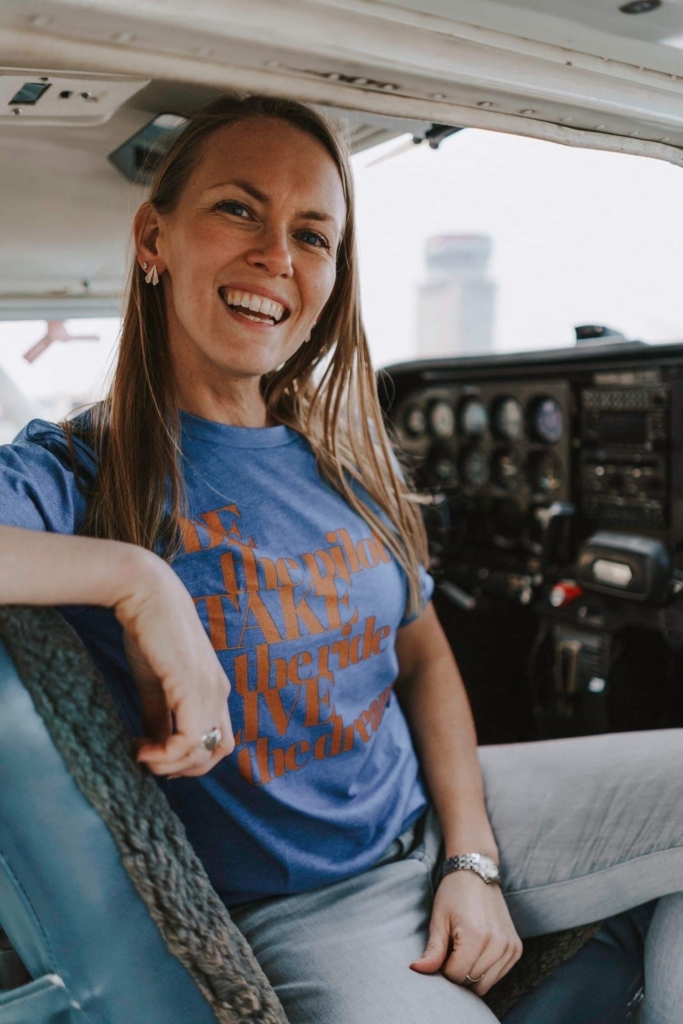
Hannon hopes the next generation will see diversity throughout the industry.
“In ten years’ time, I want my children to see diversity in aviation, not just in curated corporate messaging,” she says. “They should see women on the ramp changing brakes, women in the cockpit, and women serving as chief pilots.”
For Gardner-Poole, the real measure of progress will be data.
“Real progress is measurable,” she says. “Parity in retention, promotion rates and leadership representation.”
Ultimately, many believe success will come when the industry stops celebrating “first woman” milestones and simply sees diverse leadership as normal.
As Ghosh puts it, the real sign of change will be when gender diversity in aerospace no longer needs to be explained.