


AirAsia wants to launch the A220-500 – but will Airbus commit to build it?

5 min read
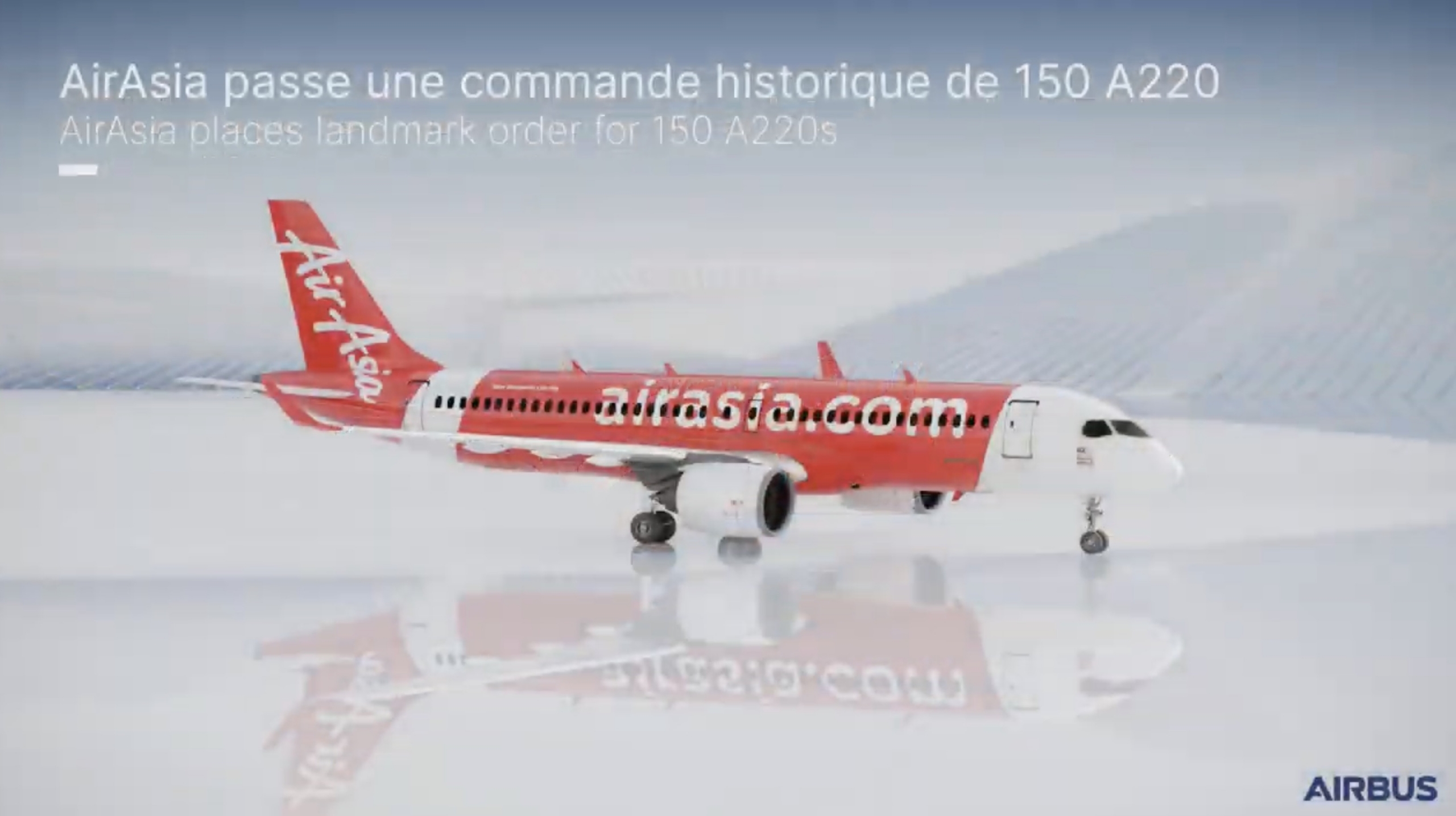
AirAsia’s blockbuster A220 order has revived speculation about whether Airbus may be finally ready to build the stretched -500 variant.
The Malaysian low-cost carrier ordered 150 A220-300s on Wednesday, with a further 150 options to purchase a larger version of the narrowbody if Airbus commits to the project.
CEO Tony Fernandes has put the pressure on Airbus, saying the airframe was “built to be stretched”.
AirAsia’s order and Fernandes’ comments add fresh momentum to an aircraft Airbus has spent years publicly downplaying, even as airlines have repeatedly pushed for a bigger version of the former Bombardier CSeries.
Reports at the start of this year suggested Airbus may even be poised to make an announcement on the project this year, possibly at the Farnborough International Airshow.
What would an Airbus A220-500 look like?
While Airbus is yet to confirm it is moving ahead with a new, longer variant of the narrowbody regional jet, an outline of what it may look like has emerged.
Airbus is modifying the existing A220-300 on order with AirAsia to accommodate 160 seats, making it the launch customer for the aircraft’s new cabin configuration with 10 additional seats. The increase in capacity is possible with the addition of an extra overwing exit on each side of the aircraft.
The Airbus A220-100 typically accommodates 100 to 135 passengers, while the larger A220-300 had been capped at between 120 and 150 prior to the modification. The A220 also exists in a business jet model, the ACJ TwoTwenty.
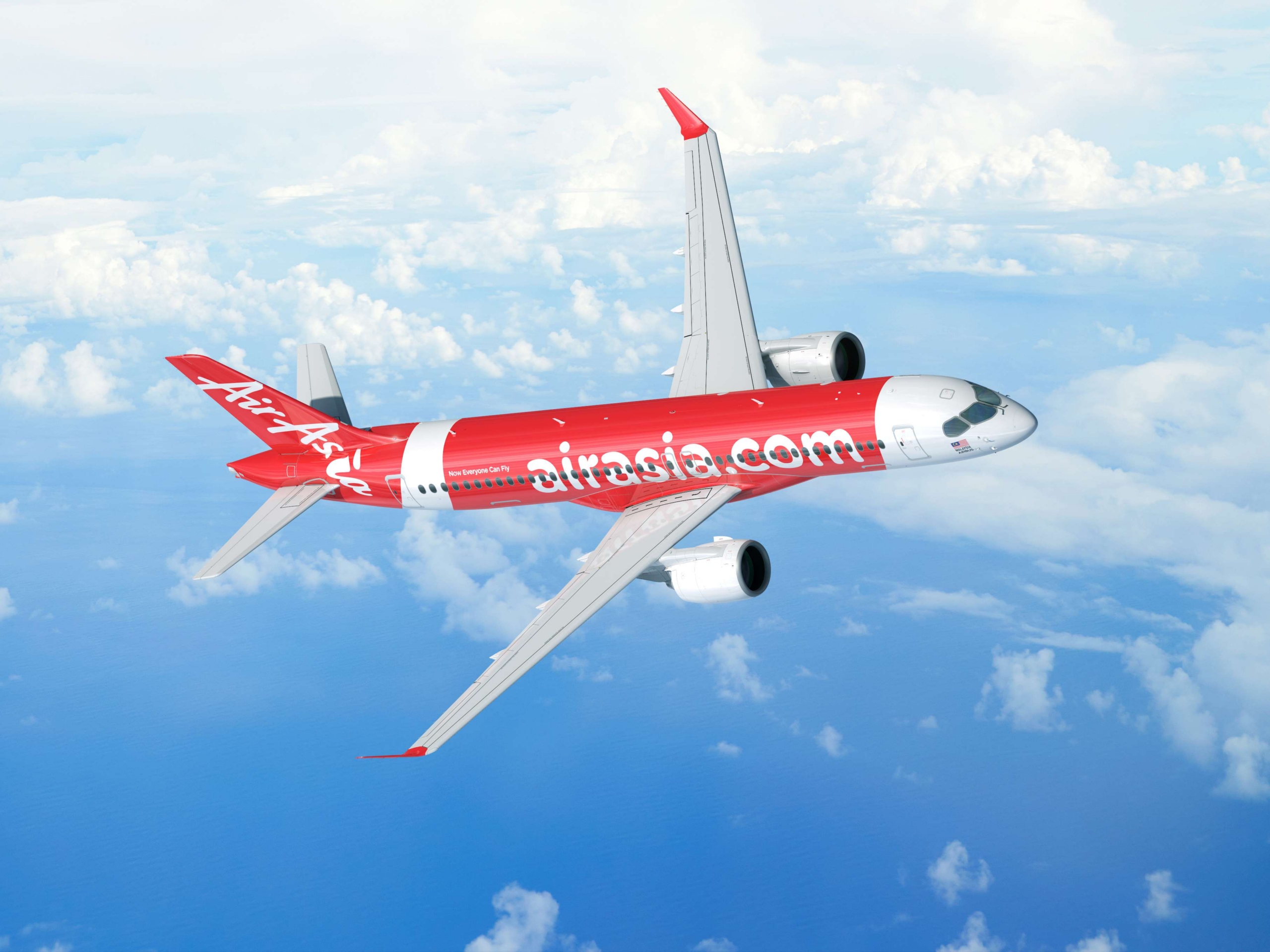
Specifications of this possible future variant have not been confirmed by Airbus, but Fernandes suggested that an A220-500 would seat 185 passengers, one short of the typical high-density A320 cabin.
“We really hope that you will build the best version, which is the A220-500, which is 185 seats,” Fernandes said, before turning his attention to Lars Wagner, chief executive officer of the planemaker’s commercial aircraft business and saying, “That’s the aircraft we really want. So Lars, you know, get a move on.”
He added, “Today, if they build that aircraft, AirAsia will buy another 150.”
Earlier reports noted that the stretch would seat around 165 passengers in a single-class configuration. But with the -300 now accommodating 160, it seems likely Airbus would go further than 165 with a new variant.
The A220-500: A fuselage stretch and reduced range?
The A220-500 would necessitate a fuselage stretch, but the existing wing and engine design is likely to remain (the high cost of changing either of these aspects of the overall design would introduce massive cost).
Significant flight deck or landing gear modifications would also likely be avoided for the same reason.
Higher seating density would likely lead to a reduction in range compared with the A220-300.
Leeham News reported in February that a “simple stretch is the preferred option. However, this does not mean that Airbus won’t tweak aerodynamics to improve operating and take-off performance and maintain as much range as possible”.
The website and consulting firm calculated that the range of the -500 would be about 13% lower than the -300.
Which airlines would buy the A220-500?
AirAsia is not the only aircraft to express interest in an A220-500.
Air Canada’s CFO, John Di Bert, recently said the A220-500 would be “very interesting”.
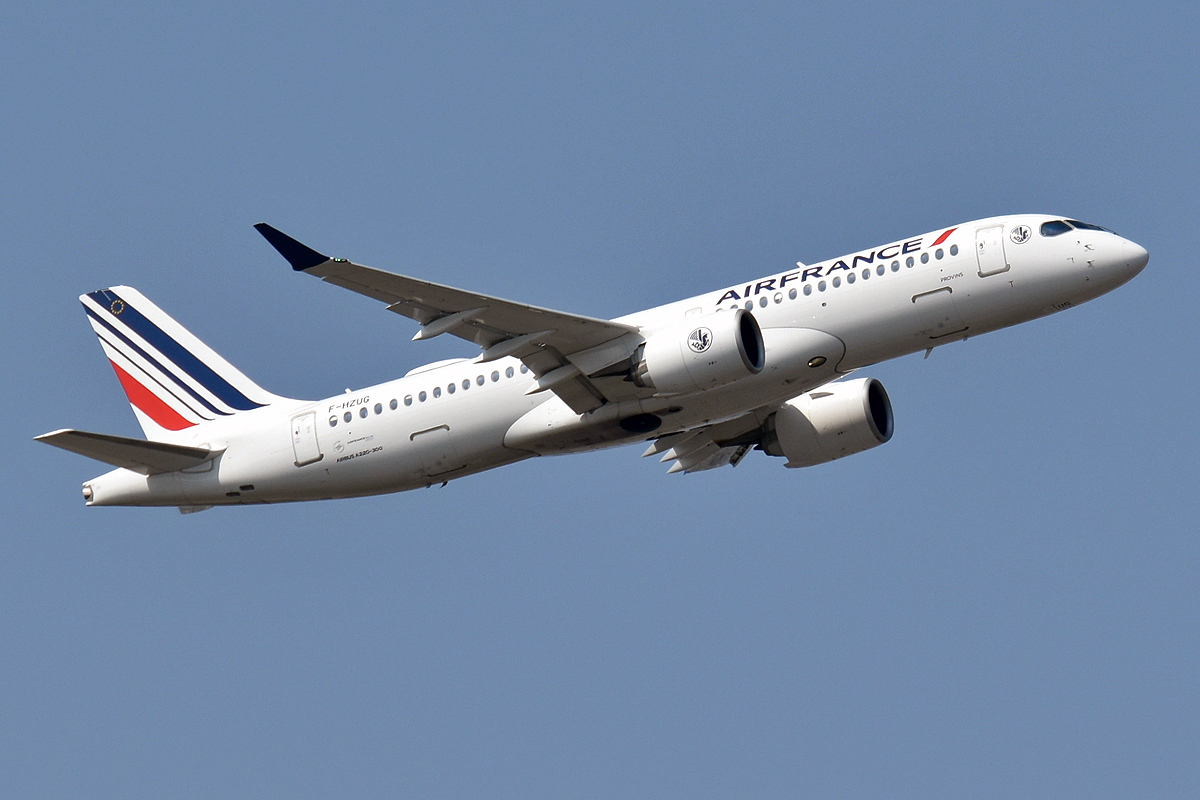
As far back as 2019, Air France was talking about the potential for a stretched -500 in its fleet.
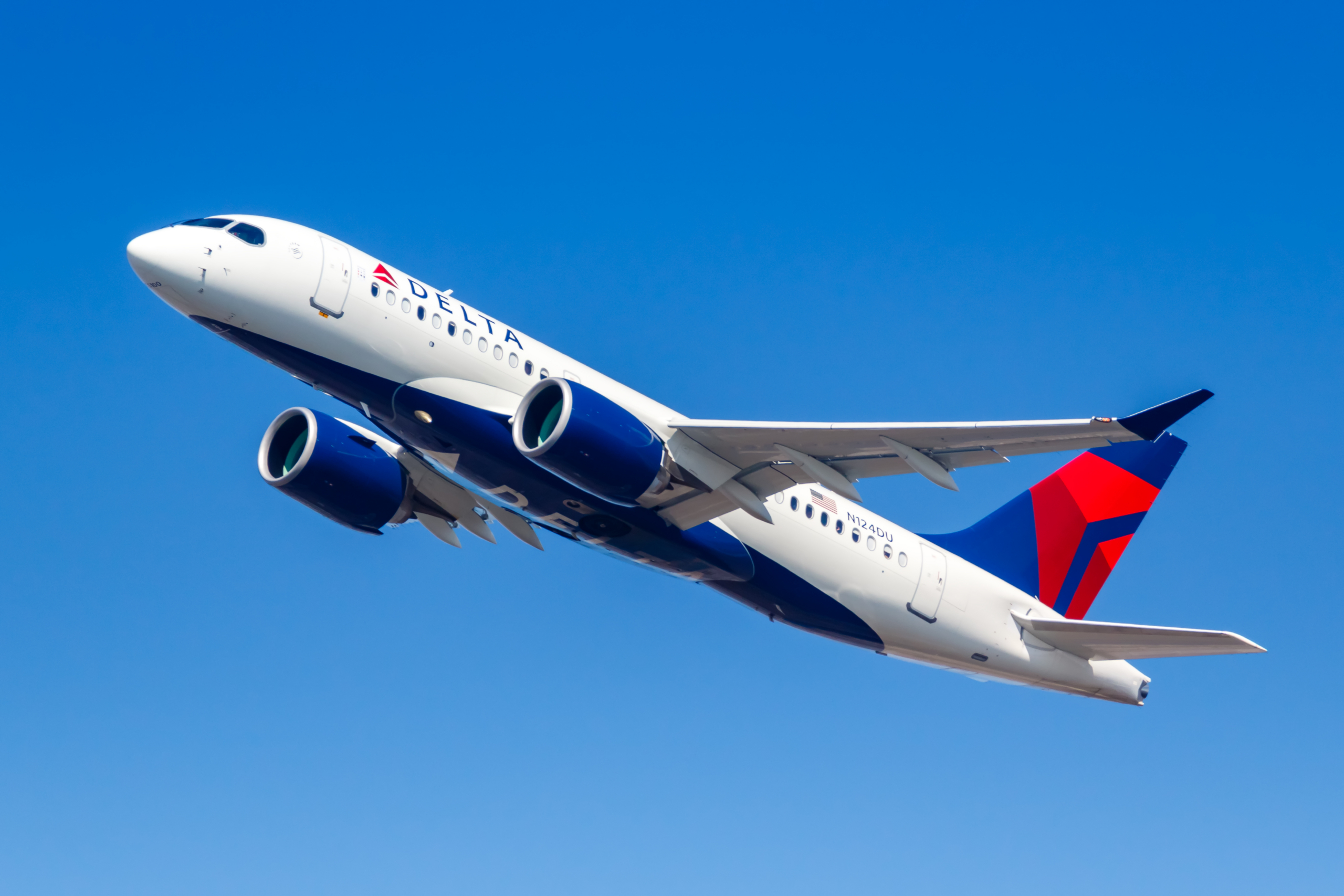
There are other potential customers for the larger version. Delta Air Lines, which already operates the A220, is also thought to be a prime candidate for the aircraft.
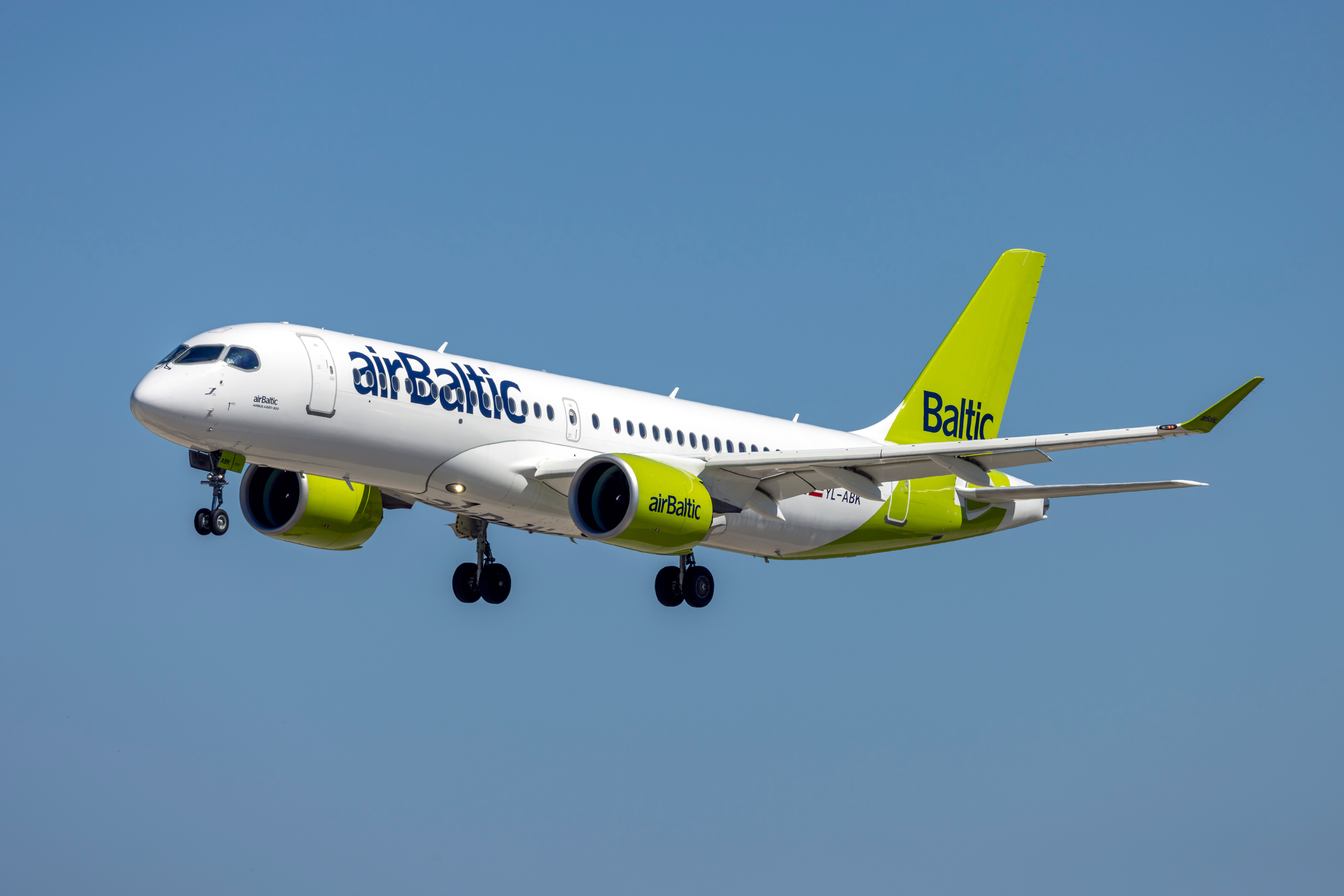
Latvia’s flag-carrier, airBaltic, raised the prospect of a -500 in 2021 when a spokesperson told AeroTime that the airline would “support additional fuel tank capacity as well as a stretched version”. AirBaltic has put its current fleet of A220s to use on long routes, including Riga-Dubai.
Despite the general market interest, in February of this year, AerCap’s CEO, Aengus Kelly, stated that he did not see a market for a stretched A220.
How likely is Airbus to launch an A220-500?
Airbus has treated the stretched version with caution.
For years, Airbus executives have said the A220 stretch would have to wait until the programme reached what one described as “cruising altitude” – believed to mean stable production and profitability.
The programme has also faced setbacks in the form of the GTF engine issues. By the middle of last year, more than a fifth (22%) of A220s were grounded by corrosion and maintenance problems affecting the PW1500G.
Airbus also revealed last year that it expects to ramp up production of the existing A220 lines to 12 aircraft per month in 2026, below its earlier target of 14, citing ongoing supply-chain pressures and delays caused by airlines waiting for the upgraded engines.
Addressing these issues will be a key enabler to a successful launch of a third A220 variant.
For now, Airbus is remaining tight-lipped on progress made towards a -500, but all signs are pointing to a launch at some point.
Previously, the OEM has noted a potential cannibalisation of the A320neo market with a larger A220.
A spokesperson for Airbus Canada said earlier in the year: “As a matter of principle, we do not comment on any discussions we may or may not have with our customers. Our position on the A220 stretch is unchanged: We have repeatedly shared our conviction that a stretch would be a great addition to the market, and we are exploring all options.”
Guillaume Faury, Airbus CEO, went further on an earnings call at the end of April, saying that there was “ongoing work” on a stretch and noting that the focus was on solving the technical, industrial and supply issues relating to the aircraft.
He said Airbus was working on an agreement with suppliers, as well as timing and financing for the project.
“It takes time, and that’s something we want to do, I would say, by the book, to not do shortcuts or overlook important aspects of launching a new product,” he said.
Featured image: Airbus


