


The world’s most beautiful airports: Prix Versailles reveals 2026 list

5 min read
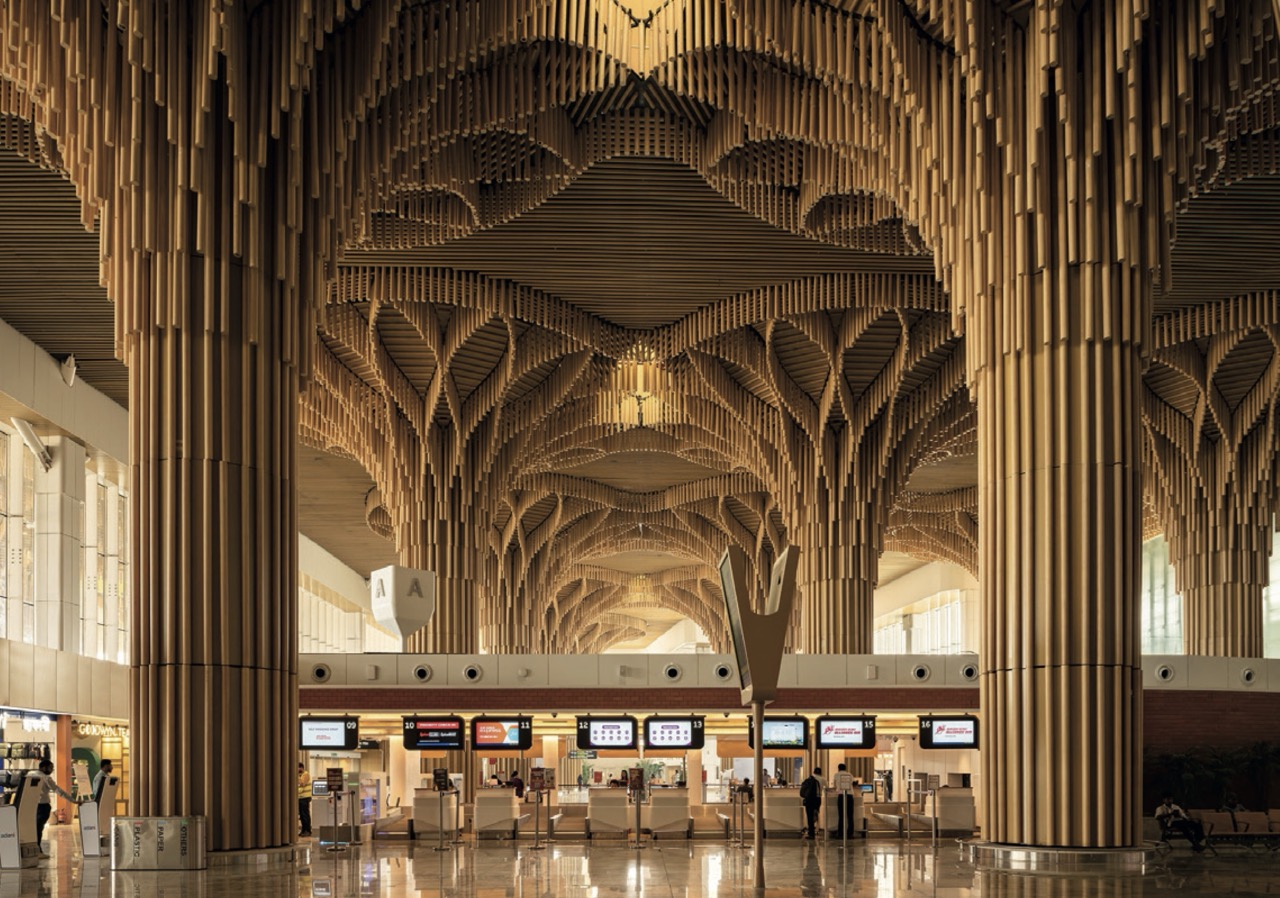
The Prix Versailles architecture and design awards have unveiled their list of the world’s most beautiful airports for 2026, highlighting seven terminals and airports that combine regional identity, sustainability and passenger experience.
The world’s most beautiful airports of 2026
The seven airports recognised by Prix Versailles are:
| Airport | Location | Architect(s) | Signature Design Element |
|---|---|---|---|
| Guangzhou Baiyun International Airport Terminal 3 | Guangzhou, China | Artelia and Guangdong Architectural Design & Research Institute | Flower-inspired architecture and rooftop gardens |
| Frankfurt Airport Terminal 3 | Frankfurt, Germany | Christoph Mäckler Architects | City-like layout with streets, squares and art installations |
| Lokpriya Gopinath Bordoloi International Airport Terminal 2 | Guwahati, India | Nuru Karim / NUDES Architecture | Bamboo orchid inspiration and flowing ceiling patterns |
| Navi Mumbai International Airport Terminal 1 | Navi Mumbai, India | Zaha Hadid Architects | Lotus-inspired columns and petal-shaped roof |
| Techo International Airport | Phnom Penh, Cambodia | Foster + Partners | Basket-weave roof vaults and passive environmental design |
| Pittsburgh International Airport | Pittsburgh, United States | Gensler and HDR, in association with Luis Vidal + Architects | Tree-like columns and biophilic design |
| San Diego International Airport Terminal 1 | San Diego, United States | Gensler | Open-air terraces and extensive public art |
Three of these projects will receive additional World Titles (Prix Versailles, Interior or Exterior) later this year.
Airports leave a lasting footprint on the land and on the history of humanity
Jérôme Gouadain, Secretary General of the Prix Versailles, said of this year’s list:
“Whether they have newly appeared on the horizon or undergone a major renovation, contemporary airports and airport terminals are innovative, inescapable hallmarks of their regions and their eras.
“They are innovative, because they resolve the apparent conflict between the increasing frequency of travel and the need for speed – both central to an airport’s purpose – on the one hand and, on the other, the singularity of a form of tourism that aims to be accessible and that values people’s time in places that, in this day and age, can no longer be described as mere ‘transfer’ spaces.
“And they are inescapable, in that this infrastructure leaves a lasting environmental footprint on the land but also on the history of humanity: in the amalgamation of architecture that they display, airports are becoming attractive settings, emblems of economic, cultural and social dynamics that will continue to shape the societies of tomorrow, draw them together and unify them.”
Guangzhou Baiyun Airport Terminal 3, China
Inspired by Guangzhou’s nickname, the “City of Flowers,” Terminal 3 incorporates petal-like columns and extensive indoor and outdoor gardens. The terminal includes approximately 10,000 square meters of landscaped spaces intended to bring nature into the passenger experience.
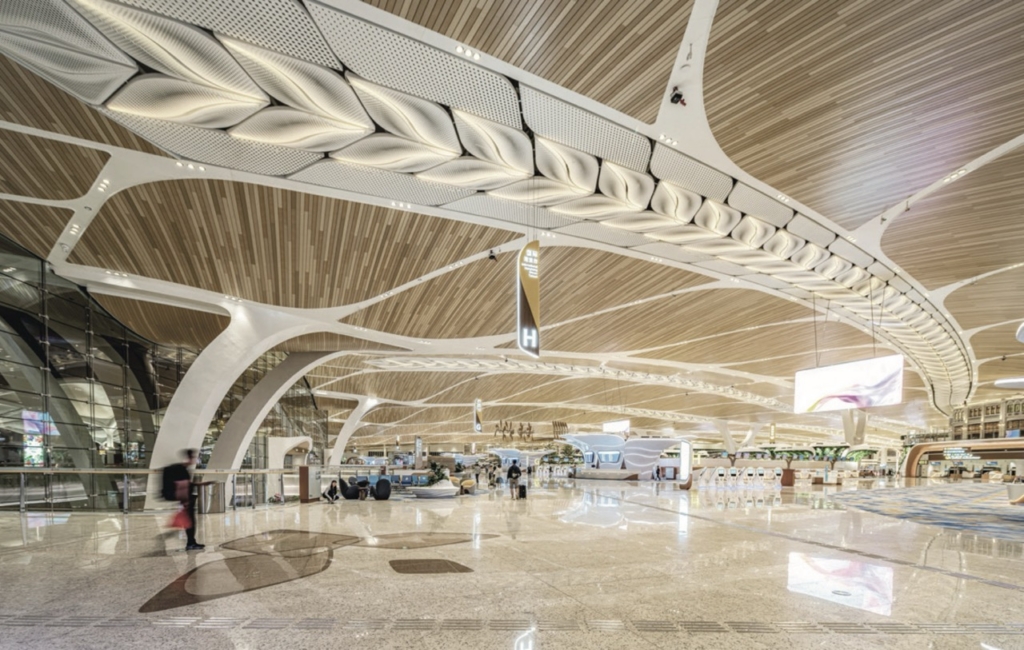
“Drawing from Lingnan culture, the edifice serves as a gateway dedicated to lifestyle, on a monumental scale,” the organisers of the Prix Versailles note in the announcement.
Frankfurt Airport Terminal 3, Germany
Opened in April 2026, Frankfurt’s €4 billion Terminal 3 was designed to resemble a lively urban environment rather than a conventional airport. Features include abundant natural light, immersive art installations and the world’s first gallery dedicated to limited-edition artworks inside an international airport.
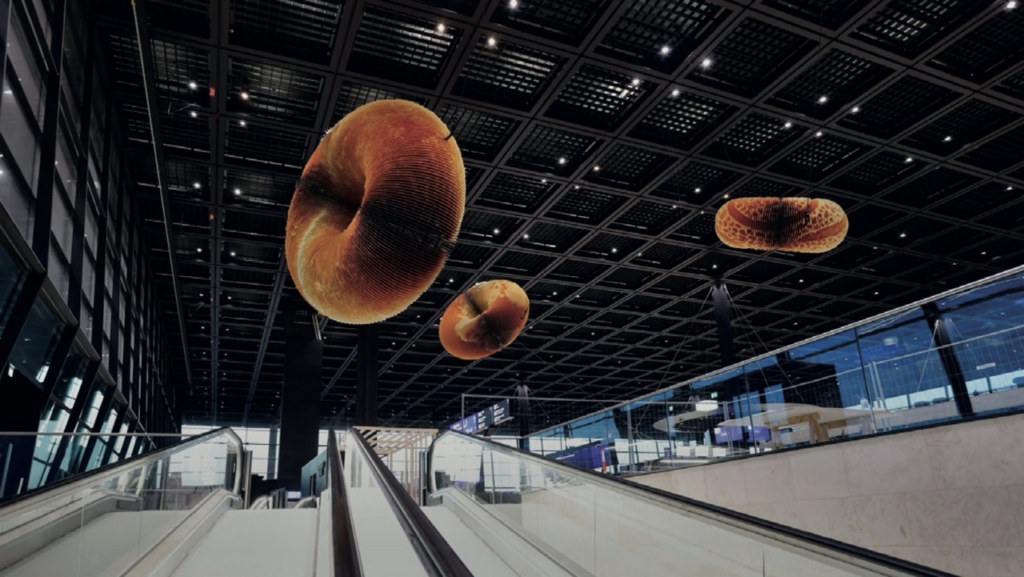
“The architecture, which flawlessly blends sociability with technicality, delivers a constantly refreshed travel experience,” the Prix Versailles organisers state.
India’s double success
India secured two places on the list.
Terminal 2 at Lokpriya Gopinath Bordoloi International Airport in Guwahati incorporates bamboo-inspired design elements and a dramatic indoor sky forest.
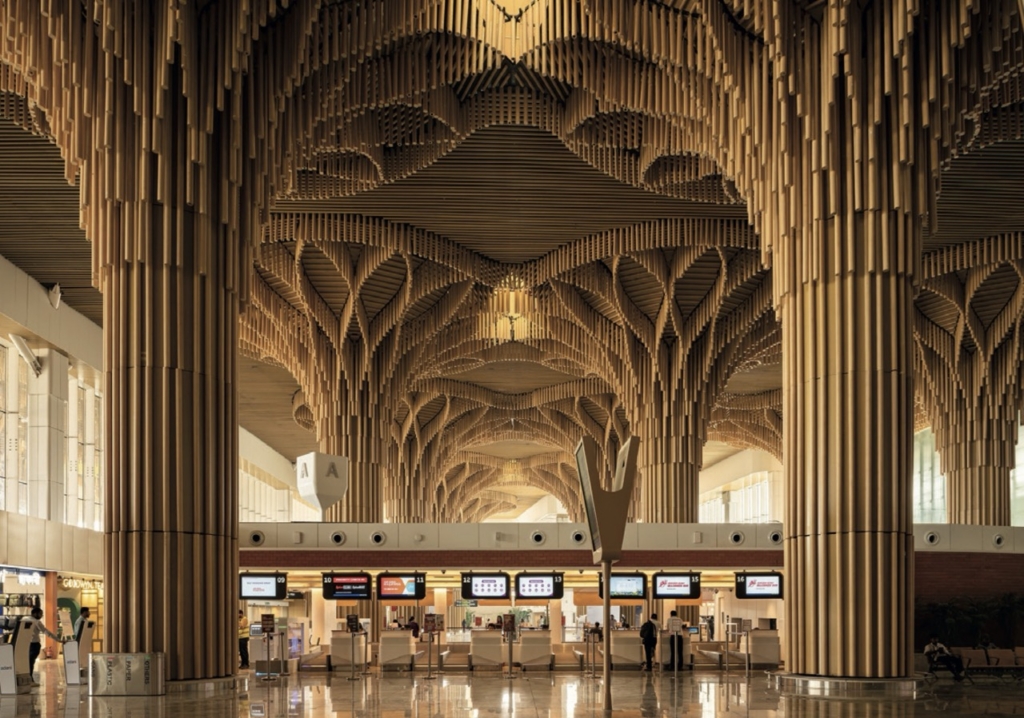
“There are few airports that embrace a land so magnificently. In Guwahati, the international Terminal 2 delivers a spectacular arrival experience that reflects the living spirit of Northeast India,” the organisers say.
Navi Mumbai International Airport features lotus-inspired architecture and extensive greenery, reflecting local culture and landscapes.
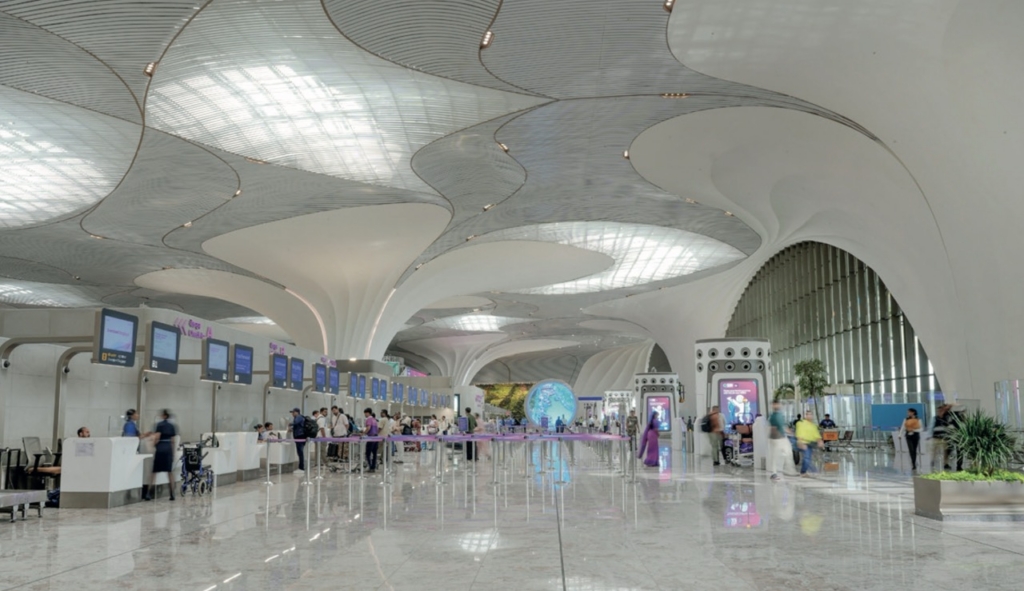
“Navi Mumbai International Airport…is a story of conquest: taming rivers and mountains, shifting existing high-voltage cables and reclaiming marshy land from the sea. It’s an epic saga that skilfully combines futuristic architecture with operational functionality,” the Prix Versailles organisers note.
Cambodia’s Techo International Airport
Techo International Airport near Phnom Penh was recognised for its environmentally conscious design. The airport employs an energy-efficient canopy and extensive skylighting to maximise natural illumination while reducing energy consumption.
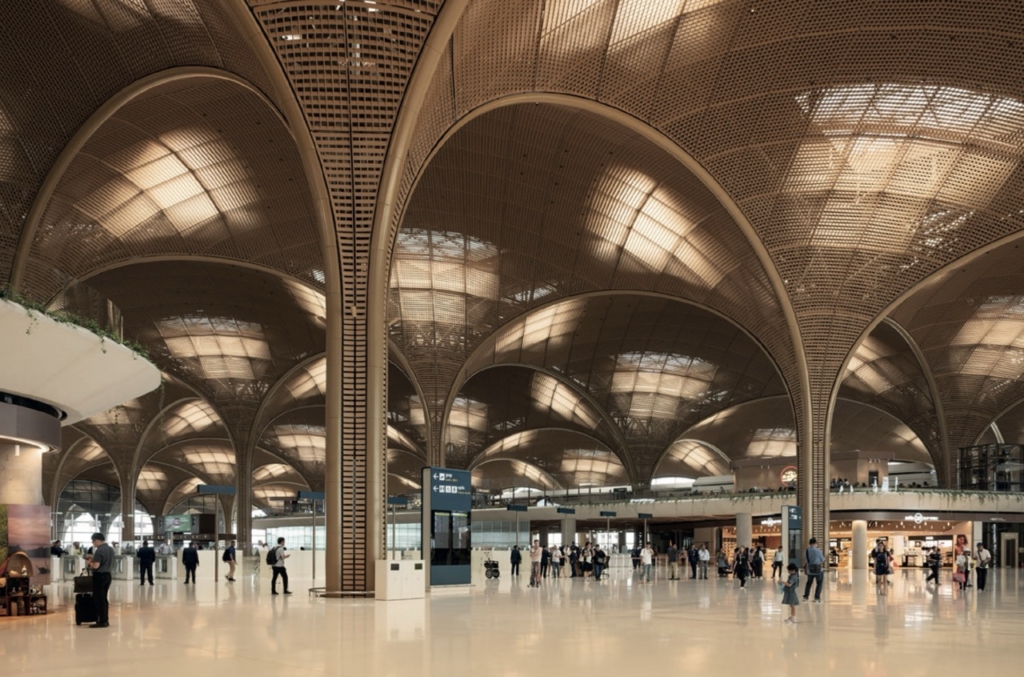
“Although it is a symbol of renewal, this major airport…proclaims at a glance its permanence and stability. Its name comes from a title granted to heroes by the king 500 years ago and stands for the invincibility of the Khmer people,” the organisers note.
Two US airports make the list
Pittsburgh International Airport earned recognition following its $1.5 billion modernisation project. Its new terminal features a roofline inspired by the city’s hills, outdoor terraces and a ceiling containing 4,000 lights arranged to resemble a star-filled night sky.
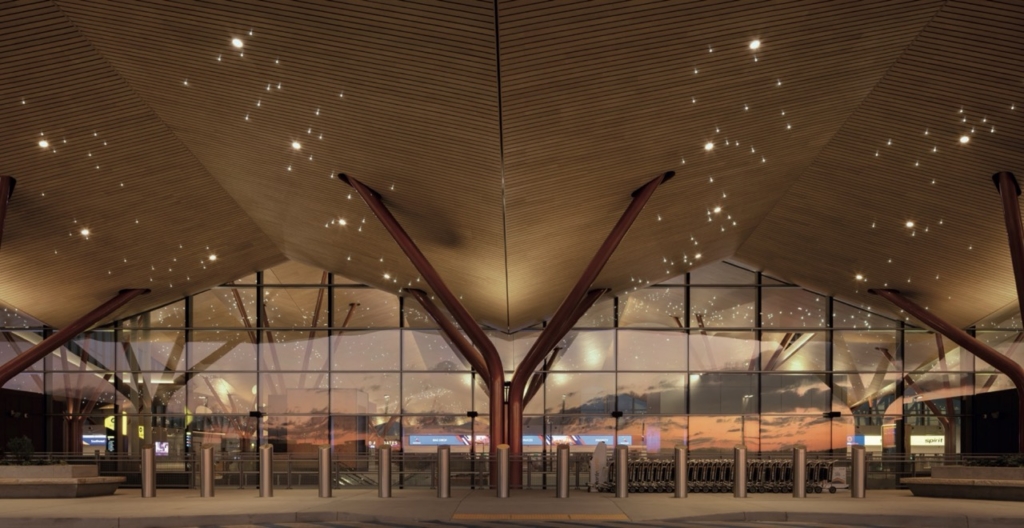
“With its vast undulating roofline evocative of the nearby Allegheny Mountains, Pittsburg International Airport stands as the city’s newest emblem, symbolising its ambitions of innovation and sustainable construction,” the Grand Prix organisers say.
San Diego International Airport’s new Terminal 1 was selected for its open-air observation areas and distinctive public art installations, including suspended jellyfish sculptures.
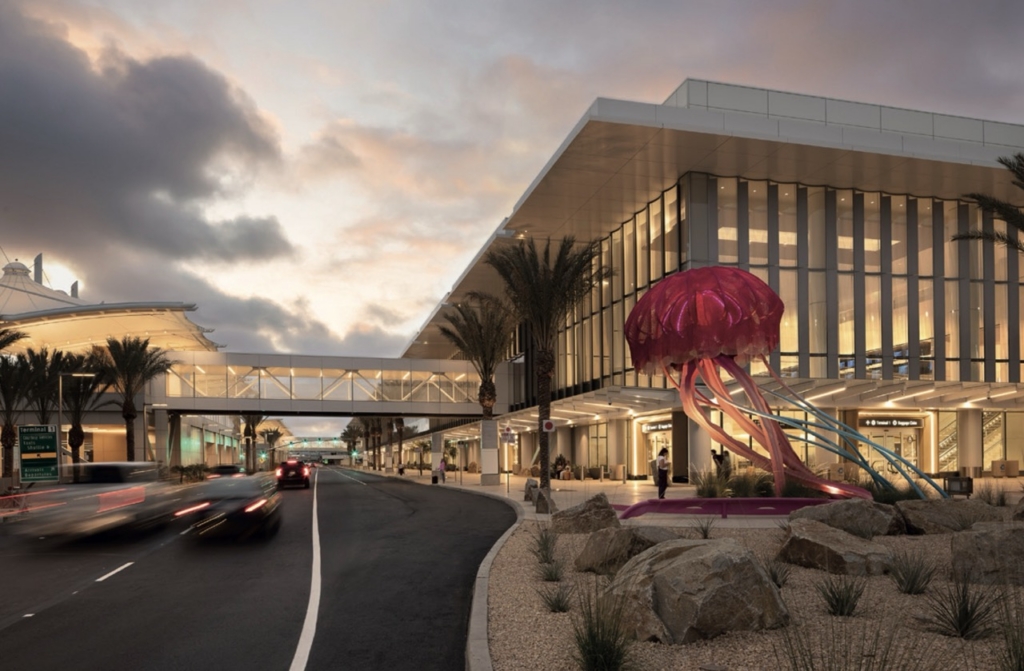
“Terminal 1 at America’s busiest single runway airport has been completely transformed, along with its roadways, its car parks and its multimodal transport. This gentle revolution rallied the most advanced expertise to create a high-performance civic gateway, deeply attuned to San Diego’s climate, culture and regional identity,” say the Grand Prix organisers.
Airports as architectural destinations
Prix Versailles, presented annually at UNESCO since 2015, recognises projects that promote what it calls “intelligent sustainability,” balancing architectural excellence with cultural and environmental considerations.
The organisation says modern airports are moving beyond their roles as transportation hubs to become destinations in their own right.
Featured Image: Guwahati International Airport | Prix Versailles


