


Airchair launches assessment tool to help airlines prepare for new DOT accessibility rules

3 min read
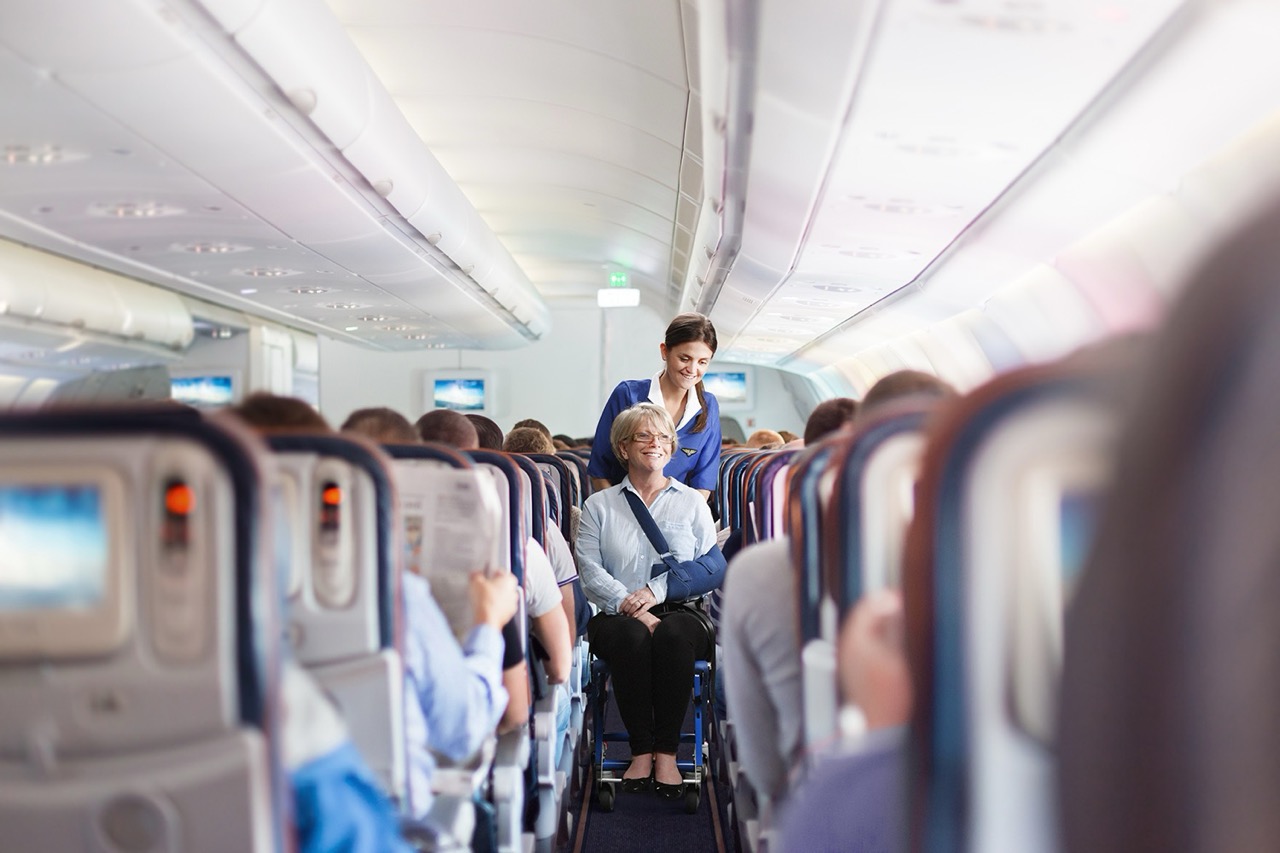
Airchair has launched a free online assessment tool to help airlines determine whether upcoming US Department of Transportation requirements for onboard wheelchairs apply to their operations.
The tool comes ahead of the October 2, 2026 compliance date, when new accessibility standards will go into effect for newly acquired and replacement onboard wheelchairs.
Airchair says the assessment takes around two to three minutes. Airlines can check aircraft types or fleet segments to determine whether to review their existing equipment.
The Airchair compliance assessment asks operators questions about their aircraft, routes and existing onboard wheelchair provision, then explains which requirements are likely to apply and suggests next steps.
What changes on October 2, 2026?
The October deadline forms part of a broader overhaul of accessibility requirements for wheelchair users.
Under 14 CFR 382.65, new single-aisle aircraft with an FAA-certified maximum seating capacity of at least 125 seats, delivered on or after October 2, 2026 and equipped with lavatories, must have an onboard wheelchair with enhanced accessibility features. The new standards aim to make the onboard wheelchair safer and easier to use within the aircraft cabin.
Among other provisions, the chair must be manoeuvrable forward and backwards through the aisle by an attendant. Its seat height must ease transfers between the wheelchair and the passenger seat. Its wheels must be lockable for transfers.
The chair must also have features including a padded seat and backrest, appropriate restraints and repositionable arm and foot supports. Crucially, it must be capable of manoeuvring into an accessible aircraft lavatory so that a passenger can transfer to the toilet and the lavatory door can close.
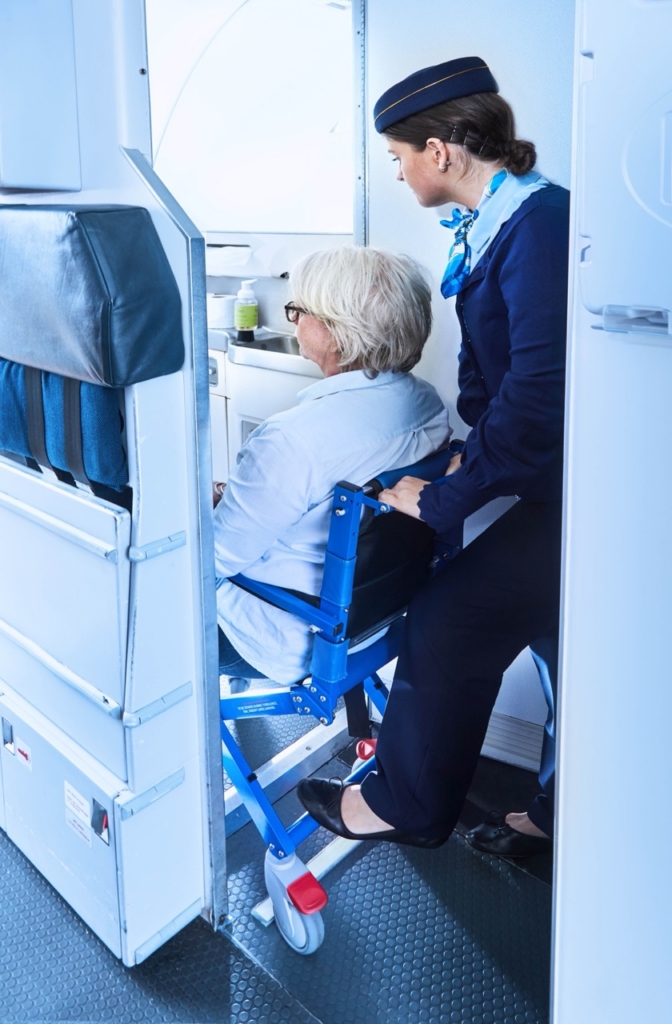
Under a subsequent DOT rule, after October 2, when an airline replaces an onboard wheelchair on an aircraft with a maximum seating capacity of 125 or more passengers, the replacement wheelchair must meet the new standards.
After the same date, newly acquired onboard wheelchairs for aircraft with more than 60 passenger seats must also meet the standards, where compliant equipment is available.
By October 2, 2031, all onboard wheelchairs provided for passenger use on aircraft with more than 60 seats must meet the enhanced standards.
The requirements are part of the US Air Carrier Access Act, Part 382, which applies to both US and foreign airlines operating flights to or from the United States.
Airchair warns some airlines may not be ready
Airchair has developed a lightweight, strong onboard wheelchair with a unique retractable back support that folds to fit in an overhead locker.
The company developed the assessment after learning that some airlines were still unaware of the looming requirements.
“I attended an industry event recently and was a little shocked that a few airlines that will need to comply as they fly narrowbody aircraft with more than 125 seats into the USA hadn’t heard of the regulation changes,” said Sarah McOnie of Airchair. “It’s not too late to act now, and so we urge those airlines that are unsure to take a few minutes to complete the assessment – it will give them a clear indication of what they need to do next.”
Airchair has been highlighting the October deadline throughout 2026. The company says its Airchair II onboard wheelchair was introduced at Aircraft Interiors Expo in 2025 and has been designed to comply with the updated DOT requirements. It also expanded its manufacturing facilities at the end of 2025 in anticipation of increased demand.
The company’s warning comes as the US continues a broader push to improve the experience of passengers with reduced mobility.
DOT rules already require airlines to assist passengers with disabilities in moving to and from aircraft lavatories upon request, including the use of an onboard wheelchair where applicable.
The October changes would improve the equipment used to provide that assistance, particularly by making onboard wheelchairs safer for transfers and more practical when accessing aircraft lavatories.


