Airbus helps Delta Air Lines cut fuel costs with smarter descents

3 min read
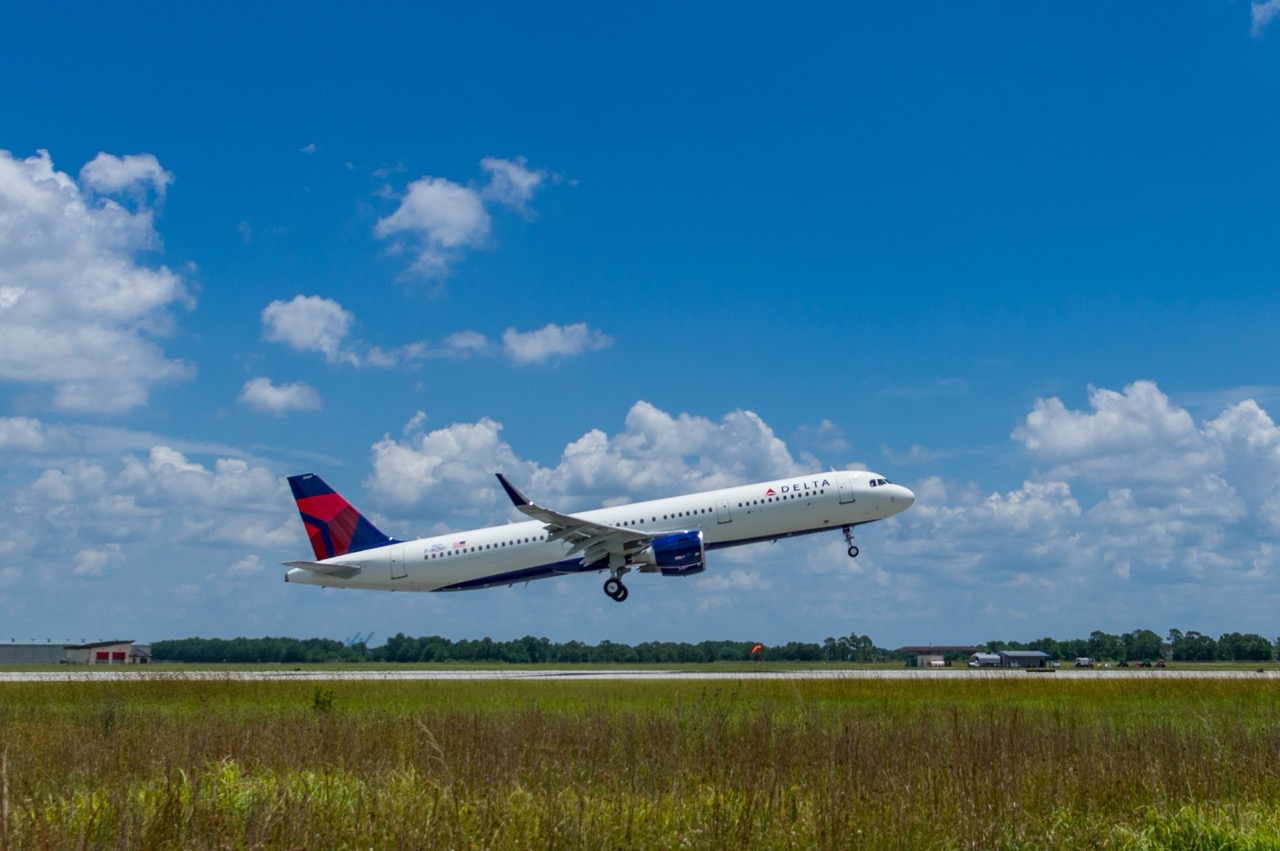
Airbus is helping Delta Air Lines reduce fuel costs with a data-driven flight optimisation system, deployed across much of the carrier’s Airbus fleet.
The planemaker’s Descent Profile Optimisation (DPO) tool makes one of the most fuel-intensive phases of flight—the descent and approach—significantly more efficient.
A large-scale retrofit of Airbus DPO on Delta aircraft
Airbus has now installed DPO on 270 Airbus aircraft in Delta’s fleet, including narrowbody A319, A320, A321 and widebody A330 aeroplanes. It is the largest retrofit deployment of the DPO system on a mixed Airbus fleet to date.
The DPO deployment took about 24 months and included aircraft that were not originally equipped with the technology. Airbus and Delta applied operational data to expand the applicability of DPO, enabling a retrofit to more aircraft in the fleet.
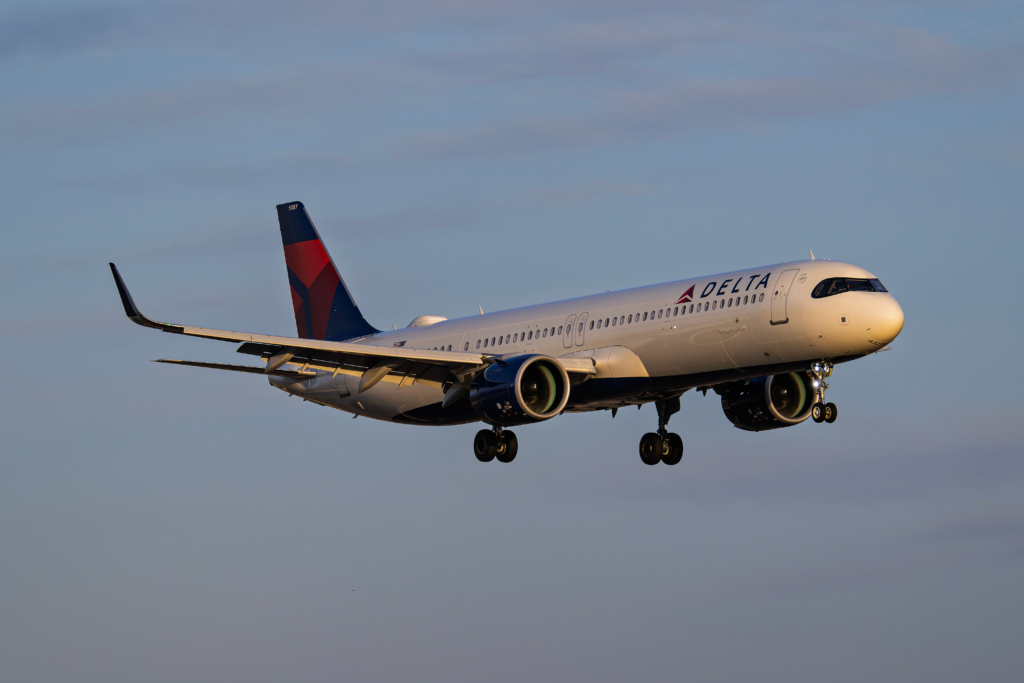
“This collaboration with Delta demonstrates what’s possible when we work closely with our customers,” said Dominik Wacht, Airbus Vice President of Customer Services North America, in the Airbus announcement. “By tailoring Descent Profile Optimisation to work across Delta Air Lines’ entire Airbus fleet, we have delivered smarter performance that aligns with our customers’ fuel efficiency goals while supporting the broader business objectives that drive their success.”
How Airbus DPO technology reduces fuel burn
DPO works by optimising the aircraft’s vertical flight path during descent. Instead of the conventional “step-down” approach—where aircraft level off multiple times—DPO enables smoother, continuous descents using idle thrust where possible.
The DPO updates the Flight Management System (FMS) Performance Database to make descents more consistent and efficient by extending the cruise phase and eliminating the ‘level-off’ stage at the bottom of the descent.
Using DPO, aircraft can compute a descent profile with an optimal engine model, consuming less fuel during idle thrust. The technology uses operational data and updated flight management system parameters to calculate the most efficient descent profile in real time.
Airbus says the system “significantly” lowers fuel consumption while improving overall operational performance.
A shift toward software-driven fuel efficiency
Delta says the system supports its broader focus on “operational efficiency, sustainability and fleet harmonisation,” while maintaining performance standards.
“At Delta, we are focused on fleet performance across every phase of flight,” said Kristen DBojko, Delta Vice President, Fleet. “Implementing DPO across most of our Airbus fleet is a significant upgrade – it allows us to operate more efficiently, reduce fuel consumption, and maintain a high standard of operations. This collaboration with Airbus reflects the kind of thoughtful, data-driven approach that supports both operational excellence and long-term performance.”
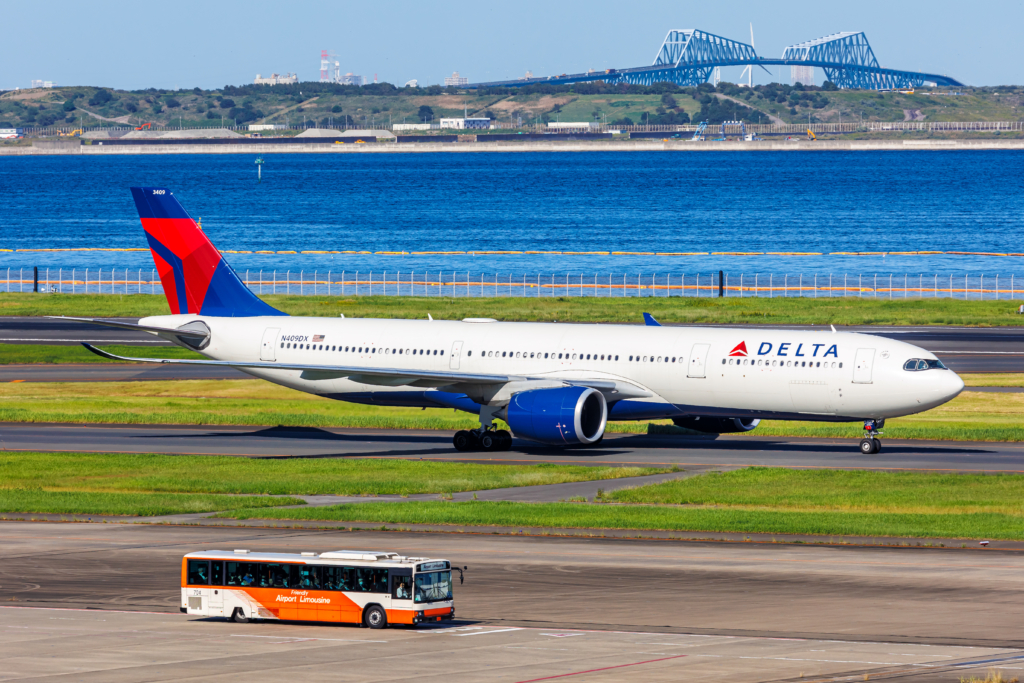
Fuel accounts for a major share of airline operating costs—between 20% and 30%—so even small improvements can contribute significant cost savings. While reducing fuel burn, DPO also lowers carbon emissions and aircraft noise, helping Delta improve its environmental performance.
Climb optimisation: ITA Airways and SITA tackle the other fuel-intensive phase of flight
Other airlines are making existing aircraft more efficient by applying digital tools and analytics.
While Airbus and Delta are targeting descent efficiency, ITA Airways has focused on optimising fuel burn during the climb phase—another fuel-intensive segment of flight.
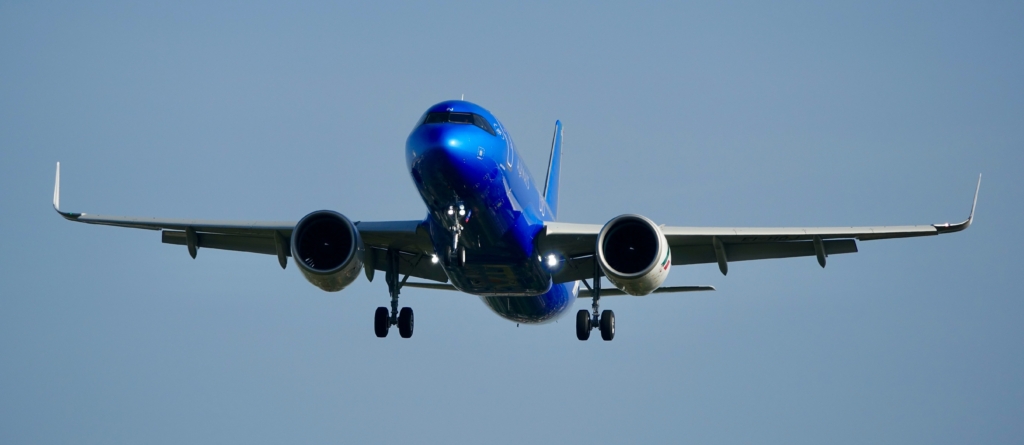
The airline is deploying SITA’s OptiFlight system to refine climb profiles using AI and real-time data. The tool adjusts variables such as airspeed, acceleration, altitude transitions and climb Mach number to find the most fuel-efficient trajectory for each flight. With predictive analytics and 4D weather data, OptiFlight creates tail-specific performance models to optimise each aircraft’s climb more precisely.
ITA Airways expects to save over 7,100 tonnes of fuel and more than 22,000 tonnes of CO₂ across 2025 and 2026 with OptiFlight.
Digital systems help airlines burn less fuel
Both these initiatives help the industry improve fuel efficiency through smarter operations enabled by digital systems.
From optimised descents at Delta to AI-driven climb performance at ITA Airways, the result is a better flight plan that lowers fuel costs and emissions in the fleet, without waiting for the next generation of aircraft to arrive.
Featured Image: Airbus