ITA Airways targets 7,100 tons of fuel savings with SITA’s AI-powered climb optimisation

3 min read
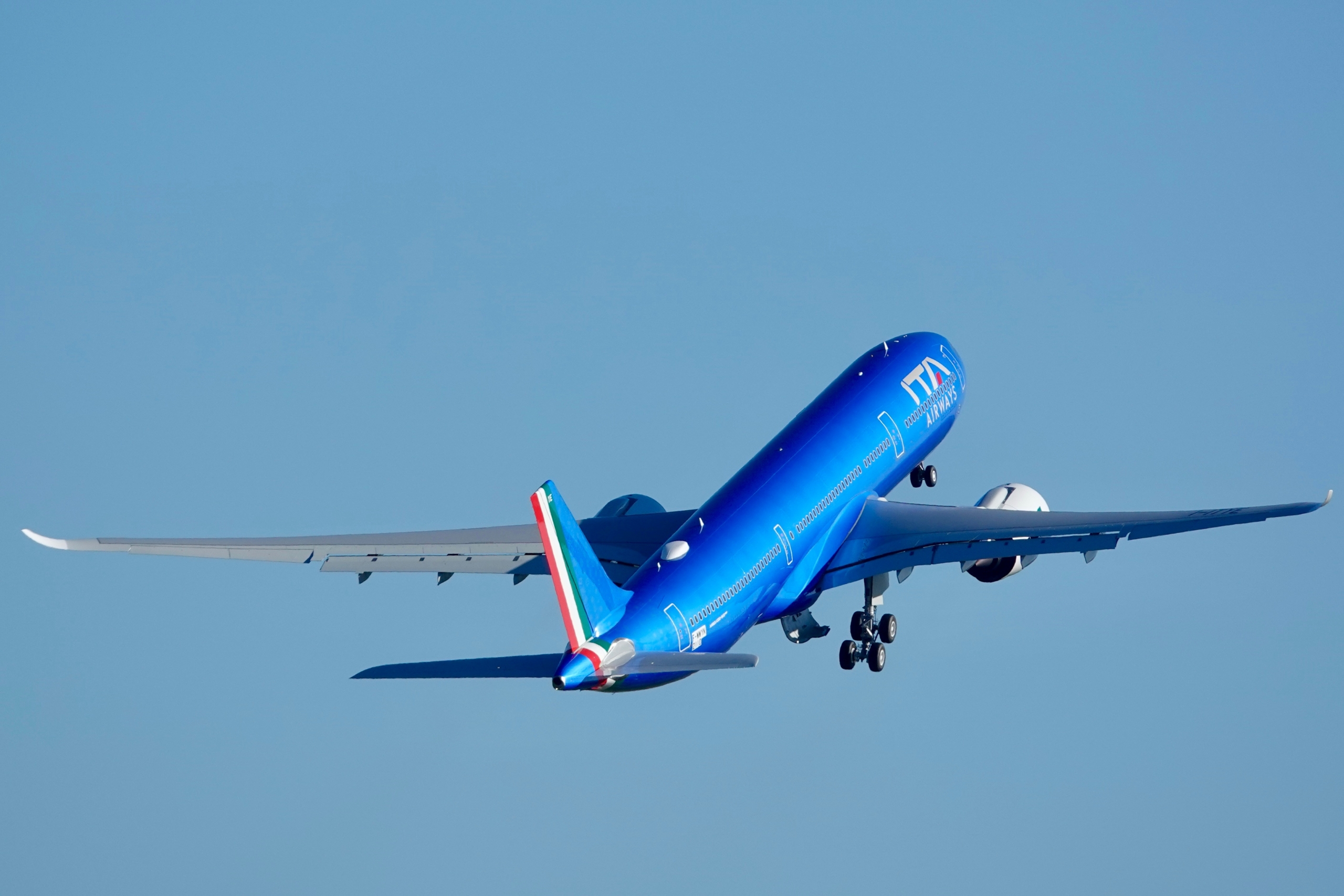
To reduce fuel burn and emissions, ITA Airways is rolling out SITA’s OptiFlight climb optimisation tool, powered by artificial intelligence, throughout its fleet.
By scaling the OptiFlight solution network-wide, the airline is on track to achieve fuel savings of 7,100 tons and CO2 reductions of 22,100 tons during 2025 and 2026.
AI targets one of aviation’s most fuel-intensive phases
Fuel consumption during climbs can be significantly affected by small inefficiencies in speed, altitude transitions, or thrust settings.
SITA’s OptiFlight calculates the best climb profile for every flight using predictive analytics and machine learning. Using real-time 4D weather inputs and aircraft-specific performance data, the system continuously adjusts variables such as airspeed, acceleration, and altitude.
By using tail-specific, multi-dimensional modelling for each aircraft, the platform delivers precise climb profiles for varying operational and weather conditions.
Fleet-wide rollout advances ITA Airways’ sustainability targets
ITA Airways has already recorded “substantial reductions” from early use of the system and is now expanding it across its fleet, embedding the technology into routine operations.
Francesco Presicce, Chief Innovation and Strategic Projects/Vision at ITA Airways, said the deployment of the AI-powered tool reflects the airline’s commitment to sustainability.
“The deployment of SITA OptiFlight demonstrates our commitment to equipping the company with innovative, practical, and measurable tools while ensuring operational excellence,” he said in the company’s announcement. “Data-driven insights and artificial intelligence enable us to achieve significant fuel savings and emissions reductions without compromising efficiency or safety. This initiative is part of our broader commitment to more sustainable and responsible aviation.”
Industry pressure driving the adoption of digital solutions for sustainability
Fuel remains one of the highest operating costs for airlines and a primary driver of emissions. Airlines face increasing pressure to adopt solutions that can deliver measurable emissions reductions without requiring major hardware changes.
Yann Cabaret, CEO of SITA for Aircraft, said that ITA Airways’ deployment of OptiFlight demonstrates that digital tools can support aviation’s sustainability targets, even as European airlines are under significant financial pressure to cut emissions.
“The aviation industry faces the urgent challenge of reducing emissions while maintaining operational efficiency. ITA Airways’ decision to implement SITA OptiFlight is a testament to how harnessing the power of data can have a measurable impact,” Cabaret said. “The need for intelligent solutions has never been greater.”
As previously reported by AGN, many European carriers face tens of millions of euros in additional costs at the end of 2026 due to the expiration of the ETS ‘emission rights’ grace period in January. Airlines now have to pay for all emission allowances.
KLM reported paying €25 million in ETS costs in 2019, and expects the costs to rise to €325 million annually by 2030.
Reducing emissions in operations, rather than paying for emissions rights, can significantly benefit airlines.
Incremental gains with a cumulative impact
While climb optimisation represents just one phase of flight, the airline’s consistent application of SITA’s OptiFlight across thousands of departures each year can generate meaningful cumulative savings in fuel and emissions.
A growing number of carriers are using AI-driven operational tools to improve their efficiency and reduce their environmental impact.
The airline industry needs scalable, near-term solutions to reduce emissions while it waits for longer-term solutions, including an adequate supply of sustainable aviation fuel and next-generation aircraft powered by alternative fuels.
Featured Image: franz massard | stock.adobe.com