Russia turns to 1940s Antonov An-2 as small aviation sector faces crunch

3 min read
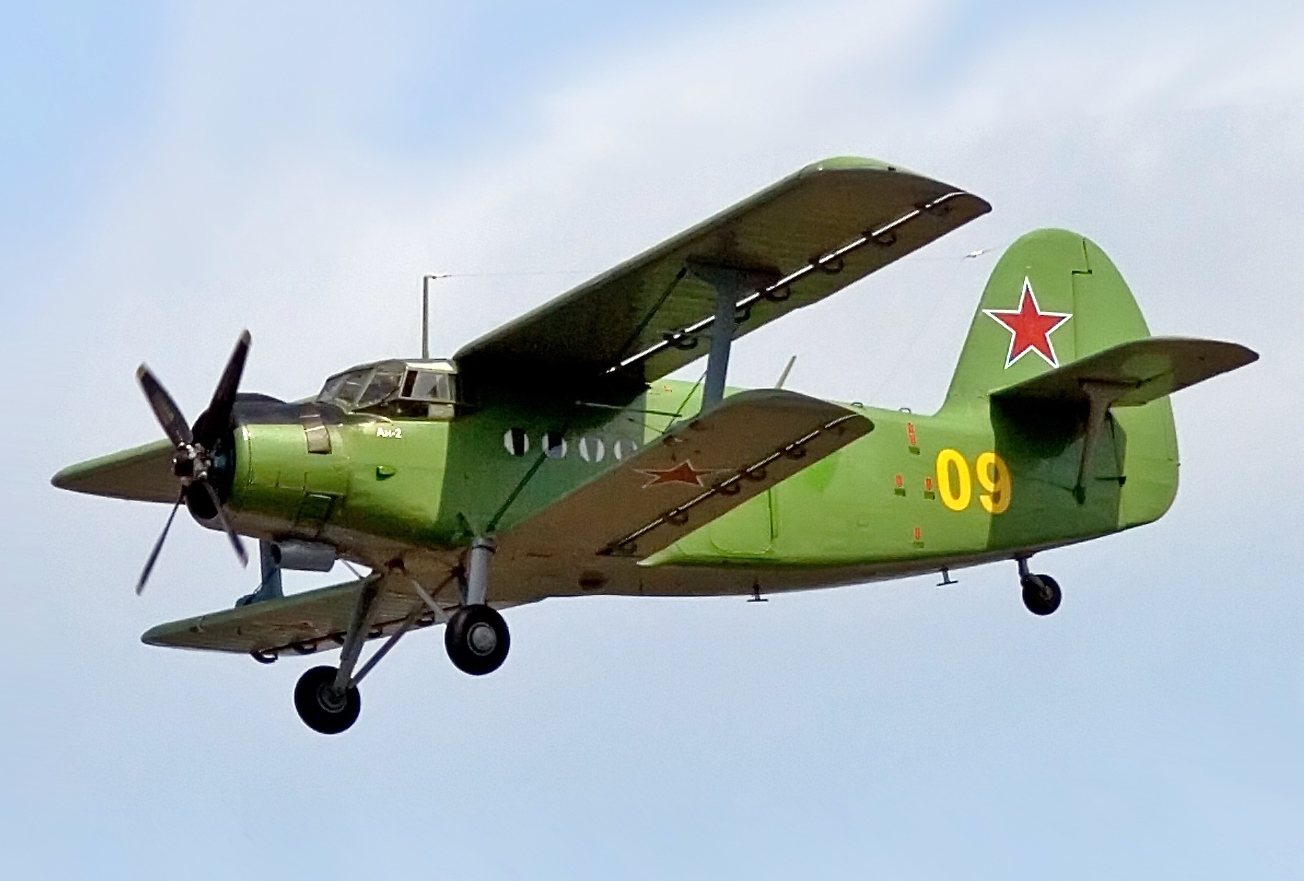
According to a new Ukrainian report, citing the Russian Siberian Research Institute of Aviation, Russia is planning to restore its ancient An-2 biplanes.
While headlines may speak of Russia about to put commercial aircraft into production, the current course is that Russia’s domestic aviation sector is heading for crisis or collapse.
Russia to restore ancient An-2 biplanes into service
The Siberian Research Institute of Aviation has proposed pulling some 700 An-2s out of storage “to fill a catastrophic gap in the country’s small aviation sector.”
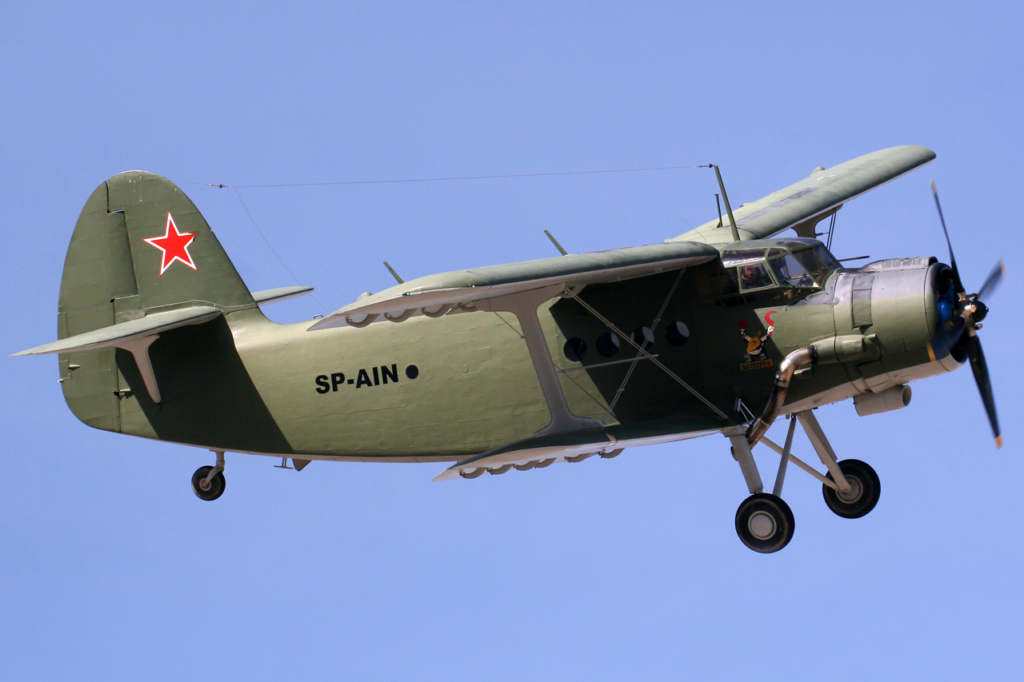
The Antonov An-2 first flew in 1947, with the type being mass-produced by the Soviet Union. Production finally came to an end in 2001 after over 17,000 examples had been built.
Licensed production of the An-2 also happened in Poland, Ukraine, and China. Most were retired and scrapped long ago, with only around 249 examples remaining in active service in Russia, and another 276 listed by DOSAAF.
Russia halted the retirement of these old aircraft in 2024 and has even returned 16 of the aircraft to service.
But even putting these old aircraft back into production is an issue for Russia. The best option is to use American engines, but that is a non-starter due to sanctions.
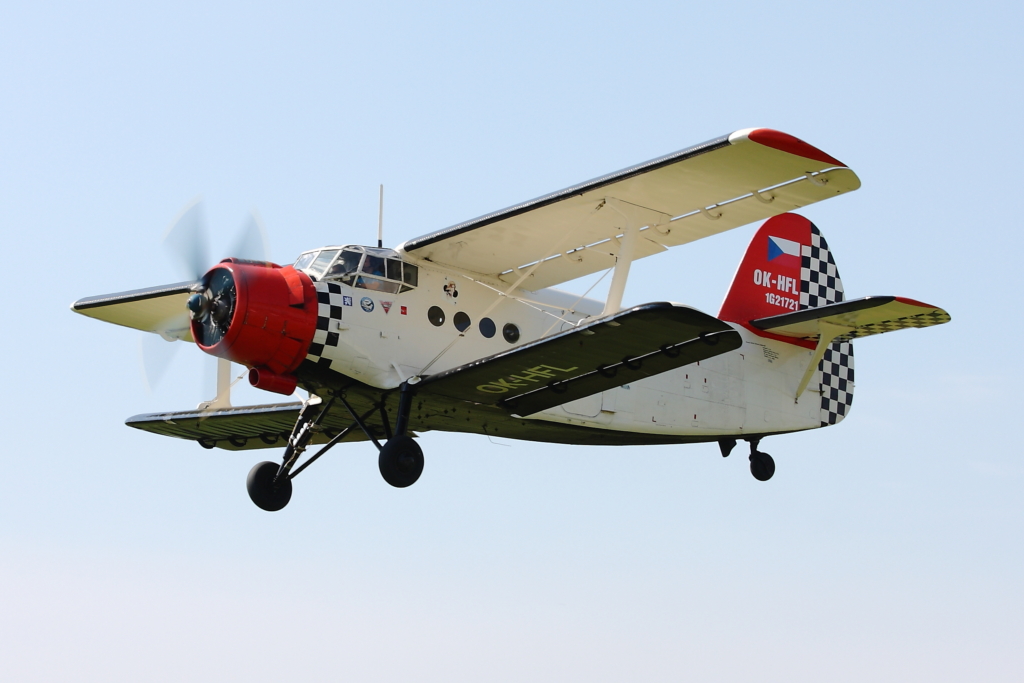
The second option is to use the Russian TVD-10B engine, but that engine “exists on paper.” Some claim only one-third of the stored aircraft are actually worn out, while others question those numbers.
Get the latest aerospace defence news here on AGN.
No choice after Russifying projects failed
The Ukrainian report says, “There is no alternative left: sanctions have cut off access to new equipment, both homegrown import-substitution projects have failed, and without air connections.”
Another @Company_Antonov An-2 commuter aircraft has been re-engined with US-made @Honeywell TPE331 turboprop engine in Russia. The upgrade version is dubbed TVS-2MS and will be operated on local services in Siberia (photo source https://t.co/KYLcRh6fsa) pic.twitter.com/2vCvAJQQQP
— Maksim Pyadushkin (@M_Pyadushkin) October 18, 2023
One of the aircraft that was supposed to replace the 12-seater An-2 was the domestic Russian UZGA LMS-901 Baikal. The 9-12 seater Baikal first flew in 2022, and three prototypes have been built. AGN has previously reported that the Baikal’s cost is now up 80%.
The Baikal was supposed to receive its certification in 2023, but then it was delayed to 2025, then 2026, and now there are hints it won’t get the certificate until 2027. According to reports, the aircraft is facing technical and financial problems that make the 2027 date unlikely.
The TVS-2MS was a deep modernization project of the An-2 in Russia. It was developed without state funding and was considered technically successful, although the programme has been shut down in Russia.
The Russian news outlet RuAviation reports, “Mongolia’s MUNKH AERO [has been] appointed the company as the authorized sales representative for the TVS-2MS multi-purpose aircraft in Mongolia.”

However, these aircraft are powered by the American Honeywell TPE331 engine. Operating the engine is fine for Mongolia, but it is sanctioned in Russia.
Russia’s looming small-transport aircraft catastrophe
Many headlines have repeated Russian propaganda about Russifying its domestic commercial aircraft by substituting imported components. But the picture is much more complicated and murky.
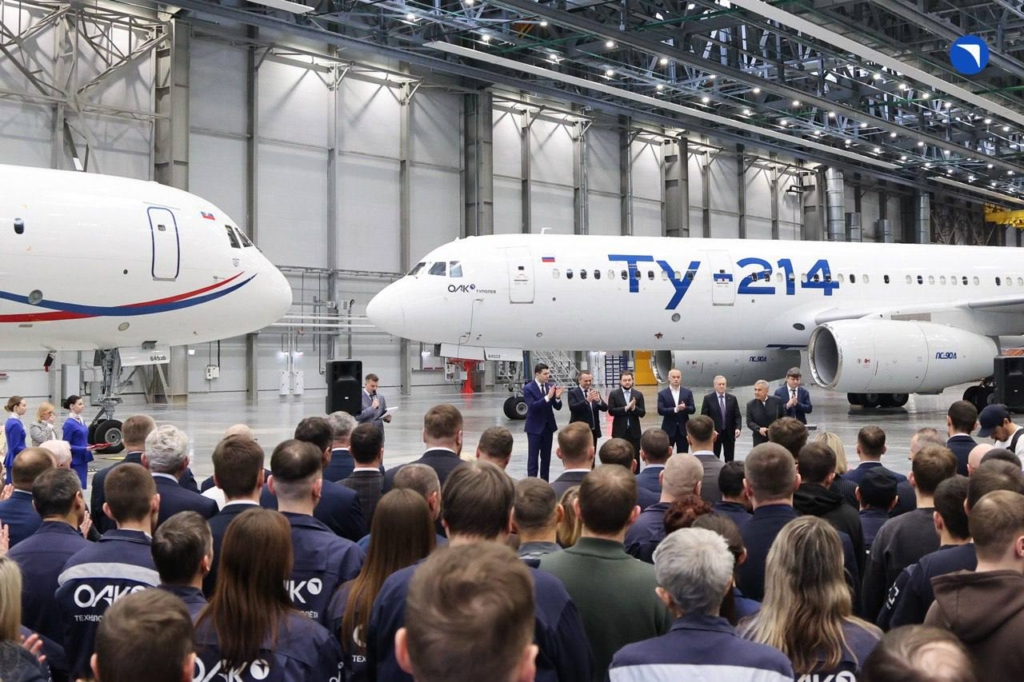
Western components are up to 60% of the components of some commercial passenger jets, and in some cases, there is no Russian replacement analogue.
But while the large aircraft like the MC-21, SuperJet, and Tu-214 may attract attention, Russia’s problems with smaller aircraft are possibly more acute.
Russia is a vast country, and the only way to reach scattered communities is often by small aircraft and helicopters, as roads frequently don’t exist. Around 60% of Russia’s territory is not served by roads or railways.

Many of Russia’s small aircraft are now coming to the end of their service lives, being 40 to 50 years old. Something similar is happening with commercial Mi-8 helicopters, where hundreds need retirement.
Featured Image: Wikimedia Commons