Russia again lowers ambitions for domestic commercial aircraft fleet

3 min read

According to the Russian news outlet, Interfax, Russia will reduce and delay the number of domestically produced commercial aircraft it will deliver. The target is being reduced by 36 aircraft and pushed out to 2035 from 2030.
Russia again reduces and delays its commercial aircraft target
The Interfax report comes as Russia’s commercial aviation faces a looming deficit of commercial aircraft, with old aircraft aging out and its industry unable to purchase new aircraft at scale.
UAC now plans to deliver 570 commercial aircraft by 2035. For reference, Russia’s initial 2022 plan was for UAC to deliver 606 airplanes by 2030, out of a total of more than 1,000 commercial aircraft that were intended to be delivered by 2030.
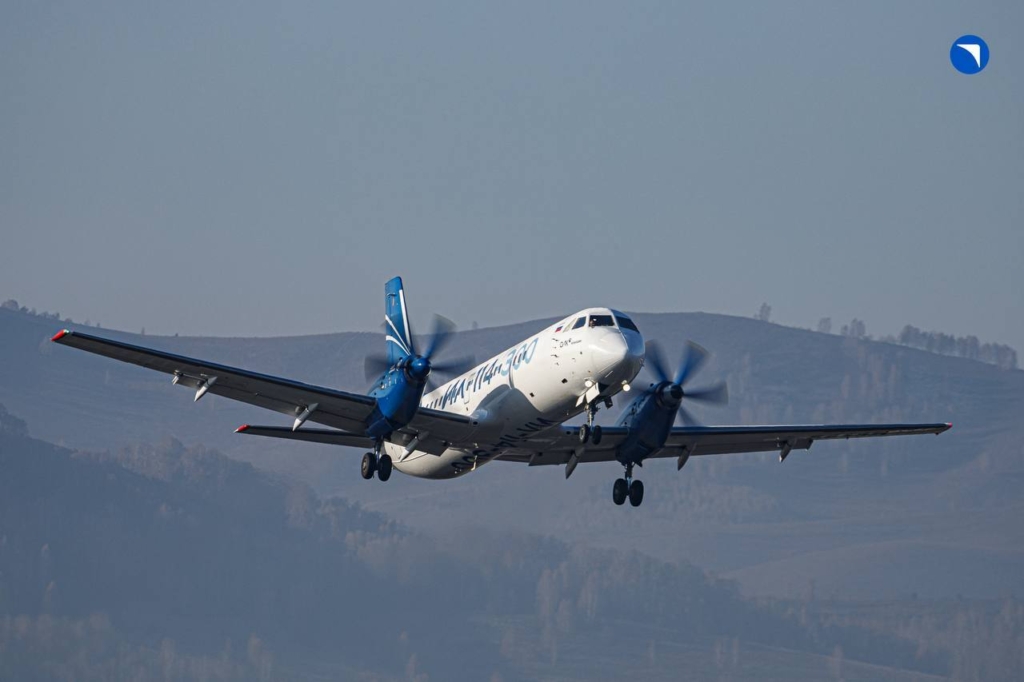
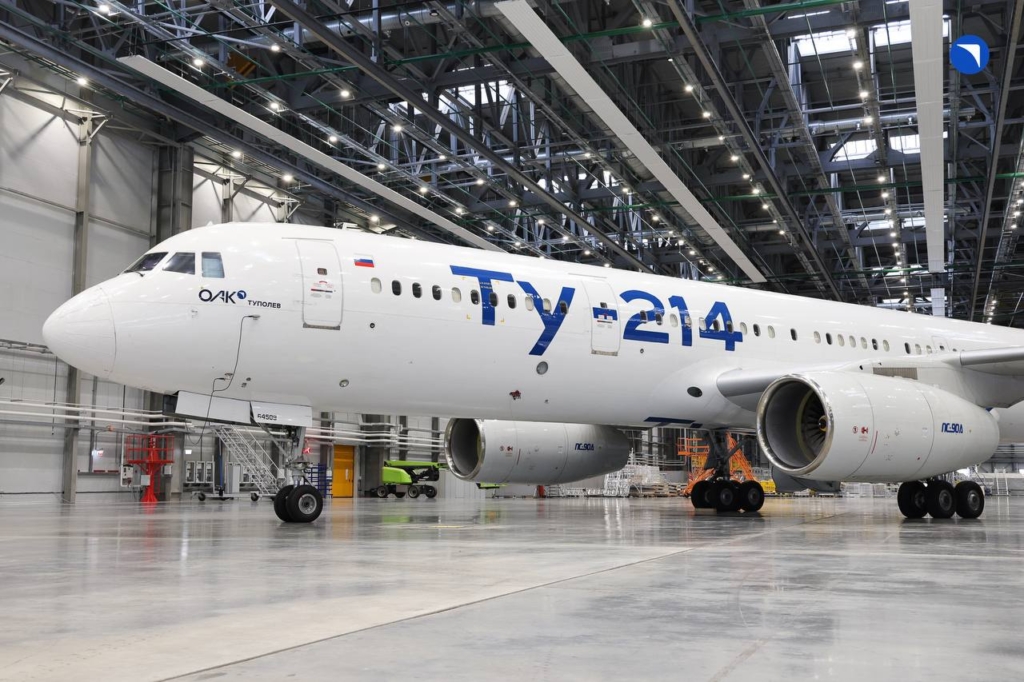
Under the new plan, UAC will deliver 90 Russified MC-21s to Aeroflot, in addition to the 18 already contracted. It will also deliver 100 modernized Tu-214s for Russia’s S7 airline, 20 Il-114-300s for Aurora.
Under the current plan, there are plans to produce 14 widebody quad-engined Il-96-300s. However, this appears to have been dropped from the new plan.
Get the latest aerospace defence news here on AGN.
First commercial aircraft deliveries expected
The first batch of UAC commercial aircraft is expected to include 18 MC-21s, 42 SJ-100s, 11 Tu-214s, and three Il-114-300s. The first batch of 18 MC-21s is expected to be delivered to Aeroflot in 2026-2027.
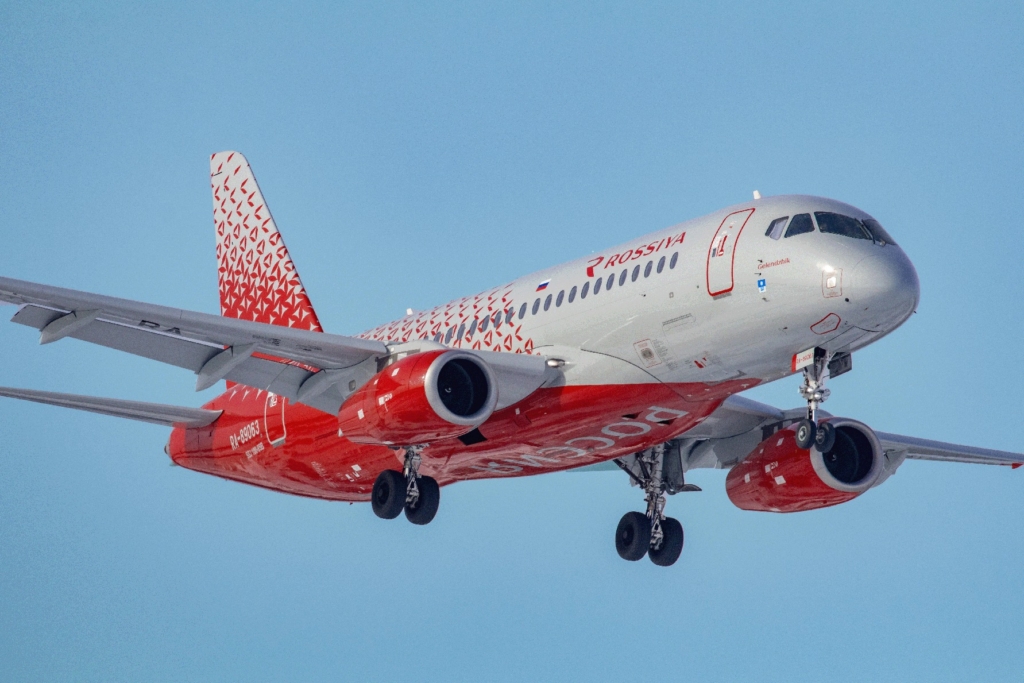
Interfax adds, “in the coming years, UAC expects to deliver at least 100 import-substituted SJ-100 — taking into account the ‘gradual’ retirement of existing Superjets.” The existing Superjets have extensive use of now-sanctioned Western components.
Last year, Russia announced it was poised to deliver the first Russified Tu-214, although that was a VIP aircraft. Deliveries of the now obsolete Tu-214 are expected to start in 2029.
Importantly, Russia’s fleet of small commercial Soviet-era aircraft is now coming to the end of its useful lives and is in desperate need of replacement.

Ural Civil Aviation Plant (UCAP) is planning to produce the nine-seat Baikal aircraft, the 44-seat Ladoga, and the 15-19-seat Osvey.
The difficulty in producing all-Russian aircraft
Before the war, aircraft like the MC-21 and Superjet were produced with around 60-80% imported Western components, including the engines. Russia has been forced to replace these imported components with its domestic alternatives. According to the BBC, even the Soviet-era Tu-214 had around 13% Western components.

However, this is easier said than done. The Russified MC-21 can be thought of as a new aircraft. It is around six tons heavier, and it has a shorter range. At the same time, its engines are less powerful, less fuel-efficient, require more maintenance, and are more expensive to operate.
Another issue is that Russia’s commercial aviation sector is competing for limited resources with the military. As Russia is fighting the war in Ukraine, the military appears to be taking priority.
A similar story has been reported with Russia’s helicopters, with military helicopters getting priority over commercial ones.
Yet another issue is with Russia’s fleet of Antonov series aircraft. Since 2014, Russia has been cut off from Ukrainian components and expertise.
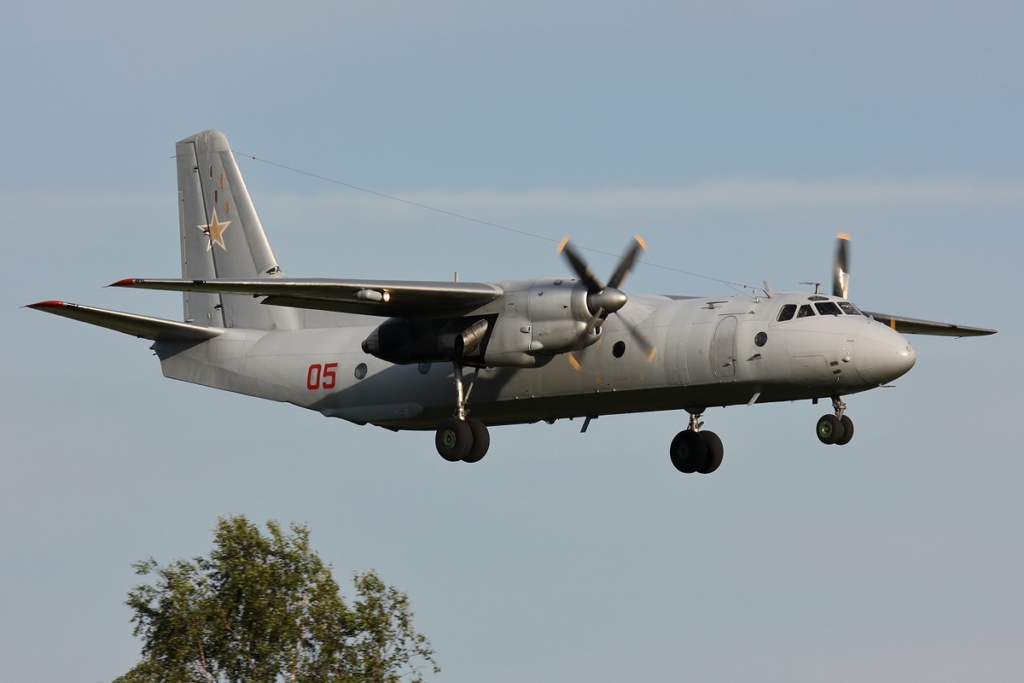
It is getting to the point where hundreds of these Antonov aircraft across Russia’s miltiary, government, and commercial sectors can no longer be kept flightworthy. At the same time, there is no replacement for many of these aircraft. For Russian government branches, Antonov aircraft alone account for 368 aircraft.
Featured Image: Rostec