With troubled engines, Russia seeks to extend service life of the Superjet 100

3 min read
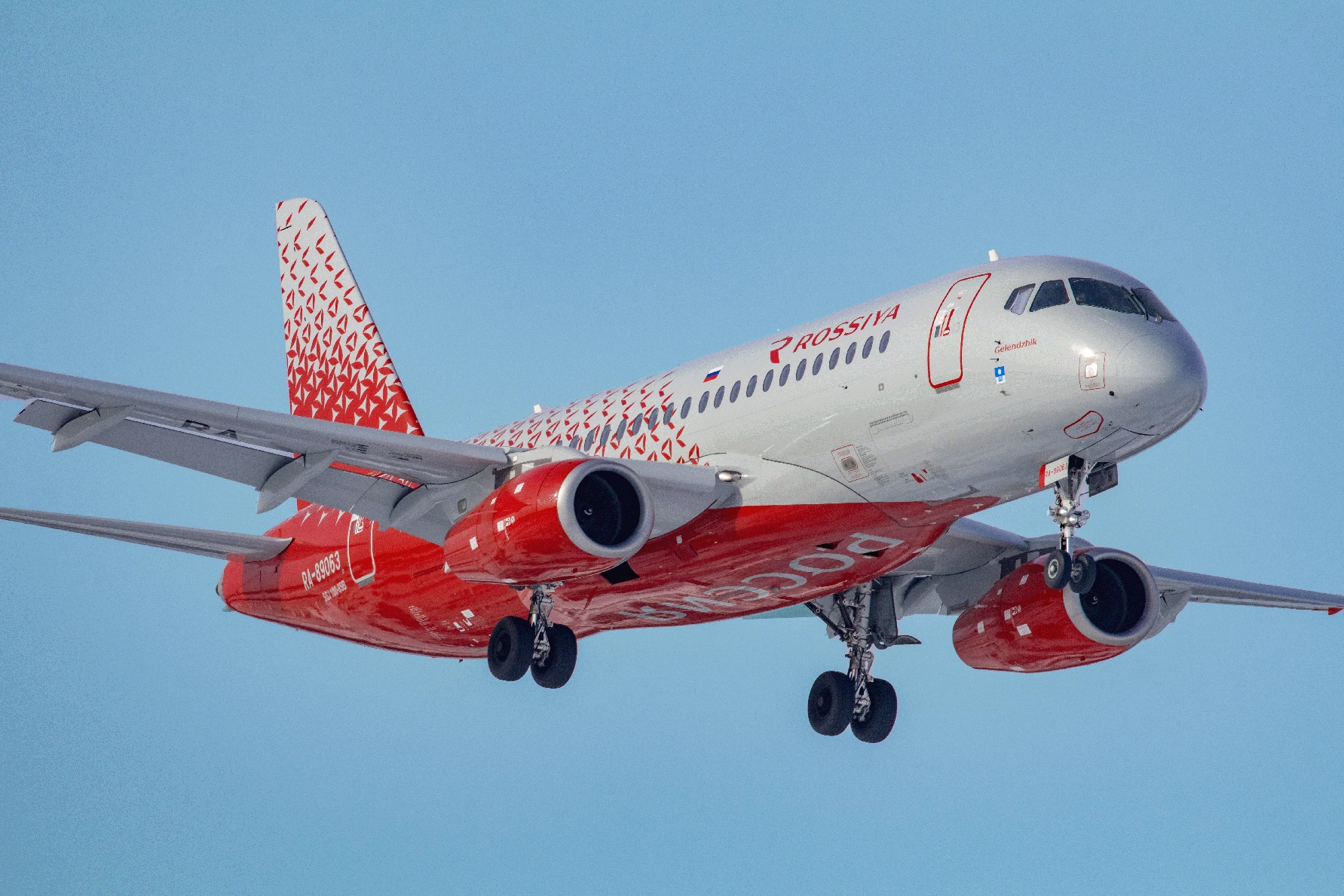
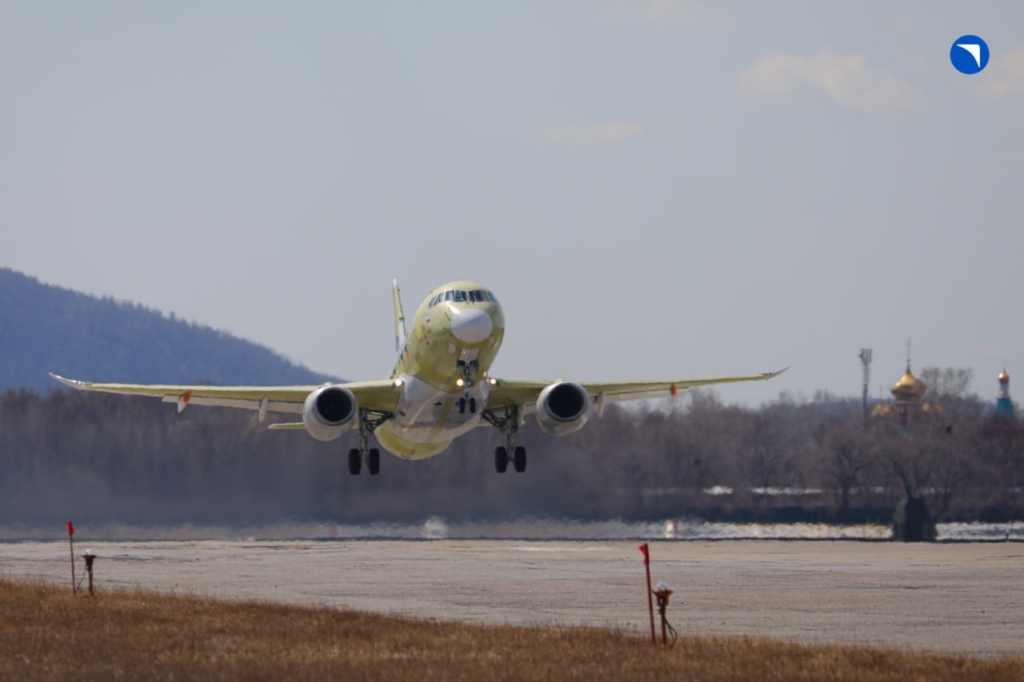
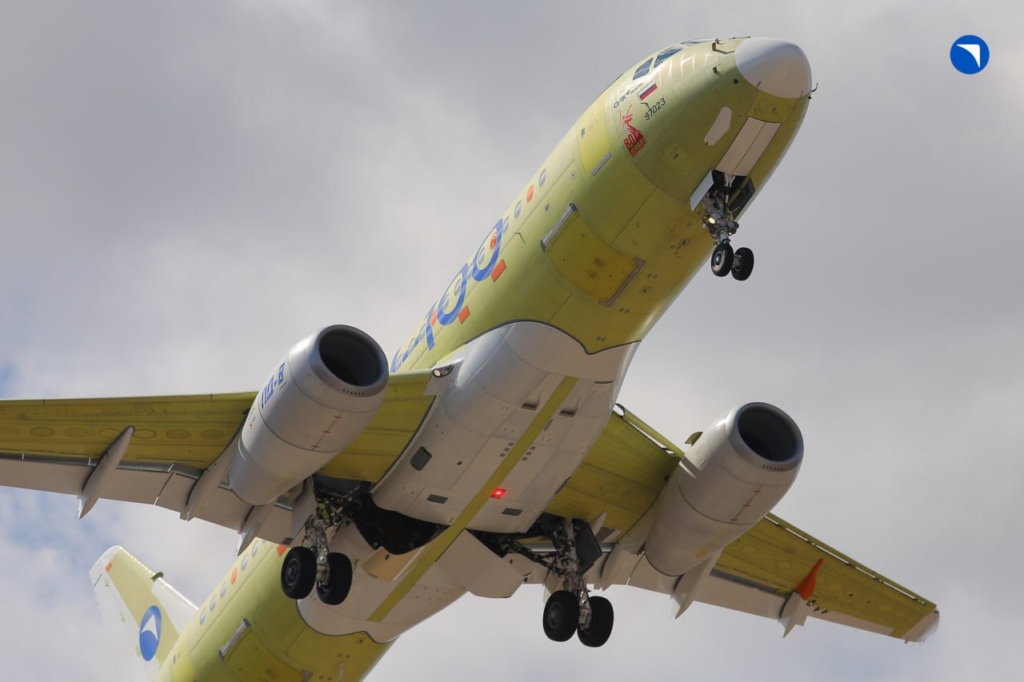
The Russian news outlet, Vedomosti, has revealed that efforts are underway to improve the service life of the Sukhoi Superjet 100 (now Yakovlev SJ-100).
The Superjet is suffering due to sanctions that resulted in the termination of the production of the SaM146 engines and the severing of ties with Safran.
Russia wants to double the service life of the SSJ Superjet 100
The Russian Ministry of Industry and Trade is looking for ways to extend the service life to 25,000 to 40,000 flight hours or 15,000 to 20,000 flight cycles. That would extend its in-service life to around 20 years.
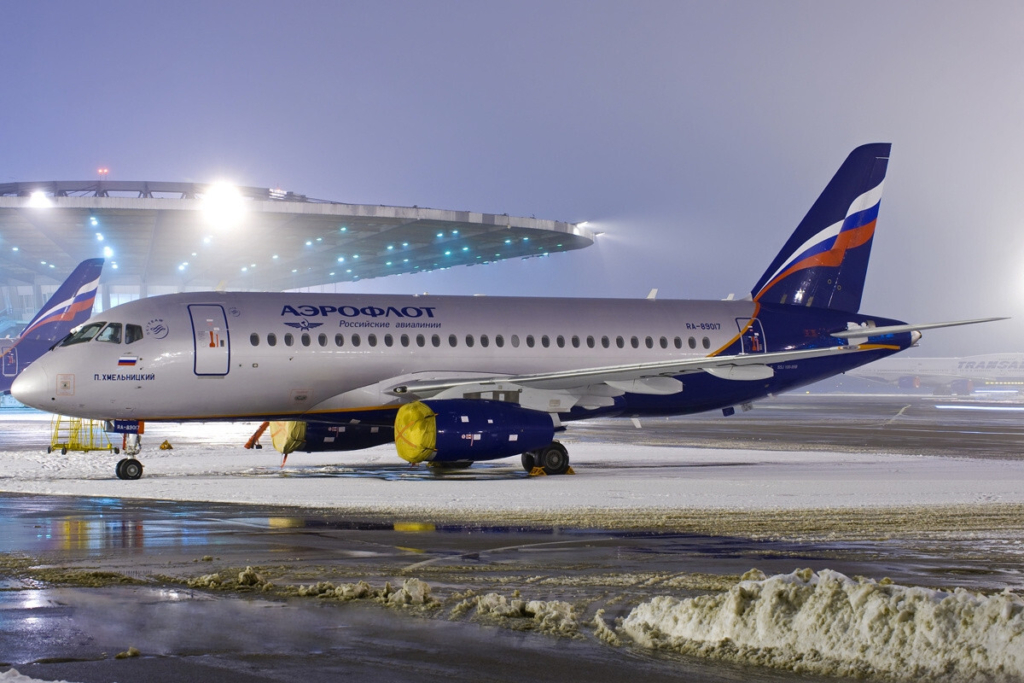
The SSJ (Sukhoi Superjet) is a domestic regional Russian aircraft that was in serial production before the sanctions of 2022. Up to 70% of its components were imported, mostly from the West.
Serial production of the jet started in 2011, making the oldest examples now 15 years old.
Of the 219 Superjets produced, only 159 remained in operation as of November 2025. That said, the parent company, Yakovlev, says the aircraft has a high dispatch reliability rate at around 97%.
Rossiya Airlines (part of the Aeroflot Group) is the largest operator with 78 aircraft in service. Other notable operators include Red Wing (22), Azimuth (19), and Yamal (15).
The Superjet has a 4x lower service life than originally designed
The Superjet’s current service life is only around 15,000 to 25,000 flight hours or 10,000 to 15,000 flight cycles, depending on its configuration. That translates to around 15 years of use. Around 20% of the fleet has now clocked 15,000 flight hours.
This is drastically below what the aircraft was designed for. It was intended to have a service life of 70,000 flight hours, 54,000 flight cycles, and 25 years of operation.
For comparison, most regional aircraft (Bombardier CRJ, Airbus A220, Embraer E-Jet, Boeing 717) can easily complete 60,000-80,000 flight hours and sometimes much more with proper maintenance.
Vedomosti says, “the current service life of this aircraft type in terms of number of flights is almost four times lower than the original design targets.”
Russia is racing to put import-substituted domestic aircraft, including the SSJ, Tu-214, MC-21, Il-114, and others, into production. Although these plans are being reduced and delayed.
KnAAZ's assembly shop for SSJ-100 Superjet PowerJet SaM146 engines. 5/
— Rob Lee (@RALee85) August 1, 2019
Photos: Михаил Воскресенскийhttps://t.co/OMhMG046vO pic.twitter.com/UZ548ZveIh
The lack of capacity is forcing Russia to pull retired Tu-204, Il-96, and Boeing 747-400s out of retirement. Likewise, as Russia is unable to put the light Baikal aircraft into production, it is considering restoring hundreds of Antonov An-2 biplanes.
SSJ 100 is more expensive to operate than Western aircraft
Severstal Aviation operates for SSJs and told Vedomosti that they are around 1.5-2x more expensive to operate per flight hour than comparable Western aircraft. Operating costs rose 20-30% after sanctions. Its aircraft have completed 6,500–7,500 takeoff-and-landing cycles.

Notably, its SaM146 was built through the PowerJet joint venture with France’s Safran and Russia’s NPO Saturn. The lack of spare parts for critical parts (particularly the turbine/core section) of the engine is making the aircraft more difficult and expensive to maintain.
The primary issue limiting SSJ is not airframe fatigue; it’s the lifespan of the SaM146 engines cut off from Western parts.
The Russified Yakovlev SJ-100 is to be powered by Russia’s PD-8 engine, which is now in the final stage of certification. However, it is considered infeasible to reengineer existing aircraft with Russian PD-8 engines.
Without breaking it down by aircraft, Vedomosti also reported “Rossiya Airlines’ total spending on spare parts and maintenance in 2025 more than doubled.”
Video of Russian Sukhoi Superjet 100-95LR catching fire in Antalya pic.twitter.com/t4100fX6GR
— Special Kherson Cat 🐈🇺🇦 (@bayraktar_1love) November 24, 2024
Russian airlines do not have the luxury of operating only efficient aircraft. There are no substitutes available, and Russia has to keep its existing aircraft in service if it is to stave off a major capacity gap.
Featured Image: Yakovlev
Sign up for our newsletter and get our latest content in your inbox.


More from

October 11, 20263 min read