


Dutch authorities trace KLM passengers after hantavirus contact on Johannesburg flight

4 min read
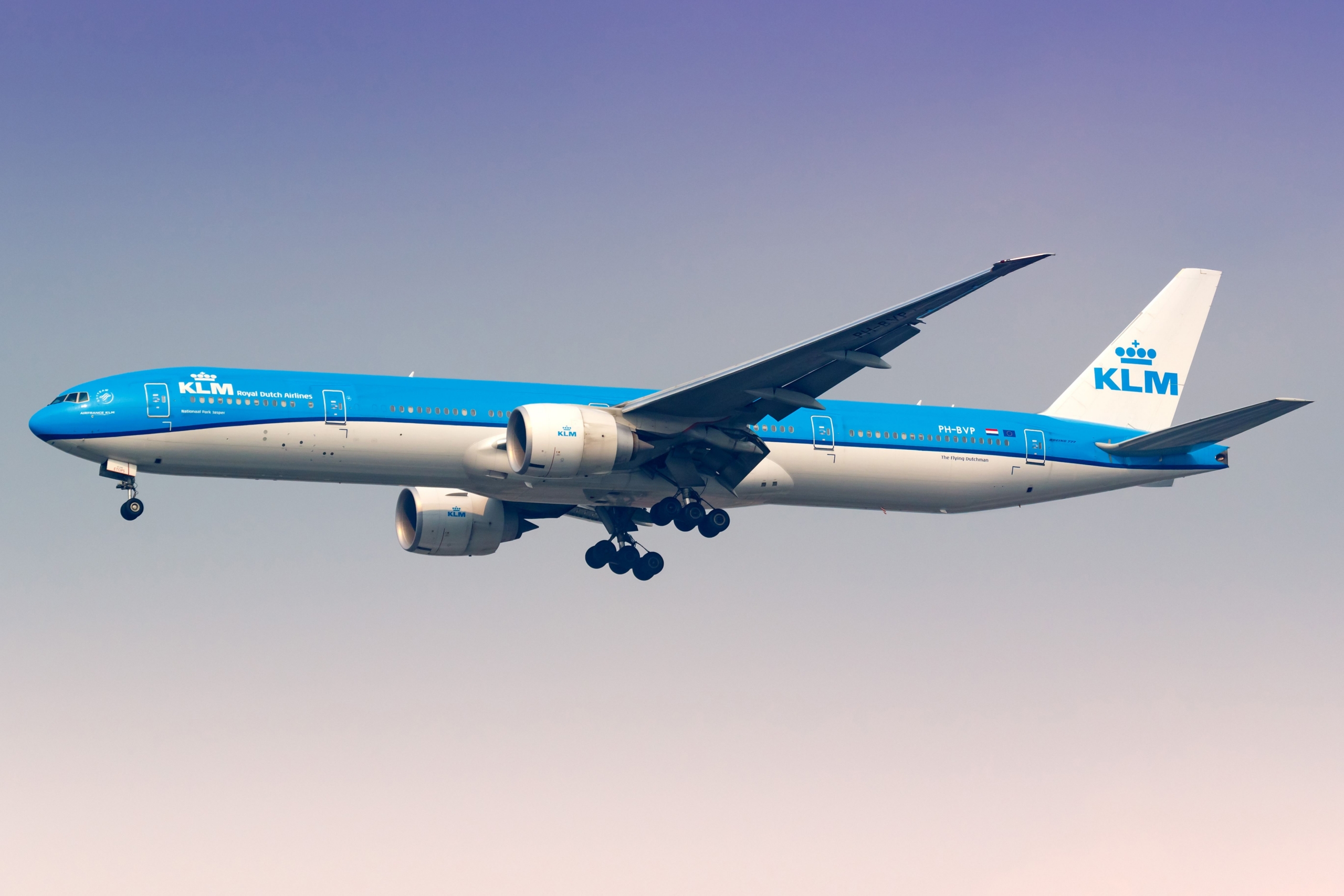
Dutch authorities are racing to trace passengers from a KLM flight in late April after a cabin crew member was hospitalised with suspected hantavirus.
The flight attendant, unnamed but identified as female, came into contact with a 69-year-old woman, who subsequently died from the virus. The woman had briefly boarded the KLM flight before crew removed her because she was sick.
The Dutch health service GGD is working to contact all the passengers on the flight, and is warning them to look out for symptoms.
KLM flight attendant tested for hantavirus after Johannesburg flight
A member of KLM’s cabin crew is in hospital with what are described as ‘mild’ symptoms of suspected hantavirus. She is said to be stable and is undergoing tests to confirm the virus.
The flight attendant had been working on KLM Flight KL 592 from Johannesburg to Amsterdam on 25 April, with a 23:15 departure time. One of the passengers on the flight, a Dutch woman, was unwell and ultimately deplaned. A day later, she died in hospital in Johannesburg.
KLM released a statement about the incident yesterday, 6 May, which read:
Yesterday evening, the Dutch public health authority RIVM informed KLM that one of the Dutch nationals who died from hantavirus had briefly been on board a KLM aircraft in Johannesburg on April 25, 2026. Due to the passenger’s medical condition at the time, the crew decided not to allow the passenger to travel on the flight. The passenger sadly later passed away in Johannesburg. KLM extends its condolences to the next of kin and wishes them much strength during this difficult time.
After removing the passenger, the flight continued to Amsterdam. KLM further noted that,
As a precaution, all passengers who were on board this flight are being informed by GGD Kennemerland.
GGD Kennemerland is the regional Dutch public health authority serving the Schiphol and Haarlem region.
Hantavirus symptoms: What to look out for
| Stage | Symptoms |
|---|---|
| Early symptoms | Fever, headache, muscle aches, chills, fatigue and dizziness |
| Digestive symptoms | Nausea, vomiting, diarrhoea and abdominal pain |
| Severe symptoms | Shortness of breath, respiratory distress, low blood pressure, and potentially life-threatening heart or lung complications |
| Incubation period | Symptoms typically appear two to four weeks after exposure, although onset can occur sooner or significantly later in some cases |
380+ passengers and crew to be traced and told to be vigilant for hantavirus symptoms
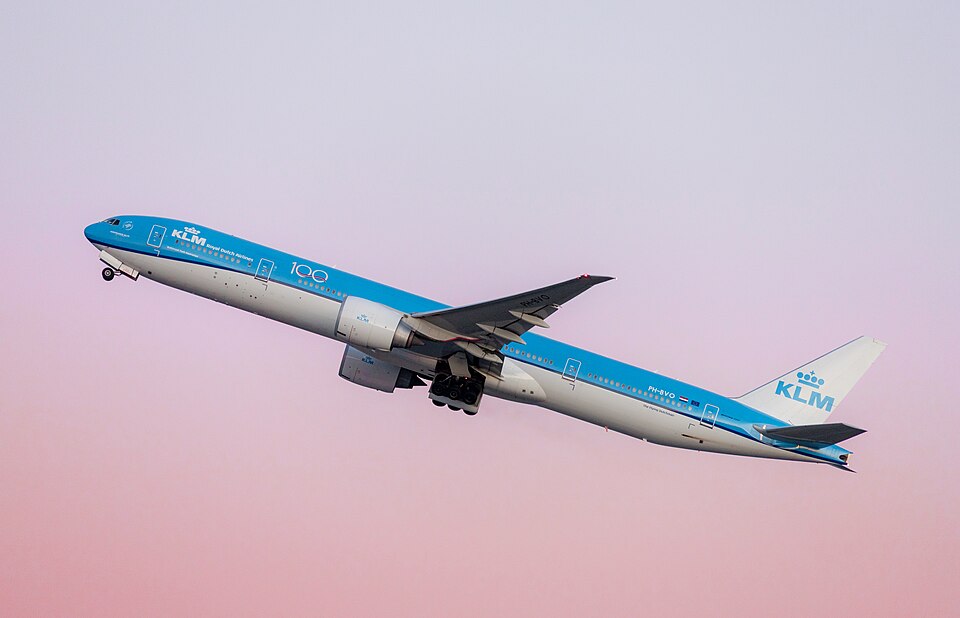
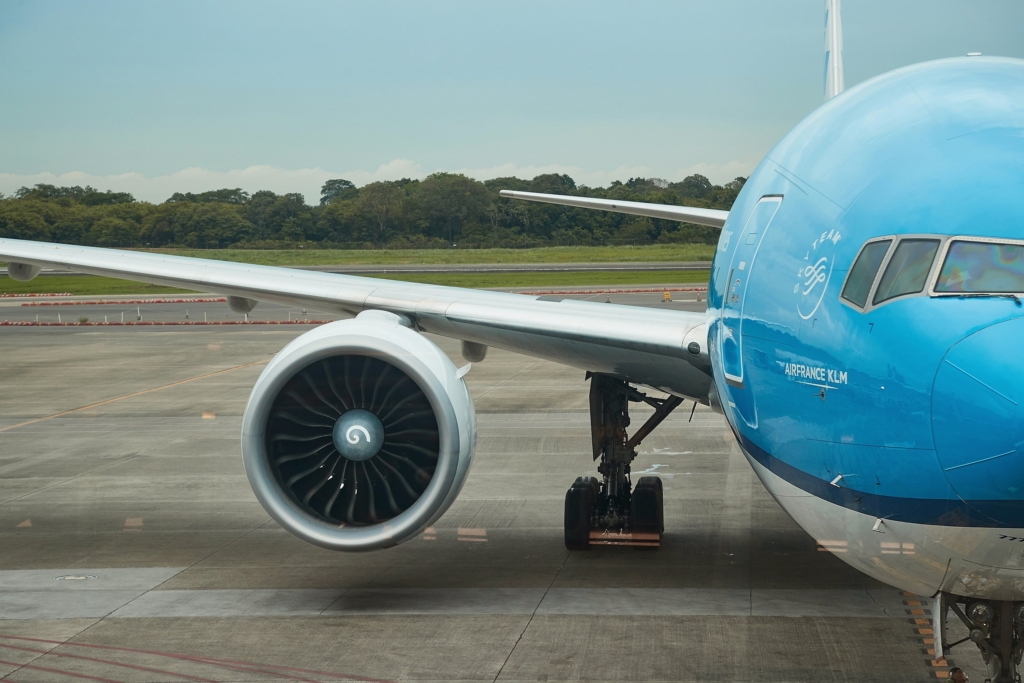
The aircraft operating the flight was a 13-year-old Boeing 777-300ER with tail number PH-BVK. Across the three cabins, the aircraft carries 381 passengers: 35 in business, 24 premium economy and 322 economy.
As well as this, an aircraft the size of the 777 requires a minimum crew of 10 – the two pilots and eight cabin crew. But for a long route like JNB to AMS, this would be increased to allow for rest periods, potentially up to 14 or 16 crewmembers.
The operation leaves Dutch health officials with the difficult task of tracing hundreds of passengers and crew almost two weeks after the flight departed Johannesburg.
Other cruise ship passengers being traced
In addition to the KLM passengers and crew, health authorities are scrambling to trace dozens of people who left the cruise ship early.
The operators of the MV Hondius have said 29 passengers of 12 different nationalities disembarked during a stop at St Helena.
Oceanwide Expeditions stated they included seven British people and six Americans, as well as guests from countries including Canada, Germany, Singapore, Turkey and Switzerland.
Hantavirus risk to wider population still low
Hantavirus is a rare but potentially severe viral disease normally spread through contact with infected rodents, particularly their urine, faeces, or saliva.
The virus can cause hantavirus pulmonary syndrome (HPS), a respiratory illness that begins with flu-like symptoms before potentially progressing to serious breathing difficulties and cardiovascular complications.
Dutch health authorities have confirmed that the outbreak linked to the cruise ship Hondius involves the Andes variant of hantavirus. The Andes strain is one of the few hantaviruses known to occasionally spread from person to person during very close contact. Most hantaviruses cannot transmit between humans at all.
The Andes strain is also associated with a higher fatality rate, with some outbreaks reporting mortality rates of up to 30–50%. Nevertheless, the Dutch health authority said,
The risk of the virus spreading in the Netherlands is still very small. The fact that it concerns the Andean virus changes nothing about this. In the advice regarding preventive measures on board the ship and the preparation for repatriation, the possibility that it involved the Andean variant was already taken into account.
World Health Organization chief Dr Tedros Ghebreyesus said the first two patients had travelled through Argentina, Chile and Uruguay on a birdwatching trip that included areas where hantavirus-carrying rodents are found.
Due to the incubation period of the virus, which can be up to six weeks, Dr Tedros warned it was possible more cases would be reported.
Featured image: Markus Mainka / stock.adobe.com


